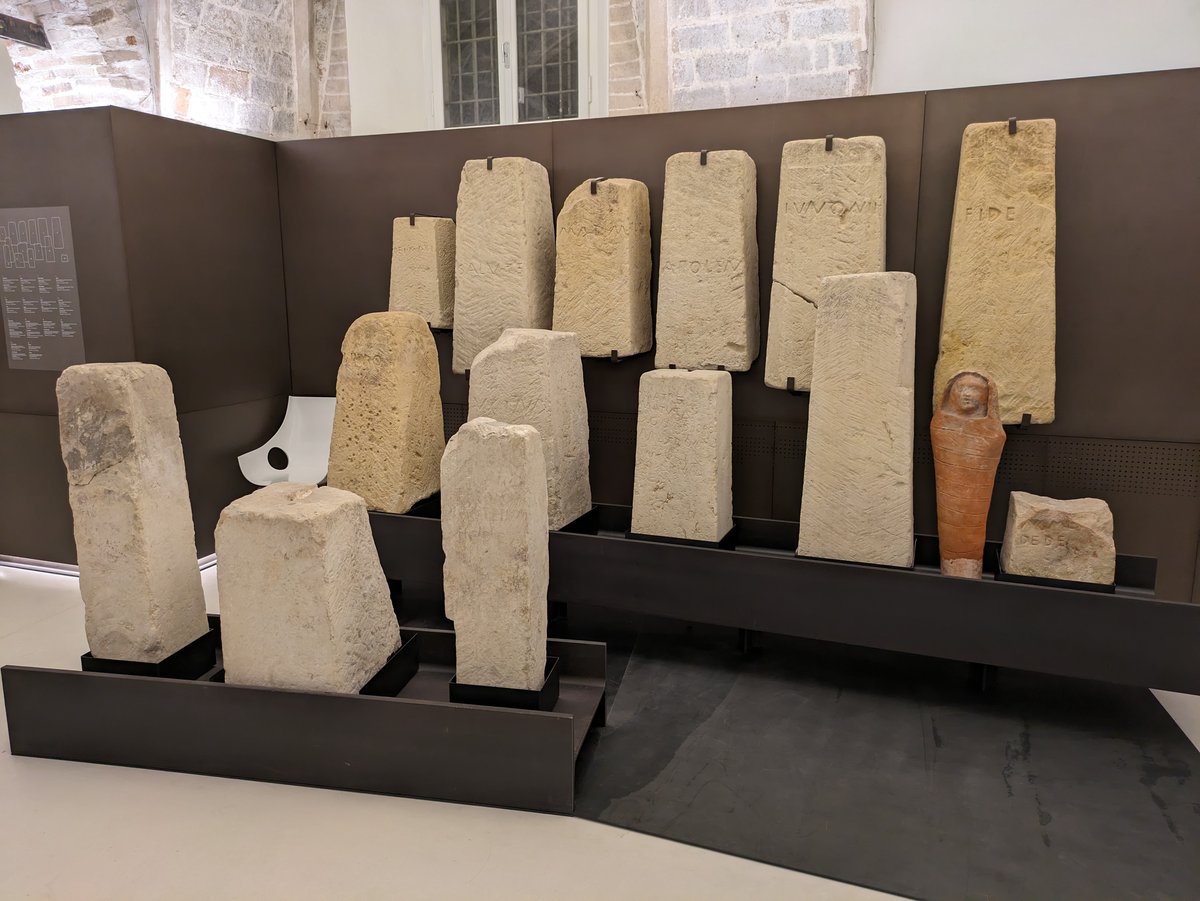
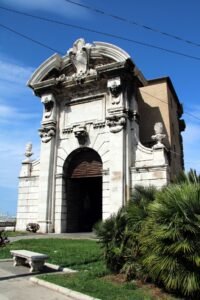
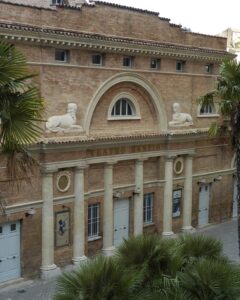
Lucus Pisaurensis is a sacred Roman wood discovered in the 1980s, with remains of a 2nd-century BC sanctuary perfectly integrated into nature. The quiet atmosphere away from the crowds makes it ideal for a cultural break during a day at the seaside.
- 2nd-century BC Roman sanctuary with column bases, pavements, and a small altar
- Sacred wood likely dedicated to Jupiter, a deity associated with nature and fertility
- Free admission and always open, with a path on dirt track and wooden walkways
- Tranquil and quiet atmosphere, perfect for families with children
A Corner of History in Nature
When you arrive at Lucus Pisaurensis, you don’t expect to find a sacred Roman grove right on the outskirts of Pesaro. It’s one of those places that makes you feel like you’ve discovered a secret. You walk among ancient trees, and suddenly, the remains of a 2nd-century B.C. sanctuary emerge—low walls, foundations, traces of what must have been an important place of worship. The atmosphere is unusual, almost magical: on one hand, the ancient history you can feel in the air; on the other, the greenery that envelops you. It’s not a closed museum but an open-air archaeological park where nature and archaeology blend together. I visited on a sunny day, and the light filtering through the leaves onto the Roman ruins was something special. Perfect for those who want to escape the city’s hustle and bustle without going too far.
Historical Overview
Lucus Pisaurensis is not just a woodland: it is a Roman sanctuary likely dedicated to Jupiter, built in the 2nd century BC when Pesaro (Pisaurum) was a Roman colony. Excavations have uncovered remains of a temple and a sacred area used for religious ceremonies. Imagine that deities associated with nature and fertility were venerated here—a detail that makes the site even more fascinating. During the Middle Ages, the site was abandoned and became overgrown with vegetation, only to be rediscovered in the 20th century. Today, it is an archaeological park managed by the Superintendency. The timeline summary:
- 2nd century BC: construction of the Roman sanctuary
- Imperial Age: continued use as a place of worship
- Middle Ages: abandonment and natural overgrowth
- 20th century: rediscovery and archaeological excavations
- Today: visitable archaeological park
Walking Among Ruins and Trees
What strikes you at Lucus is how the archaeological remains are integrated into the landscape. There are no high fences or display cases: you walk along a dirt path and see ancient stones emerging from the ground, surrounded by oaks, maples, and wild plants. In some spots, tree roots wrap around the stone blocks, creating an almost surreal effect. I also noticed discreet explanatory panels that explain what you’re looking at without spoiling the atmosphere. It’s a place where you can touch history – literally, but with respect – while listening to birdsong. Ideal for a slow stroll, perhaps with a book or simply to observe the details: the shapes of the stones, the moss growing on them, the changing light. It’s not very large, but every corner tells a story.
The Silence That Speaks
One of the most beautiful aspects of Lucus Pisaurensis is the silence. Being somewhat outside Pesaro’s center, it isn’t overrun by tourists. There are moments when it’s just you, the trees, and the Roman remains. This silence allows you to imagine what it must have been like two thousand years ago: people coming here to pray, make offerings, perhaps seek protection. It brought to my mind the idea of a borderland, between the city and the countryside, between the sacred and the everyday. Sometimes you only hear the wind through the leaves or a distant car—but that’s precisely what makes the experience authentic. It’s not a place for frantic selfies, but for pausing and breathing. If you’re looking for a peaceful corner with a touch of history, you’ll find it here. Personally, I’d return to write or draw; it’s so inspiring.
Why Visit It
Three concrete reasons not to miss Lucus Pisaurensis: first, it’s a rare example of a well-preserved Roman sacred grove in Italy – you won’t find many this accessible. Second, it seamlessly blends history and nature: in half an hour, you go from admiring an ancient wall to observing local flora. Third, it’s free and always open, perfect for a last-minute outing without much planning. Plus, it’s suitable for everyone: families with children can enjoy an easy walk, while archaeology enthusiasts will find interesting insights. I appreciated it because it requires no preparation: just arrive and let yourself be surprised. A tip? Bring a water bottle and comfortable shoes – the ground is unpaved but walkable.
When to Go
The best time? In my opinion, early morning or late afternoon, when the light is soft and the place is quieter. Spring and autumn are particularly beautiful: the green or colorful leaves enhance the archaeological remains, and the temperature is pleasant for walking. In summer, avoid the midday hours – it can get hot, although the trees provide shade. In winter, with a bit of luck, you might find it wrapped in a light mist that adds mystery. I was there in October, and the autumn atmosphere with falling leaves on the Roman stones was truly evocative. You don’t need a specific season: just choose a moment when you can enjoy the silence and the right light.
In the Surroundings
After visiting the Lucus, if you’d like to continue with a historical-natural theme, I recommend two nearby experiences. First, Rocca Costanza in Pesaro: an imposing Renaissance fortress in the city center, hosting exhibitions and events – it’s just a few minutes away by car or public transport, offering an interesting contrast between military architecture and the sacred grove. Second, a walk along the Foglia River, which flows near the park: there are nature trails where you can spot birds and riparian vegetation, perfect for relaxing after the archaeological visit. Both places are real and easily accessible, without needing long transfers. Personally, I did it this way: morning at the Lucus, lunch break in Pesaro’s center, and then a stroll along the river – a day well spent.