
🧭 What to Expect
- Ideal for families and history enthusiasts
- 15 km of sandy coastline with equipped facilities
- Historic center with well-preserved Roman monuments
- Theme parks like Italia in Miniatura and Fiabilandia
- Free museums such as the Luigi Tonini City Museum
- Romagna cuisine with piadine and fresh fish
Events nearby
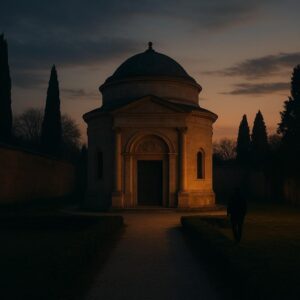
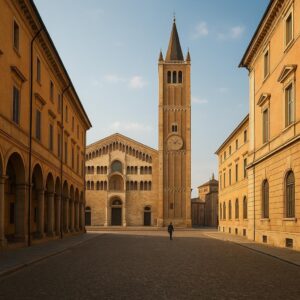
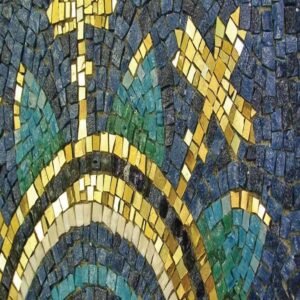
When you think of Rimini, you probably imagine kilometer-long beaches and nightlife, but this city on the Romagna Riviera has much more to offer. Its historic center preserves well-maintained Roman remains, such as the Tiberius Bridge, still walkable after two thousand years, and the Arch of Augustus, the city's symbol. Strolling through the streets of the center, you'll find the Surgeon's Domus, an archaeological site showcasing ancient mosaics and medical instruments, and Piazza Cavour, the vibrant heart with its market and medieval buildings. For families, attractions like Italia in Miniatura and Fiabilandia guarantee hours of fun. And then there's the sea: 15 km of sandy coastline with well-equipped beach facilities, ideal for relaxing or practicing water sports. Rimini is a destination that combines relaxation, culture, and entertainment, suitable for all types of travelers, from history enthusiasts to those just looking for a beautiful day in the sun.
Overview
- Tiberius Bridge
- Arch of Augustus
- Teatro Amintore Galli: Rimini's Cultural Heart
- Rimini Lighthouse
- Castel Sismondo: The Fortress of Sigismondo Pandolfo Malatesta
- Roman Bridge
- Italy in Miniature: A Day Trip Journey
- Luigi Tonini Museum of the City of Rimini
- Roman Amphitheatre
- Fiabilandia: The Family Amusement Park in Rimini
- Gambalunga Civic Library
- Palazzo dell'Arengo
- Domus del chirurgo
- Theme Park and Aviation Museum
- Porta Montanara
Itineraries nearby

Tiberius Bridge
- Go to the page: Tiberius Bridge: A 1st-Century Roman Bridge Still Walkable in Rimini
- Viale Tiberio, Rimini (RN)
- Open in Google Maps
- View on Google Images
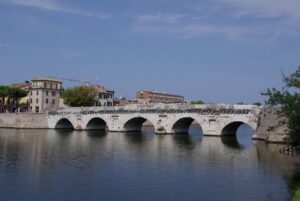
 While Rimini is famous for its beaches and nightlife, the Tiberius Bridge takes you back two thousand years, to when the Roman Empire ruled these lands. Built between 14 and 21 AD under emperors Augustus and Tiberius, this Istrian stone bridge is a marvel of ancient engineering that still supports pedestrian and light vehicle traffic today. It's not just a monument to photograph from afar: you can walk across it, feeling beneath your feet the same stones trodden by legionaries, merchants, and medieval pilgrims. Its five-arch structure is perfectly symmetrical, and observing it from the Marecchia riverbank reveals how the foundations were designed to withstand river floods, a detail that explains why it has survived wars and floods. Personally, I'm always struck by the contrast: on one hand, the bridge seems immutable, solid; on the other, it's surrounded by modern Rimini, with leisure boats moored nearby. A fun fact? The stone slabs still show the grooves left by Roman carts, a tangible sign of history that here isn't just told, but lived. It's one of those places where you pause for a moment, perhaps at sunset, and think about how much life has passed over these arches. Perfect for a quiet stroll away from the beach crowds, it also offers a lovely view of the San Giuliano district, the fishermen's quarter made famous by Fellini. In short, if you want to understand Rimini's most authentic soul, the Tiberius Bridge is an essential starting point, a bridge literally between past and present.
Arch of Augustus
- Go to the page: Arch of Augustus in Rimini: The Oldest Roman Arch in Northern Italy with 4 Openings
- Corso d'Augusto, Rimini (RN)
- Open in Google Maps
- View on Google Images
 When you think of Rimini, crowded beaches and nightlife spots probably come to mind. But there's a corner of history that endures, silent and majestic, right in the heart of the city: the Arch of Augustus. It's not just an old monument to photograph in passing. It is the oldest preserved Roman arch in Northern Italy, built in 27 BC to celebrate the Via Flaminia, which connected Rimini to Rome. What strikes you, beyond its age, is how it remains a living part of the urban fabric. It isn't isolated in a fenced-off archaeological area but stands at the intersection of Corso d'Augusto and Via XX Settembre, surrounded by traffic and everyday life. It's a fascinating contrast: the white Istrian stone and classical decorations serving as a backdrop to bicycles, cars, and passersby. Observe it up close: above the arch, you can still see the holes where the bronze letters of the dedicatory inscription were inserted. And notice the four clipei (circular shields) with the effigies of the deities: Jupiter, Neptune, Apollo, and, probably, Minerva. I like to think that, while today people meet here for a stroll, two thousand years ago travelers arriving from Rome passed under this same arch, tired but full of hope. It's a piece of history that isn't locked away in a museum but breathes along with the city. A tip? Pass by at different times of the day. At dawn, when the grazing light enhances the stone, or in the evening, when it's illuminated and takes on an almost theatrical air.
Teatro Amintore Galli: Rimini's Cultural Heart
- Go to the page: Teatro Amintore Galli: A Neoclassical Gem Reopened in 2018 with Diverse Programming
- Piazza Cavour, Rimini (RN)
- https://www.teatrogalli.it/
- Open in Google Maps
- View on Google Images
 When you think of Rimini, beaches and nightlife probably come to mind. But there's a place that tells another story, more elegant and cultured: the Teatro Amintore Galli. Located in Piazza Cavour, in the historic center, it's not just a theater: it's a symbol of rebirth. Built in 1857 from a design by Luigi Poletti, it features neoclassical architecture that immediately catches the eye, with its sober and imposing facade. Unfortunately, during World War II it was almost destroyed by bombings. For decades it remained a ruin, a kind of open wound in the city. Then, after a long and complex restoration, it finally reopened to the public in 2018. Stepping inside today is an emotion: the main hall, with its four tiers of boxes and frescoed ceiling, has been faithfully reconstructed, though you'll notice some modern details, like the red armchairs. The acoustics, they say, are excellent. Here they don't just stage operas or classical concerts: the program is varied, with plays, ballet, and cultural events. I like to think of it as a place where Rimini shows its more refined side, away from the summer chaos. A tip: always check the online schedule, because events often sell out quickly. And if you can't catch a show, you can still join one of the guided tours, which also reveal the backstory of the reconstruction. It's a piece of living history, well worth getting to know.
Rimini Lighthouse
- Go to the page: Rimini Lighthouse: 1933 White and Red Structure Overlooking the Fishing Village
- Via Destra del Porto, Rimini (RN)
- Open in Google Maps
- View on Google Images
 When you think of Rimini, crowded beaches or nightclubs probably come to mind. But there's a peaceful corner that often goes unnoticed, yet has a charm all its own: the Rimini Lighthouse. It stands at the entrance to the canal port, right where the Marecchia River flows into the Adriatic Sea. It's not an ancient lighthouse like those you see in Liguria – it was built in 1935 and rebuilt after the war – but it has its own personality. Its 25-meter-high reinforced concrete structure, with its distinctive white and red bands, has become a symbol for the people of Rimini. You can't visit inside (it's still active and managed by the Italian Navy), but the real spectacle is around it. The walk along the breakwater, starting from the lighthouse, is one of those paths that makes you forget the chaos of the riviera. You walk on the concrete, with the sea on one side and the port on the other, and the air smells of salt and freedom. It's a perfect spot for an early morning run or to admire the sunset. When the sun sets behind the hills, the lighthouse stands out against orange and purple skies – a postcard you don't expect. Personally, I like to think that while the city comes alive, it remains there, a fixed point, watching over the boats returning. Note: sometimes the wind is strong, better bring a jacket. And if you're lucky, you'll see local fishermen casting their lines from the breakwater, a silent ritual that has lasted for decades.
Castel Sismondo: The Fortress of Sigismondo Pandolfo Malatesta
- Go to the page: Castel Sismondo: Sigismondo Malatesta's 15th-Century Fortress in Rimini
- Piazza Malatesta, Rimini (RN)
- Open in Google Maps
- View on Google Images
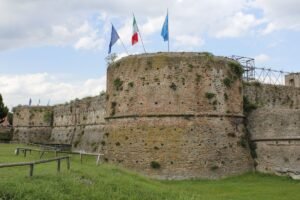
 When you think of Rimini, you probably imagine crowded beaches and nightlife. But there's a place that immediately makes you realize this city has an ancient and noble soul: Castel Sismondo. It's not just a castle; it's the tangible evidence of the Malatesta family's power, the dynasty that shaped Rimini's history for centuries. What struck me right away is its location: it rises right in the city center, just steps from Piazza Cavour, almost as a reminder that here, culture and power went hand in hand. The fortress was commissioned by Sigismondo Pandolfo Malatesta in the 15th century, and although today mainly the defensive structures remain, you can still feel that air of grandeur. The massive walls, the moats (now dry), the corner towers... walking around it makes you feel small. Inside, don't expect period furnishings or reconstructed rooms: Castel Sismondo today is primarily a cultural hub, hosting high-level temporary exhibitions, events, and festivals. I visited during a contemporary art exhibition, and the contrast between Renaissance military architecture and modern installations was fascinating. A practical note: admission is charged only during exhibitions; otherwise, you can freely access the courtyard and outdoor areas. It's not a traditional museum but rather a living space that engages with the city. If you're in Rimini, dedicate at least half an hour to it: it offers a different perspective, far from the beach clichés. Personally, I like to imagine Sigismondo controlling his domain from here, while today tourists photograph the walls before heading to the sea. In Rimini, history is always within reach.
Roman Bridge
- Go to the page: Tiberius Bridge in Rimini: A 1st-Century Roman Bridge Still in Use
- Via San Vito, Rimini (RN)
- Open in Google Maps
- View on Google Images
 If you think of Rimini and only imagine beaches and nightlife, prepare for a pleasant surprise. The Roman Bridge, also known as the Bridge of Tiberius, is one of those gems that reveals the layered history of this city. Built between 14 and 21 AD under Emperor Augustus and completed by Tiberius, it's incredible to think it remains perfectly functional after two thousand years. It's not just a monument to admire from afar: you can walk across it, feeling beneath your feet the same Istrian limestone and Euganean trachyte stones that supported Roman carts, medieval pilgrims, and today's bicycles and strollers. Its location is strategic: it connects the historic center with the San Giuliano district, a neighborhood full of authentic taverns and murals dedicated to Fellini. Observe it from the Marecchia riverbank at sunset, when the golden light caresses its five arches and the Latin inscriptions become clearer. There's something magical about seeing a Roman engineering work that has withstood earthquakes, wars, and floods, still serving as the beating heart of the city's traffic today. Personally, I like to think that while tourists crowd the Arch of Augustus, here you breathe a more intimate atmosphere, almost like a personal discovery. Note: don't look for signs pointing to 'Roman Bridge' – everyone calls it the Bridge of Tiberius, but the official name is indeed the Roman one. A detail that says a lot about Rimini's identity, always balancing between ancient and contemporary.
Italy in Miniature: A Day Trip Journey
- Go to the page: Italy in Miniature Rimini: 270 Scale Monuments with Sound Effects and Interactive Attractions
- Via Popilia 239, Rimini (RN)
- https://www.italiainminiatura.com/
- Open in Google Maps
- View on Google Images
- +390541736736
 If you think Rimini is just about the sea, Italy in Miniature will surprise you. This theme park, open since 1970, is one of those attractions that seems made for those who want to see a lot without moving around too much. You enter and find yourself facing over 270 scale reproductions of Italian and European monuments, from the Colosseum to Milan Cathedral, all the way to the Leaning Tower of Pisa that looks almost real. What struck me is the level of detail: they're not just static models, but carefully crafted environments with miniature people, cars, and moving trains. There's a section dedicated to Venice with navigable canals via electric gondola – a cute idea, especially for children. Then there are interactive attractions like the Miniature Venice Canal, where you can take a gondola ride, or the Rainbow Monorail that gives you an aerial view of the entire park. Personally, I found the area dedicated to European monuments interesting, with the Eiffel Tower and the Parthenon making you feel a bit like you're on a miniature world tour. Note: don't expect an adrenaline-pumping park like major amusement parks – here it's more of a cultural and educational experience, perfect for families or those wanting a relaxing alternative to the beach. Prices are average for this type of attraction, and there are often online discounts. A tip: go in the morning to avoid crowds, especially in summer. It might not be the trendiest spot in Rimini, but if you love details and want a different activity, it's worth it.
Luigi Tonini Museum of the City of Rimini
- Go to the page: Luigi Tonini City Museum of Rimini: Roman Mosaics and the Surgeon's Domus
- Via Luigi Tonini, Rimini (RN)
- https://museicomunalirimini.it/
- Open in Google Maps
- View on Google Images
 If you think Rimini is just beaches and nightlife, the Luigi Tonini Museum of the City will make you think again. Housed in an 18th-century palace on Via Tonini, this museum is a true treasure trove of stories, perfect for anyone wanting to truly understand the soul of the place. What struck me immediately is how it's organized: it's not just a simple collection of objects, but a chronological journey starting from the Roman era and continuing up to the 20th century. You begin with artifacts from Roman Rimini, like those from the Surgeon's Domus, then move on to the Middle Ages and the Renaissance. The rooms dedicated to the 18th and 19th centuries are filled with paintings and furnishings that tell the story of bourgeois life at the time. Personally, I found the section on the 20th century fascinating, with vintage photographs showing the city's transformation into a tourist destination. It's not a huge museum, but it's well-curated and admission is free, making it an accessible cultural break for everyone. Sometimes local museums can seem a bit dusty, but here there's a balance between depth and lightness. If you're visiting Rimini and looking for something different from sun and sea, it's worth stopping by. It might not take a whole day, but a couple of hours here will give you a new perspective on the city.
Roman Amphitheatre
- Go to the page: Roman Amphitheatre Rimini: 2nd Century Arena with Free Entry in the City Centre
- Percorso ciclo-pedonale Margherita Zoebeli, Rimini (RN)
- Open in Google Maps
- View on Google Images
 If you think Rimini is just beaches and nightlife, the Roman Amphitheatre will make you think again. This archaeological site, built in the 2nd century AD, is a surprise that almost pops up by chance as you walk through the historic centre. It's located on Via Roma, just a stone's throw from the Tiberius Bridge, but it's easy to miss at first: only a third of the original structure is visible today, with the rest incorporated into later buildings. What struck me is precisely this contrast: you see the red brick arches of the amphitheatre next to modern houses and shops, as if time had decided to stop there. The arena could hold up to 10,000 spectators—imagine the gladiator battles or animal hunts that took place here. Today it's a quiet, often empty place where you can sit on the steps and observe the details: the bricks still bear marks of ancient craftsmanship, and if you look closely, you'll notice traces of red plaster on the walls. Don't expect a miniature Colosseum: it's more a fragment of history that resists the modern city. Sometimes there are cultural events or guided tours, but I found it perfect for a quiet break away from the crowds. A tip: visit in the evening, when the lights accentuate the shadows on the arches and the atmosphere becomes almost magical. It's a shame you can't access the inside of the arena, but even from the outside it's worth it.
Fiabilandia: The Family Amusement Park in Rimini
- Go to the page: Fiabilandia: Historic Park with Wizard Merlin's Castle and Lake Bernardo
- Via Gerolamo Cardano 15, Rimini (RN)
- https://www.fiabilandia.it/
- Open in Google Maps
- View on Google Images
- +39 0541 372064
 If you think Rimini is just beaches and nightlife, Fiabilandia will make you think again. This amusement park, open since 1965, is a true institution for families visiting the Romagna Riviera. I went there with my grandchildren and I must say the atmosphere is different from large theme parks: here you breathe a more tranquil air, almost vintage in some corners, but without losing enthusiasm. The park is divided into four themed areas - Medieval, Far West, Orient, and Pirate Bay - each with attractions designed for different ages. My favorites? The "Rocking Horses" carousel in the Medieval area, which seems straight out of an ancient fairy tale, and the "Fiabilandia Express" train that goes around the entire park offering an overall view. For the bravest, there's the "Magic Mountain" roller coaster, not too extreme but enough for some thrills. What struck me is the attention to detail: the architecture, colors, even the background music changes from one area to another. And then the shows! The dolphin performances in the pond are always a hit, although personally I prefer the puppet show in the Oriental area - it feels like being a child again. The park isn't huge, you can visit it well in a day without rushing, and it has many shaded areas thanks to the centuries-old trees that populate it. A tip: don't miss the "Splash Bump" water play area on hot days, children (and not only) go crazy for it. Fiabilandia shows that in Rimini there's also room for more slow-paced fun, away from the coastal chaos.
Gambalunga Civic Library
- Go to the page: Gambalunga Library: 200,000 Volumes and Medieval Manuscripts in the Heart of Rimini
- Via Alessandro Gambalunga 27, Rimini (RN)
- https://bibliotecagambalunga.it/
- Open in Google Maps
- View on Google Images
- gambalunghiana@comune.rimini.it
- +39 0541704486;+39 0541704483
 If you think Rimini is just beaches and nightlife, the Gambalunga Civic Library will make you think again. Finding yourself in Piazza Gambalunga, in front of this seventeenth-century palace, is like taking a leap back in time. The building itself is a masterpiece, commissioned by the wealthy merchant Alessandro Gambalunga in 1614, who wanted to donate his book collection to the city. Upon entering, you breathe a different air, far from the summer chaos. The Cineteca Hall is a small treasure, with screenings and materials related to cinema, a fitting tribute to the city of Fellini. But the true heart is the Eighteenth-Century Hall, where wooden shelves hold ancient volumes and rare manuscripts. Walking among those rows of books, with light filtering through the windows, almost gives the impression of disturbing a sacred silence. It's not just a library for scholars: temporary exhibitions, literary meetings are organized here, and there's even a section dedicated to local history, perfect for those who want to explore Rimini's roots beyond the clichés. I happened to be there on a rainy day, and I must say it was a perfect refuge. Admission is free, and even if you're not a fan of ancient books, it's worth it just to admire the interiors and that timeless atmosphere. A tip? Take a look at the internal courtyard, an unexpected corner of peace in the city center.
Palazzo dell'Arengo
- Go to the page: Palazzo dell'Arengo in Rimini: Fourteenth-Century Frescoes and Medieval Heart in Piazza Cavour
- Vicolo San Martino, Rimini (RN)
- Open in Google Maps
- View on Google Images
 When you think of Rimini, beaches and fun probably come to mind. But there's a corner of the historic center that takes you back in time, and it's called Palazzo dell'Arengo. It's that imposing palace overlooking Piazza Cavour, with its red brick facade and crenellations that look like they've stepped out of a history book. It's not just a beautiful building to photograph: for centuries it was the true center of the city's civil power, the place where justice was administered and important decisions were made. What always strikes me is the contrast: on one hand its massive, severe structure, typical of the 13th century, and on the other the lively atmosphere of the square today, with market stalls and people strolling. Inside, if you manage to visit during openings (often tied to temporary exhibitions or cultural events), you can admire frescoes and rooms that tell stories of a distant past. Don't expect a traditional museum, though. Sometimes it's more of an event venue, and this versatility is part of its charm. I recommend taking a good look at the details of the facade, like the bifora windows and the city coat of arms. It's a piece of Rimini that endures, a silent witness to centuries of city life, reminding you that this city isn't just about the sea.
Domus del chirurgo
- Go to the page: Domus del Chirurgo in Rimini: 150 Original Roman Surgical Instruments from the 3rd Century
- Piazza Luigi Ferrari, Rimini (RN)
- https://www.domusrimini.com/
- Open in Google Maps
- View on Google Images
 If you think Rimini is just beaches and nightlife, the Domus del chirurgo will change your mind. This archaeological site in the historic center, right behind Piazza Ferrari, is an extraordinary window into the daily life of ancient Ariminum. What immediately strikes you are the incredibly well-preserved polychrome mosaics, with geometric and figurative patterns that still appear vibrant today. But the real treasure is the collection of bronze and iron surgical instruments - one of the most complete in the world - which gives the place its name. Seeing them displayed next to the remains of the domus has a certain effect: you can imagine the surgeon at work, while life in the Roman colony passed by outside. The house, discovered during construction work in the 1980s, clearly shows the typical rooms of a wealthy residence from the 2nd-3rd century AD, with mosaic floors, frescoed walls, and a hypocaust heating system. Particularly interesting is the room identified as the doctor's study, where many of the instruments were found. Some seem almost modern in their functionality. The visit route is well-organized, with walkways that allow you to walk over the excavations without damaging them. The explanations are clear without being too technical. Personally, I was surprised by how little-known this corner of Rimini is compared to other Roman monuments in the city like the Arch of Augustus or the Tiberius Bridge. Perhaps because it's somewhat hidden, or perhaps because the city's beach fame overshadows its historical heritage. But it's absolutely worth a visit, especially if you want to understand that Rimini has roots much deeper than what appears on the surface. The atmosphere is intimate, almost cozy, and the contrast between the antiquity of the artifacts and the modernity of the glass and steel covering that protects the site creates a suggestive effect.
Theme Park and Aviation Museum
- Go to the page: Rimini Theme Park and Aviation Museum: Over 50 Historic Aircraft and Flight Simulators
- Rimini (RN)
- https://www.museoaviazione.com/
- Open in Google Maps
- View on Google Images
- +39 0541 756696
 If you think Rimini is just beaches and nightlife, prepare to think again. The Theme Park and Aviation Museum is one of those surprises that completely redefines a destination. Located just minutes from the city center, heading inland, it welcomes you with an unexpected scene: dozens of historic aircraft lined up as if on a runway. This isn't your typical dusty museum. Here, the passion for flight is palpable in every corner. The collection is impressive: there are World War II aircraft, like the Spitfire fighter and Dakota bomber, but also more modern military jets and even an Agusta-Bell helicopter. What stands out, beyond the quantity, is their state of preservation. Many specimens are perfectly restored and seem ready for takeoff. The interactive part is the real highlight. With the flight simulators, you can experience the thrill of piloting an aircraft, even if just for a few minutes. It's an experience that drives kids wild (and not just them). Personally, I had a blast "flying" an F-16, though I admit I was a bit intimidated by the controls at first. Inside the hangars, you'll also find a collection of uniforms, disassembled engines, and memorabilia that tell stories of pilots and missions. There's even a section dedicated to Italian civil aviation, with models from Alitalia and other historic carriers. The park is well-organized, with clear explanatory panels and shaded pathways. I recommend dedicating at least a couple of hours, especially if you're traveling with curious kids. Note: some simulators have an additional cost, but it's worth it for the adrenaline rush. One detail I appreciated? The chance to climb aboard some aircraft for memorable photos. In short, if you're looking for a cultural and fun alternative to the beach, this place is a sure bet.
Porta Montanara
- Go to the page: Porta Montanara: Rimini's Only Roman Gate on Via Garibaldi
- Via Giuseppe Garibaldi, Rimini (RN)
- Open in Google Maps
- View on Google Images
 If you think Rimini is just beaches and nightlife, Porta Montanara will make you think again. This Roman gate from the 1st century BC, one of the four that once marked the city's entrance, is an authentic piece of history that withstands time. It's located on Via Garibaldi, just steps from the center, but many pass by without noticing it—I almost missed it myself the first time, hidden as it is among modern buildings. What you see today is only half of the original structure: the other half was destroyed during World War II, and what remains has a melancholic charm, almost like a silent warning. The gate was part of the Augustan walls and served as an access point from the road leading toward the Apennines, hence the name 'Montanara'. Look closely: the stone blocks, the traces of cart passage, the pointed arch that seems to tell stories of legionaries and merchants. It's not a spectacular monument like the Arch of Augustus, but it has a more intimate, more human character. If you pass by at sunset, with the light caressing the stone, you'll understand why it's worth stopping. It's free, always accessible, and offers a moment of peace away from the crowd. Personally, I like to think about how many feet have crossed it over two thousand years—a thought that puts things in perspective, especially after a day at the beach.