If you only have one day to discover Bari, this itinerary offers the perfect blend of art and sea. Start at the Nazario Sauro seafront, where contemporary art dialogues with the blue of the Adriatic, then immerse yourself in the alleys of Bari Vecchia, among thousand-year-old basilicas and the scents of freshly made orecchiette. A path that combines the modernity of artistic installations with the authentic charm of the historic center, ideal for those seeking culture without giving up seaside relaxation. Discover how to best experience Bari in one day, between photogenic glimpses and genuine experiences.
🗺️ Your trip at a glance
A one-day route that combines the contemporary art of the seafront with the millennia-old history of Bari Vecchia, at a pleasant pace accessible to everyone.
- Ideal for: travelers looking for a mix of culture and relaxation, away from the busier routes, appreciating both modern art and historical layers.
- Highlights: a walking itinerary with 9 precise stops, including an interactive map, ranging from the modern Lighthouse to the excavations of Via Traiana and the underground Crypt of the Cathedral.
- Who it's for: suitable for those with limited time who want a complete experience, ideal for photography enthusiasts, contemporary art lovers, and hidden historical details.
Itinerary stops
Stop no. 1
Punta San Cataldo Lighthouse
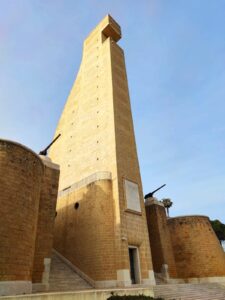
 Starting the day at the Punta San Cataldo Lighthouse is an excellent choice for those who want to immediately immerse themselves in Bari's atmosphere, blending contemporary art with sea views. This lighthouse, located on the Lungomare Giambattista e Pietro Starita, is not just a navigational landmark but also a modern artwork that captures attention with its white, slender structure. Built in 2009, it replaced an old lighthouse and integrates perfectly into the urban landscape, offering an interesting contrast with the deep blue of the Adriatic Sea. From here, the view stretches along the coast, with Bari Vecchia standing out in the distance, creating a picture-perfect scene. Personally, I enjoy observing how the morning light illuminates the tower, making it almost glow against the sky. It's an ideal spot for taking photos, but also for enjoying a moment of tranquility before exploring the city. I often notice tourists stopping to read the informative plaques, curious about the history of this modern symbol. If you're lucky, you might see a boat passing on the horizon, adding a touch of life to the panorama. In summary, the Punta San Cataldo Lighthouse is more than just a starting point: it's an introduction to a Bari that blends tradition and innovation, perfect for those, like in this itinerary, seeking a mix of culture and relaxation.
- Go to the page: Punta San Cataldo Lighthouse: Panoramic View of Bari and Port from the Outer Breakwater
- Lungomare Giambattista e Pietro Starita, Bari (BA)
- Open in Google Maps
- View on Google Images

You should go if...
Stop no. 2
The Constellation of the Sun King
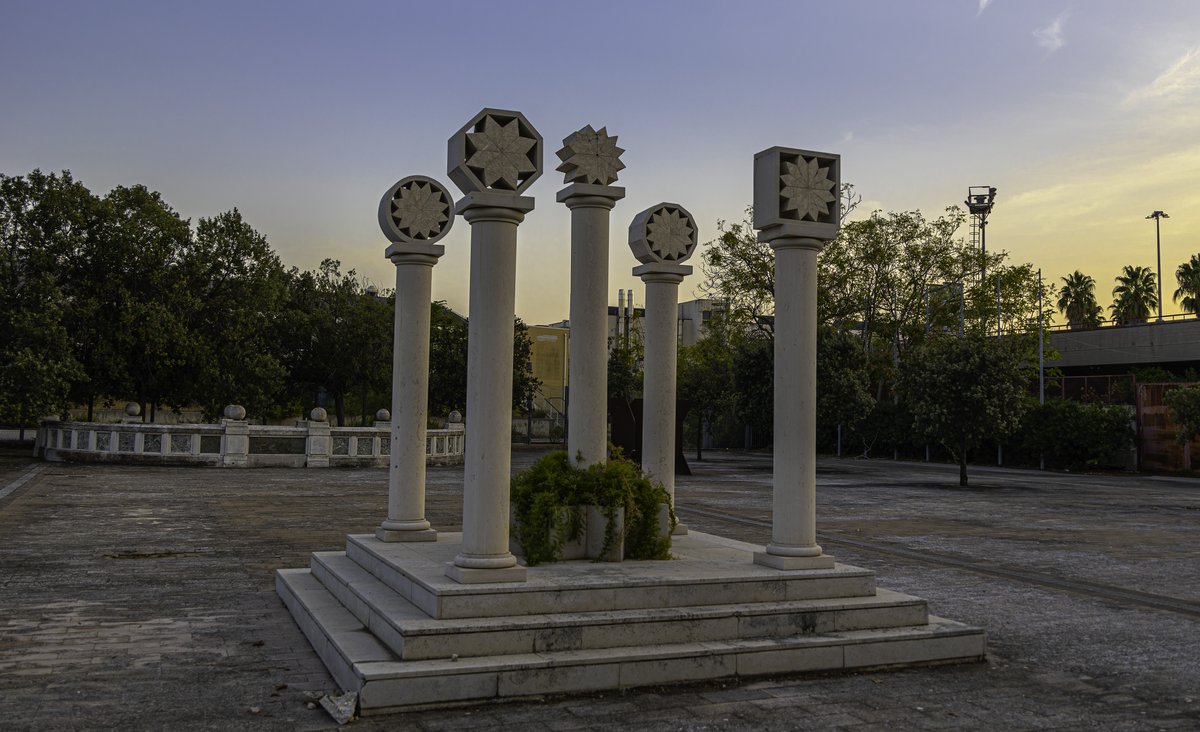 After exploring the alleys of Bari Vecchia, I recommend heading to the waterfront to discover The Constellation of the Sun King, an artistic installation that catches the eye with its golden light. Located on Via Francesco Portoghese, this modern sculpture seems to almost float above the sea, creating a striking contrast with the blue of the Adriatic. Made of steel and glass, it spectacularly reflects the sun's rays, especially at sunset. Personally, I enjoy watching how passersby stop to photograph it, often surprised by this contemporary gem in a city so rich in history. It's not just a work of art, but an informal meeting point where you can breathe in the sea breeze while admiring something unique. If you're passionate about photography, you'll find perfect angles for creative shots here, with the sea in the background and the sculpture seeming to dance with the light. One detail I've noticed: its position makes it visible even from afar, like an artistic lighthouse guiding you toward this less crowded area of the waterfront.
- Via Francesco Portoghese, Bari (BA)
- Open in Google Maps
- View on Google Images
You should go if...
Stop no. 3
The Flight
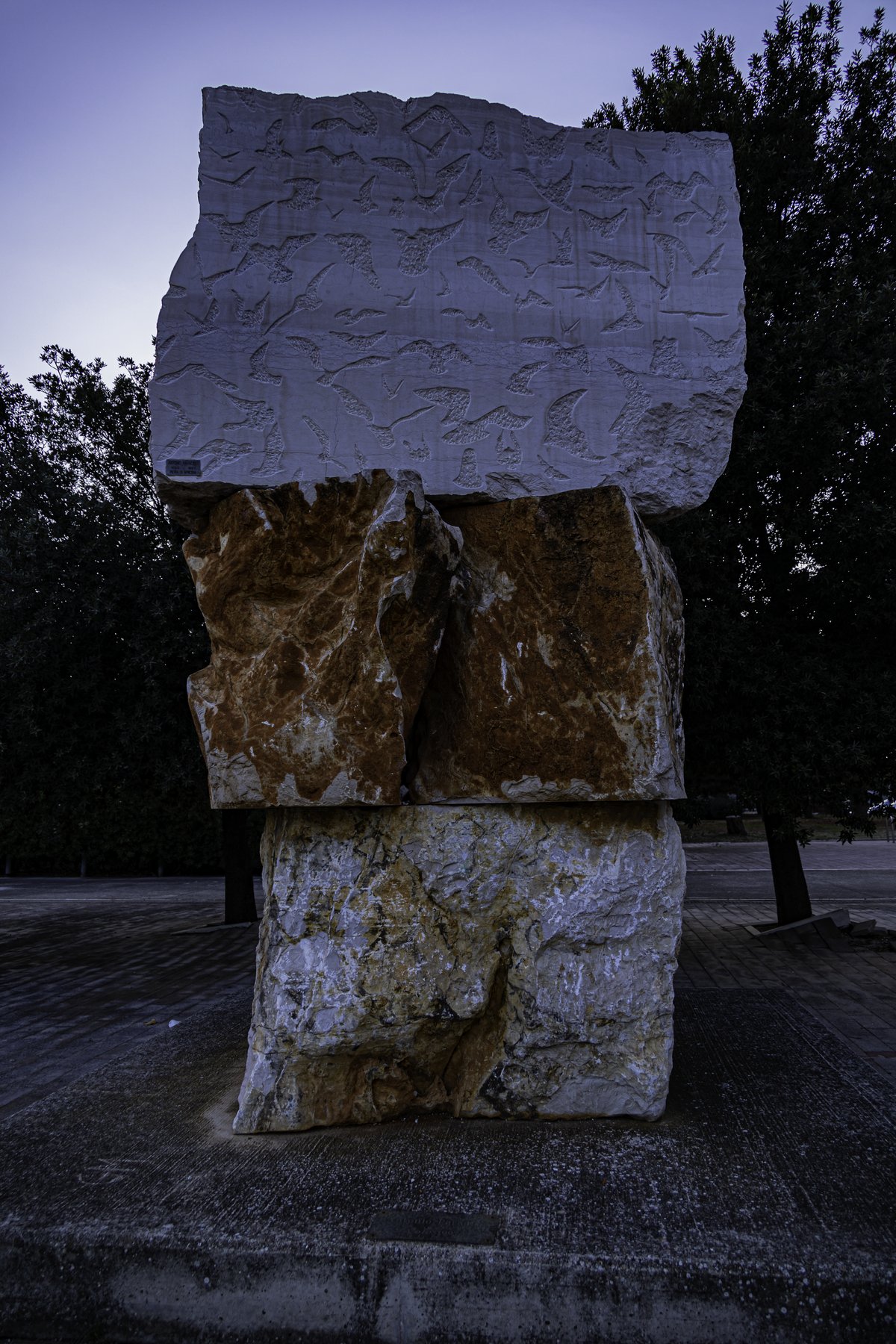 Continuing along the seafront, after admiring The Constellation of the Sun King, you come across The Flight, another contemporary artwork that captures attention. Located also on Via Francesco Portoghese, this corten steel sculpture immediately evokes movement, with sinuous shapes reminiscent of wings spread toward the sky. Its position, perched over the Adriatic, makes it seem almost ready to take off, creating a suggestive dialogue with the marine element. Personally, I'm struck by how the rust of the metal harmonizes with the colors of the sunset, offering warm hues that change with the light. It's not uncommon to see visitors stopping to contemplate it, perhaps sitting on nearby benches, while the sound of the waves provides a backdrop. A detail I noticed: from certain angles, its lines blend with the boats on the horizon, as if the art wanted to merge with the daily life of the port. If you're here, take a moment to observe how the artwork interacts with the environment, offering a reflective pause in an itinerary rich with stimuli.
- Via Francesco Portoghese, Bari (BA)
- Open in Google Maps
- View on Google Images
You should go if...
Stop no. 4
We Don't Set Precedents
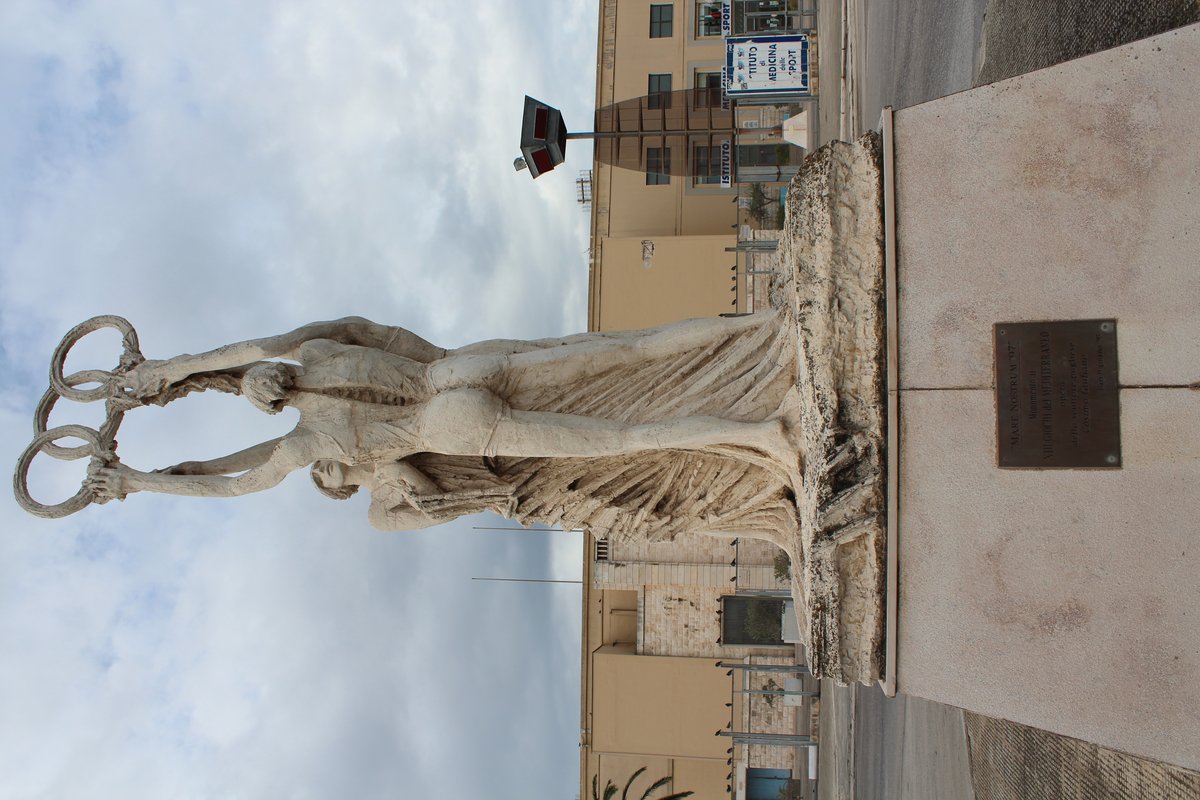 Leaving behind the sculptures of Via Francesco Portoghese, a short walk brings you to We Don't Set Precedents, a contemporary artwork that stands out on Via di Maratona. This installation, made from industrial materials like metal and concrete, features bold geometric shapes that seem to almost converse with the sea breeze. Its location, slightly off the main flow of the seafront, makes it an unexpected discovery. Personally, I was struck by how the afternoon light creates sharp shadows that accentuate its angular lines, offering a stark contrast to the soft curves of the sea in the background. It's not uncommon to find few visitors here, allowing for a calm observation, perhaps noticing the details of its oxidized surfaces that tell of the passage of time. An interesting aspect: from certain angles, it almost resembles a modern totem gazing toward the Adriatic, as if to remind us that art in Bari doesn't stop at the boundaries of the historic center. If you pass by, pause to reflect on how this work, with its provocative name, invites breaking patterns even in the perception of the urban landscape.
- Via di Maratona, Bari (BA)
- Open in Google Maps
- View on Google Images
You should go if...
Stop no. 5
Teatro Margherita
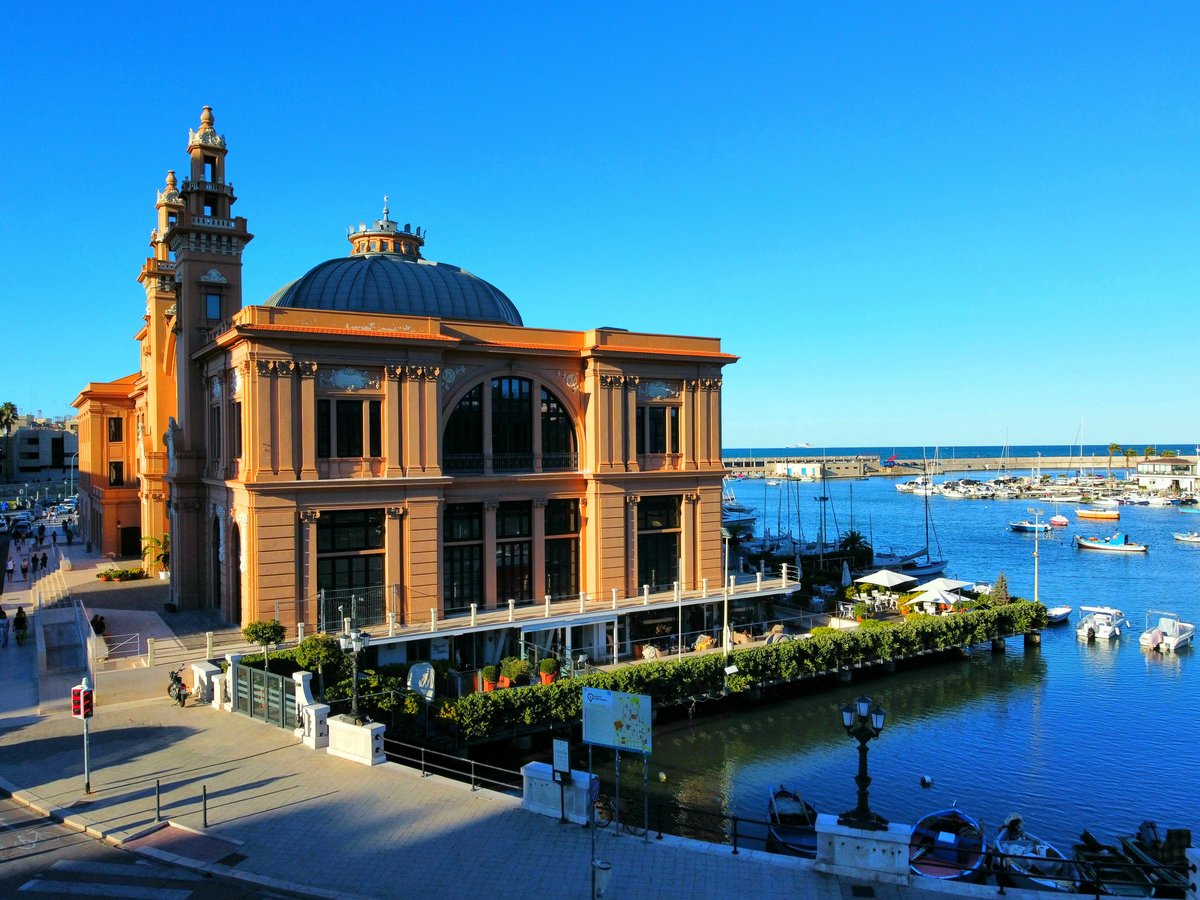 After leaving behind the installation on Via di Maratona, you'll naturally find yourself in front of the Teatro Margherita, which stands out on the Lungomare Imperatore Augusto with its unmistakable architecture. This building, constructed on stilts directly over the sea, is a true symbol of Bari: inaugurated in 1914 as a theater and later a cinema, it experienced decades of abandonment before being restored and reopened as an exhibition space. Today, it hosts international-level contemporary art exhibitions, but what truly impresses is its structure. The white facade with Liberty decorations, the large windows overlooking the Adriatic, the unique position perched over the water—it almost seems like a ship ready to set sail. Inside, the spacious and bright areas perfectly complement the exhibited works, creating an atmosphere that blends history and modernity. Personally, I love how the afternoon light filters through the windows, casting moving reflections on the floor that recall the motion of the waves. It's not uncommon to find temporary exhibitions here exploring themes related to the Mediterranean, offering a fresh perspective on local culture. If you pass by, take a look at the small internal bar as well: the coffee enjoyed with a sea view has a special flavor.
- Lungomare Imperatore Augusto, Bari (BA)
- Open in Google Maps
- View on Google Images
You should go if...
Stop no. 6
Excavations of Via Traiana
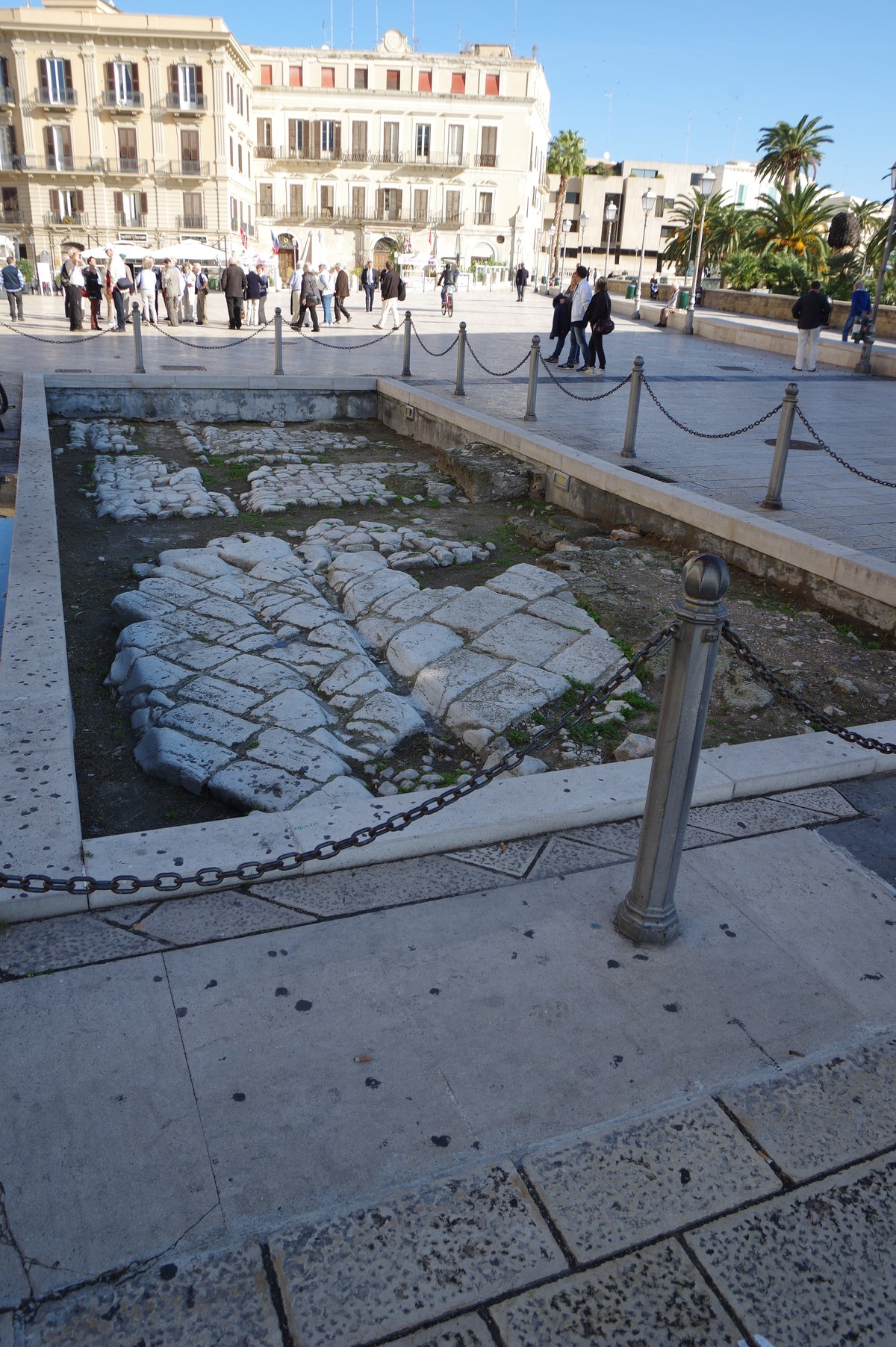 Leaving the Teatro Margherita behind, a short walk takes you to Piazza del Ferrarese, where beneath your feet lies a piece of Roman history. The Excavations of Via Traiana are the kind of discovery you don't expect in the heart of a modern city: here, protected by a glass covering, you can literally walk over the remains of the ancient consular road that connected Benevento to Brindisi. What you see isn't a monumental site, but something more intimate: limestone slabs worn by time, the grooves left by carts, the foundations of buildings that once faced the road. I like to think that centuries ago, merchants and travelers passed right here, perhaps headed to the port. What's surprising is how this corner of Bari Vecchia has preserved these traces, almost as if they were an urban memory resurfacing. Looking through the glass, you notice the details: the irregular arrangement of the stones, the marks of craftsmanship, that sense of continuity linking past to present. It's not a traditional museum, but a fragment of the city that tells a story without needing many words.
- Piazza del Ferrarese, Bari (BA)
- Open in Google Maps
- View on Google Images
You should go if...
Stop no. 7
Infamous Column
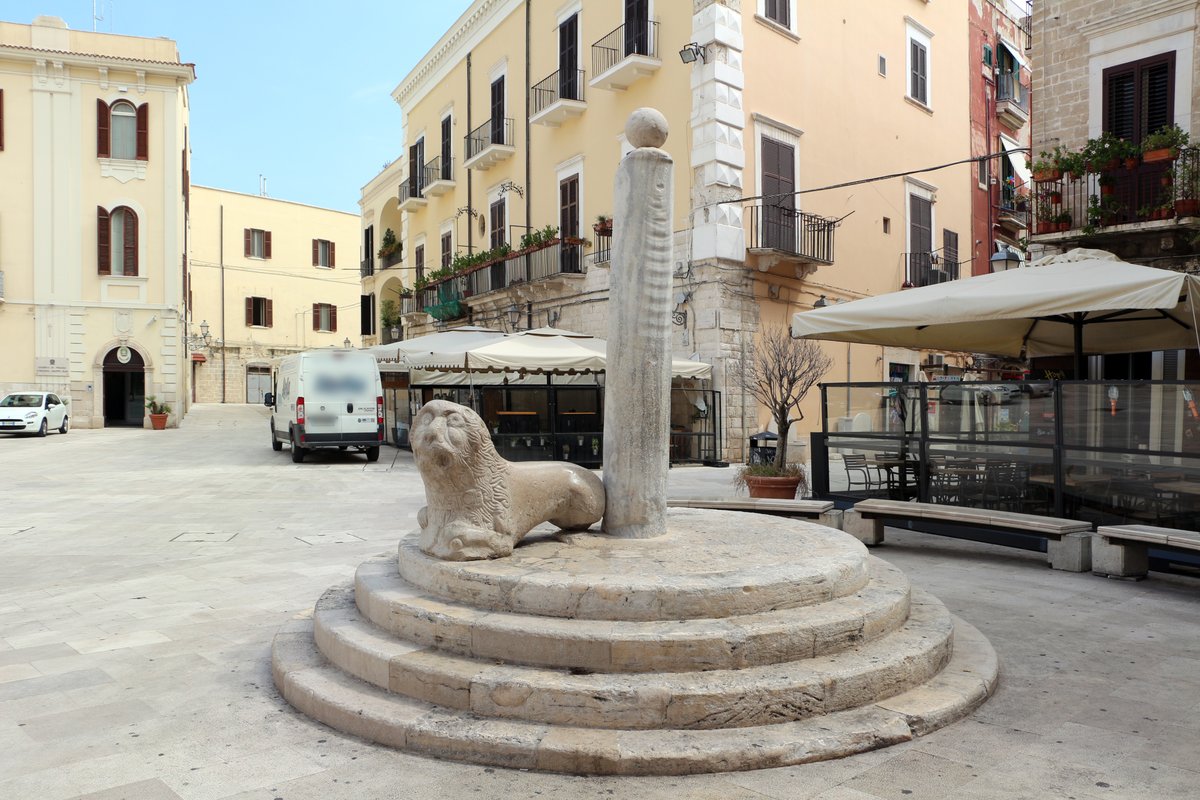 After exploring the Roman remains beneath Piazza del Ferrarese, you find yourself in Piazza Mercantile, the true beating heart of Bari Vecchia. Here, at its center, stands the Infamous Column, a monument that tells a story of medieval justice. It's not just a decorative column: centuries ago, it was the place where insolvent debtors were publicly displayed, tied up and humiliated before the community. I'm struck by how this square, now bustling with cafes and chatter, was once the stage for a severe and spectacular form of justice. The stone column, with its massive base, seems almost like a silent warning, a reminder of an era when commercial rules were ironclad. Observing it, you notice the marks of time on its surface, those small grooves that perhaps tell forgotten stories. I like to think that while today the square is a place for meeting and leisure, here once the fates of merchants and artisans were decided. It's not a majestic monument like others, but it has a particular charm, almost a bit gloomy, that makes you reflect on how the city has changed over the centuries. A detail that often goes unnoticed, but worth seeking out among the bar tables.
- Piazza Mercantile, Bari (BA)
- Open in Google Maps
- View on Google Images
You should go if...
Stop no. 8
Arch of Wonders
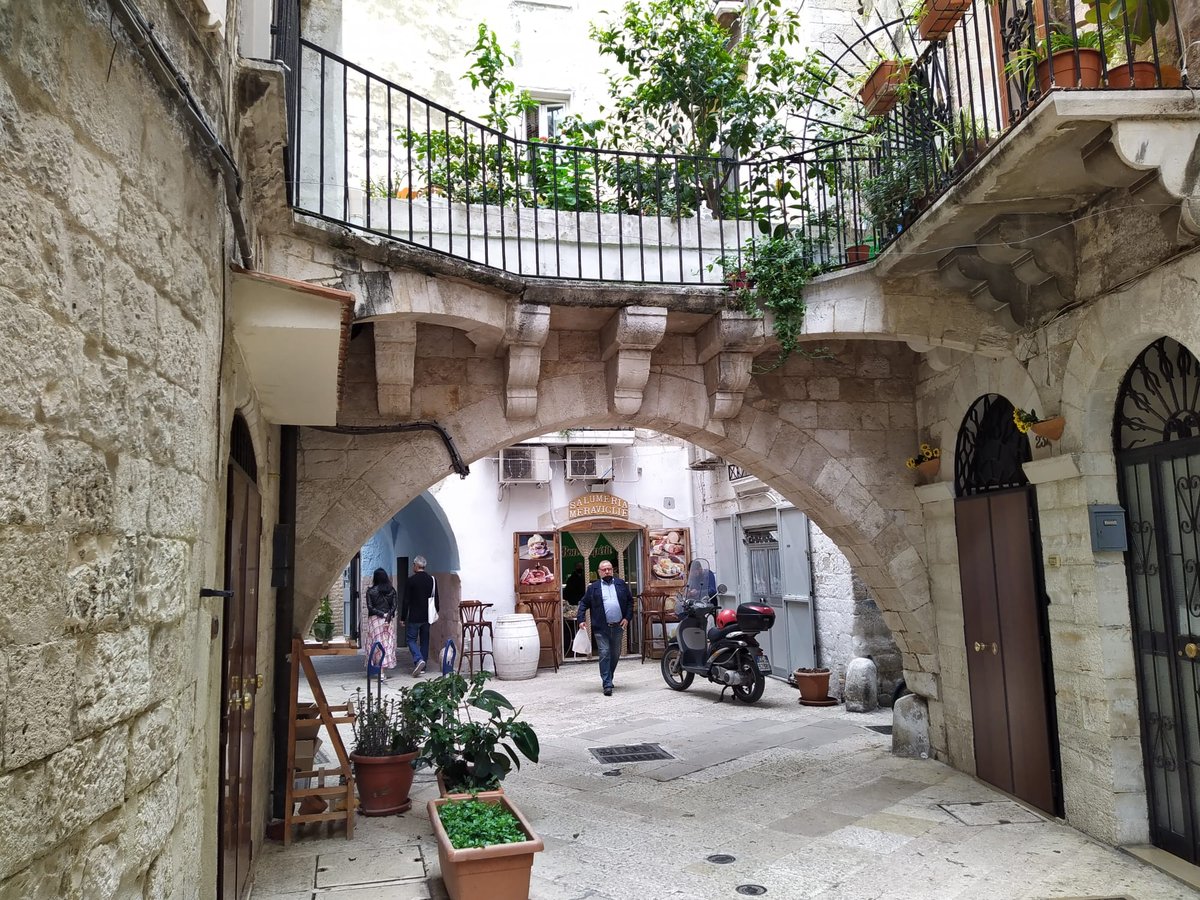 Leaving behind the severity of the Infamous Column in Piazza Mercantile, a short stroll down Strada Filioli leads you to discover the Arch of Wonders, a corner that almost surprises you with its discreet beauty. It's not an imposing monument, but rather an architectural detail hidden among ancient houses—a stone arch connecting two buildings with simple grace. I was struck by how this spot, often overlooked in hurried guides, has an almost intimate atmosphere, as if it holds secrets of daily life from centuries past. The light filtering through the arch, especially in the late afternoon, creates evocative shadow plays on the cobblestones, and I paused to observe the marks of time on the stone, those small grooves that tell stories of passersby and residents. It's not a place where you linger for long, but it's worth slowing your pace to notice how even a simple passageway can become, with a bit of attention, a small urban treasure. In an itinerary blending contemporary art and history, the arch offers a moment of contemplative pause, an invitation to look beyond the obvious.
- Strada Filioli, Bari (BA)
- Open in Google Maps
- View on Google Images
You should go if...
Stop no. 9
Cathedral Crypt
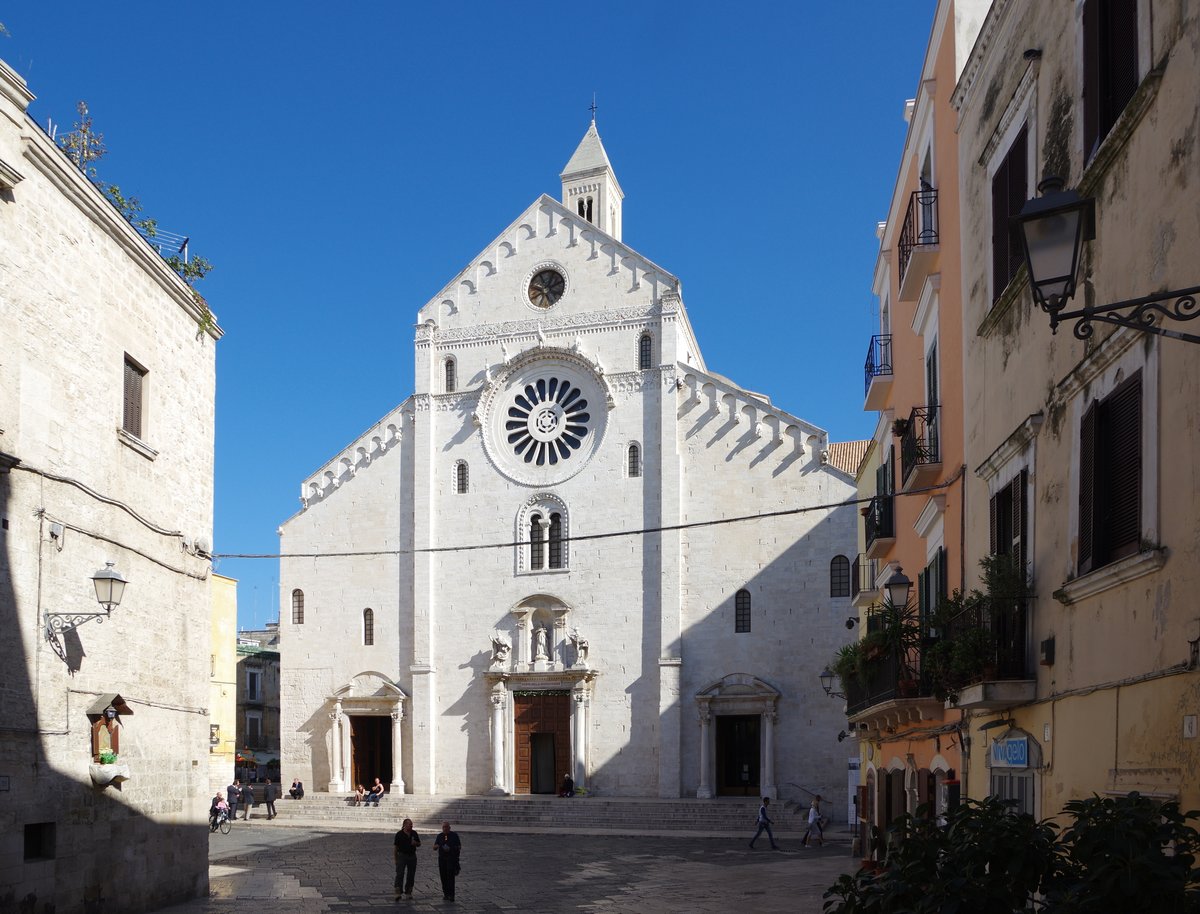 After admiring the Arch of Wonders on Strada Filioli, head to Piazza dell'Odegitria for a stop that literally takes you underground. The Crypt of Bari Cathedral is a place that many hurried visitors risk missing, but for me, it was one of the most intense moments of the day. Descending the stone staircase, you enter an underground space that preserves the remains of the original Paleo-Christian basilica, dating back to the 6th century. The sensation is strange and fascinating: you walk on mosaic floors that were once at street level, now buried by centuries of history. I noticed details like fragments of columns and traces of frescoes on the walls, which tell of a Bari much older than what you see on the surface. The atmosphere is damp and silent, a stark contrast to the hustle and bustle of the neighborhood outside. It's not a traditional museum, but rather a journey through time that helps you understand how many layers of history have accumulated in this city. For those who, like me, love archaeological details, it's an absolute must, even if it requires a bit of attention to appreciate its depth.
- Go to the page: Bari Cathedral Crypt: 6th-Century Paleochristian Mosaics and Archaeological Finds
- Piazza dell'Odegitria, Bari (BA)
- Open in Google Maps
- View on Google Images
You should go if...