
🧭 What to Expect
- Ideal for cultural weekends among UNESCO Rolli Palaces and maritime museums.
- Highlights: UNESCO medieval historic center, ancient port renovated by Renzo Piano, authentic Ligurian cuisine.
- Includes interactive maps for each attraction and a complete geographic overview.
- Suitable for families (with Aquarium and Biosfera), couples (for romantic walks), and solo travelers.
The City of Genoa, with its UNESCO World Heritage medieval historic center and the ancient port renovated by Renzo Piano, is a destination full of surprises. Here you'll find Renaissance palaces overlooking narrow caruggi alleys, museums dedicated to the sea like the Galata, and a gastronomy ranging from pesto to focaccia. It's not just a stopover city: it deserves at least a weekend to discover its maritime soul and its history as a Maritime Republic. The atmosphere is vibrant, with historic venues like the Louisiana Jazz Club and breathtaking views from the Lanterna. It's ideal for those seeking culture without giving up relaxation by the sea, with beaches reachable in just minutes from the center.
Overview
- Genoa Aquarium
- Cathedral of San Lorenzo
- Genoa Lantern
- Ducal Palace: The Historic Heart of Genoa
- Palazzo Rosso: A Baroque Jewel in the Heart of Genoa
- Galata Maritime Museum
- White Palace: A Renaissance Jewel in the Heart of Genoa
- Doria-Tursi Palace
- Staglieno Monumental Cemetery
- Nervi Parks: A Green Oasis Between Sea and Historic Villas
- Villa Durazzo-Pallavicini
- Villa del Principe: The Genoese Palace Overlooking the Sea
- Spinola Palace of Pellicceria
- Biosphere: A Tropical Oasis in the Heart of the Old Port
- Castello D'Albertis: A Journey Through Exotic Collections and Breathtaking Views
Itineraries nearby

Genoa Aquarium
- Go to the page: Genoa Aquarium: 15,000 Animals, Dolphins and Shark Tunnel in the Ancient Port
- Ponte degli Spìnola, Genova (GE)
- https://www.acquariodigenova.it/
- Open in Google Maps
- View on Google Images
- +39 010 23451
 If you think an aquarium is just a series of tanks full of fish, the Genoa Aquarium will change your mind. It's the largest in Italy and one of the most important in Europe, with over 70 tanks housing more than 15,000 animals. What struck me immediately is the variety of recreated environments: not just our Mediterranean, but also tropical seas, lagoons, and even a Madagascar forest. The shark tank is impressive – you see them swimming above your head as you walk through a transparent tunnel, an experience that gives a bit of a thrill but is absolutely safe. For children (and not just them) there's the touch tank, where you can pet rays, always under staff supervision. I noticed that the aquarium dedicates much space to conservation and research, with projects on endangered species like sea turtles; it's not just spectacle, there's also an educational side that I appreciate. The Biosfera, the glass sphere next to the aquarium, is a small separate world with plants and animals from the rainforest, perfect for a different kind of break. I recommend booking online to avoid queues, especially on weekends. A practical detail: inside there are refreshment areas, but if you want to save money, outside there are stalls selling focaccia, the true Genoese specialty. The aquarium is located in the Porto Antico, so after the visit you can take a walk along the sea or visit the nearby Galata Maritime Museum. Some might find the ticket a bit expensive, but in my opinion it's worth every euro for the quality of the experience.
Genoa Aquarium
Cathedral of San Lorenzo
- Go to the page: St. Lawrence Cathedral in Genoa: Striped Facade and Treasury Museum with the Sacred Basin
- Via Tommaso Reggio, Genova (GE)
- Open in Google Maps
- View on Google Images
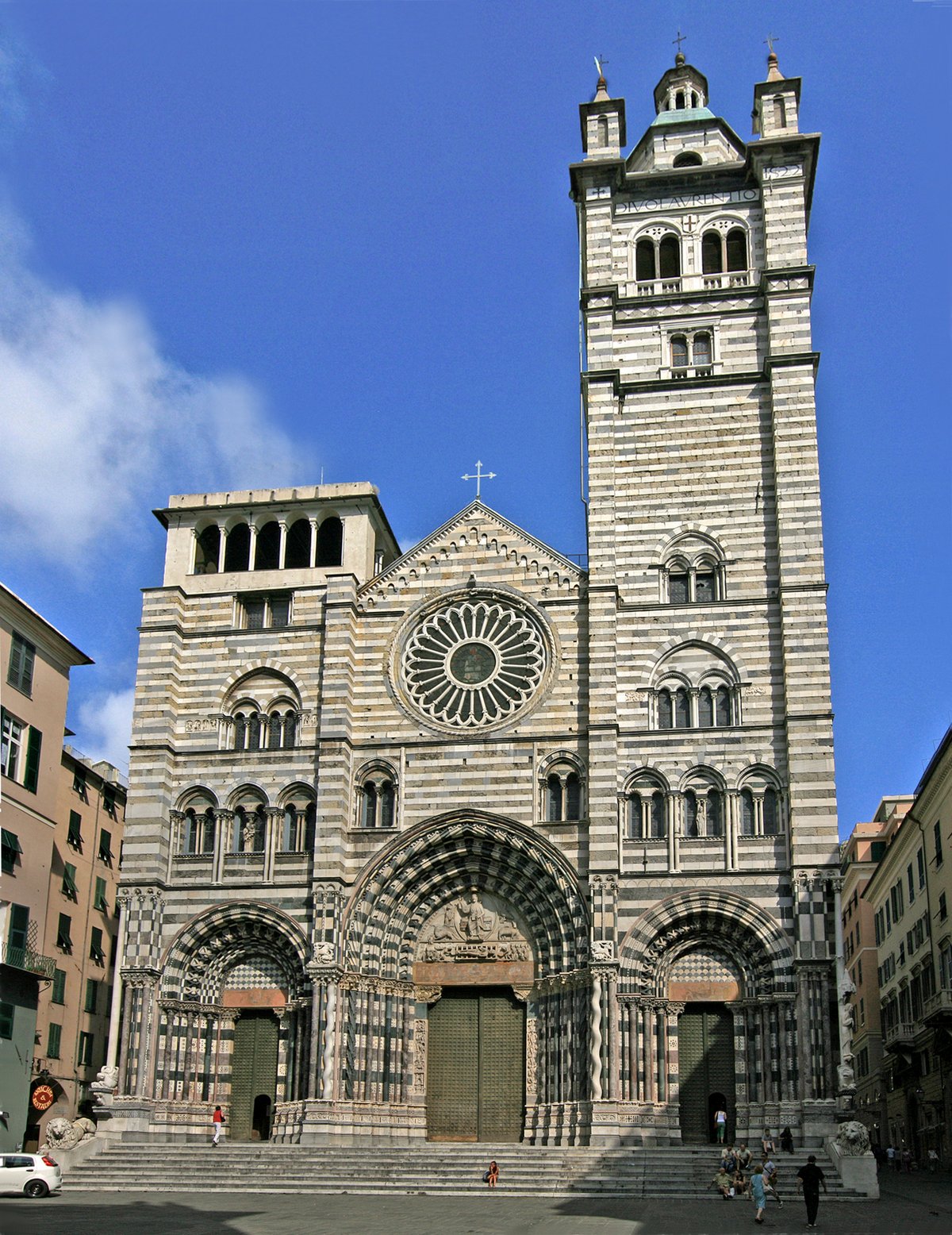 Arriving at Piazza San Lorenzo is a sight to behold: the black and white striped facade of the Cathedral welcomes you with its Gothic style that speaks of the sea and trade. It's not just a church; it's the religious heart of Genoa for almost a thousand years. Upon entering, the first thing you notice is the contrast between the sober exterior and the richly decorated interiors, with side chapels that seem like hidden little treasures. To the left of the entrance, look for the Chapel of Saint John the Baptist: here, the ashes of the city's patron saint were once kept, and although the relics have been moved, the atmosphere remains intense, almost palpable. But the real highlight, the one everyone wants to see, is the Sacro Catino, displayed in the Treasury Museum. That green glass vessel—which legend claims is the Holy Grail—has an incredible history: brought to Genoa after the First Crusade, it has survived bombings and thefts, and today it can be admired behind a bulletproof case. What struck me is how such a mystery-laden object has become a city symbol, almost more so than the Rolli palaces. Climbing the bell tower (when accessible—check beforehand as it's not always open) rewards every step with a view of the ancient port: you can see the Lanterna in the distance and the tangle of caruggi at your feet. A quick tip: also dedicate some time to the crypt, often overlooked. It's lower and more intimate, with columns that seem to emerge from the rock, giving a sense of how deeply this cathedral is rooted in the city's past. Pay attention to the hours: the treasury museum has separate opening times, and on Sunday mornings you might find services in progress. I visited on a Tuesday afternoon, and it was perfect—quiet and filled with light filtering through the stained glass windows.
Cathedral of San Lorenzo
Genoa Lantern
- Go to the page: Genoa Lantern: Historic Lighthouse with Panoramic Views over the Old Port
- Sentiero sterrato del Parco della Lanterna, Genova (GE)
- https://www.museidigenova.it/en/museum-lighthouse-la-lanterna
- Open in Google Maps
- View on Google Images
 If there's one image that represents Genoa, it's the Lantern standing out against the sky, with its unmistakable profile dominating the port. It's not just a lighthouse, but a true symbol of the city, standing 76 meters tall and built in 1543 – although an older tower existed as early as 1128. What strikes you when you arrive is its location: it sits on a rocky promontory, somewhat isolated, and to reach it you must walk along the pedestrian path starting from the ferry terminal, crossing an area that was once industrial and has now been repurposed. The walk itself is part of the experience, with views of the ancient port and cranes that look like sleeping giants. Inside, you take an elevator and then climb the 172 steps to the top – the effort is rewarded by a breathtaking 360-degree panorama: on one side the open sea, on the other the city climbing up the hills, with red roofs and narrow alleys fading into the distance. On the ground floor, there's a small museum that tells the story of the Lantern and the port, with models and artifacts, but in my opinion, the real value lies in viewing it from the outside, perhaps at sunset, when the light reflects on the water and the atmosphere becomes almost magical. Note: access to the terrace is paid, and opening hours vary by season, so it's best to check in advance. Personally, I think it's worth it just for that feeling of being suspended between history and the sea, with the wind carrying the salty smell and the sound of arriving ships. A tip? Bring a camera, because the photos from up there are unforgettable.
Genoa Lantern
Ducal Palace: The Historic Heart of Genoa
- Go to the page: Doge's Palace Genoa: Former Doge's Residence with International Exhibitions and Main Courtyard
- Piazza Giacomo Matteotti, Genova (GE)
- https://www.palazzoducale.genova.it/
- Open in Google Maps
- View on Google Images
 If you're looking for the exact spot where Genoa's history became power, you must step inside the Ducal Palace. It's not just a palace; it's the symbol of the Maritime Republic, the place where the Doges made decisions that influenced the Mediterranean. The first thing that strikes you is its location: it overlooks Piazza De Ferrari, with that fountain that looks like a water mirage amidst the traffic. The building has a layered history: medieval sections, Renaissance renovations, and then that significant restoration in the 1990s that reopened it to the city not as a static museum, but as a living cultural center. Inside, the spaces are enormous. The Hall of the Great Council leaves you breathless with its size: this is where the highest offices of the Republic met. Today, however, it hosts temporary exhibitions of international caliber—I've personally seen photography and contemporary art exhibitions that attract visitors from all over Europe. But that's not all. There are the frescoed loggias overlooking the inner courtyard, perfect for a break in the shade, and the Doge's Chapel, a quiet corner amidst the hustle and bustle. One thing I like is that the palace isn't mummified: there are always activities, meetings, sometimes even artistic installations in the corridors. The bookshop on the ground floor is well-stocked, with publications on Genoese history that you'd struggle to find elsewhere. Pay attention to the hours: always check the website because exhibitions change and sometimes there are closures for setup. My advice? Don't limit yourself to a quick visit. Take the time to explore the less obvious spaces too, like the staircases leading to the upper floors, from which you can glimpse views of the square. It's a place that tells how Genoa, a city of sea and trade, has always known how to unite power and beauty.
Ducal Palace
Palazzo Rosso: A Baroque Jewel in the Heart of Genoa
- Go to the page: Palazzo Rosso Genoa: Van Dyck, Guercino and Panoramic Terrace Over the Rooftops
- Vico Boccanegra, Genova (GE)
- https://www.museidigenova.it/it/palazzo-rosso-0
- Open in Google Maps
- View on Google Images
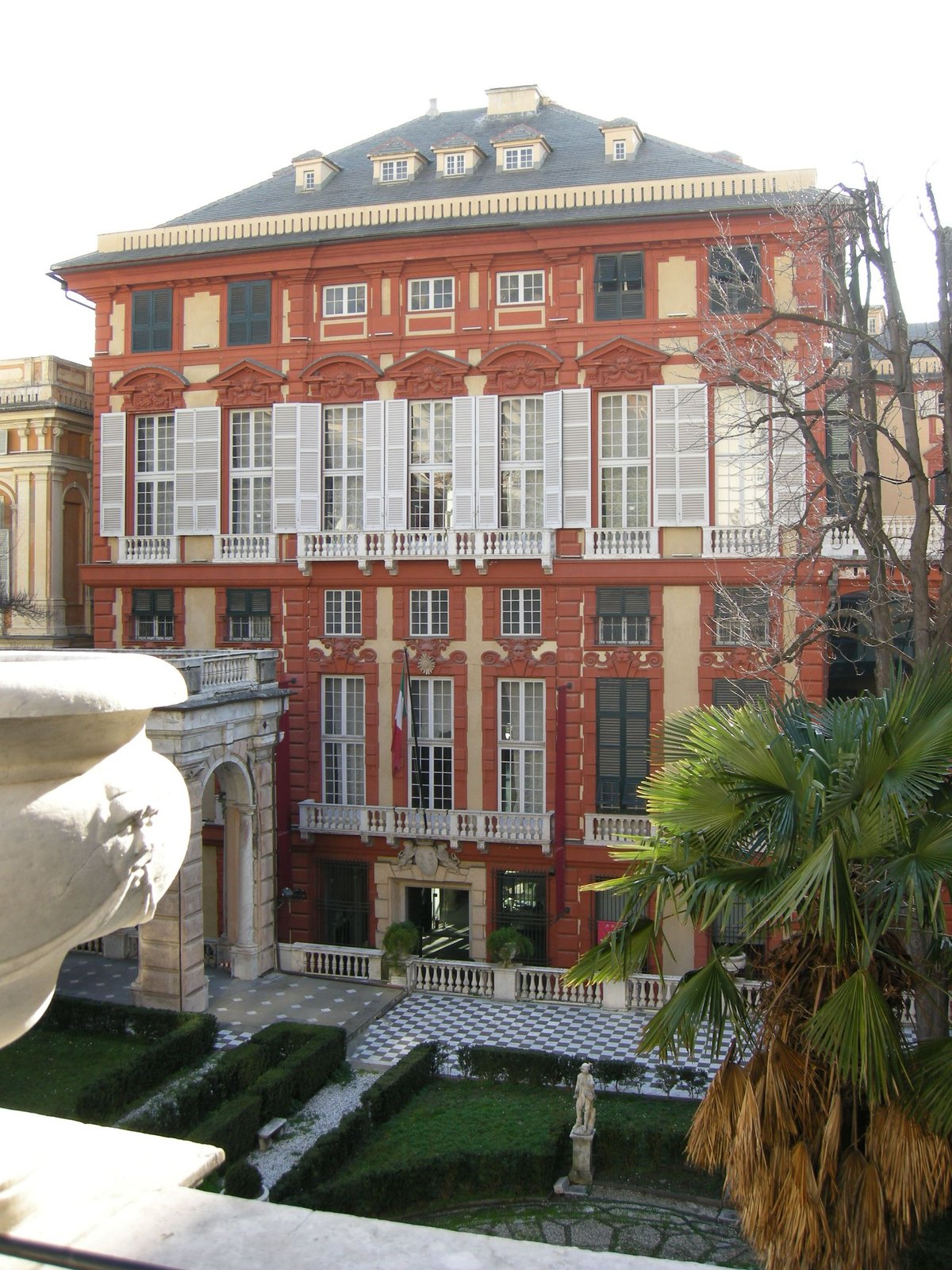 If you think historic palaces are just imposing facades, Palazzo Rosso will change your mind. This 17th-century building, part of the Rolli of Genoa UNESCO World Heritage system, is a true surprise behind every door. As soon as you enter, you're greeted by an atrium that seems straight out of a period film, with majestic staircases and soaring ceilings. But the real treasure is the frescoed rooms: walking through halls like the Gallery of Mirrors or the Veronese Room, you'll feel like a guest of an ancient aristocratic family. The Brignole-Sale family, who lived here for centuries, left behind an extraordinary art collection. Paintings by Van Dyck, Guercino, and Dürer gaze at you from the walls, but what strikes you most is the atmosphere: it's not a cold museum, but a home that breathes history. Personally, I loved getting lost among the family portraits, trying to imagine the parties and receptions that took place in these rooms. And then there's the panoramic terrace: climb to the top and Genoa unfolds at your feet, with the ancient port on one side and the red roofs of the caruggi (narrow alleys) on the other. It's one of those viewpoints that alone makes the visit worthwhile. Note the opening hours: the palace is open year-round, but always check for updates because temporary exhibitions sometimes change access to the rooms. A tip? Take your time to observe the details: the stuccoes, monumental fireplaces, even the original marble floors. It's an experience that helps you understand why Genoa was called 'La Superba' (The Proud).
Palazzo Rosso
Galata Maritime Museum
- Via Francesco Vivaldi, Genova (GE)
- http://www.galatamuseodelmare.it
- Open in Google Maps
- View on Google Images
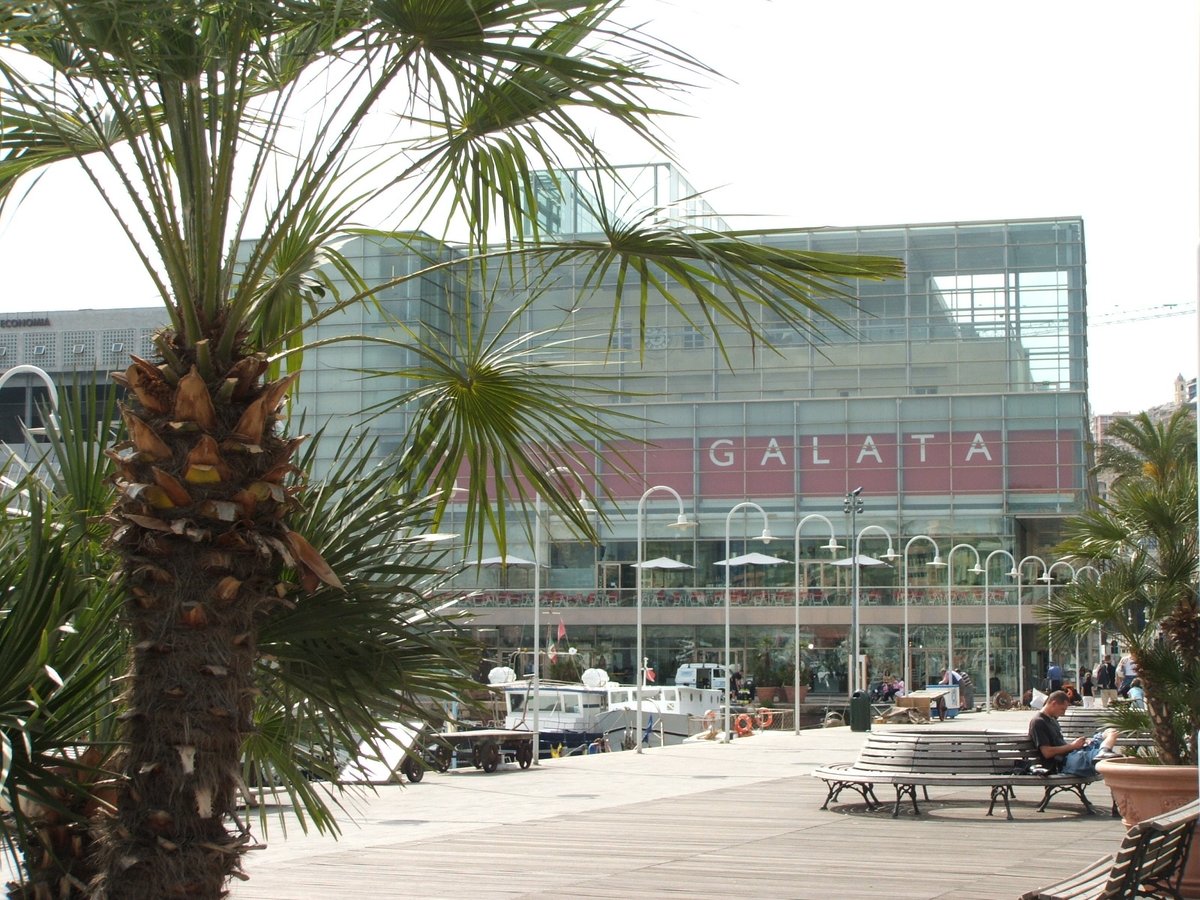 If you think a maritime museum is just a collection of model ships, the Galata will change your mind. This place is an immersive experience that catapults you into Genoa's maritime history, a city that has lived by the sea for centuries. The most impressive feature is the full-scale reconstruction of a 17th-century Genoese galley, where you can board and imagine the life of the rowers. It's not just any reproduction: you truly feel like you're on a ship, with creaking wood and the salty smell in the air. Then there's the section dedicated to Italian migrations, with the reconstruction of a third-class cabin from a 1920s transatlantic liner. You sit there, look at the sea through a virtual porthole, and understand what it meant to depart for America. The route unfolds over four floors, from the Middle Ages to the modern era, with interactive installations that engage children too (yes, there are stations where they can try navigating with a simulator). On the third floor, the section on geographical explorations is fascinating, with ancient maps and nautical instruments that seem straight out of a pirate movie. And don't forget the panoramic terrace: the view of the ancient port is spectacular, especially at sunset. Personally, I found the transatlantic cabin a bit claustrophobic, but that's exactly the point: it makes you feel the emotions of those who actually experienced it. The museum is well-organized, with clear explanations in Italian and English, and even if you're not a ship enthusiast, you'll be struck by the attention to detail. A piece of advice? Dedicate at least a couple of hours, because there's so much to see and touch, and don't rush to leave: that sea outside the window tells stories that come to life inside here.
Galata Maritime Museum
White Palace: A Renaissance Jewel in the Heart of Genoa
- Go to the page: White Palace Genoa: Masterpieces by Caravaggio and Van Dyck in a Rolli Palace
- Via Giuseppe Garibaldi, Genova (GE)
- Open in Google Maps
- View on Google Images
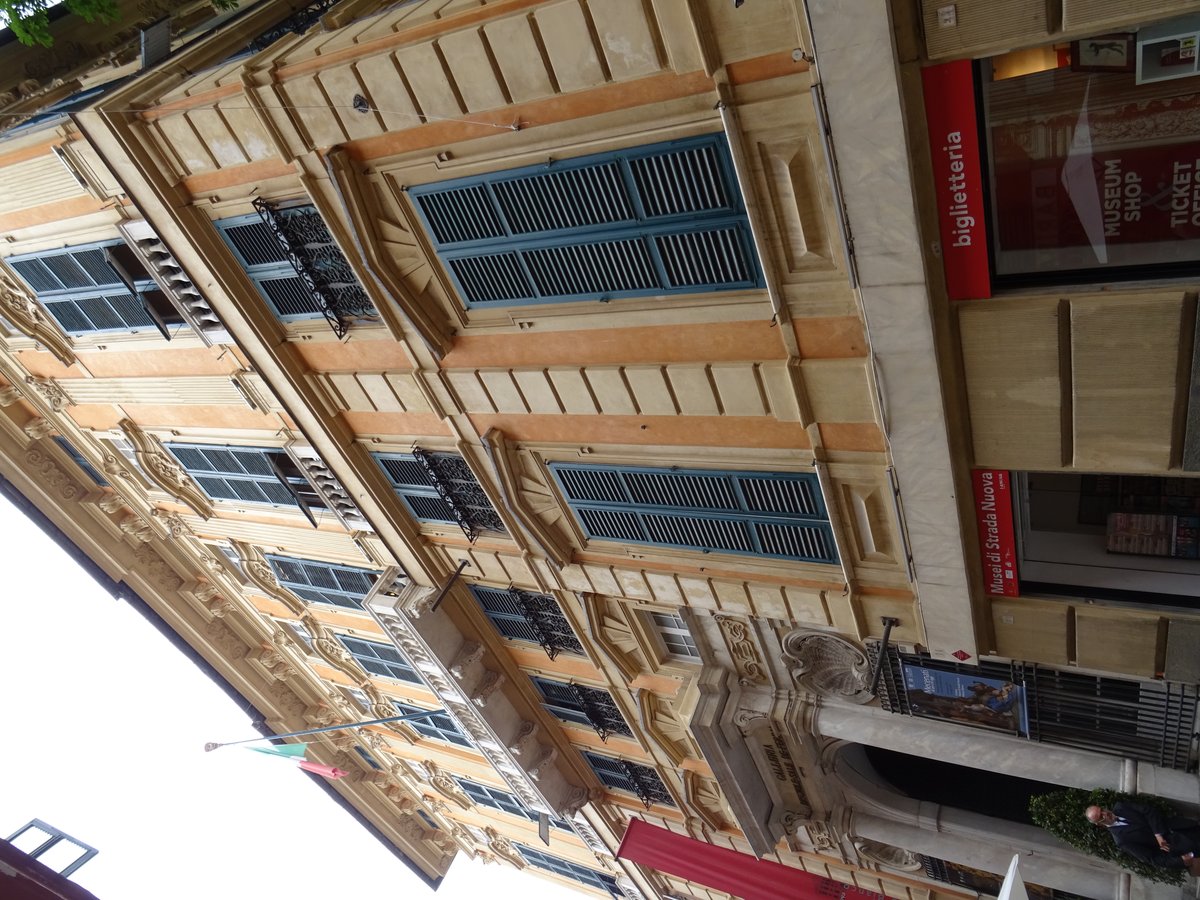 When you think of Genoa, narrow alleys and a bustling port probably come to mind, but there's a corner of Renaissance elegance worth a stop: White Palace. Located on Via Garibaldi, the famous UNESCO-listed Strada Nuova, this 16th-century palace welcomes you with its bright white facade that stands out among the darker buildings on the street. It's not just a historic building, but a true civic museum housing one of Liguria's most important art collections. Upon entering, you're struck by the spiral staircase made of black Promontorio stone, an architectural detail that immediately tells you you're in a special place. The permanent collection is a journey through European painting from the Middle Ages to the 18th century, with works by Flemish artists like Hans Memling and Italian masters such as Caravaggio, Veronese, and Rubens. Personally, I was surprised to find Memling's Portrait of a Young Woman here—a painting so delicate and luminous it seems almost out of place in a seaside city. But that's the beauty of it: Genoa hides unexpected treasures. The rooms are well-lit and organized, with clear explanatory panels that help you navigate without feeling overwhelmed. A tip? Don't miss the section dedicated to 17th-century Genoese painting, with works by Bernardo Strozzi and Giovanni Benedetto Castiglione, which vividly tell the local artistic history. The palace was renovated after World War II by Franco Albini, and it shows: the spaces are modern and functional, yet they respect the historical atmosphere. Sometimes I wonder how they keep everything so perfect, considering the humidity from the nearby sea. Perhaps it's the care Genoese people have for their cultural heritage. After your visit, you can take a stroll in the inner courtyard, an oasis of tranquility where you can rest for a moment before returning to the city's chaos. White Palace isn't just a museum; it's a piece of living history that helps you appreciate Genoa beyond the usual clichés.
White Palace
Doria-Tursi Palace
- Via Giuseppe Garibaldi 9, Genova (GE)
- Open in Google Maps
- View on Google Images
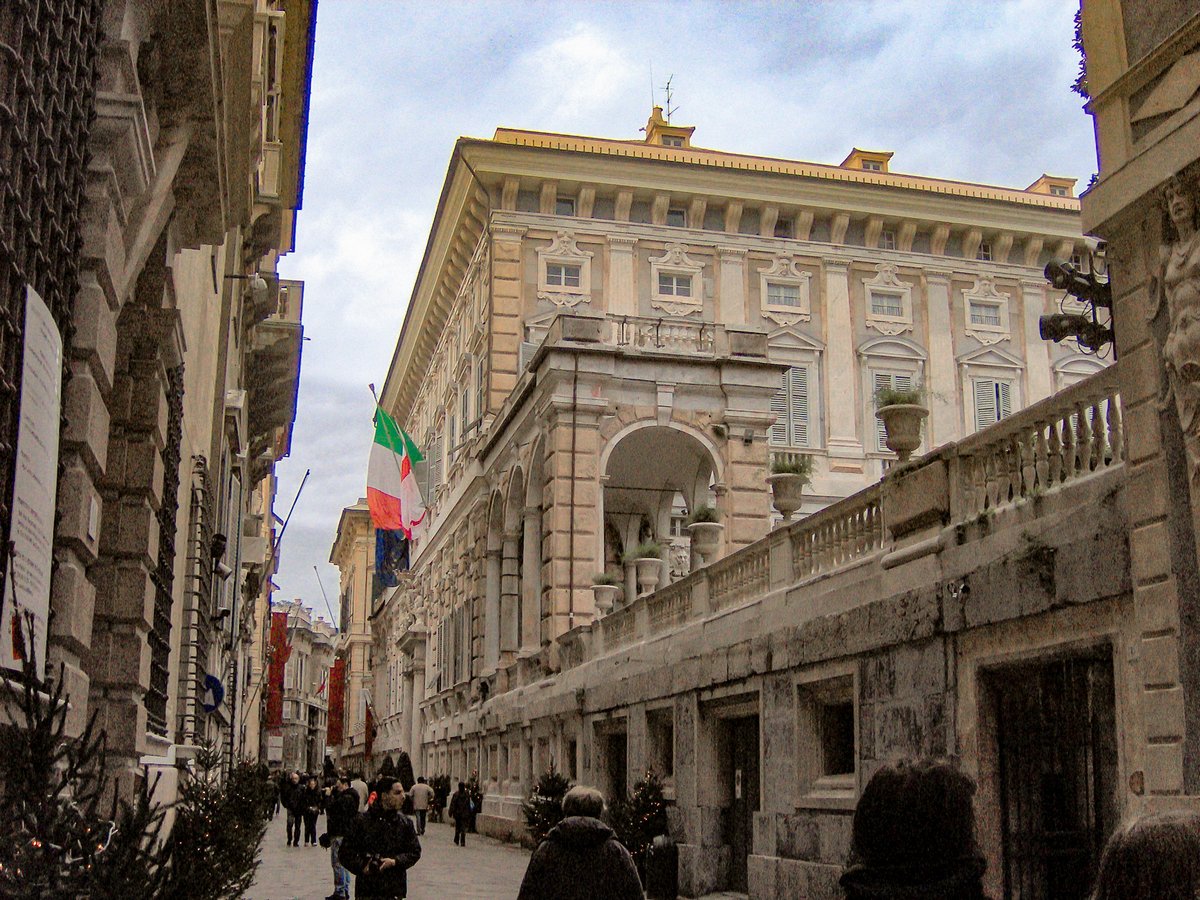 If you stroll along Via Garibaldi, the famous Strada Nuova UNESCO World Heritage site, you can't miss Doria-Tursi Palace. It's the largest of the Rolli Palaces and today, ironically, serves as the Town Hall. Don't be fooled by its institutional appearance: entry is free (during office hours) and it's well worth a look. The façade made of Finale stone is a masterpiece of sober Renaissance elegance, but the real surprises are inside. The Hall of Representation will leave you speechless: frescoes, gilded stuccoes, and a chandelier that seems to weigh a ton. This is where civil weddings are held, and I understand why—the atmosphere is regal. But the highlight, for me, is elsewhere. In a jealously guarded display case, you'll find two Genoese relics: Paganini's violin, the famous 'Cannone', and the urn containing the ashes of the great violinist. Seeing it up close, with the wood grain visible, is a strange emotion for a music enthusiast. Then there's the panoramic loggia at the back. Stepping out from the pompous halls, you suddenly find yourself with a breathtaking view over the rooftops of the historic center and a hint of sea in the distance. A striking contrast that sums up Genoa: the grandeur of its powerful families and the intimacy of its alleyways. Honest advice: check the opening hours before going, because as it's a municipal building, access isn't always guaranteed like in a museum. And don't rush: even just admiring the inner courtyard with its slate well is worth the trip.
Doria-Tursi Palace
Staglieno Monumental Cemetery
- Go to the page: Staglieno Monumental Cemetery: Monteverde's Sculptures and Mazzini's Tombs
- Via delle Banchelle, Genova (GE)
- http://www.cimiterodistaglieno.it/
- Open in Google Maps
- View on Google Images
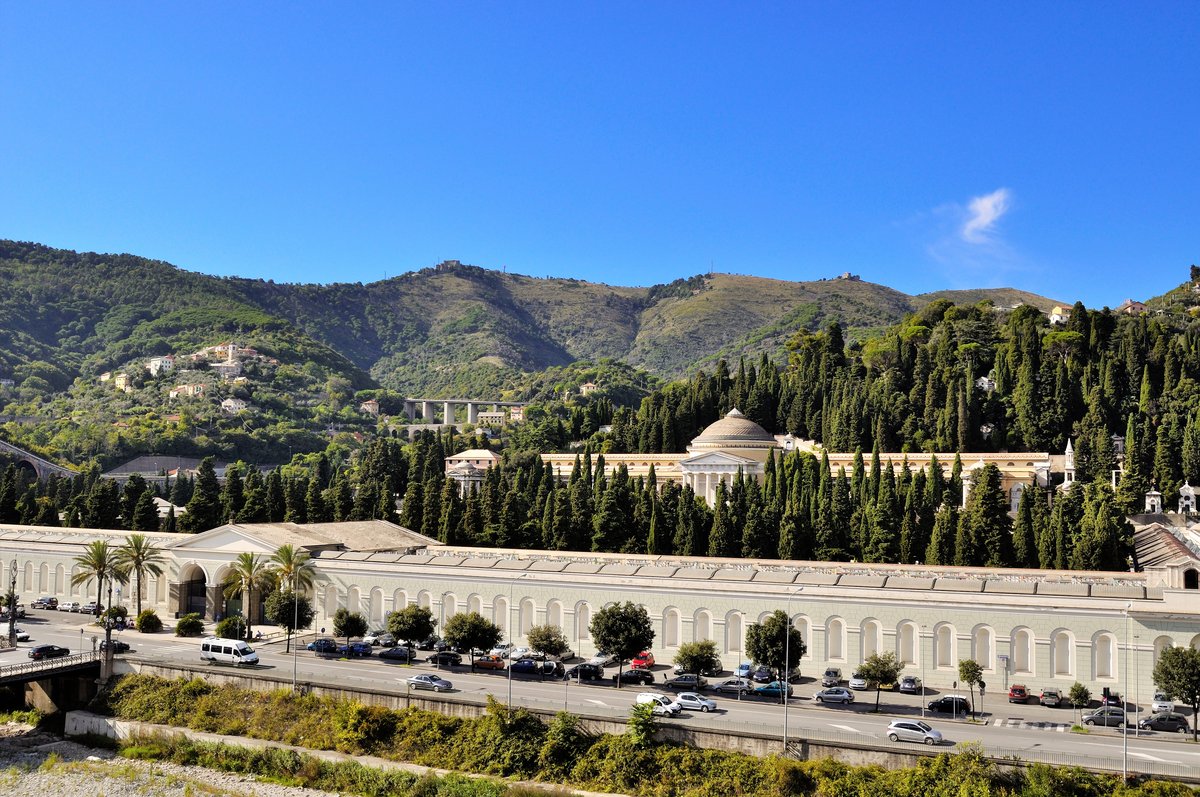 If you think a cemetery is just a place of silence and sadness, Staglieno Monumental Cemetery will change your mind. It's one of those places that strikes you immediately, with its almost theatrical atmosphere and statues that seem to watch you from every corner. It's not just a burial ground, but a true open-air museum, where funerary art reaches incredible heights. Its neoclassical architecture blends with Gothic and Art Nouveau elements, creating a majestic effect that makes you feel small in the face of such beauty. Walking among the tree-lined avenues, among cypresses and magnolias, is a strangely relaxing, almost meditative experience. The graves are not simple headstones, but works of art carved in marble, with angelic, grieving, or pensive figures that tell stories of life and death. One of the most famous statues is that of Caterina Campodonico, the peanut seller immortalized with her characteristic apron, a tribute to common people that makes you smile. Then there's the Pantheon, with its imposing dome and Corinthian columns, which houses the tombs of illustrious Genoese figures. Don't miss the Oneto Tomb, with its sculpture of an angel that seems almost ready to fly away from the marble, a masterpiece of poignant beauty. Sometimes I wonder if it's right to call it a tourist attraction, given its original purpose, but the truth is that here art prevails over everything. It's a place that speaks of memory, but also of human creativity, and perhaps that's why it fascinates so much. Bring a camera, because every corner deserves a shot, but remember to respect the silence and sacredness of the place. Admission is free, and if you want to learn more, there are guided tours that reveal anecdotes and details about the buried families. Personally, I've returned several times, and each time I discover something new, like that tomb with a bas-relief of a ship that reminded me of Genoa's maritime tradition. It's a place that stays with you, a powerful contrast between life and death, softened by the beauty of art.
Staglieno Monumental Cemetery
Nervi Parks: A Green Oasis Between Sea and Historic Villas
- Genova (GE)
- Open in Google Maps
- View on Google Images
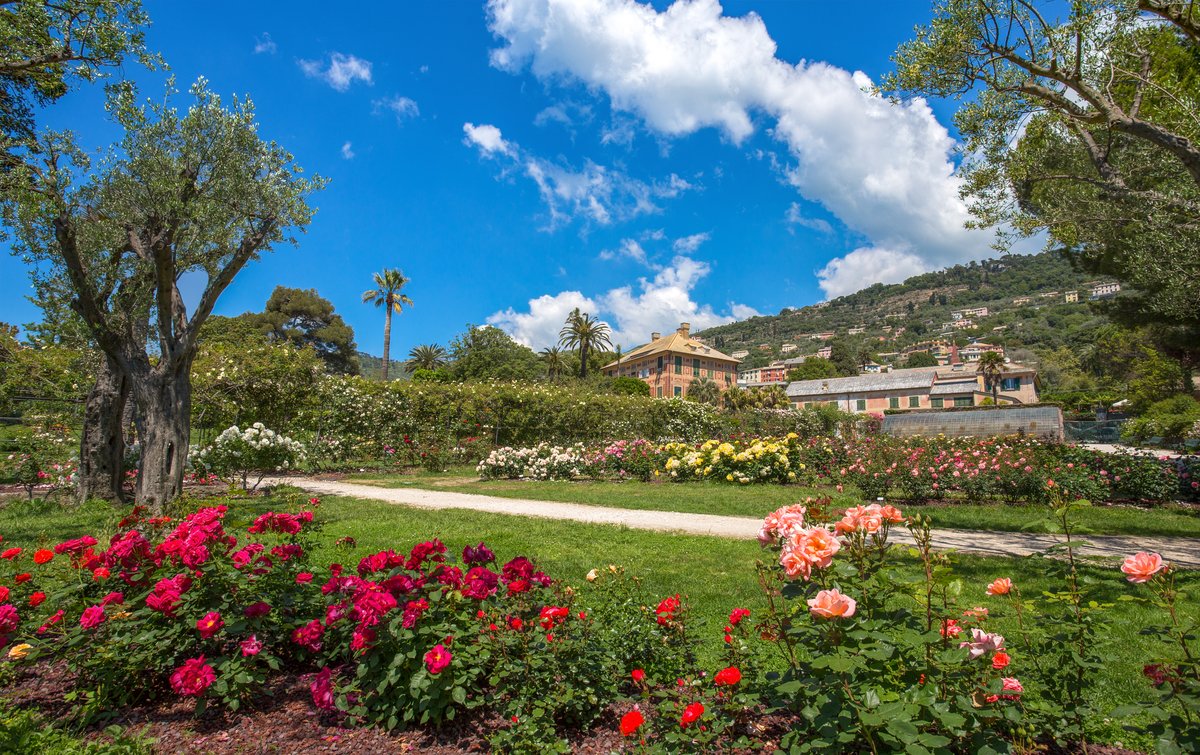 If you're looking for a break from the chaos of Genoa's city center, Nervi Parks are the perfect answer. This isn't just a simple park, but a collection of gardens stretching across about 9 hectares along the coast, connecting three historic villas: Villa Grimaldi, Villa Serra, and Villa Gropallo. The feeling is like stepping into another world, where the noise of traffic fades away, leaving only the sound of the sea crashing against the rocks below. The main path is the Anita Garibaldi, a 2 km-long walkway perched above the sea, offering breathtaking views of the Gulf of Genoa. It's one of those places where you feel like stopping every few steps, perhaps on one of the wooden benches, to gaze at the horizon. Personally, I find the sunset from here simply magical, with the colors of the sky reflecting on the water. Within the parks, the vegetation is lush and varied: palm trees, maritime pines, agaves, and exotic plants create an almost Mediterranean-exotic atmosphere. There are also more formal corners, like the rose garden at Villa Grimaldi, which bursts with colors and scents in spring. The villas often host temporary exhibitions and cultural events, especially in summer, adding an extra touch to the visit. There's also a small pond with swans and ducks, which children always enjoy. A tip? Bring a book or simply come for a leisurely walk: Nervi Parks are best enjoyed at a slow pace, savoring every detail, from the pebble mosaics to the shaded pathways. It's a place that combines nature, history, and that sense of peace that sometimes seems hard to find in Genoa.
Nervi Parks
Villa Durazzo-Pallavicini
- Via Lanzerotto Malocello, Genova (GE)
- Open in Google Maps
- View on Google Images
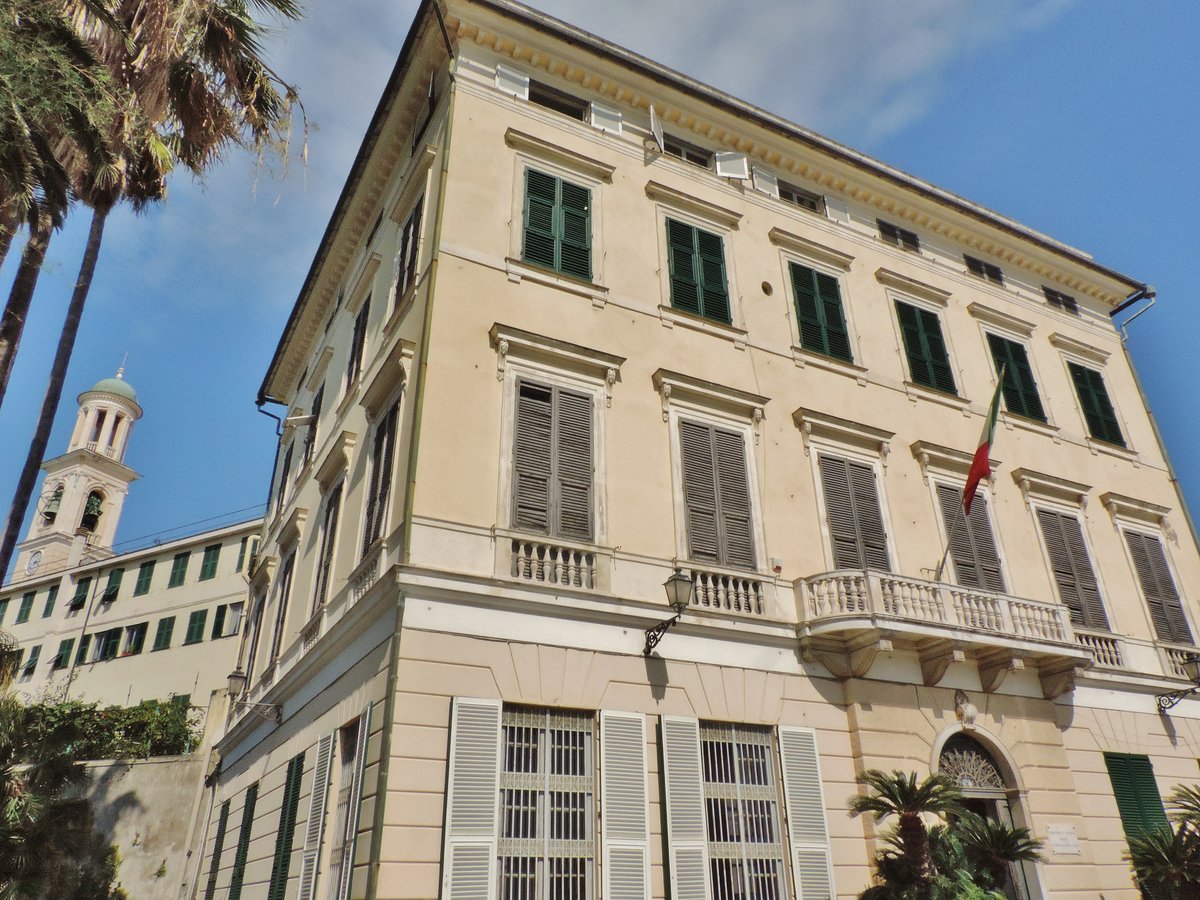 If you think Genoa is only about palaces and narrow alleys, Villa Durazzo-Pallavicini will change your mind. This place is a true hidden gem in the Pegli district, just steps from the sea yet immersed in an atmosphere that feels like it's straight out of a fairy tale. The 19th-century villa, commissioned by Marquis Ignazio Pallavicini, is not just a historic building: it's the heart of a romantic park designed as an initiatory journey, with paths winding through ponds, small temples, and artificial grottoes. Walking among centuries-old magnolias and camellias, I felt like I was in a green theater, where every corner tells a different story. The symbolic route, inspired by the soul's journey, takes you from the 'Forest' to the 'Temple of Flora,' passing by the water lily pond that reflects the sky in an almost magical way. It's not just a garden: it's an experience that engages all the senses, with scents of rare flowers and the sound of water flowing over rocks. The villa itself, now home to the Museum of Ligurian Archaeology, preserves period furnishings and collections worth discovering, but in my opinion, the park is the true star. Note: don't expect a perfectly manicured place. Some areas have a slightly wild feel, which adds charm but requires comfortable shoes. If you visit in spring, you'll find the camellias in bloom; in summer, the shade of the trees offers a cool break from Genoa's heat. A tip? Bring a camera: between wooden bridges and views over the Gulf, great shots are guaranteed.
Villa Durazzo-Pallavicini
Villa del Principe: The Genoese Palace Overlooking the Sea
- Via Andrea Doria, Genova (GE)
- http://www.dopart.it/genova/
- Open in Google Maps
- View on Google Images
- +39 010 255509
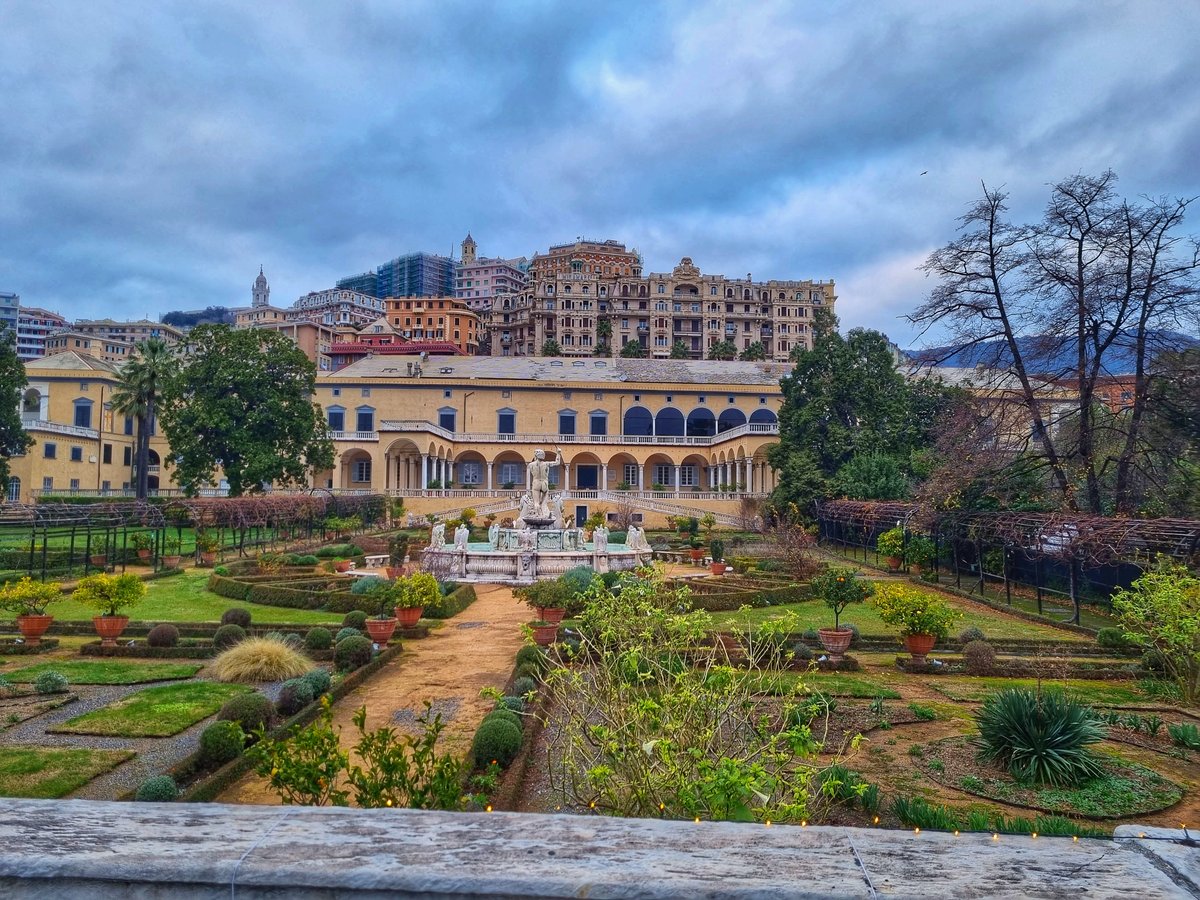 If you think Genoa is just narrow alleys and tight buildings, Villa del Principe will change your mind. This sumptuous Renaissance residence, commissioned by Andrea Doria in the 16th century, stands in a unique location: directly overlooking the port, with a view stretching from the ships to the hills. It's not a palace like the others in the Rolli system; here you breathe a different air, more open, almost like a country villa... but with the sea just steps away. Upon entering, you're struck by the double-ramp ceremonial staircase and especially by the Hall of the Giants, where Perin del Vaga painted frescoes that make you feel very small. The ceilings are a riot of gold and mythological stories, but what I prefer are the details: the monumental fireplaces, the original floors, that mix of power and refinement that only the Doria family could afford. Then there's the park. Or rather, the Italian-style gardens that descend towards the sea, with fountains, statues, and panoramic terraces. It's one of those places where you feel like sitting on a bench and imagining the admiral's receptions. The villa is now a museum, but it doesn't have that glass-case atmosphere: the furniture is original, the rooms retain the look of a lived-in home. A tip? Don't miss the panoramic loggia on the first floor: from there, the view of the gulf is simply spectacular, especially at sunset when the port lights start to come on.
Villa del Principe
Spinola Palace of Pellicceria
- Piazza di Pellicceria, Genova (GE)
- Open in Google Maps
- View on Google Images
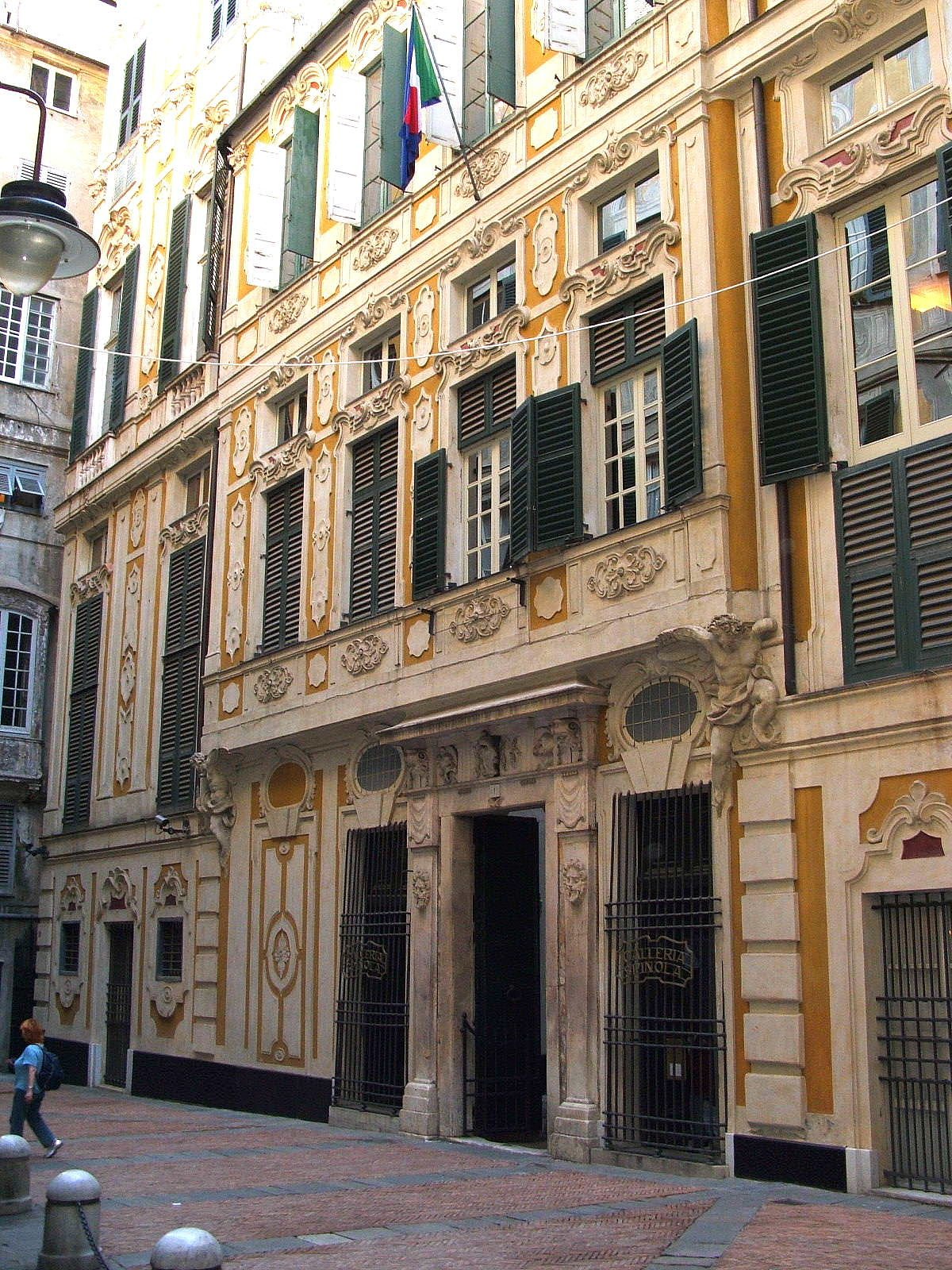 If you think Genoa is just about the port and the caruggi, get ready for a surprise. The Spinola Palace of Pellicceria is one of those places that makes you understand how layered this city's history truly is. Located in Piazza di Pellicceria, a quiet little square right in the historic center, it impresses from the outside: the façade is a perfect example of 16th-century Genoese architecture, with its austere yet elegant style. Entering here isn't like visiting just any museum. It's like stepping back in time into a noble residence that has preserved its charm intact. What struck me the most? The authentic, homely atmosphere. There are no sterile display cases or forced routes. You walk through frescoed halls, rooms furnished with period furniture, and an art collection that will leave you speechless. It's part of the Palazzi dei Rolli, that system of aristocratic residences recognized as a UNESCO World Heritage Site in 2006. And you immediately understand why. The interiors are a triumph of frescoes, stuccoes, and paintings by masters like Anton van Dyck, Bernardo Strozzi, and Luca Giordano. The Hall of Mirrors, in particular, is a masterpiece of elegance. But it's not just about beauty. The Spinola Palace tells the story of a family, the Spinolas, who for centuries played a central role in Genoa's political and economic life. Every object, every painting, seems to have a story to tell. A fascinating detail I discovered: the palace owes its name to the street where it's located, once the center of the fur trade. Today, it houses the National Gallery of Liguria, with a collection spanning from the Middle Ages to the 18th century. My advice is not to rush. Getting lost among these rooms, observing the details of the furnishings, imagining the life that unfolded here centuries ago, is an experience to be savored. It might not be Genoa's most famous landmark, but in my opinion, it's one of the most authentic. A practical tip: always check the opening hours before you go, as they can vary. And if you're an art enthusiast, don't miss the piano nobile (main floor), where the major masterpieces are concentrated.
Spinola Palace of Pellicceria
Biosphere: A Tropical Oasis in the Heart of the Old Port
- Ponte degli Spìnola, Genova (GE)
- Open in Google Maps
- View on Google Images
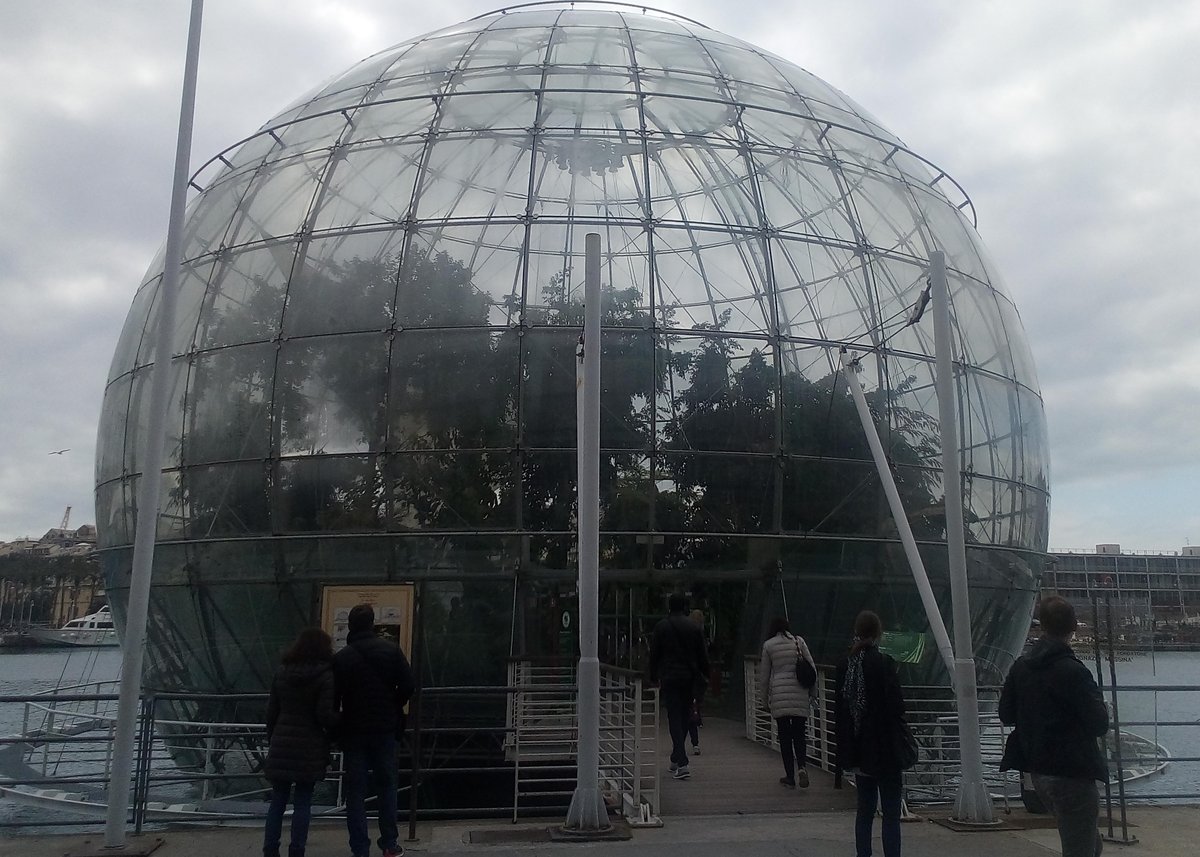 Do you ever dream of a patch of tropical forest while strolling along the sea? In Genoa, you don't have to imagine too hard: the Biosphere is exactly that—a bubble of biodiversity suspended between the Old Port and the blue Mediterranean. You'll recognize it immediately: it's that glass and steel sphere that looks like a giant crystal globe, designed by architect Renzo Piano. Inside, the climate is always warm and humid, perfect for the over 150 species of tropical plants that grow lushly. There are tree ferns that brush the ceiling, climbing plants that creep everywhere, and the air smells of damp earth and fresh vegetation. But it's not just a botanical garden. Among the leaves, if you look carefully, you might spot vibrantly colored parrots, iguanas sunbathing on a branch, or butterflies fluttering freely. The feeling is strange, almost surreal: one step and you're transported from Genoa's asphalt to an equatorial micro-world. Personally, I enjoy watching the red-eared turtles swimming placidly in the central pond, while children stand wide-eyed in front of the chameleons. Be careful, though: in summer, it can get very hot inside, so it's best to visit in the morning or late afternoon. And don't expect a long experience: in half an hour, an hour at most, you've seen everything, but it's that contrast between the industrial port and this green oasis that makes it unique. Some find it a bit small, but in my opinion, it's precisely its compact size that creates that intimate and magical atmosphere. A tip: take advantage of it for a refreshing break during your visit to the Old Port, perhaps combining it with the nearby Genoa Aquarium for a full immersion in nature, albeit of very different kinds.
Biosphere
Castello D'Albertis: A Journey Through Exotic Collections and Breathtaking Views
- Via di Montegalletto, Genova (GE)
- Open in Google Maps
- View on Google Images
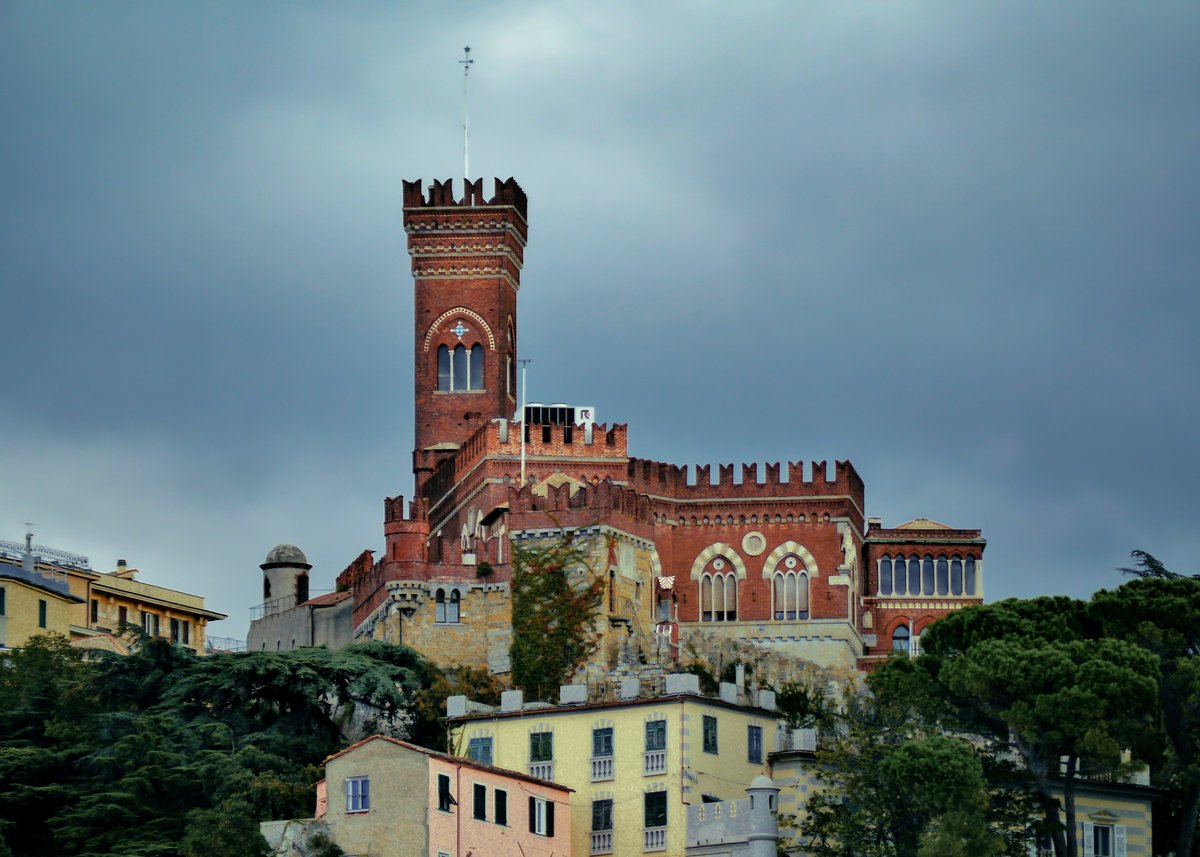 If you're thinking of a medieval castle, Castello D'Albertis might surprise you: it's an eclectic mix of styles, built in the late 19th century by Captain Enrico Alberto D'Albertis, a true Genoese explorer. The location is spectacular, perched on the hill of Montegalletto, with a view stretching from the ancient port to the open sea. Upon entering, you're greeted by a unique atmosphere: it's not just a museum, but the home-museum of a passionate traveler. The rooms are filled with objects collected during his journeys around the world, from the Americas to Oceania, such as musical instruments, weapons, and ethnographic artifacts. I was struck by the collection of ship models, which vividly tells the maritime history of Genoa. There's also a section dedicated to Liguria, with local archaeological finds that add a touch of roots. The surrounding garden, with exotic plants, is perfect for a quiet break, away from the crowds of the city center. I recommend climbing the tower: the panoramic view of Genoa and its gulf is worth the visit alone, especially at sunset when the colors come alive. Note: the castle is open year-round, but check the hours as they may vary. For me, it's a place that combines history, curiosity, and beauty, ideal for those seeking something different from the usual tourist itineraries.
Castello D'Albertis