Introduction
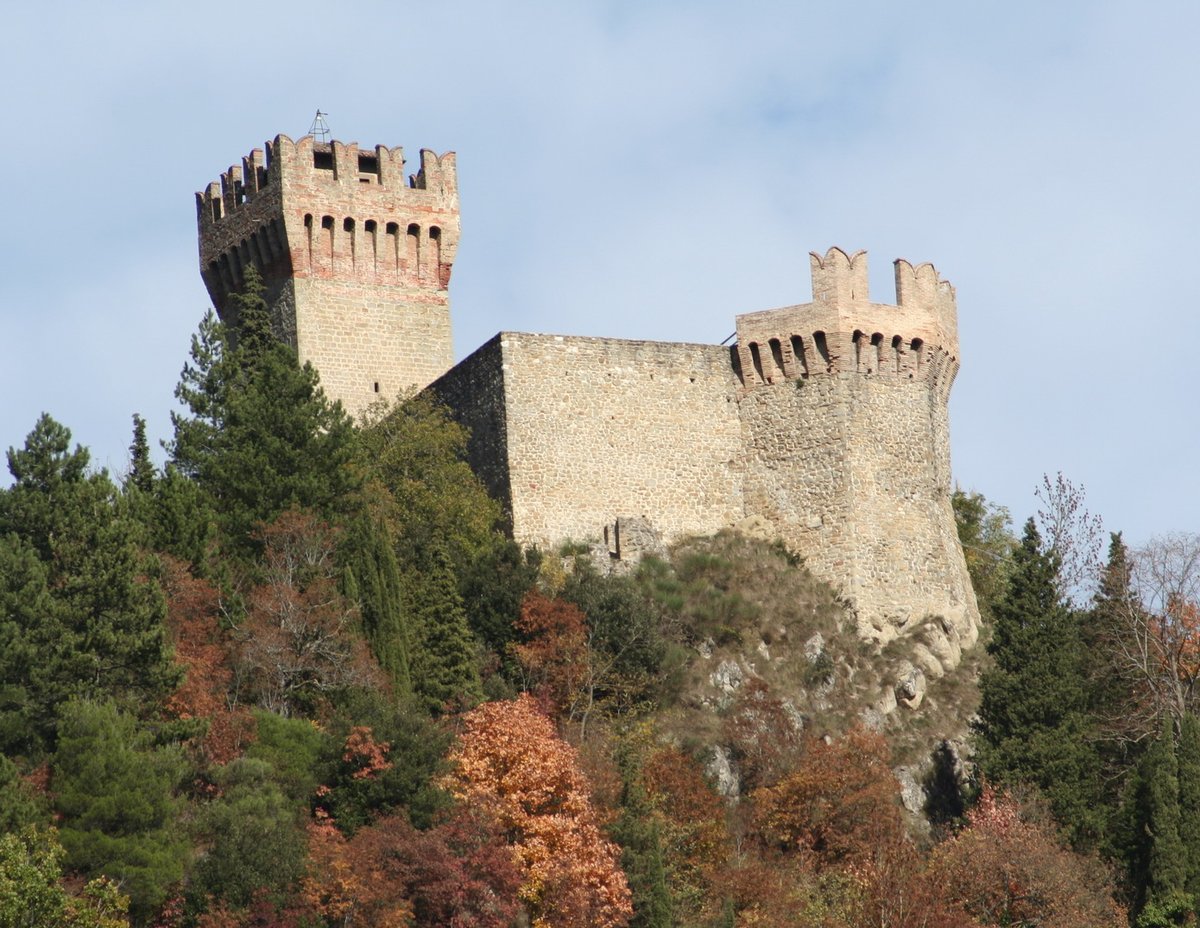
The Rocca of Arquata del Tronto is not just a fortress; it is a stone guardian watching over the highest medieval village in the Marche region. Upon arrival, the view takes your breath away: this massive structure, with its towers seemingly challenging the sky, dominates a landscape of wild mountains and deep valleys. I felt small, yet part of something ancient and resilient. The fortress has withstood earthquakes, wars, centuries of history, and still stands today, almost as a reminder that beauty can be tough, but it never breaks. This is not a place to rush through: here, time seems to flow differently, among the wind-worn stones and the panoramic views embracing the Sibillini Mountains. If you’re looking for a place that makes you feel far from everything, yet deeply connected to the history of these lands, you’re in the right spot.
Historical Overview
The history of the Rocca is a tapestry of power and resilience. The earliest traces date back to the 10th-11th centuries, but the structure we see today is primarily
13th-century, commissioned by the powerful Ascoli family to control the salt and grain routes to the Kingdom of Naples. It later came under the dominion of the Church, becoming a strategic outpost of the Papal States. Imagine that in 1557, it withstood the siege by Spanish troops! But its greatest test came recently: the 2016 earthquakes severely damaged it, rendering it inaccessible for years. Today, after significant consolidation and restoration work (still ongoing in some parts), it has reopened to the public. It’s a story of falls and rebirths, written in stone.
- 10th-11th centuries: First fortifications.
- 13th century: Reconstruction and expansion under the Ascoli family.
- 1557: Withstands the Spanish siege.
- 2016: Severe damage from the earthquake.
- Today: Reopening after consolidation.
Climbing the Towers
The most exciting part of the visit? Climbing to the top of the main tower. It’s not a casual stroll – the stairs are steep, made of stone, and in some places the passage is narrow – but it’s absolutely worth it. Once at the top, the view is simply breathtaking. A 360-degree panorama opens up to the peaks of the Sibillini Mountains, with Mount Vettore appearing within arm’s reach, and the Tronto valley winding its way toward the sea. From this same vantage point, the soldiers on guard once monitored movements for miles around. You’ll appreciate the strategic genius of the location. Bring a jacket, even in summer: the wind blows fiercely up there, making you truly feel on top of the world. It’s a physical experience, not just a visual one.
The Village at Its Feet
A visit to the Rocca isn’t complete without a stroll through the village of Arquata clinging to its base. It’s a labyrinth of cobblestone alleys, stone houses with ancient arches and doorways, and an atmosphere suspended in time. From the fortress, it feels close enough to touch. Descending, you quickly leave any crowds behind (if there are any) and find yourself in quiet, amid the scent of geraniums at the windows. Look for the Church of Santa Maria Assunta, simple yet charming in its own way, and observe the details of the buildings: many still bear the marks of the earthquake, a raw but necessary reminder. The contrast is striking: the majesty of the fortress above and the resilient daily life of the village below. They are two sides of the same coin, both to be discovered at a leisurely pace.
Why Visit It
For three concrete reasons. First: the views are among the most beautiful in the Marche hinterland, a living postcard of the Sibillini Mountains that you won’t forget. Second: it’s an open-air lesson in history and resilience; seeing how the fortress and the village are being reborn after the earthquake is moving and inspiring. Third, perhaps the most practical: it’s still an authentic place, not too overrun by mass tourism. You can enjoy it peacefully, without endless queues or pre-packaged tours. It’s an experience for curious travelers, not for hurried tourists.
When to Go
Avoid the midday hours during summer days—it gets scorching hot, and the light is too flat for photos. The magical moment? Late autumn afternoon, when the low sun casts a golden glow on the fortress stones and the mountains light up in red and orange. The atmosphere is incredible, almost mystical. A clear winter day, with a bit of snow on the peaks of the Sibillini Mountains, also offers unforgettable views. In spring, the valley is green and blooming, but watch out for sudden thunderstorms rolling in from the coast.
In the Surroundings
If the fortress has enchanted you with its panoramic views, don’t miss a walk in the Sibillini Mountains National Park, literally just around the corner. Trails for all levels lead you into the heart of this wild nature, through beech forests, flower-filled meadows, and legends of fairies. For a total contrast, head down to the coast and make a stop in Ascoli Piceno, the city of travertine. Its Renaissance historic center, with Piazza del Popolo and the local olives, is another fascinating side of this province.