Casertavecchia: Norman Cathedral from 1129 and Medieval Alleys on the Tifatini Mountains

Casertavecchia is a perfectly preserved medieval village perched on the Tifatini Mountains, founded in the 8th century as a refuge from Saracen raids. The Norman cathedral from 1153 blends Romanesque, Arab, and Byzantine elements with repurposed Roman columns and 14th-century frescoes. The cobblestone alleys lead to natural viewpoints with panoramas over the plain all the way to Mount Vesuvius.

  • Cathedral of Saint Michael the Archangel with Norman-Arab architecture and carved capitals
  • Medieval cobblestone alleys with tuff houses and flower-filled balconies
  • Panoramic view over the Campanian plain from the Belvedere, especially at sunset
  • Falconi Tower and medieval well in the village square

Copertina itinerario Casertavecchia: Norman Cathedral from 1129 and Medieval Alleys on the Tifatini Mountains
A medieval village at 400 meters above sea level with a Norman cathedral from 1153, Arabesque arches, and cobblestone alleys. Admire repurposed Roman columns, the 13th-century marble pulpit, and the view over the Campanian plain from the Belvedere.

Good to know


Introduction

Climbing up to Casertavecchia is like stepping into a time machine. This medieval village, perched 400 meters high on the Tifatini Mountains, welcomes you with its stone-paved alleys, pointed arches, and tuff houses that seem suspended in time. The most striking view comes from the main square, dominated by the Norman cathedral with its breathtaking bell tower. It’s not just a place to photograph: here you breathe history, silence, and an atmosphere that makes you forget the city below. The village is small but intense, perfect for a visit that combines art, history, and unique views over the Campanian plain.

Historical Overview

The origins of Casertavecchia date back to the 8th century, when it was founded as a refuge from Saracen raids. Its peak of splendor came with the Normans in the 11th century, who made it an important administrative and religious center. It was under Roger II of Sicily that the cathedral was built, consecrated in 1153. The village remained the heart of the area until the 18th century, when the Bourbons decided to move the capital to the new Caserta, gradually causing its depopulation. Today it is a perfectly preserved gem that tells centuries of dominations and transformations.

  • 8th century: First evidence of the village
  • 1062: Arrival of the Normans
  • 1153: Consecration of the cathedral
  • 1752: Beginning of depopulation with the construction of the Royal Palace
  • 1960: Recognition as a national monument

The Norman Cathedral and Its Secrets

The Cathedral of St. Michael the Archangel is the beating heart of Casertavecchia. Upon entering, you’ll immediately notice the reused Roman and Byzantine columns, masterfully repurposed by the Normans. Take a close look at the capitals: each one tells a different story, with animal figures and Christian symbols. Don’t miss the 13th-century marble pulpit, a true masterpiece of medieval sculpture. The apse preserves traces of 14th-century frescoes that deserve a careful look. The unique feature? The architecture blends Romanesque, Arab, and Byzantine elements, evidence of the diverse cultures that have passed through this land. The light filtering through the single-light windows creates evocative plays, especially in the early afternoon.

Alleyways and Panoramic Views

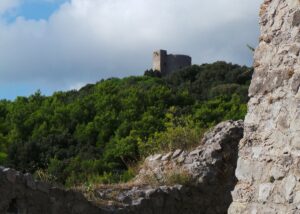
Lose yourself in the narrow, winding alleyways of Casertavecchia: every corner holds a surprise. Start from Via Torre, the main cobblestone street leading to the castle, and explore the side lanes where time seems to have stood still. Look for the small square with the medieval well, a gathering place for locals for centuries. The flower-filled balconies and stone portals of noble houses guide you toward the natural belvederes that suddenly open up between the buildings. From here, your gaze sweeps across the plain all the way to Vesuvius, especially at dusk when the city lights begin to twinkle. It’s here that you understand why this village was once considered impregnable.

Why Visit

Three concrete reasons not to miss Casertavecchia: first, the exceptional preservation of the original medieval layout, rare in Campania. Second, the opportunity to experience firsthand the Norman, Swabian, and Angevin historical layers in one compact location. Third, the unique contrast between the ancient village and the view over modern Caserta, which makes the experience even more meaningful. Plus, unlike other more touristy villages, here you still find authenticity and tranquility, perfect for a rejuvenating break.

When to Go

The best time to visit Casertavecchia is in the late afternoon, when the setting sun bathes the cathedral stones in golden light and day-trippers are heading back. Avoid August weekends if you’re seeking tranquility. In late spring or early autumn, the weather is perfect for enjoying the alleyways without summer humidity or winter rains. The colors of the vegetation on the Tifatini Mountains during these seasons create spectacular backdrops for your photos.

In the Surroundings

Complete your medieval experience with a visit to Limatola Castle, just a half-hour drive away, perfectly restored and hosting themed events. For a fascinating historical contrast, head down to the Royal Palace of Caserta with its magnificent gardens: from the Norman village to Bourbon Baroque in just a few kilometers. If you love spiritual journeys, the Sanctuary of Saint Michael at Sant’Angelo in Formis offers Byzantine frescoes of rare beauty.

💡 Did You Know…?

Legend has it that the cathedral was built in one night by angels. In reality, the Lombards founded the village in 861 AD, later taken over by the Normans. The bell tower, 32 meters high, was completed in 1234. Fun fact: the village was gradually abandoned after 1752, when Charles of Bourbon decided to build the new Caserta at the foot of the hill, leaving Casertavecchia as a jewel suspended in time.