Imago Museum: A Contemporary Oasis in the Heart of Pescara
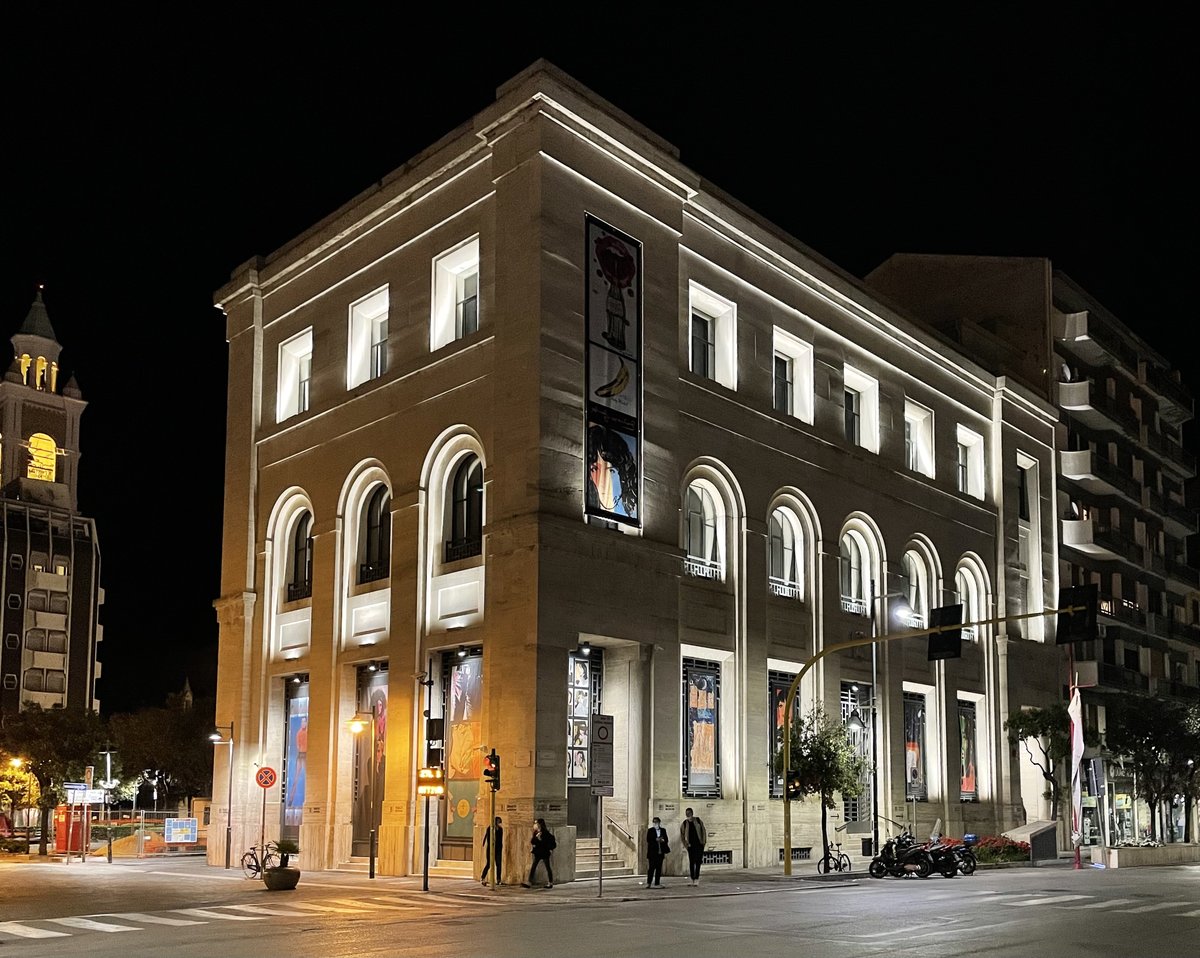
You expect a museum and find an experience. The Imago Museum is not just an exhibition space; it’s an unexpected dialogue between modern architecture and the historic urban fabric of Pescara. It’s located right in the city center, just steps from Corso Umberto I, but crossing the threshold makes you forget the city’s buzz. The light filtering through the large windows and the spacious, minimalist areas create a suspended, almost meditative atmosphere. I was immediately struck by how this place manages to be contemporary without feeling cold, welcoming without being banal. It’s the perfect place to disconnect, even just for an hour, and let yourself be carried away by often surprising artistic visions.
Historical Background: From Bank to Museum
The history of the Imago Museum is recent yet significant. The building that now hosts exhibitions was once a branch of the
Cassa di Risparmio della Provincia dell’Aquila, a piece of local financial history. The turning point came in 2019, when the Pescarabruzzo Foundation, a banking institution deeply rooted in the territory, decided to transform it into a hub for contemporary art. This was not a random choice: it was a precise cultural investment aimed at bringing international artistic languages to a city often primarily associated with the sea and nightlife. The timeline tells a story of rapid and decisive transformation.
- Until 2018: The building served as a bank branch.
- 2019: The Pescarabruzzo Foundation began converting it into a museum.
- 2020: The Imago Museum opened to the public, despite the challenging pandemic period.
- Today: It has established itself as a reference point for high-level temporary exhibitions, often dedicated to renowned Italian and international artists.
The Exhibitions: Always Different, Never Predictable
You won’t find a permanent collection here. The real driving force of Imago is the temporary exhibitions, which change on a regular basis. I visited a solo exhibition dedicated to a German conceptual photographer and, months later, a group show of young Abruzzo painters. The programming is carefully curated, sometimes experimental, and ranges from painting to sculpture, photography to multimedia installations. The beauty is that you never know what to expect. The spaces, spread across multiple floors, adapt each time to the needs of the artworks. I recommend checking the website before you go to see what’s currently on. The impression is that the organizers aim to balance nationally recognized names with more research-oriented proposals, always offering a fresh perspective.
The Atmosphere: Light, Space, and Silence
Beyond the artworks themselves, what struck me was the environment. The layout is minimalist, designed not to distract. The white walls and gray resin floors provide a neutral backdrop for the creations on display. But it’s the natural light that truly takes center stage in many rooms. You enter a space, and the lighting completely shifts the mood of the piece. On a sunny day, the rays streaming in create dynamic shadow play on the sculptures. On a cloudy afternoon, the light becomes more diffuse and melancholic. It’s a detail you might not notice at first, but it makes each visit unique. Even the staircase connecting the floors, with its exposed iron and concrete structure, seems part of the installation. A place where the architecture itself converses with the art.
Why Visit (Beyond the Art)
First: admission is free on the first Thursday of every month. A smart policy that welcomes everyone, without economic barriers. Second: the location. It’s right in the city center, so you can combine your museum visit with shopping along Corso, an aperitif at one of the local spots, or a stroll to Ponte del Mare. Third: the flexibility. Opening hours are generous (usually Tuesday through Sunday, with evening hours during certain periods) and allow you to fit this cultural stop into your travel itinerary stress-free. It’s not a museum that requires half a day: in an hour or two, you can enjoy it at a leisurely pace, which is just the right rhythm.
When to go: my recommendation
I would avoid the peak hours on Saturday afternoons when the city center is most crowded. The best time? A weekday morning, perhaps on Wednesday or Thursday. The light is often beautiful, streaming into the rooms, and you’ll find the museum almost to yourself, in a perfect silence for observing the artworks. In winter, when it’s cold and perhaps rainy outside, it’s an ideal refuge—warm and well-lit. In summer, it’s a cool and stimulating break from the heat and the beach. An evening visit, when it’s open, has its own special charm: the atmosphere becomes more intimate, and upon leaving, you’ll find yourself in the heart of Pescara already lively for dinner.
In the Surroundings: To Continue Exploring
After leaving the Imago, you have two interesting thematic options just a few steps away. If art has piqued your interest, head to the Vittoria Colonna Modern Art Gallery, also in the city center. It’s more traditional, with a permanent collection of 20th-century Italian painting, and completes the city’s artistic picture. If instead you want a total contrast, take a walk to the Pineta Dannunziana Nature Reserve. It’s a huge green lung right by the sea, with shaded trails among Aleppo pines. Moving from contemporary art to the scent of resin in just a few minutes is an experience that only Pescara can offer you.