Introduction
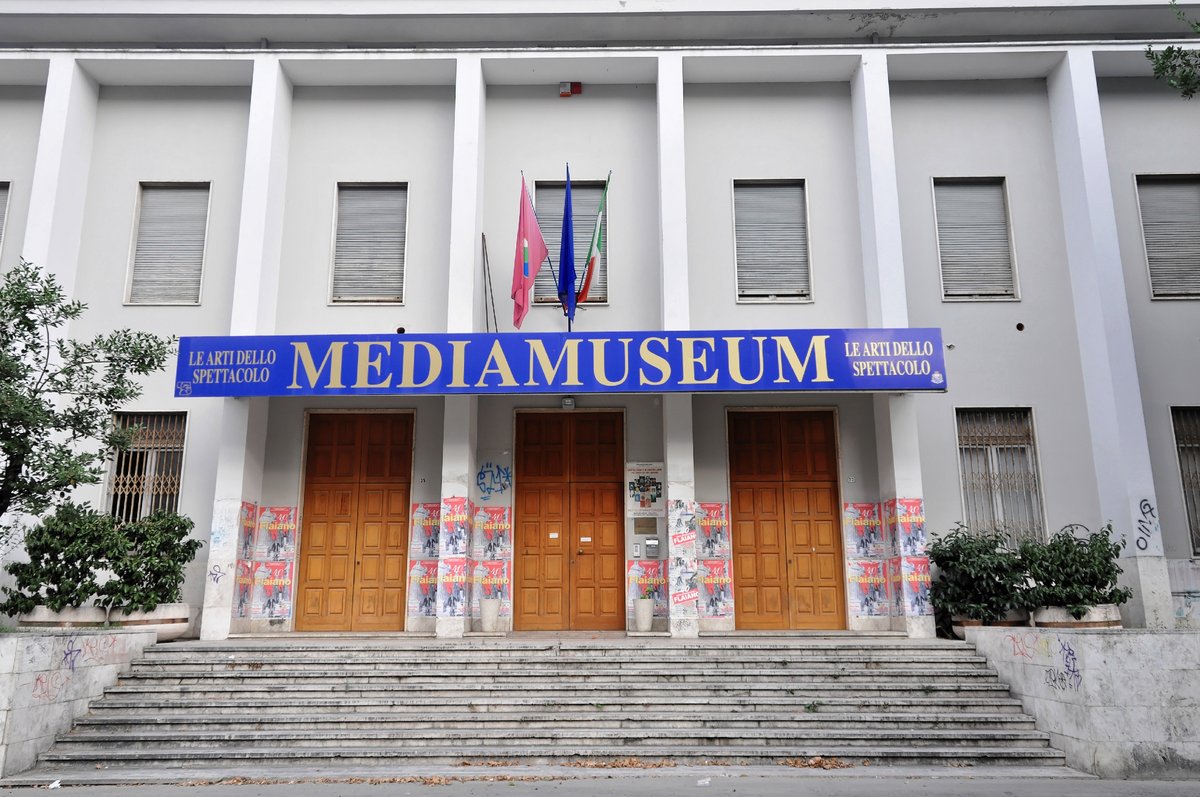
Entering the MediaMuseum in Pescara is like taking a leap through time, but with a touch of the future. This isn’t your typical dusty museum: here you touch, listen, and interact with the history of communication. I was immediately struck by the atmosphere: a mix of perfectly preserved vintage radios alongside multimedia installations that make you feel part of the technological evolution. Located right in the city center, in a renovated historic building, it almost seems like an intentional contrast between traditional architecture and innovative content. The feeling is that of exploring a living place, where every object tells a story that goes beyond mere display. Perfect for those seeking a cultural experience different from the usual round of churches and monuments.
Historical Overview
The MediaMuseum was established in 2006 from an idea by the Center for Mass Communication Studies at the University of Chieti-Pescara, with the aim of preserving the memory of Italian media. It’s no coincidence that it’s located in Pescara: the city has a historical connection to radio broadcasting, having been the site of important experiments in the 1930s. The collection has expanded over time thanks to donations from individuals and institutions, becoming a reference point for enthusiasts and researchers.
The concise timeline helps understand its evolution:
- 1930s: first radio experiments in Pescara
- 2006: museum inauguration
- 2010: expansion with television section
- Today: over 500 items including radios, TVs, and multimedia devices
Collections That Speak
What truly captivated me were the still-functioning radios from the 1950s, with knobs that look like they came straight out of a black-and-white film. They’re not just display pieces: at some stations, you can listen to historical broadcasts, like speeches by De Gasperi or football matches narrated by Nicolò Carosio. Then there are the televisions, from the earliest valve models to transistor sets, telling the story of how our way of seeing the world has changed. One section is dedicated to storage media: from wax cylinders to CDs, including the audio cassettes many of us used in our youth. It’s a journey through collective memory, with a touch of nostalgia that never hurts.
Boundless Interactivity
The beauty of the MediaMuseum is that you don’t just look: here you can create your own newscast in a virtual studio, experiment with vintage audio mixers, or play with the first consoles from the ’80s. I tried recording a voice on a reel-to-reel tape recorder, and I must say the effect is surprising, almost magical. The multimedia installations are intuitive, suitable even for those who aren’t tech experts. There’s an area dedicated to augmented reality where you can see how the first computers worked, with those punch cards that now seem like relics. The approach is light, almost playful, but behind it lies serious research that you can feel in every detail.
Why Visit It
Three concrete reasons not to miss it: first, it’s one of the few museums in Italy dedicated exclusively to communication, with a collection spanning from telegraphy to digital. Second, the interactive approach makes it suitable for all ages: children enjoy the multimedia stations, adults rediscover pieces of their own history. Third, its central location allows you to combine the visit with a tour of Pescara without wasting time on travel. Plus, the staff is available to explain the most curious objects, like that wire recorder that seems straight out of a spy novel.
When to Go
The best time? A winter afternoon, when the warm light filters through the windows of the historic building and creates an intimate atmosphere perfect for immersing yourself in the stories told by the objects. In summer it can be crowded, but if you go early in the morning you’ll find more tranquility. Avoid holiday weekends, when tourists flood the center. Personally, I preferred a rainy day: the sound of rain on the windows seemed to accompany the voices of vintage radios, giving me an almost cinematic experience. There’s no wrong season, but the atmosphere changes quite a bit.
In the Surroundings
After the museum, I recommend two nearby thematic experiences. The first is the Museum of the People of Abruzzo, just a few minutes’ walk away, which completes the picture of regional history with a focus on traditions and daily life. The second is a stroll along the Ponte del Mare, the suspended pedestrian and cycle bridge over the Pescara River: from there, the view of the city is spectacular, especially at sunset. If you’re in the mood for a break, look for one of the historic pastry shops in the center to try Abruzzo’s ferratelle, the typical biscuits that are a simple and authentic delight.