National Archaeological Museum of Paestum: Treasures of Magna Graecia in Capaccio

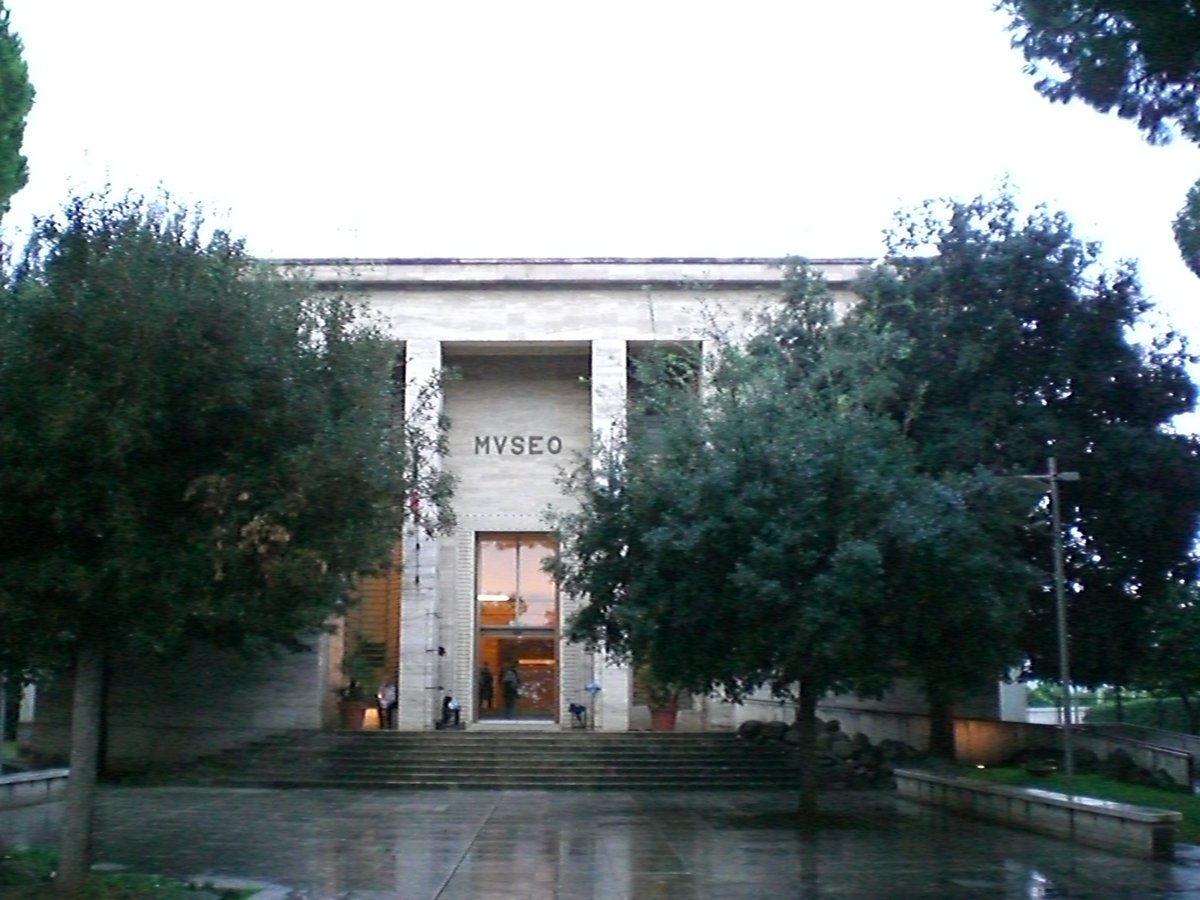
The National Archaeological Museum of Paestum is the ideal starting point to understand the history of the nearby excavations. Here you’ll find the most precious artifacts uncovered in the area, arranged in a chronological journey that takes you from prehistory to the Roman era. The Tomb of the Diver, the only example of Greek painting from the 5th century BC, is the highlight. The metopes from the Temple of Hera showcase the sculptural mastery of ancient Poseidonia. The collection of vases and funerary items tells the story of daily life. The Lucanian frescoes reveal the encounter between different cultures.

Copertina itinerario National Archaeological Museum of Paestum: Treasures of Magna Graecia in Capaccio
The National Archaeological Museum of Paestum houses unique artifacts like the Tomb of the Diver and the metopes from the Temple of Hera. Discover the history of Magna Graecia through vases, frescoes, and sculptures in a journey that complements your visit to the excavations.

Good to know


Introduction

Entering the National Archaeological Museum of Paestum is like taking a leap back in time, but without the dust of the excavations. You are immediately greeted by a modern and well-curated atmosphere, where the artifacts seem to whisper stories to you. The Tomb of the Diver is there, in a dedicated room, and it leaves you breathless: that 5th-century BC fresco of a young man diving into the afterlife is unique in the world. It’s not just a museum; it’s the perfect complement to the visit to the archaeological site, because here the pieces of the Magna Graecia puzzle come together. I lost myself observing the details of the vases, while light filtered through the large windows. An experience that makes you feel closer to a distant civilization, yet incredibly alive.

Historical Overview

Paestum was originally founded as Poseidonia around 600 BC by Greek colonists. It grew into a major power of Magna Graecia, but in 273 BC, Rome arrived and renamed it Paestum. The museum, inaugurated in 1952 and expanded several times, showcases this very layering of history: from Greek sanctuaries to Lucanian necropolises. The metopes from the Temple of Hera, carved in the 6th century BC, are among the highlights, but don’t overlook the funerary assemblages with their painted ceramics that look as if they were made yesterday. A timeline to help you navigate:

  • 600 BC: Foundation of Poseidonia
  • 273 BC: Roman conquest and name change to Paestum
  • 1952: Museum opens
  • 2000s: Renovations and new exhibitions

The Rooms That Speak

The route is well-designed, so you never feel overwhelmed. In the room dedicated to the Hera sanctuary, the metopes stare back at you with mythological reliefs so vivid you almost expect them to move. Then there’s the section on the necropolises, where the casket tomb grave goods stand out, with red-figure vases depicting daily life and beliefs about the afterlife. I adored a small fresco fragment with a female face: it looked so modern, despite the centuries. Pay attention to the labels—they’re clear and keep you from getting lost in technicalities. A tip? Take your time in the bronze statuettes room; they’re small but full of character.

Details That Make the Difference

It’s not just about the artifacts, but how they’re presented. The explanatory panels are brief and direct, without frills, and the lighting highlights every detail. I noticed many visitors lingering in front of the reconstruction of the Temple of Athena, with that model that instantly shows you how it was. Then there are thematic displays on daily life: Roman surgical instruments, coins, even toys. I was struck by a vase with banquet scenes, where the positions of the diners are clearly visible. It’s that mix of the grand and the everyday that makes the museum human, accessible. Sometimes I wonder how they managed to preserve such bright colors.

Why Visit It

First, because the Tomb of the Diver is an absolute masterpiece and seeing it in person is a rare thrill. Second, the museum provides context: after walking among the temples, here you understand how they lived, what they believed, how they traded. Third, it’s intelligently organized, so you never get tired, and each room has something special, from sculptures to ceramics. I found it more engaging than many other archaeological museums, perhaps because of that sense of completeness. And let’s be honest, it’s a great refuge on overly hot or rainy days.

When to Go

Avoid the summer peak hours, when organized groups fill the halls. I prefer the early autumn afternoon, when the light is soft and the atmosphere more tranquil. In spring, on the other hand, the visit pairs perfectly with a stroll through the flowering archaeological site. In winter, the museum is almost all yours, and that silence makes the artifacts even more magical. Once I went early in the morning and it was perfect, but it depends on your rhythm. If you hate crowds, aim for weekdays off-season.

In the Surroundings

After the museum, don’t miss the Paestum archaeological site right next door: the three Doric temples are a sight that never tires. Then, if you want a themed experience, pop into the Bottega del Gusto di Capaccio, where you can sample local products like buffalo mozzarella, perhaps paired with a wine from the nearby Cilento region. It’s a way to take a piece of the territory home with you. Some also recommend the nearby village of Agropoli for a stroll, but I’d focus on this area, so rich in history and flavors.

Itineraries nearby


💡 Did You Know…?

Don’t miss the room dedicated to the Gaudo necropolis, with artifacts dating back to 4000 BC that testify to prehistoric settlements. An often-overlooked detail: observe the Greek and Latin inscriptions on the funerary steles to discover the names and professions of ancient inhabitants. Outside, the garden with typical Mediterranean scrub plants recreates the ancient environment.