
🧭 What to Expect
- Ideal for a cultural weekend between art and history, just a stone's throw from Milan.
- Highlights: Visconti Castle with the Civic Museums, Covered Bridge over the Ticino River and Romanesque basilicas like San Michele Maggiore.
- Includes interactive map with 15 stops, from the Renaissance Cathedral to the 18th-century Botanical Garden.
- Vibrant university life, with museums dedicated to the history of the university and art collections like the Malaspina Picture Gallery.
Events nearby

Pavia is a city that surprises with its historical and architectural richness, capital of the Lombard Kingdom and today a vibrant university hub. The Visconti Castle dominates the center with its Civic Museums, while the Covered Bridge over the Ticino River offers romantic views. The Romanesque basilicas like San Michele Maggiore and San Pietro in Ciel d'Oro, with the tomb of Saint Augustine, are jewels of medieval art. The University, one of the oldest in Italy, enlivens the city with a youthful atmosphere. Pavia perfectly blends past and present, ideal for a cultural weekend.
Overview
- Visconti Castle
- Cathedral of Saint Stephen and Saint Mary of the Assumption
- Basilica of San Michele Maggiore
- Basilica of San Pietro in Ciel d'Oro
- Civic Museums of Pavia
- Covered Bridge
- Church of Santa Maria del Carmine
- Malaspina Picture Gallery
- Pavia Botanical Garden
- Fraschini Theatre
- Museum of the History of the University of Pavia
- San Teodoro
- Natural History Museum
- The Broletto of Pavia
- Civic Tower of Pavia
Itineraries nearby
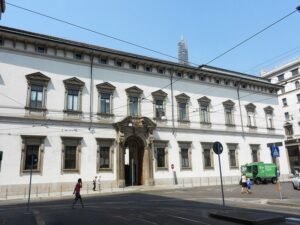
Visconti Castle
- Go to the page: Visconti Castle of Pavia: 1360 Fortress with Civic Museums and Historic Gardens
- Viale Argonne, Pavia (PV)
- Open in Google Maps
- View on Google Images
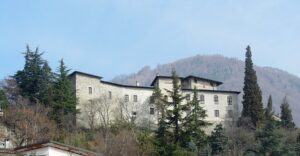
 The Visconti Castle of Pavia is one of the city's most fascinating symbols, built in 1360 at the behest of Galeazzo II Visconti. This imposing red-brick building welcomes you with its corner towers and large inner courtyard, once the stage for Visconti court festivities and tournaments. Today it houses the Civic Museums of Pavia, where you can admire collections ranging from Roman and Lombard archaeology to Renaissance painting, with works by masters such as Vincenzo Foppa and Bernardino Luini. Don't miss the section dedicated to the wooden model of Pavia Cathedral, a masterpiece of craftsmanship showing how the cathedral should have looked according to the original design. The castle is surrounded by a vast park, perfect for a relaxing break after your visit. Admission is charged, but free on the first Sunday of the month. Always check opening hours on the official website, as they may vary depending on temporary exhibitions.
Cathedral of Saint Stephen and Saint Mary of the Assumption
- Go to the page: Pavia Cathedral: Octagonal Dome and Works by Perugino and Bergognone
- Piazza Cavagneria, Pavia (PV)
- Open in Google Maps
- View on Google Images
 The Cathedral of Saint Stephen and Saint Mary of the Assumption is the religious and architectural heart of Pavia, a Renaissance masterpiece that dominates Piazza del Duomo with its imposing marble facade. Its construction began in 1488 based on designs by architects of the caliber of Bramante and Leonardo da Vinci, who contributed to the planning phase, making it one of the most significant examples of Lombard Renaissance. Upon entering, you'll be struck by the grandeur of the interiors: the Greek cross plan is enriched by an octagonal dome, the third largest in Italy, soaring to 97 meters in height, creating an effect of lightness and magnificence. Inside, don't miss the Chapel of San Siro, which houses the relics of the city's patron saint, and the main altar with the precious 12th-century wooden crucifix. The accessible crypt preserves Romanesque remains, testifying to the site's ancient origins. One detail not to overlook: the bell tower, unfortunately collapsed in 1989, has left space for a more intimate atmosphere, but its history adds a touch of mystery. For a complete visit, take advantage of the free admission and dedicate time to admire the play of light filtering through the stained glass windows, especially at sunset. If you're passionate about art, look for the paintings and sculptures adorning the naves, such as the works of Bernardino Gatti. In short, this cathedral is not just a place of worship, but a journey into the history of Pavia, perfect for those seeking beauty without frills.
Basilica of San Michele Maggiore
- Piazza San Michele, Pavia (PV)
- Open in Google Maps
- View on Google Images
 The Basilica of San Michele Maggiore is one of Pavia's most important Romanesque jewels, a place that transports you directly to the heart of the Middle Ages. The first thing that strikes you is the sandstone facade, with its bas-reliefs depicting biblical stories and symbolic figures. Upon entering, you'll be dazzled by the light filtering through the windows, illuminating the 14th-century frescoes on the walls. The basilica played a fundamental historical role: this is where Lombard kings were crowned, and later also emperors of the Holy Roman Empire. Don't miss the crypt, where saints' relics are preserved, and the raised presbytery, characteristic of Lombard Romanesque architecture. Look carefully at the column capitals, each one different from the others, with decorations ranging from vegetal motifs to hunting scenes. The church is an exceptional example of Lombard Romanesque style, with its Latin cross plan and three naves converging toward the apse. If you visit Pavia, this basilica is an essential stop not only for art enthusiasts but for anyone wanting to breathe in the history of a city that was once the capital of the Lombard Kingdom.
Basilica of San Pietro in Ciel d'Oro
- Piazza San Pietro in Ciel d'Oro, Pavia (PV)
- Open in Google Maps
- View on Google Images
 The Basilica of San Pietro in Ciel d'Oro is one of Pavia's Romanesque gems that you absolutely cannot miss. What immediately strikes you is the atmosphere: you step inside and feel the weight of history. The name 'Ciel d'Oro' comes from the golden ceiling that once adorned the central nave, though today it remains only in memory. But the true treasure lies within: here rest the remains of Saint Augustine, one of the Church Fathers, preserved in a 14th-century marble ark that is a masterpiece of sculpture. Nearby, you'll also find the tomb of Severinus Boethius, the Roman philosopher who wrote 'The Consolation of Philosophy' right here in Pavia. The facade of red bricks, typical of Lombard Romanesque architecture, conceals a three-aisle floor plan where each capital tells a different story. If you look toward the high altar, you'll notice the 13th-century ciborium supported by porphyry columns—a detail few notice but well worth seeking out. The basilica is part of a monastic complex that once included a monastery, and though it's no longer active today, the air of spirituality remains palpable. Practical tip: always check the opening hours as they can vary, and if possible, visit during less crowded times to better enjoy the tranquility of the place. Don't forget to look up at the vaults: even without the original gold, the architecture will leave you breathless.
Civic Museums of Pavia
- Viale XI Febbraio 35, Pavia (PV)
- http://www.museicivici.pavia.it/musei.html
- Open in Google Maps
- View on Google Images
- museicivici@comune.pv.it
- +39 0382 399770
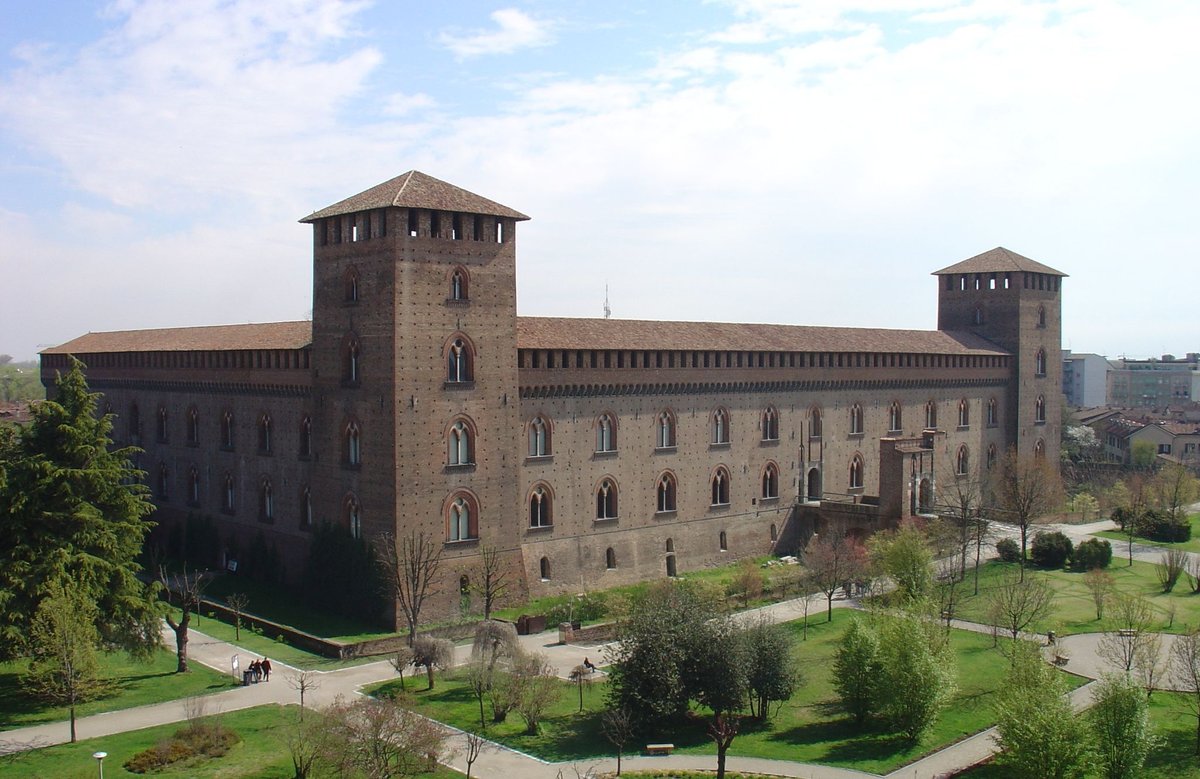 If you want to discover the cultural heart of Pavia, the Civic Museums of Pavia are a must-visit stop. Located within the majestic Visconti Castle, these museums welcome you on a journey spanning from archaeology to medieval and modern art. The archaeological section is a true treasure: here you'll find Roman and Lombard artifacts that tell the story of the city's origins, including coins, ceramics, and everyday objects. Don't miss the collection of sculptures and tombstones, which allows you to immerse yourself in ancient Pavia. The art gallery, on the other hand, will surprise you with works by Lombard artists and beyond: from Renaissance paintings to 17th-century canvases, every room is a discovery. Particularly interesting is the section dedicated to medieval Pavia art, with altarpieces and frescoes that testify to the area's artistic richness. The museum is well-organized, with clear explanatory panels that guide you without weighing down your visit. If you love history, dedicate time to the Lombard kings' room: here you'll understand why Pavia was such a crucial power center. Practical tip: check the opening hours on the official website, as there are sometimes temporary closures for exhibitions or restorations. The entrance ticket is affordable and includes access to all sections. Perfect for a one-and-a-half-hour visit, the Civic Museums are ideal for those seeking culture without frills.
Covered Bridge
- Ponte Coperto, Pavia (PV)
- Open in Google Maps
- View on Google Images
 The Covered Bridge is one of the most recognizable symbols of Pavia, an icon that stands out over the Ticino River with its brick structure and characteristic roof. Built in 1949 to replace the ancient medieval bridge destroyed during World War II, it faithfully maintains the appearance of its 14th-century predecessor. Crossing it means taking a journey through time, with its five arches connecting the historic center to the Borgo Ticino district. The covering is not just an aesthetic element: it provides shelter from the sun and rain, making the walk pleasant in every season. From the bridge, you can enjoy a spectacular view of the river, with the city's skyline in the background and the slow-moving waters of the Ticino. It's particularly evocative at sunset, when the golden light reflects on the water and illuminates the red bricks. Many residents of Pavia consider it the heart of the city, a meeting place and a spot for romantic walks. Don't miss climbing onto the small side terraces to take unforgettable photos of the river panorama. The bridge is always accessible and free, perfect for a stop during your city visit.
Church of Santa Maria del Carmine
- Via Roma, Pavia (PV)
- Open in Google Maps
- View on Google Images
 If you're looking for an architectural gem that immerses you in the medieval atmosphere of Pavia, the Church of Santa Maria del Carmine is an unmissable stop. Located in Piazza del Carmine, this church is one of the most significant examples of Lombard Gothic architecture from the 14th century. As soon as you cross the threshold, you'll be struck by the wide single nave and the cross vaults that create an effect of extraordinary lightness. The brick facade, with its central rose window and terracotta decorations, is a masterpiece of balance and harmony. Inside, don't miss the 15th and 16th-century frescoes adorning the side chapels, including those in the Chapel of the Madonna del Carmine. The church is part of a convent complex that includes a Renaissance cloister, perfect for a peaceful break away from the city bustle. It's an ideal place for art and history lovers, but also for those seeking a quiet corner in the heart of Pavia. Remember to check opening hours, as guided tours are sometimes organized that reveal hidden curiosities.
Malaspina Picture Gallery
- Piazza Castello, Pavia (PV)
- Open in Google Maps
- View on Google Images
 If you love Renaissance art, the Malaspina Picture Gallery is an unmissable stop in Pavia. Located within the Visconti Castle, this gallery houses an extraordinary collection donated by Marquis Luigi Malaspina di Sannazzaro in 1833. Here you'll find masterpieces by artists like Antonello da Messina, with his famous 'Portrait of a Young Man', and works by Giovanni Bellini and Vincenzo Foppa. The picture gallery spans two floors, with thematic rooms that guide you through centuries of art history. Don't miss the section dedicated to 15th-century Lombard painting, where panels by Bernardino Luini and Bramantino stand out. The layout is modern and well-maintained, with clear explanatory panels that make the visit accessible even to non-experts. Admission is included in the Civic Museums ticket, so you can also visit the other sections of the castle at no additional cost. I recommend setting aside at least an hour to fully appreciate the details of the works and the intimate atmosphere of the rooms. It's the perfect place for a cultural break while discovering Pavia, away from the crowds of the more beaten paths.
Pavia Botanical Garden
- Pavia (PV)
- Open in Google Maps
- View on Google Images
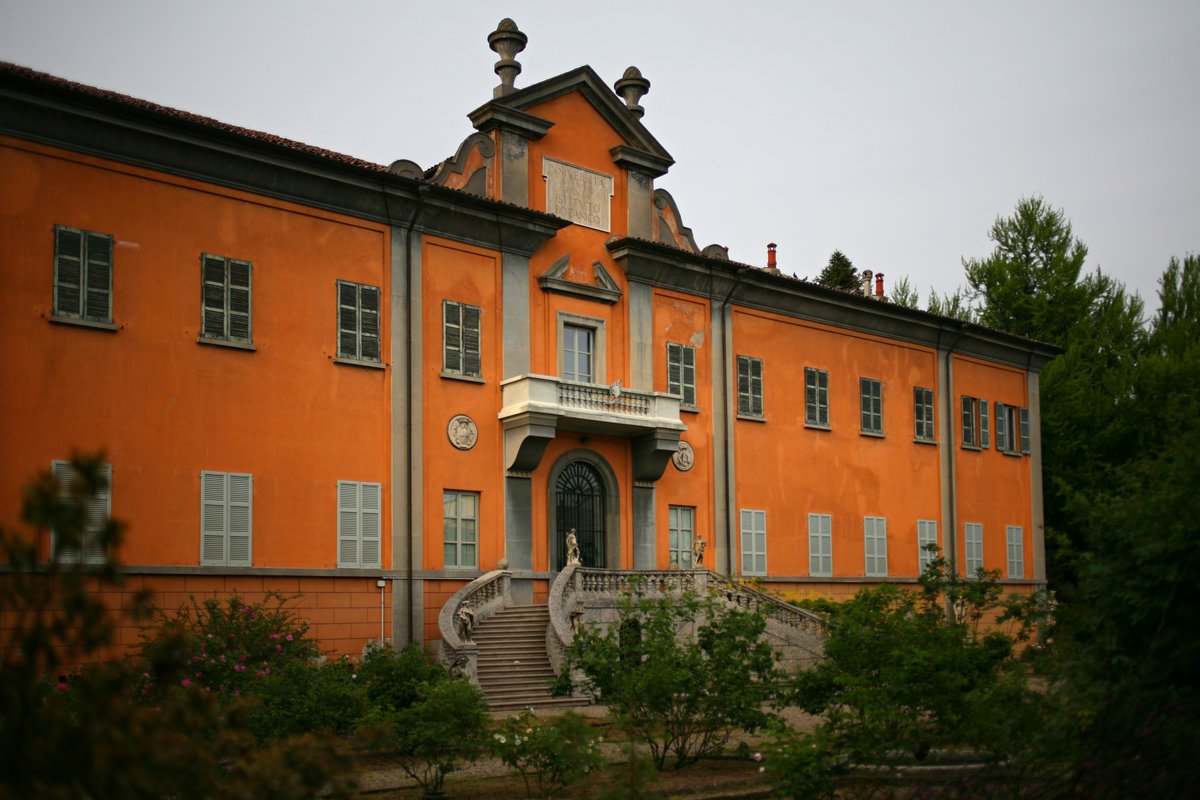 The Pavia Botanical Garden is a tranquil corner that will surprise you with its botanical richness and its connection to the University. Founded in 1773, it's one of Italy's oldest botanical gardens and extends over approximately 2 hectares in the historic center. Here you'll find over 1,500 plant species, organized into thematic sections that make your visit a true journey through the plant world. Don't miss the tropical greenhouse, where humidity and heat recreate an equatorial environment with exotic and unusual plants. Outside, the systematic garden guides you through different botanical families, while the arboretum hosts centuries-old trees like a majestic oriental plane tree planted in the 18th century. The Garden is also a place of research and education, with flowerbeds dedicated to medicinal plants and native species of Lombardy. The visit is perfect for a refreshing break: the shaded pathways and benches invite you to stop and enjoy the atmosphere. Admission is free, making it an accessible stop for everyone. If you love nature or are looking for a moment of relaxation away from the hustle and bustle, this is the right place. Remember to check the opening hours, especially for the greenhouses, which may vary depending on the season.
Fraschini Theatre
- Corso Strada Nuova, Pavia (PV)
- Open in Google Maps
- View on Google Images
 The Fraschini Theatre is one of Lombardy's most important historic theatres, inaugurated in 1773 under the name Teatro Nuovo. Designed by architect Antonio Galli Bibiena, it represents an extraordinary example of eighteenth-century theatre architecture, characterized by a bell-shaped layout and perfect acoustics. Upon entering, visitors are struck by the four tiers of boxes, entirely made of wood, decorated with golden stuccoes and red velvets that create an elegant and intimate atmosphere. The theatre is named after the Pavia-born tenor Gaetano Fraschini, a celebrated nineteenth-century performer, and today hosts a rich season of drama, opera, concerts, and ballet. It can also be visited outside of performances by joining one of the guided tours that reveal its secrets, such as the operation of the historic curtain and the backstage of artistic life. Located on Via Anguissola, just steps from the Visconti Castle, the Fraschini is a vibrant and accessible place where art continues to breathe within its ancient walls. I recommend checking the event calendar on the official website so as not to miss scheduled performances, especially during the autumn and spring seasons when the offerings are most varied.
Museum of the History of the University of Pavia
- Corso Strada Nuova 65, Pavia (PV)
- http://musei.unipv.eu/msu/
- Open in Google Maps
- View on Google Images
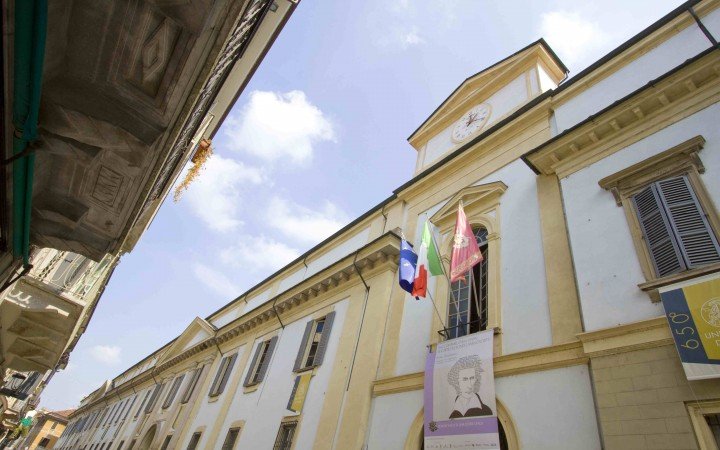 If you think university museums are boring, the Museum of the History of the University of Pavia will change your mind. Located in the heart of the historic center, right within the prestigious Pavia university, this museum takes you directly into the classrooms where Nobel Prize winners like Camillo Golgi and Alessandro Volta studied and taught. The visit begins with a rich collection of original scientific instruments that tell the story of the evolution of medicine and physics from the 18th century onwards. Don't miss the section dedicated to medicine, with historical anatomical preparations and period surgical instruments that show how operations were performed before anesthesia. On the first floor, the reconstruction of a 19th-century university classroom will make you feel like a student of the time, with original wooden desks and blackboards still in place. The most exciting part? The collection of manuscripts and autographed documents from famous scientists, including Volta's will. The museum is clearly organized, with explanatory panels in Italian and English that make the visit accessible to everyone. Practical tip: check the opening hours on the official website as they may vary during academic periods. If you're traveling with children, be aware that some sections may not be suitable for the little ones due to the nature of the medical instruments on display. The entrance ticket is affordable and often included in combined packages with other city museums.
San Teodoro
- Piazza San Teodoro, Pavia (PV)
- Open in Google Maps
- View on Google Images
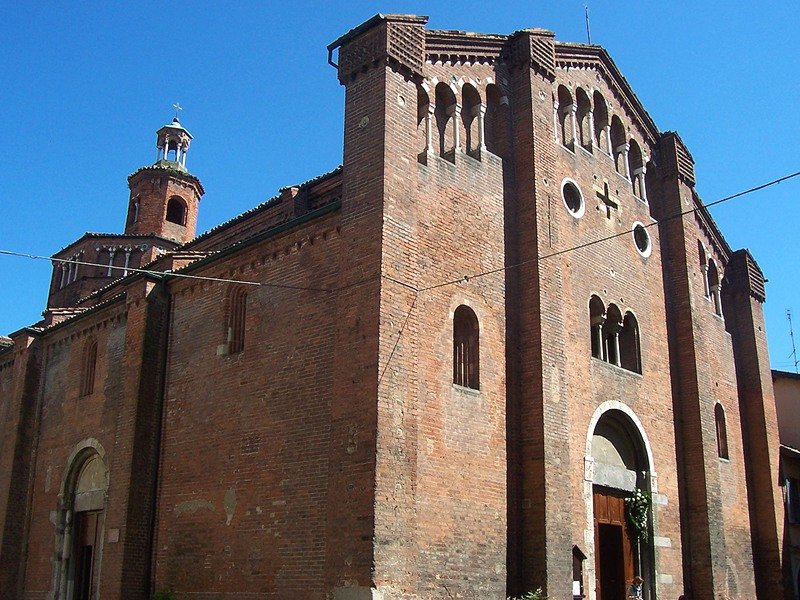 The church of San Teodoro is one of those places that instantly reveals the soul of Pavia. Built in the 12th century over an earlier Lombard structure, it stands on a small hill overlooking the historic center, offering a unique view of the Ticino River and the city's rooftops. Upon entering, you're immediately struck by the 14th-century frescoes depicting fishing scenes and river life: these aren't just ordinary decorations, but vivid testimony to how the river was the beating heart of medieval Pavia. Be sure to look for the 'Miraculous Catch' in the left chapel and the representation of the city with its towers – a genuine snapshot of daily life from that era. The church is dedicated to Theodore, bishop of Pavia in the 5th century, and preserves his relics beneath the main altar. The Romanesque structure, with its brick facade and rose window, is a perfect example of Pavia's architecture. The climb up here is worth it for the panorama alone, but it's inside that you discover the real history. A practical tip: if you're visiting Pavia, don't skip San Teodoro. It's free, often uncrowded, and offers that perfect blend of art, history, and views that makes the city special. The natural light filtering through the windows creates an intimate atmosphere, ideal for a brief respite away from the hustle and bustle.
Natural History Museum
- Piazza Adorno Botta 9, Pavia (PV)
- https://museokosmos.eu
- Open in Google Maps
- View on Google Images
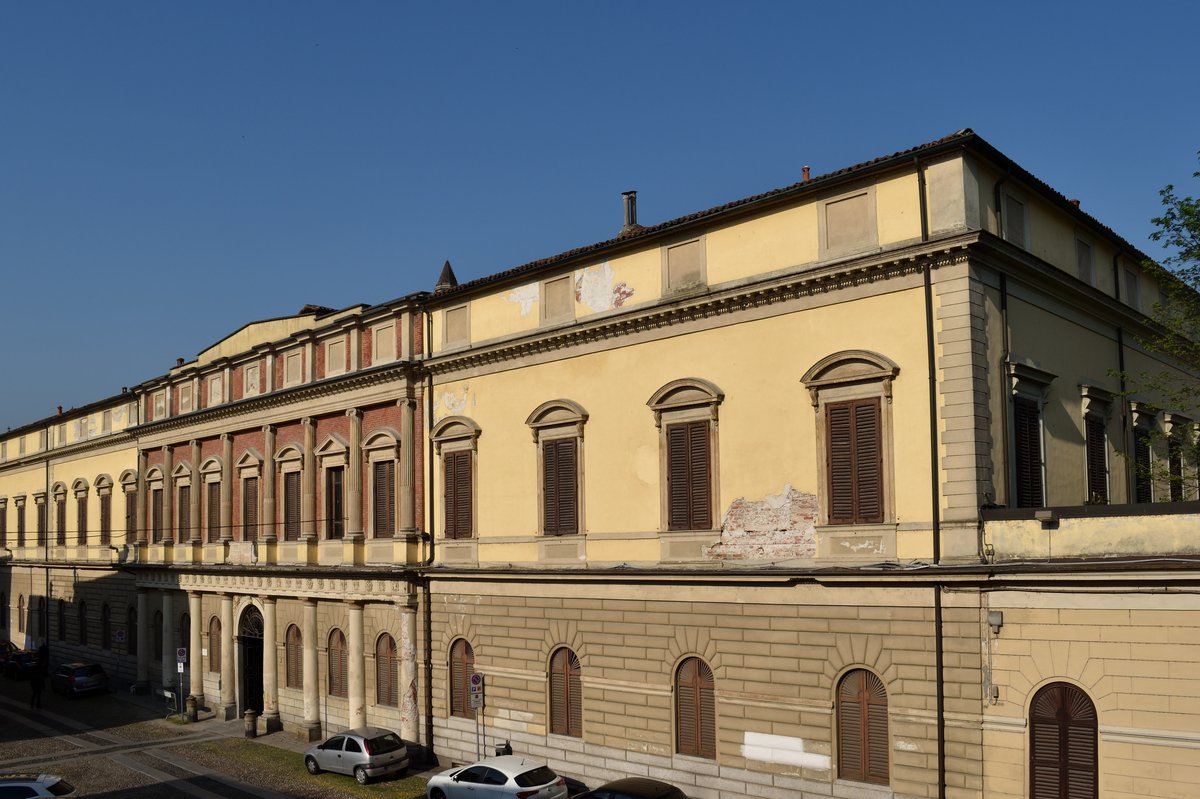 If you're passionate about science and nature, the Natural History Museum in Pavia is an unmissable stop. Located in Piazza Botta, within the prestigious Palazzo Botta Adorno, this museum is part of the University of Pavia's Museum System and boasts collections ranging from zoology to paleontology. Upon entering, you'll be greeted by a rich section of minerals and fossils, featuring local specimens such as those from Monte San Giorgio, a UNESCO World Heritage Site. The mammal hall is an engaging experience: here you'll find taxidermied specimens of wolves, bears, and lynxes that once roamed the forests of Lombardy, along with dioramas reconstructing their natural habitats. Don't miss the collection of native birds, with over 300 species, and the section dedicated to insects, which includes colorful butterflies and rare beetles. The museum is particularly appreciated for its geological finds, such as the Triassic fish fossils discovered in the province of Pavia, which tell the story of an ancient sea where hills now stand. Perfect for families, it offers clear explanatory panels and guided tours by reservation. I recommend checking the opening hours on the official website, especially on weekends when it's more crowded. A place where natural history becomes tangible, ideal for those seeking a cultural experience off the beaten tourist path.
The Broletto of Pavia
- Via Giovanni Antonio Omodeo, Pavia (PV)
- Open in Google Maps
- View on Google Images
 The Broletto of Pavia is one of those places that lets you feel the true pulse of the city. Located right in the historic centre, just steps from the Duomo, this medieval complex was for centuries the beating heart of administrative and commercial life. Today, with its frescoed porticoes and intimate atmosphere, it's a peaceful corner where you can stop for a coffee or simply admire the architecture. The structure dates back to the 12th century and combines different styles, from Romanesque to Gothic, with a brick façade that tells centuries of history. In the courtyard, you'll immediately notice the external stone staircase and the remains of frescoes that once decorated the halls of power. This is where consuls gathered and justice was administered, but today it's a vibrant place, often hosting temporary exhibitions and cultural events. Don't miss the details of the serizzo stone columns and carved capitals, showcasing craftsmanship of the highest level. The Broletto is also an ideal starting point for exploring the city centre: from here you can easily reach the Visconti Castle or the Basilica of San Michele. I recommend visiting in the morning, when the light illuminates the porticoes and the atmosphere is more authentic, away from the crowds. A practical tip: always check if there are ongoing exhibitions, as they often enrich the experience at no additional cost. It's a place that combines history and daily life, perfect for understanding the soul of Pavia.
Civic Tower of Pavia
- Via Giovanni Antonio Omodeo, Pavia (PV)
- Open in Google Maps
- View on Google Images
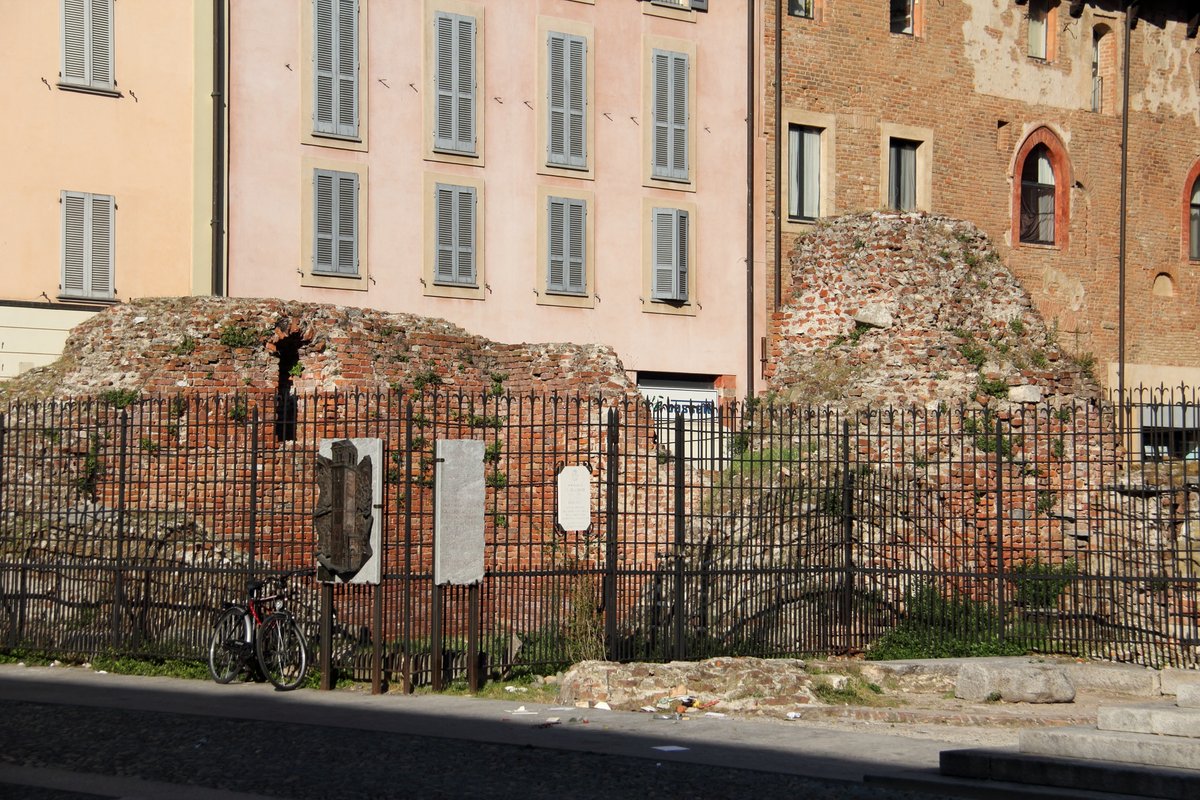 The Civic Tower of Pavia is one of the most recognizable symbols of the historic center, an imposing medieval structure that rises beside the Cathedral. Built between the 11th and 12th centuries, this bell tower stands approximately 60 meters tall and was part of the Broletto complex, the ancient town hall. Its strategic location in Piazza della Vittoria, the beating heart of the city, makes it a visual landmark for anyone visiting Pavia.
The tower features a characteristic exposed brick structure typical of Lombard architecture, with horizontal terracotta bands marking its height. Up close, you can observe the bifora windows and single-light windows that alternate across different levels, evidence of stylistic evolution over the centuries. The square base and gradual narrowing toward the top give the building a sober yet majestic elegance.
Unfortunately, the Civic Tower is currently not accessible inside for safety reasons, but its exterior still deserves a thorough stop. It's worth admiring at sunset, when the sun's rays illuminate its centuries-old bricks with warm tones. The square in front is always lively: here you'll find markets, cultural events, and the daily life of Pavia's residents, making the tower not just a monument but a living place in the city.
An interesting detail: the tower once housed the civic bells that marked time and called citizens in case of danger. Today, though no longer functional, it remains an icon of Pavia's historical heritage, perfectly integrated into the urban fabric among shops, cafes, and the majestic Cathedral.