
Trebula Mutuesca is an ancient Roman city in Lazio, ideal for a cultural day trip. The site offers well-preserved ruins in a quiet, secluded atmosphere with panoramic views of Sabina.
- Roman theater carved into the hillside with original seating for up to 1,000 spectators
- Public baths with clearly recognizable calidarium, tepidarium, and frigidarium
- Perfectly preserved Roman cisterns with an advanced hydraulic system
- Panoramic location overlooking the Farfa Valley, offering a peaceful and uncrowded atmosphere
Events nearby
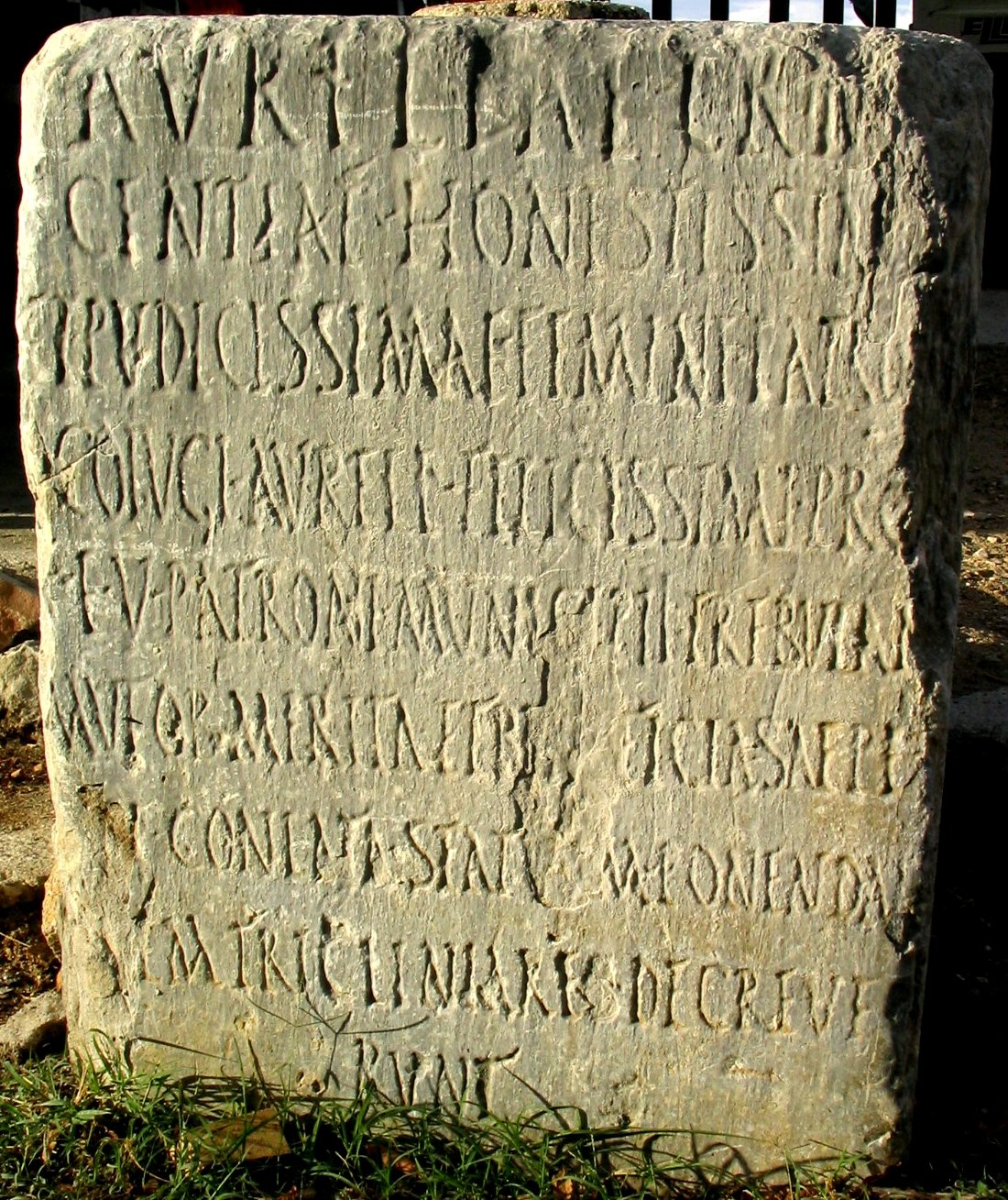
Free Roman archaeological site in Monteleone Sabino featuring a theater carved into a hillside, public baths, and well-preserved cisterns. Overlooks the Farfa Valley, rarely crowded, and accessible from Rome.
- Strada provinciale 35 Monteleone – Oliveto – Turanense, Rieti (RI)
- Open in Google Maps
- View on Google Images Trebula Mutuesca a Rieti
Good to know
Introduction
Arriving at Trebula Mutuesca is like taking a leap back in time. You find yourself immersed among the remains of an ancient Roman city that overlooks the Turano valley, with a breathtaking view. It’s not just an archaeological site, but a place where history can be touched: the theater, the baths, the cisterns tell the story of daily life from two thousand years ago. Walking among these ruins makes you feel part of a distant past, in a silence broken only by the wind through the olive trees. It’s an experience that stays with you, simple yet powerful.
Historical Overview
Trebula Mutuesca was an important centre of the Sabines, later Romanised in the 3rd century BC. As a Roman municipium, it played a strategic role along the Via Salaria. Its baths and theatre, built in the 1st century AD, attest to a thriving community. The site declined after the barbarian invasions, but traces of reuse remain from the medieval period.
- 3rd century BC: Romanisation
- 1st century AD: Construction of theatre and baths
- 5th-6th centuries AD: Post-invasion decline
- Middle Ages: Partial reuse of structures
The Roman Theatre
The Roman theatre of Trebula Mutuesca is one of the best preserved in inland Lazio. Built in opus reticulatum, it could accommodate around 1,000 spectators. The cavea rests against the natural slope, with vomitoria still recognizable. Today, sitting on the steps and looking out over the valley allows you to imagine the performances of times past. It’s a quiet corner where history comes to life, far from the crowds of more famous sites. A unique detail: some blocks still bear marks of the original stonework.
The Baths and Cisterns
The public baths of Trebula Mutuesca showcase an advanced hydraulic system, featuring calidarium, tepidarium, and frigidarium. The rainwater collection cisterns, carved into the rock, are impressive for their size and preservation. Walking through these spaces gives you a real understanding of Roman ingenuity in resource management. This is a concrete example of how daily life functioned in a provincial town, with a realism that history books fail to convey.
Why Visit It
Visit Trebula Mutuesca for three practical reasons: first, it’s free and uncrowded, unlike many archaeological sites; second, the Roman theater offers a unique panoramic view of Sabina; third, the baths and cisterns are a rare example of Roman hydraulic engineering in a rural setting. It’s a place where you can explore at your own pace, without mandatory guides, and return home with a direct understanding of ancient life.
When to Go
The best time to visit Trebula Mutuesca is in spring, when the surrounding countryside is in bloom and temperatures are mild. Avoid the midday hours during summer days, as the sun exposure is total. A tip: go early in the morning or late in the afternoon to enjoy the slanting light that enhances the textures of the ancient stones. In autumn, the colors of the leaves create a suggestive contrast with the Roman remains.
In the Surroundings
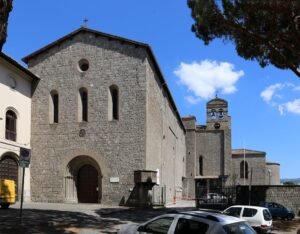
Complete your day with a visit to the medieval village of Monteleone Sabino, just a short drive away, where you can admire the Church of Santa Vittoria and sample the DOP olive oil from Sabina. Alternatively, explore the Vallebona Caves, natural cavities with stalactites and prehistoric remains, perfect for a nature adventure. Both locations enrich your experience with diverse history and landscapes.
Itineraries nearby

💡 Did You Know…?
The special feature of Trebula Mutuesca is its perfectly preserved Roman cistern, with its barrel vault and original hydraulic plaster. According to local legends, medieval pilgrims heading to the Farfa Abbey took refuge here. The theatre, built by exploiting the natural slope, had a capacity of about 1000 spectators – remarkable dimensions for a minor centre, a sign of the strategic importance of this city along the Via Salaria.