
🧭 What to Expect
- Ideal for history and archaeology enthusiasts, with well-preserved Roman sites like Saepinum and the Larino amphitheater.
- Highlights: medieval castles (Monforte, Swabian, D'Evoli) overlooking hills and coastline, and authentic villages like Termoli and Larino.
- Includes an interactive map with 15 marked locations, from the Samnitic Museum in Campobasso to the Petacciato Tower.
- Offers experiences off the beaten tourist path, in a territory blending history, nature, and genuine traditions.
The Province of Campobasso is an ideal destination for those seeking authenticity away from the beaten tourist paths. Here you'll find well-preserved Roman archaeological sites like Saepinum in Sepino, where you can stroll along ancient paved streets and the remains of the theater. Medieval castles dominate the hills, from the Monforte Castle in Campobasso to the Swabian Castle in Termoli, overlooking the Adriatic Sea. The villages maintain centuries-old traditions, with intact historic centers and churches housing works of art. The territory is perfect for excursions between nature and history, with panoramas ranging from the Apennine mountains to the coast. Larino with its Roman amphitheater and cathedral, and Termoli with its characteristic old town, are unmissable stops. A journey here means discovering genuine Italy, where time seems to have stood still.
Overview
- Saepinum
- Cathedral of Saint Mary of the Purification
- Monforte Castle
- Roman Amphitheatre of Larino
- Swabian Castle of Termoli
- Castello Di Capua
- Co-Cathedral of Saint Bartholomew
- Samnitic Museum Mazzarotta Palace
- Roman Theatre of Saepinum
- Castello D'Evoli
- Santa Maria della Strada in Matrice
- Petacciato Tower
- Italic Temple of San Giovanni in Galdo
- Ducal Palace of Larino
- Carafa Baronial Castle
Itineraries nearby

Saepinum
- Go to the page: Saepinum: Ancient Roman City with Walls, Forum, Baths and Theater in Molise
- Strada Statale 87 Sannitica, Sepino (CB)
- https://cultura.gov.it/luogo/parco-archeologico-di-sepino-area-archeologica-di-altilia-saepinum
- Open in Google Maps
- View on Google Images
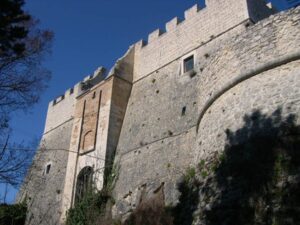
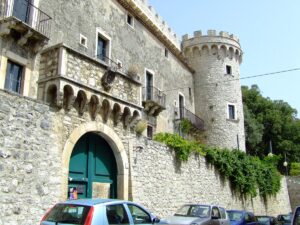
 If you love history and archaeology, Saepinum is a place you can't miss. This archaeological site, located in Sepino, transports you directly to ancient Rome. The area is incredibly well-preserved and allows you to walk along the paved streets, admire the defensive walls and access gates, and discover the remains of public and private buildings. The Roman theater is one of the focal points: imagine the performances that took place here centuries ago! Not far away, the forum and the baths tell the story of daily Roman life. The Latin inscriptions on the tombstones add a touch of authenticity, revealing stories of families and merchants from that era. The site is immersed in the Molise countryside, with green hills as a backdrop, making the visit even more evocative. Bring a camera with you: the architectural details, such as the column capitals, deserve to be captured. Saepinum is not just a collection of ruins, but an experience that makes you feel part of history. I recommend visiting on a sunny day, when the light enhances the ancient stones and creates magical atmospheres. Perfect for those seeking tranquility and culture, away from the crowds.
Cathedral of Saint Mary of the Purification
- Go to the page: Termoli Cathedral: 12th-century crypt and Adriatic Sea view
- Piazza Duomo, Termoli (CB)
- Open in Google Maps
- View on Google Images
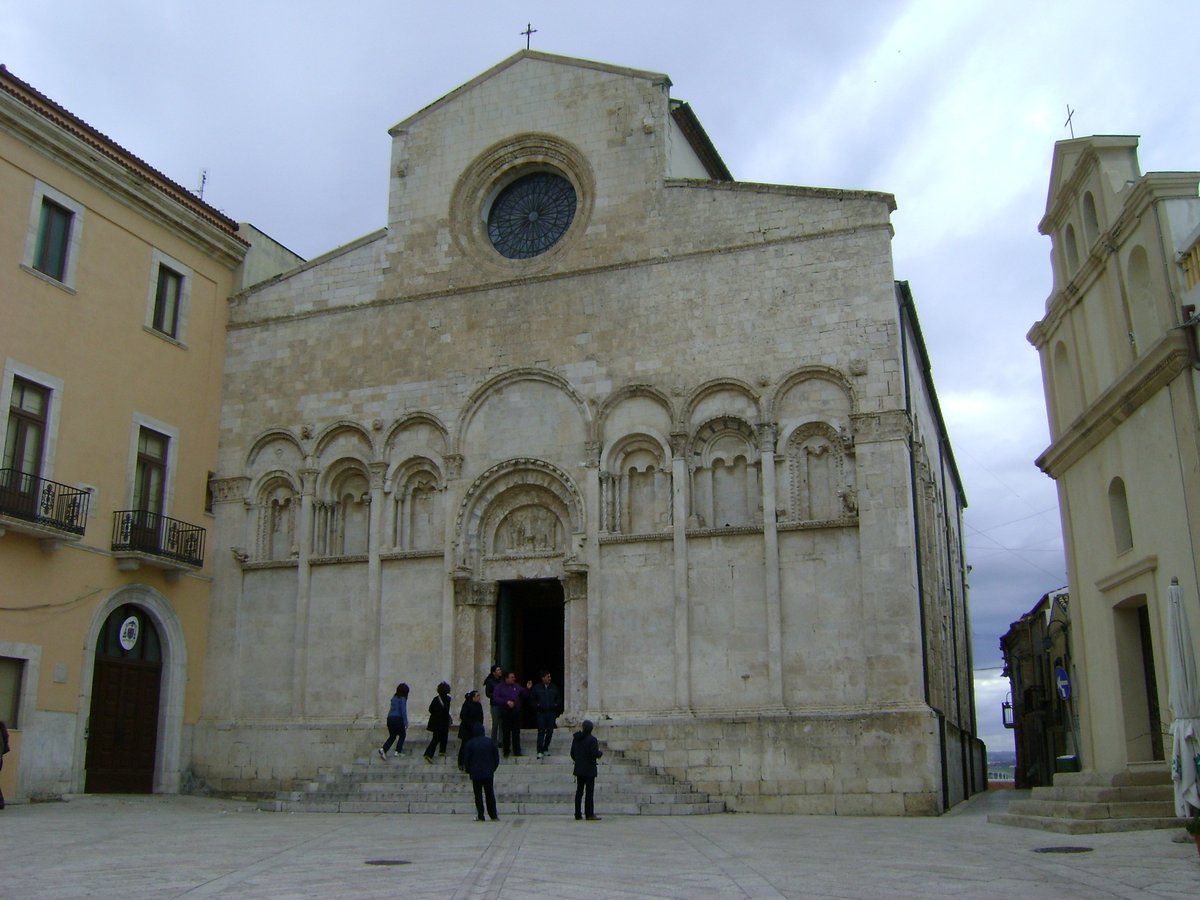 The Cathedral of Saint Mary of the Purification is the spiritual and architectural heart of Termoli, strategically positioned at the highest point of the ancient village, directly overlooking the Adriatic Sea. Built in the 12th-13th century in Apulian Romanesque style, this cathedral represents one of the most significant examples of Molisan religious architecture. The main facade, characterized by a majestic Romanesque portal with decorated archivolts and a radiating rose window, immediately captures visitors' attention. Inside, the atmosphere is solemn and intimate, with the three naves separated by recycled Roman-era columns that testify to the historical layering of the site. The underlying crypt is one of the hidden treasures of the cathedral, where the relics of Saint Bassus, patron saint of Termoli, are preserved, and medieval frescoes of considerable interest can be admired. Particularly evocative is the bell gable that rises on the right side of the building, offering a unique panoramic view of the sea and the historic center. The cathedral has undergone several restoration interventions over the centuries, especially after the 1456 earthquake and the wartime damage of World War II, but has maintained its original charm intact. During the patronal feast of Saint Bassus on August 3rd and 4th, the cathedral becomes the focal point of religious celebrations and local traditions. The privileged location allows visitors to combine the spiritual visit with a walk through the village alleys and a stop to admire the sunset over the sea from the square in front.
Monforte Castle
- Viale delle Rimembranze, Campobasso (CB)
- Open in Google Maps
- View on Google Images
 Monforte Castle dominates Campobasso from the top of Monforte Hill, at 790 meters above sea level, offering a breathtaking view of the city and the Molise Apennines. Built in 1459 by order of Count Nicola II Monforte, this fortress represents one of the most important examples of Renaissance military architecture in Molise. Its massive structure, with square towers and thick walls, tells centuries of history: from the Lombards to the Normans, up to the reconstruction commissioned by the Monforte family after the 1456 earthquake. Today, climbing up to the castle means following a path that winds through vegetation, offering ever-changing glimpses. Once you arrive, you'll be struck by the weapons room, where period helmets and swords are preserved, and by the internal chapel dedicated to Saint George. The inner courtyard, with its deep well, evokes medieval atmospheres, while from the main tower you can enjoy a panorama stretching from Matese to Maiella. The castle also hosts cultural events, such as exhibitions and historical reenactments, which enliven its rooms especially in summer. To visit it, just reach the historic center of Campobasso and follow the signs for the climb: an experience that combines history, art, and nature in a single glance.
Roman Amphitheatre of Larino
- Go to the page: Roman Amphitheatre of Larino: Perfect Elliptical Arena with Biferno Valley Views
- Via Dante Alighieri, Larino (CB)
- Open in Google Maps
- View on Google Images
- +39 0874 822787
 The Roman Amphitheatre of Larino is one of those places that makes you feel the weight of history. Built in the 1st century AD, this monument is among the best preserved in Molise and offers you an authentic atmosphere, far from the crowds of more famous sites. The elliptical structure, with its 10,000 seats, gives you an idea of how important Larino was in Roman times. Walking among the tiers, you can still imagine the gladiators facing off in the arena, while today silence dominates, broken only by the wind caressing the ancient stones. The amphitheatre has been excavated and restored in several phases, and today you can admire the vomitoria, the underground corridors and part of the cavea. Don't miss the architectural details, such as the local travertine blocks that tell centuries of history. The site is easily accessible and well signposted, with information panels to guide your visit. The best time to visit is spring or autumn, when the climate is mild and the sunset light makes everything magical. If you're an archaeology enthusiast, you'll find plenty to sink your teeth into here: the amphitheatre is a little-known gem of great value, perfect for those seeking authenticity. Remember to combine your visit with Larino's historic centre, with the Cathedral and the Ducal Palace, for a complete experience.
Swabian Castle of Termoli
- Largo Castello, Termoli (CB)
- Open in Google Maps
- View on Google Images
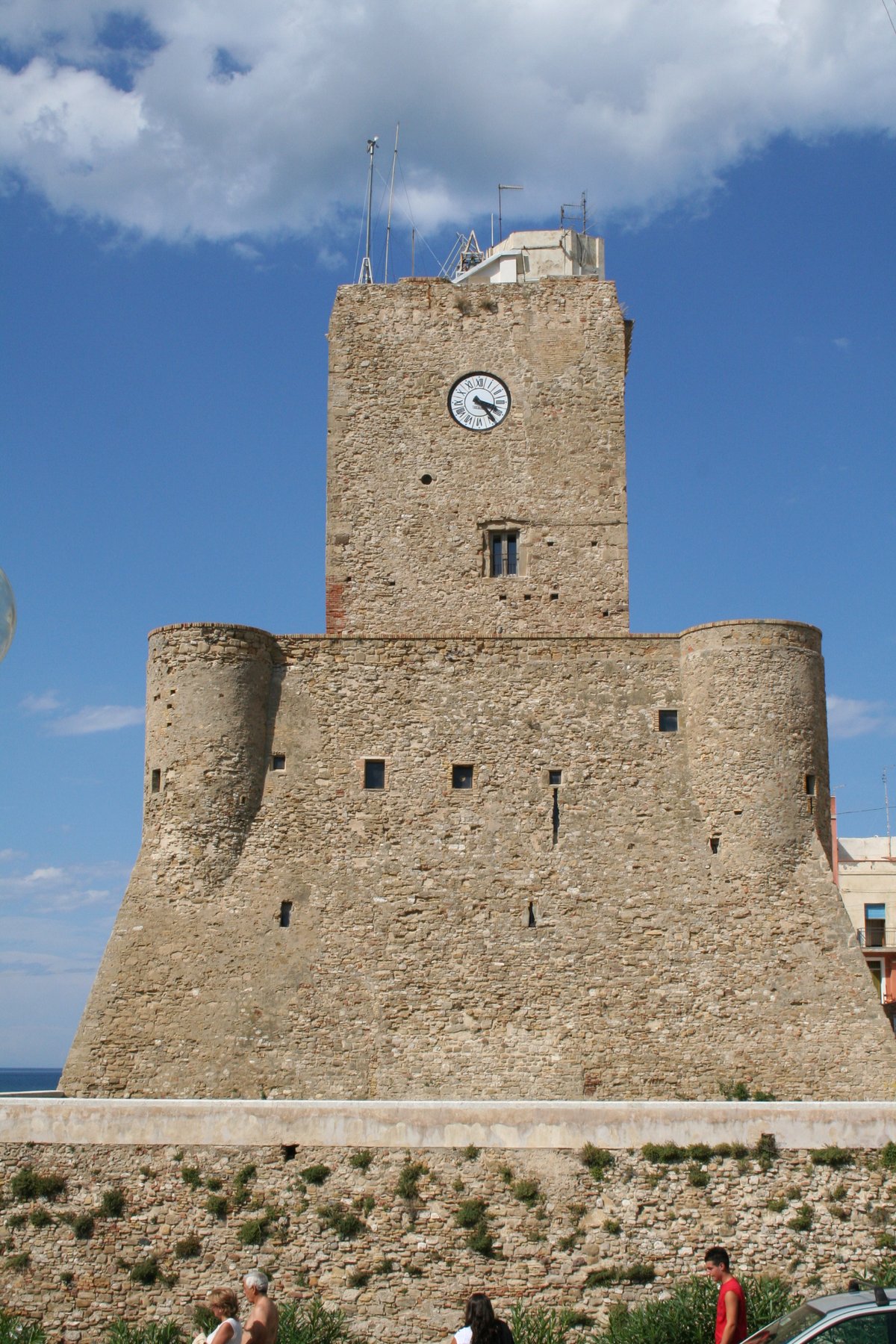 The Swabian Castle of Termoli is one of the most recognizable symbols of the Molise coast, an imposing fortress that rises majestically on the promontory of the ancient village. Built in the 13th century by order of Frederick II of Swabia, this castle represents a perfect example of Frederician military architecture, with its characteristic quadrangular plan and four corner towers. The strategic position is impressive: it dominates the entire Adriatic Sea and offers a breathtaking panoramic view that stretches from the ancient fishing platform to the marine horizon. Visiting the castle means immersing yourself in history: the massive walls, patrol walkways, and arrow slits tell centuries of battles and dominations. Inside, the spaces are sober yet evocative, with rooms preserving the medieval atmosphere. The castle is perfectly integrated with the ancient village of Termoli, to which it is connected by a drawbridge that still evokes the fortified access. During the visit, don't miss the opportunity to climb the towers: from here, the view of the sea and the characteristic fishermen's quarter is simply spectacular. The monument is well preserved and accessible, with informative panels recounting its history and transformations over time. A true must-see for those visiting Molise.
Castello Di Capua
- Go to the page: Castello Di Capua: Renaissance Frescoes by Decumbertino and Views of the Tappino Valley
- Largo Castello, Gambatesa (CB)
- Open in Google Maps
- View on Google Images
 The Castello Di Capua in Gambatesa is one of those places that surprises you with its Renaissance elegance set within the Molise landscape. Built in the 16th century by the will of Vincenzo I di Capua, this manor is not just a fortress but a true noble residence that tells centuries of history through its architecture. What immediately strikes you is its strategic position: perched on a rocky spur, it dominates the entire Tappino Valley, offering breathtaking panoramas that range from the Matese mountains to the surrounding hills. Inside, the rooms still preserve the atmosphere of the era, with frescoed halls displaying scenes of courtly life and geometric motifs typical of the Italian Renaissance. Particularly interesting is the family chapel, a small jewel of sacred art with decorations that blend religious elements and heraldic symbols of the Capua family. The castle has undergone several transformations over the centuries, evolving from a defensive fortress to a noble residence, and today it stands as a unique example of military architecture adapted for residential comfort. During the visit, you can also admire the perfectly preserved rampart walkways and the ancient prisons, which testify to the dual nature of the place. For history enthusiasts, the castle offers a journey through time through the stories of the families who inhabited it, from the Di Capua to the Carafa, up to the recent restoration efforts that have ensured its preservation. A little-known detail: the manor has also been a film set for some historical productions, adding further charm to this gem of Molise.
Co-Cathedral of Saint Bartholomew
- Largo Duomo, Bojano (CB)
- Open in Google Maps
- View on Google Images
 The Co-Cathedral of Saint Bartholomew in Bojano is one of those places that strikes you with its essential Romanesque beauty. Arriving in the square, the façade of local stone welcomes you with a simple yet elegant portal, topped by a rose window that filters light into the interior. Upon entering, the atmosphere is immediately intimate: the naves marked by massive pillars and cross vaults create a space that invites silence and contemplation. Don't miss the crypt, a suggestive environment with medieval frescoes that tell stories of saints and martyrs, some of which date back to the 12th century. The church, which shares the title of cathedral with that of Campobasso, also houses a still-functioning 18th-century organ, used during the most solemn celebrations. Its location in the historic center of Bojano, the ancient capital of the Samnites, adds an additional layer of meaning: here, history is not just a memory but lives on in the stones and traditions passed down through the centuries. If you visit the co-cathedral, also look for the side Romanesque bell tower, which offers magnificent photographic views against the Molise sky. A practical tip: check the opening hours, as the church is sometimes closed outside of services, but it's absolutely worth a stop to breathe in the spirituality of this authentic corner of Molise.
Samnitic Museum Mazzarotta Palace
- Via Anselmo Chiarizia 12, Campobasso (CB)
- https://www.musei.molise.beniculturali.it/musei?mid=208&nome=museo-sannitico
- Open in Google Maps
- View on Google Images
- pm-mol@beniculturali.it
- +39 0874 412265
 If you truly want to understand Molise, the Samnitic Museum Mazzarotta Palace is an essential stop. This museum, housed in an 18th-century palace in Campobasso's historic center, preserves the most important Samnite archaeological collection in the region. This isn't your typical dusty museum: here you can breathe in the history of the warriors who challenged Rome for centuries. The visit begins with funerary steles from the 6th century BC, which tell of Samnite rituals and society through still-clear engravings. Then you move on to artifacts from Saepinum, the ancient Roman city built on a Samnite settlement, with pottery, coins, and everyday tools showing the fusion of cultures. The section dedicated to sanctuaries is perhaps the most fascinating: bronze ex-votos, deity statuettes, and ritual objects reveal a complex spiritual world. The modern exhibition with bilingual panels and 3D reconstructions helps visualize how the Samnites lived. The highlight? The warrior's tomb from Bojano, with helmet and sword still intact. Finish with the panoramic terrace overlooking Campobasso: the contrast between ancient and modern is striking. Takeaway: book the guided tour to discover details that the captions don't mention.
Roman Theatre of Saepinum
- Go to the page: Roman Theater of Saepinum: Intact Cavea for 3,000 Spectators and Perfect Acoustics
- Cardo Maximus, Sepino (CB)
- Open in Google Maps
- View on Google Images
 The Roman Theatre of Saepinum is one of those places that makes you feel the breath of history. Located in the archaeological area of Sepino, this theatre dates back to the 1st century AD and was part of the ancient city of Saepinum, founded by the Romans over a previous Samnite settlement. Its semicircular structure, although partially preserved, allows you to imagine the performances that took place here almost two thousand years ago. The cavea, where the spectators sat, is still recognizable, as are the vomitoria, the passageways through which the audience accessed the seating tiers. The theatre's location, integrated into the urban fabric of the ancient city, is particularly evocative because it overlooks the forum and other public buildings, such as the basilica and the baths, creating an archaeological complex of rare charm. Walking among the ruins, you will notice the remains of the stage, which once hosted actors and scenery, and you can appreciate the acoustics, still surprising today. Saepinum is not just a theatre, but an entire archaeological site that also includes the walls, monumental gates (such as Porta Boiano and Porta Terravecchia), and domus with mosaics. All immersed in the tranquil Molise countryside, far from the tourist crowds. To visit it, I recommend dedicating at least an hour, perhaps combining it with a walk in the medieval village of Sepino, which lies nearby. The atmosphere is authentic and uncrowded, ideal for those seeking an intimate and reflective cultural experience. Remember that the site is accessible year-round, but in spring and autumn the weather is perfect for outdoor exploration.
Castello D'Evoli
- Strada Provinciale 169 Molesana, Castropignano (CB)
- Open in Google Maps
- View on Google Images
 The Castello D'Evoli stands majestically on a rocky spur in Castropignano, offering a breathtaking panoramic view over the Biferno valley. This medieval manor, built between the 13th and 14th centuries, represents one of the best-preserved examples of fortified architecture in Molise. The structure develops around a central keep of quadrangular shape, surrounded by perimeter walls that follow the natural contours of the terrain. The corner towers, still clearly visible, testify to the building's defensive function, while the remains of arrow slits and murder holes tell stories of sieges and battles. The interior of the castle preserves traces of the ancient residential spaces, including the family chapel dedicated to Saint Michael the Archangel. Particularly interesting is the system of cisterns for collecting rainwater, a fundamental element for survival during sieges. The castle was owned by the powerful D'Evoli family, who transformed it from a military fortress into a noble residence in the 16th century. Today, despite its ruined state, it retains its ancient charm intact and represents an unmissable stop for those wanting to discover the history of Molisan feudalism. The strategic location allows visitors to admire a panorama ranging from the Matese mountains to the Adriatic Sea.
Santa Maria della Strada in Matrice
- Strada Provinciale Matrice - Santa Maria della Strada, Matrice (CB)
- https://www.santamariadellastradacb.it/
- Open in Google Maps
- View on Google Images
 Reaching Santa Maria della Strada feels like discovering a hidden treasure. This 12th-century Romanesque church stands isolated in the countryside of Matrice, just a few kilometers from Campobasso, and strikes you with its essential beauty. The façade of local stone features a portal decorated with vegetal and animal motifs that tell stories from a distant past. Upon entering, you breathe in an atmosphere of contemplation: the interior has three naves, with columns and sculpted capitals showing Benedictine influences. The bell gable adds a touch of elegance to the whole. The church is famous for its 14th-century fresco cycle adorning the walls, although unfortunately some have been lost. Those that remain, like the Madonna and Child, bear witness to intense popular devotion. The site is linked to the Via Francigena del Sud, and many pilgrims used to stop here. Today, it's an ideal place for a peaceful break, away from the hustle and bustle. The silence that reigns here is almost palpable, broken only by the wind caressing the surrounding fields. Bring a camera: the sunset light on the stone is magical. Practical tip: check the opening hours, as it's not always accessible.
Petacciato Tower
- Strada Statale 16 Adriatica, Petacciato (CB)
- Open in Google Maps
- View on Google Images
 The Petacciato Tower stands majestically on the coastal promontory, a historic bastion that tells centuries of dominations and territorial defense. Built in the 16th century as part of the surveillance system against Saracen raids, this watchtower preserves its cylindrical structure made of local stone intact, standing about 12 meters high. The location is strategic: it overlooks the entire stretch of the Molise Adriatic coast, offering a panorama that ranges from Gargano to the Tremiti Islands on the clearest days. Access to the tower is free and open, reachable with a short walk from the center of Petacciato. Inside, although not visitable for safety reasons, you can still sense the atmosphere of the old guardians scanning the horizon. The site is particularly evocative at dawn and sunset, when the grazing light enhances the volumes of the structure and creates spectacular shadow plays. Around the tower, an equipped area with benches invites you to stop and observe the landscape. For those visiting Petacciato, the tower represents the most characteristic visual landmark, visible from kilometers away both from the coast and the hinterland. Its conservation is excellent, the result of recent restoration works that consolidated the structure without altering its original appearance.
Italic Temple of San Giovanni in Galdo
- Contrada Colle Rimontato, San Giovanni in Galdo (CB)
- http://www.sanniti.info/sangioga.html
- Open in Google Maps
- View on Google Images
 The Italic Temple of San Giovanni in Galdo is one of those places that makes you feel the weight of history. Perched on a hill at 550 meters above sea level, it overlooks the Tappino valley with views stretching all the way to the Matese mountains. This isn't just an archaeological site: it's a Samnite sanctuary from the 3rd century BC, probably dedicated to Hercules, that tells you about the most ancient roots of this territory. The terraced structure, with the remains of the main temple and service areas, immerses you in an era when the Samnites worshipped their deities here before the Romans arrived. Walking among the blocks of local limestone, observing fragments of architectural decorations, and imagining the rituals that took place in this sacred spot is an experience that captivates anyone who loves ancient history. The site is well preserved thanks to excavation campaigns that have uncovered votive artifacts, now displayed in the Samnite Museum of Campobasso. The isolated location, far from the hustle and bustle, offers an atmosphere of peace and reflection. Ideal for a quiet visit, perhaps combined with a walk in the surrounding area to discover the rural landscape of Molise. Bring a bottle of water and comfortable shoes: the path to reach the area is short but uphill. A tip: visit at sunset, when the golden light enhances the stones and creates an almost magical atmosphere.
Ducal Palace of Larino
- Piazza Roma, Larino (CB)
- Open in Google Maps
- View on Google Images
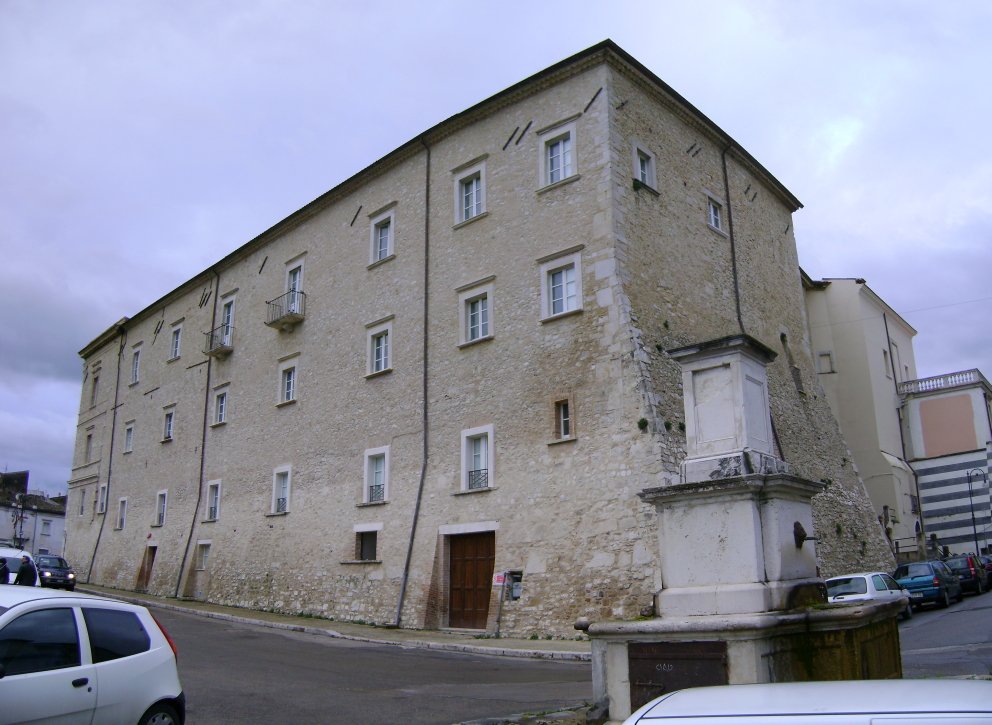 The Ducal Palace of Larino is one of those places that makes you understand just how layered the history of Molise truly is. Built in the 16th century at the behest of the powerful Di Capua family, this building represents a rare example of Renaissance architecture in a region rich with medieval heritage. The main facade, with its carved stone portal and elegantly framed windows, welcomes you into an atmosphere that blends nobility and simplicity. Upon entering, you'll be struck by the internal courtyard, where a central well and rounded arches create a harmonious space, perfect for imagining court life of that era. Today, the palace houses the Civic Museum, which collects local archaeological finds, including Roman ceramics and coins from ancient Larinum. Don't miss the room dedicated to artifacts from the Roman theater, which ideally connects the palace to the city's most ancient roots. The visit is a journey through time: from the rule of the Di Capua family, through Baroque transformations, to its current cultural function. A practical tip: check the opening hours, often tied to temporary events, and take advantage of the central location to explore the nearby Duomo of San Pardo right after.
Carafa Baronial Castle
- Piazza Vincenzo Spensieri, Ferrazzano (CB)
- Open in Google Maps
- View on Google Images
 The Carafa Baronial Castle stands imposingly over the village of Ferrazzano, offering breathtaking views of the Biferno valley. Built in the 15th century by the powerful Carafa family, this fortress represents one of the best-preserved examples of feudal architecture in Molise. The structure retains its original defensive features intact, with crenellated towers and massive walls that tell centuries of history. Inside, the rooms have been skillfully restored, preserving elements such as monumental fireplaces and cross-vaulted ceilings that bear witness to ancient splendor. Particularly evocative is the inner courtyard, where the atmosphere of times gone by can still be felt. The castle frequently hosts temporary exhibitions and cultural events, transforming into a vibrant artistic hub. From the terrace, visitors enjoy a unique panorama stretching from the village to the surrounding hills. The tour allows visitors to discover interesting anecdotes about daily life in the feudal era and the defensive strategies employed. A curious detail: the castle has been used as a film set for several Italian productions, adding a touch of glamour to its already rich history.