
The Caracciolo Castle of Brienza is a perfectly preserved medieval fortress that dominates the Lucanian village from a rocky spur. It offers an immersion into history with Norman and Aragonese architecture, along with breathtaking panoramic views of the Melandro Valley. Its strategic position allowed control over the routes between the Tyrrhenian and Ionian Seas.
- Panoramic views of the Melandro Valley and Lucanian Apennines
- Medieval architecture with cylindrical towers and crenellated walls
- Noble hall with frescoes and coats of arms of the Caracciolo family
- 20-meter-deep cistern well and internal courtyards
Events nearby

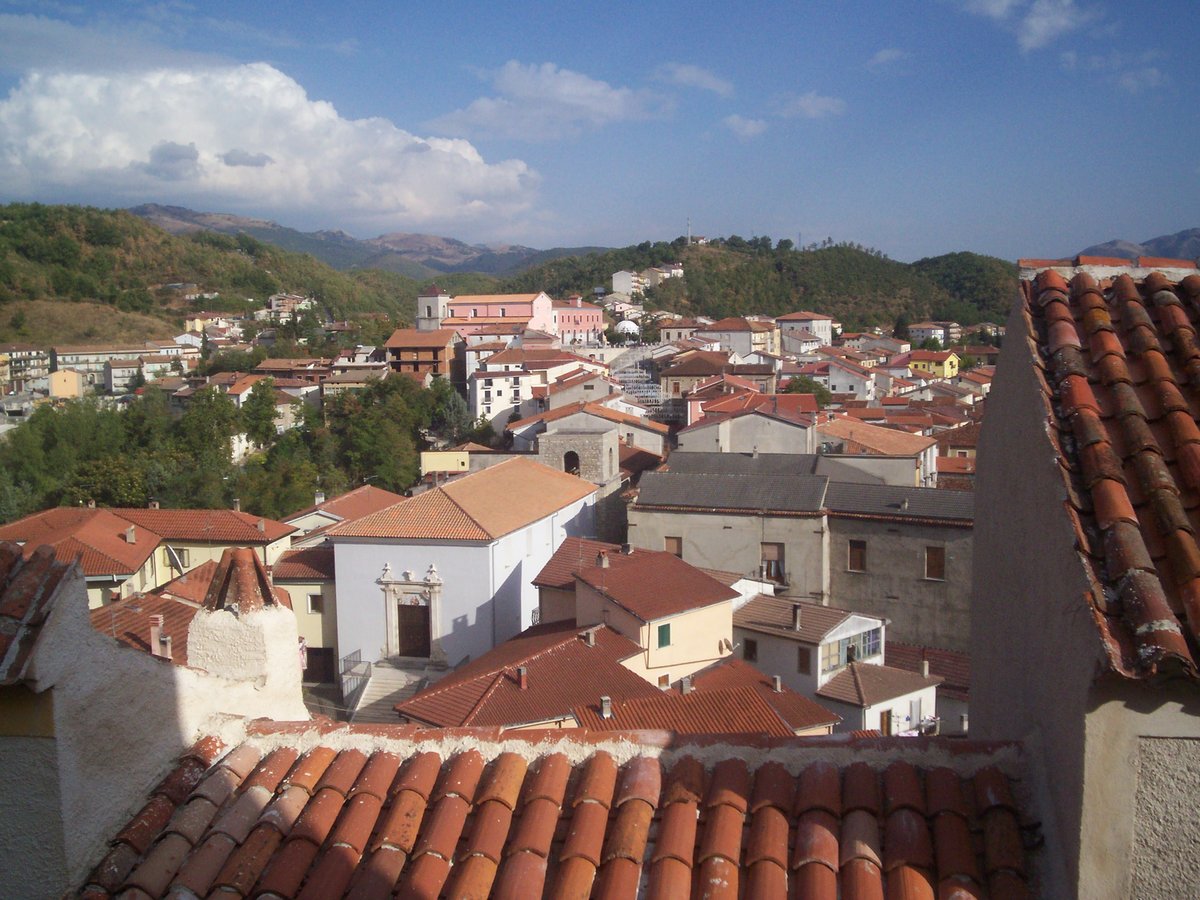
12th-century Norman castle at 713 meters elevation, featuring cylindrical towers, Renaissance frescoes, and views of the Lucanian Apennines. Explore the restored halls and discover the history of the Caracciolo family.
- SS95, Potenza (PZ)
- Open in Google Maps
- View on Google Images Castello Caracciolo a Potenza
Good to know
Introduction
As soon as you arrive in Brienza, the Caracciolo Castle immediately captures your attention: perched on a rocky spur, it dominates the medieval village with a majestic air that seems straight out of a tale from another era. It’s not just a monument, but a privileged vantage point over the Melandro Valley, where your gaze sweeps from the stone roofs of the town to the green Lucanian hills. Climbing up to the fortress means immersing yourself in a suspended atmosphere, between history and landscapes that leave a lasting impression. Its strategic position, once defensive, now offers pure emotions to those seeking something authentic, far from the more beaten tourist paths. It’s the ideal place for those who want to discover a still genuine corner of Basilicata.
Historical Overview
The origins of Caracciolo Castle date back to the 12th century, when it was built as a Norman fortress to control the valley. It later passed to the Sanseverino family and, from the 16th century, to the Caracciolo family, who transformed it into a noble residence enriched with Renaissance elements. In the 18th century, it also hosted the philosopher Giambattista Vico, linking the manor to Enlightenment culture. During the Carbonari uprisings of the 19th century, it became a refuge for conspirators, while in the 20th century it suffered damage from the 1980 earthquake, followed by careful restoration. Today, beyond its walls, it preserves traces of frescoes and loggias that tell centuries of power and transformations.
- 12th century: Norman construction
- 16th century: transfer to the Caracciolo family
- 18th century: stay of Giambattista Vico
- 1980: earthquake and restoration
Architecture and Hidden Details
As you wander through the inner courtyards, you’ll immediately notice the mix of styles: from the crenellated towers with medieval influence to the Renaissance portals of the Caracciolo family, evidence of an architectural evolution that speaks of centuries of history. Inside, look for the remains of frescoes on the vaults, especially in the noble hall, where you can glimpse floral motifs and family coats of arms faded by time. A little-known detail? The cistern well in the courtyard, over 20 meters deep, which ensured water supply during sieges. Climbing the towers, the view embraces not only the valley but also the details of the perimeter walls, with arrow slits and corbels that reveal the original defensive function. It’s a place that reveals itself step by step, with corners that surprise even the most attentive visitors.
Visiting Experience
Visiting Caracciolo Castle is not just a simple stroll: here you breathe the life of a medieval village still intact. Cross the symbolic drawbridge and walk along the wall pathways, where silence is broken only by the wind and the calls of the falcons nesting in the rocks below. Inside, the bare rooms leave space for imagination, but the local guides – if available – reveal anecdotes like that of the white lady ghost, tied to popular legends. For a complete experience, pair the visit with a stop in the village of Brienza, with its cobblestone alleys and stone portals that seem to stop time. It’s a plunge into the most authentic Lucania, without frills, where every stone tells a story.
Why Visit
Three concrete reasons not to miss it: first, the panoramic view over the Melandro Valley is among the most spectacular in the province, perfect for memorable photos; second, the hybrid architecture, with Norman and Renaissance elements, offers a rare case study in Basilicata; third, it’s a less crowded place, ideal for those seeking tranquility and direct contact with history, without queues or crowds. Plus, its location in the village of Brienza allows you to combine culture and authenticity in one go.
When to Go
The best time? At sunset, when the warm sun paints the castle stones in gold and the valley fills with long shadows, creating an almost magical atmosphere. Avoid the midday summer hours if you don’t like the heat, while in spring and autumn the soft light enhances the landscape colors. For a more intimate experience, try on weekdays, when silence reigns supreme.
In the Surroundings
Complete your day with a visit to the Sanctuary of Santa Maria Assunta in Brienza, which houses 17th-century paintings and an ancient organ, or explore the Pergola Stream Gorges nearby, perfect for a nature walk along marked trails. Both locations enrich your journey with art and pristine landscapes.
Itineraries nearby


💡 Did You Know…?
Legend has it that a Caracciolo treasure is buried in the castle, never found. During restoration work, traces of an ancient secret passage connecting the fortress to the village center emerged, used for sudden escapes. In the main tower, it is said that even today, on full moon nights, you can hear the moans of the ghost of a betrayed ancient castellan.