
Forte di Vinadio, built between 1834 and 1847 by order of Carlo Alberto di Savoia, overlooks the Stura Valley from 1,400 meters above sea level. Today it is a vibrant cultural hub that combines military history with Alpine landscapes, featuring perfectly preserved spaces and a schedule of events.
- Three-level independent structure with over 1,200 meters of tunnels and covered walkways
- Kitchens, cisterns, and soldiers’ dormitories still intact and open to visitors
- 360-degree panoramic views of the Maritime Alps and Stura Valley from the terraces
- Temporary exhibitions, concerts, and theatrical performances in the monumental spaces
Events nearby
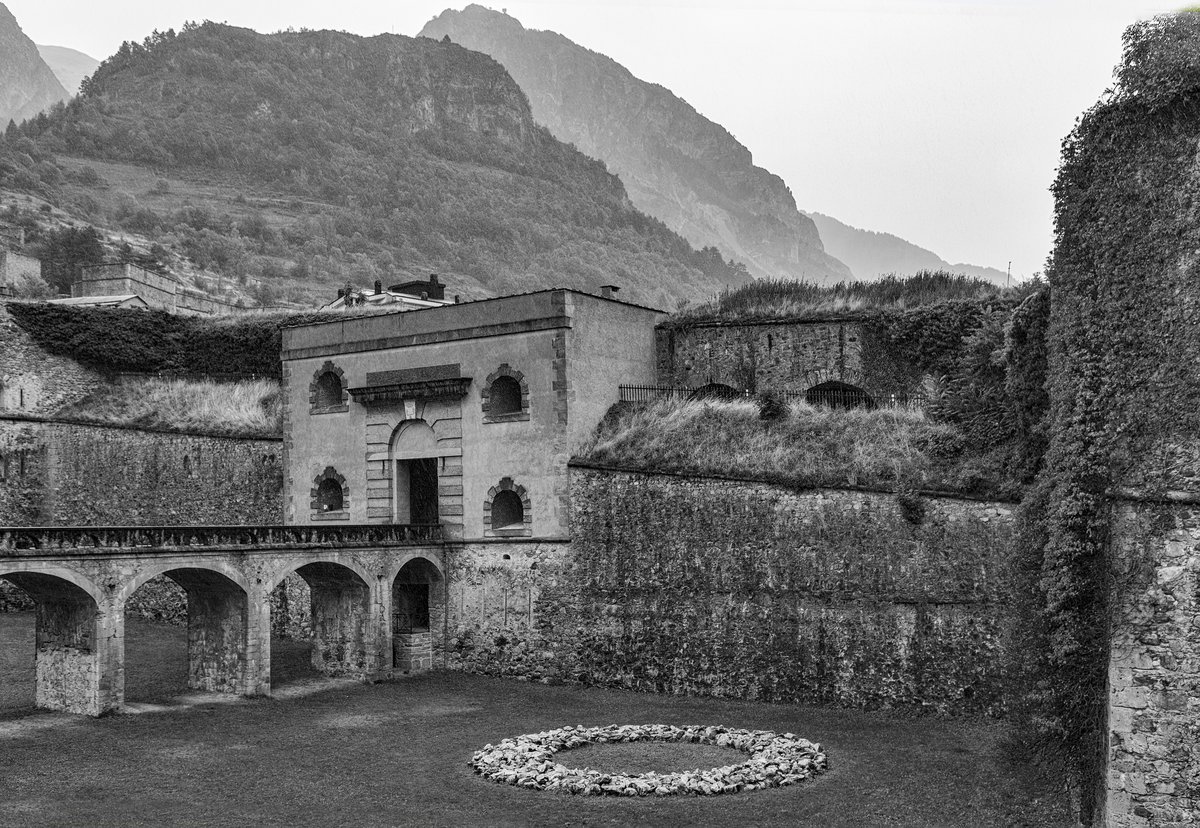
Forte di Vinadio in Pratolungo: Alpine fortress from 1847 with three defensive levels, preserved historical kitchens, and 360° views of the Maritime Alps. Hosts exhibitions and cultural events.
- http://www.fortedivinadio.it/index.html
- info@fortedivinadio.com
- Piazza Vittorio Veneto, Cuneo (CN)
- +39 0171 959151
- Open in Google Maps
- View on Google Images Forte di Vinadio a Cuneo
Good to know
Introduction
As soon as you arrive in Pratolungo, the Vinadio Fort dominates the valley with its imposing 19th-century structure. Built at an altitude of 1,400 meters, this alpine fortress immediately strikes you with its grandeur and perfect integration into the landscape of the Maritime Alps. It’s not just a historical monument, but an experience that blends military architecture with pristine nature. Its mighty walls stand out against the sky, offering from the outside alone a visual spectacle that hints at the richness within. Walking among its bastions means immersing yourself in a unique atmosphere, where every stone tells centuries of history and strategy.
Historical Overview
The Forte di Vinadio was commissioned by Carlo Alberto of Savoy between 1834 and 1847 to protect the border with France. With its 1,200 meters of development and 10 hectares of surface area, it represented one of the most advanced defensive systems of its time. During World War II, it was used as a prisoner-of-war camp, while today it has become a cultural hub hosting exhibitions and events. Its structure with three independent defensive levels showcases 19th-century military engineering, with walkways, artillery positions, and cisterns still perfectly preserved.
- 1834-1847: Construction commissioned by Carlo Alberto
- 1943-1945: Used as a prisoner-of-war camp
- 1999: Beginning of restoration work
- 2009: Opened to the public as a museum and event space
Unique Military Architecture
What makes Vinadio Fort special is its three-level independent structure, each designed to withstand attacks autonomously. The lower level housed kitchens and storage areas, the middle level contained soldiers’ barracks, while the upper level was dedicated to artillery positions. Walking along its 1,200 meters of covered passageways, one can appreciate construction details like strategic loopholes and still-functioning ventilation systems. The internal chapel, dedicated to Saint Barbara, preserves the original altar and represents a rare example of sacred architecture within a military fortress.
Breathtaking Panoramas
From the terraces of the Fort, you can enjoy a 360-degree view of the Maritime Alps that will take your breath away. To the south, you can glimpse the Stura Valley, to the west the first French peaks, while to the northeast you can spot the glaciers of Monviso. The best time is at sunset, when the mountains turn red and orange. On clear days, the view stretches all the way to the Langhe region. The visiting route includes strategic observation points that were once used for territorial control, now perfect for capturing unforgettable photos of the surrounding Alpine landscape.
Why Visit
Three compelling reasons not to miss this experience: first, the opportunity to walk across three levels of perfectly preserved fortifications, a rare find in Italy. Second, the temporary exhibitions set up in the interior halls that enrich the visit with ever-changing cultural content. Third, the chance to participate in summer evening events, when the fort is illuminated and hosts concerts and theatrical performances that take advantage of the natural acoustics of the monumental spaces.
When to Go
The ideal time to visit is from June to September, when all areas of the fortress are accessible and the weather allows you to fully enjoy the panoramic views from the terraces. Early mornings are perfect for avoiding crowds and capturing the best light for photography. During winter, although access is limited, the sight of the snow-covered fortress offers a particularly enchanting and almost fairytale-like atmosphere.
In the Surroundings
Complete your experience with a visit to the Sanctuary of Sant’Anna di Vinadio, just a few kilometers away, a pilgrimage destination nestled in a forest of ancient beech trees. For food and wine enthusiasts, a stop at the wineries in Demonte to sample the wines of the Stura Valley, particularly the local Dolcetto and Barbera, is a must to perfectly conclude your day.
Itineraries nearby


💡 Did You Know…?
During construction, soldiers were reportedly punished by being made to dig additional tunnels. Today, on full moon nights, some visitors swear they still hear the sound of pickaxes. The fortress also housed prisoners of war during World War II, leaving graffiti still visible on the walls.