Introduction
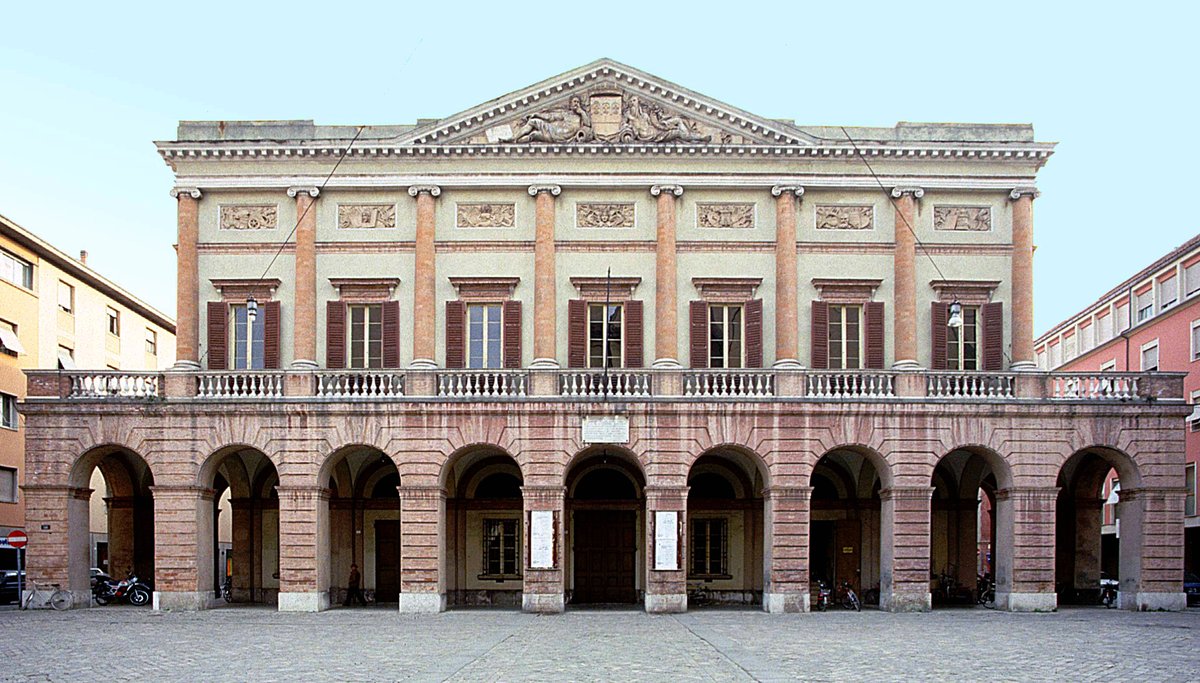
As soon as you step through the entrance of the Alessandro Bonci Theatre, you immediately understand you’re in a special place. The neoclassical facade on Via Serraglio welcomes you with discreet elegance, but it’s inside where the sight takes your breath away: the horseshoe-shaped hall, with its four tiers of gilded wooden boxes and frescoed ceiling, creates an atmosphere that is both intimate and majestic. It’s not just a theatre; it’s the beating heart of Cesena’s cultural life, where every evening you breathe the same emotion that generations of spectators have experienced since 1846. The acoustics are so perfect that even a whisper from the stage reaches clearly to the very last row of the gallery.
Historical Notes
The theatre was established by the Municipality of Cesena, which in 1840 launched a competition won by architect Vincenzo Ghinelli. Inaugurated on 15 August 1846 with the operas ‘Gemma di Vergy’ and ‘Lucrezia Borgia’, it was named after Cesena-born tenor Alessandro Bonci only in 1940. It survived wars and urban transformations unscathed, preserving its original structure intact. In 1997, a major restoration brought to light the magnificent frescoes by Francesco Migliari that adorn the ceiling. Today, it is home to the Fondazione Teatro Alessandro Bonci, which organises nationally acclaimed seasons of drama, opera and dance.
- 1840: Design competition
- 1846: Official inauguration
- 1940: Dedication to Alessandro Bonci
- 1997: Conservation restoration
Behind the Scenes
What the audience doesn’t see is equally fascinating. The understage conceals a complex system of 19th-century machinery still in operation, with winches and counterweights that move imposing stage sets. The rehearsal hall on the upper floor, where artists of the caliber of Riccardo Muti have prepared performances, preserves the atmosphere of historic rehearsals. In the foyer, among the busts of illustrious figures, that of Bonci himself stands out, as if watching over the performances. The theater also organizes guided tours that reveal these secrets, even showing the dressing rooms where artists prepare before the show.
The Theatre Season
The Bonci’s programming is a masterful blend of tradition and innovation. The opera season stages repertoire titles with nationally renowned companies, while drama spans from classics to contemporary works. Particularly well-curated is the dance series, featuring international companies that appreciate the hall’s acoustics. But the theatre doesn’t forget its local roots: the ‘Cesenate Dialogues’ bring authors and intellectuals to engage with the audience, creating moments of lively debate. The box office is always busy, a sign that the people of Cesena love their theatre and attend with passion.
Why You Should Visit
Three concrete reasons not to miss it: first, the perfect acoustics that let you experience music and words intensely, even from the most affordable seats. Second, the opportunity to enjoy quality performances in an authentic setting, without the coldness of modern theaters. Third, the intimate atmosphere that makes you feel part of the venue’s history, almost as if you were a spectator from the 19th century. Plus, ticket prices are affordable compared to other theaters of similar caliber, with discounts for young people and seniors.
When to Go
The magical moment is undoubtedly a winter evening, when the theater lights glow against the early darkness and the atmosphere becomes more intimate. The theater season runs from October to May, but even in summer, the Bonci organizes special events. I recommend checking the schedule and booking in advance for the most sought-after performances. If you want to avoid the crowds, weekday matinees are perfect, but the real thrill comes with a full house and the audience’s enthusiasm.
In the Surroundings
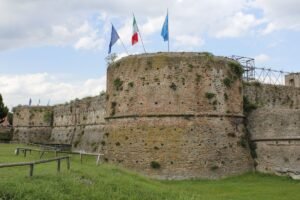
Complete your visit with two unmissable Cesena experiences: the Malatestiana Library, a UNESCO World Heritage site just a few minutes’ walk away, with its perfectly preserved medieval manuscripts. Then stop by one of the downtown wine bars to sample local wines, perhaps paired with a warm Romagna flatbread. If you have time, climb up to the Malatestiana Fortress to admire Cesena from above and understand why this territory has inspired so much beauty.