
🧭 What to Expect
- Ideal for history enthusiasts and authentic culture seekers.
- Highlights: Norman Castle with panoramic views, Greek walls of Hipponion and Vito Capialbi Archaeological Museum.
- Compact historic center easily explored on foot.
- Includes interactive map with main stops.
The City of Vibo Valentia is a historical gem of Calabria that absolutely deserves a visit. The Norman Castle dominates the landscape from the hill, offering breathtaking views of the Tyrrhenian Sea and the inland. Walking through the historic center, you'll encounter the ancient Greek walls of Hipponion, evidence of the city's Magna Graecia origins. Unmissable is the Vito Capialbi National Archaeological Museum, which houses unique artifacts from the territory. The city also preserves important monuments such as those dedicated to Luigi Razza and the Fallen, which tell pages of recent history. The center is compact and easily explored on foot, among characteristic alleys and picturesque views.
Overview
Itineraries nearby


Norman Castle
- Via Antica Monteleone, Vibo Valentia (VV)
- Open in Google Maps
- View on Google Images
 The Norman Castle of Vibo Valentia dominates the city from its hilltop, offering one of the most spectacular views of the Costa degli Dei. Built in the 11th century by the Normans on the ruins of an ancient Greek temple, this imposing fortress is a true open-air history book. Today it houses the Vito Capialbi National Archaeological Museum, where you can admire artifacts that tell the story of Hipponion, the ancient Greek city that once stood here. Climbing the towers, the panorama will take your breath away: on one side the Tyrrhenian Sea with its crystal-clear waters, on the other the mountains of Calabria. The structure still preserves the original crenellated walls and medieval defensive system. During your visit, notice the architectural details that blend Norman and Swabian styles, evidence of the different dominations that followed one another. The castle is perfect for a visit of about an hour, ideal to combine with the historic center of Vibo Valentia. Practical tip: the climb is steep but manageable, and the entrance ticket includes access to the museum. Pay attention to the opening hours, which vary seasonally.
Norman Castle
Vito Capialbi National Archaeological Museum
- Go to the page: Capialbi Museum Vibo Valentia: Orphic Lamella and Greek Artifacts in the Norman-Swabian Castle
- Via Antica Monteleone, Vibo Valentia (VV)
- https://www.beniculturali.it/mibac/opencms/MiBAC/sito-MiBAC/Luogo/MibacUnif/Luoghi-della-Cultura/visualizza_asset.html?id=153555&pagename=157031
- Open in Google Maps
- View on Google Images
- pm-cal.capialbi@beniculturali.it
- +39 0963 43350
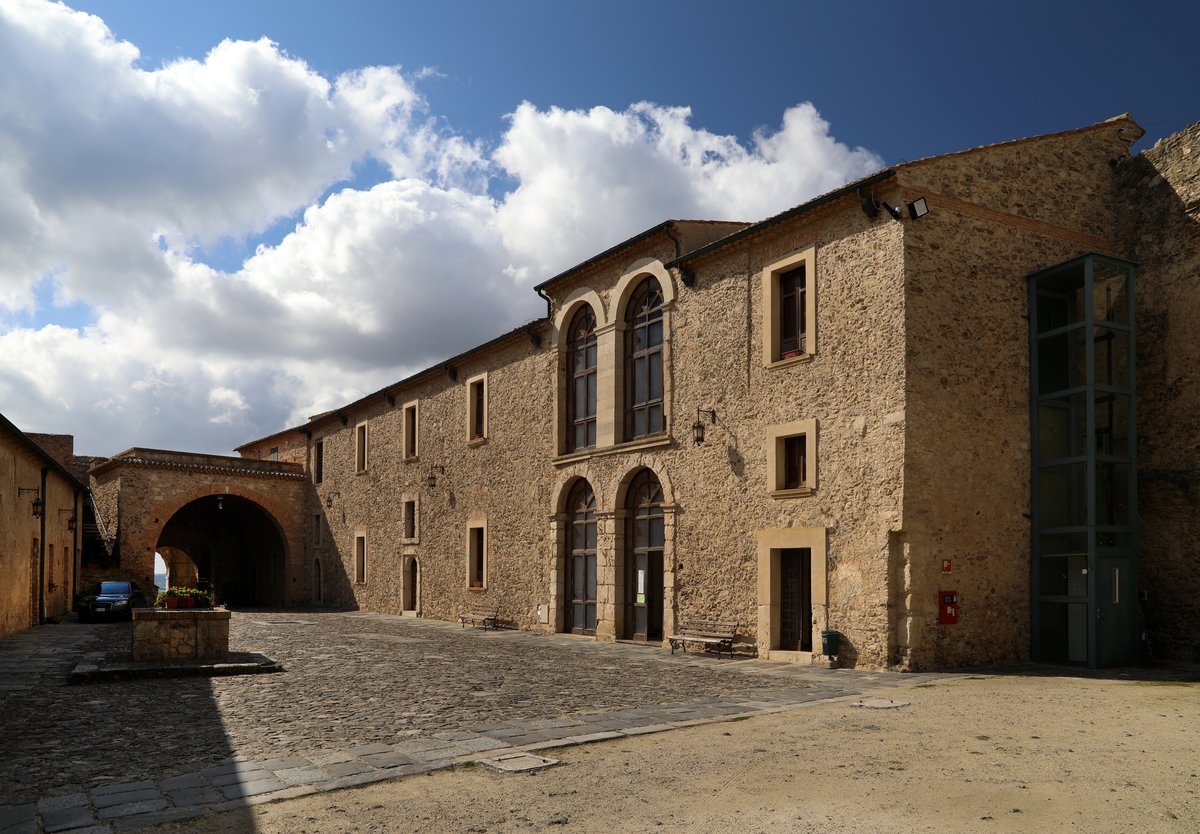 If you think Vibo Valentia is just about sea and scenery, get ready for a surprise: the Vito Capialbi National Archaeological Museum takes you straight to the heart of Magna Graecia. Housed within the Norman-Swabian Castle, this museum isn't just a container of artifacts, but a genuine journey through time. The collection unfolds across three levels and tells the story of ancient Hipponion, the Greek city that stood where Vibo Valentia is today. The Orphic tablets are the highlight: these are thin gold leaves with inscriptions that accompanied the deceased into the afterlife, a unique find in Calabria. But that's not all: the numismatic section with coins from the Hipponion mint shows you how they minted currency here in the 5th century BC. The artifacts come from excavations of the city and its necropolis, with vases, statuettes, and everyday objects that make everything very tangible. The exhibition is clear and well-organized, with explanatory panels that guide you without making you feel overwhelmed. A practical tip: allow at least an hour to fully appreciate everything, especially the castle terrace which offers a breathtaking view over the Gulf of Sant'Eufemia. Perfect for a cultural visit that combines history and scenic beauty.
Vito Capialbi National Archaeological Museum
Greek Walls of Hipponion
- Via Paolo Orsi, Vibo Valentia (VV)
- Open in Google Maps
- View on Google Images
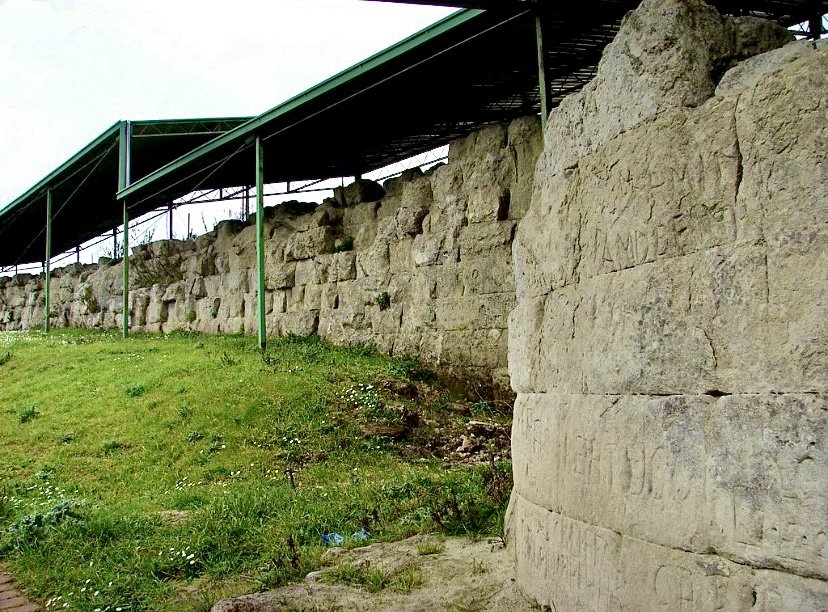 The Greek Walls of Hipponion are one of the most fascinating archaeological sites in Vibo Valentia, a tangible testament to the ancient Magna Graecia colony founded in the 6th century BC. Located in the upper part of the city, these walls were built with local sandstone blocks and extend for about 3 kilometres, protecting the acropolis and public buildings. Today you can admire the well-preserved remains of some gates, such as the Gate of Hipponion, which allowed access to the city, and sections of walls that still reach up to 4 metres in height. Walking along these ancient paths allows you to imagine the daily life of the Greeks who lived here, trading with other colonies of Magna Graecia. The site is easily accessible on foot from the historic centre and offers a panoramic view of the Tyrrhenian coast. Remember to bring a bottle of water and comfortable shoes, especially if you visit during the hottest hours. The walls are visitable all year round, but spring and autumn are the best times to enjoy the mild climate and surrounding vegetation. Don't forget to take photos from the top: the view over the Plain of Gioia Tauro and the sea is simply spectacular.
Greek Walls of Hipponion
Luigi Razza Monument
- Via XXV Aprile, Vibo Valentia (VV)
- Open in Google Maps
- View on Google Images
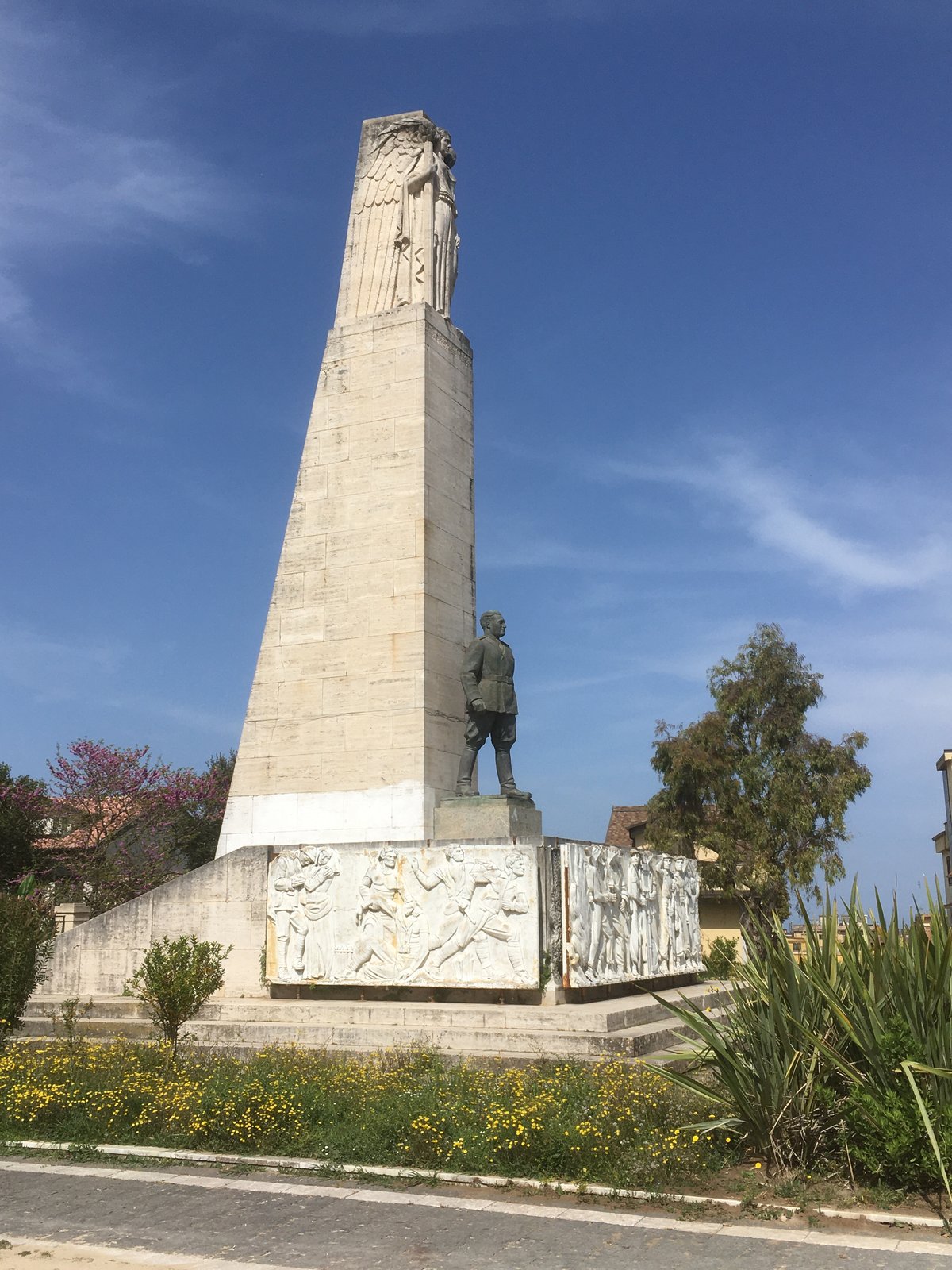 While strolling through the center of Vibo Valentia, you can't miss the Luigi Razza Monument, located in a small square that bears his name. This bronze sculpture, created by artist Michele Guerrisi, pays homage to an important figure for Calabria: Luigi Razza, Minister of Public Works during the Fascist era, who was born right here in Vibo Valentia in 1892. The monument portrays him in a solemn pose, with a determined expression that recalls his commitment to developing infrastructure in the region. The statue is strategically positioned, easily accessible on foot as you explore the historic center, and offers a great opportunity to discover a lesser-known piece of Calabrian history. Around the square, you'll find benches where you can sit and observe daily life unfolding, with locals stopping by for a chat. It's a place that blends art, history, and neighborhood life, perfect for a break during your city visit. Don't expect a spectacular attraction, but rather a moment of reflection on how the locals remember their distinguished fellow citizens. If you're interested in local history, this monument will give you a starting point to delve deeper into Razza's role in Calabrian public policies during the 1930s.
Luigi Razza Monument
Monument to the Fallen
- Viale Regina Margherita, Vibo Valentia (VV)
- Open in Google Maps
- View on Google Images
 While strolling through Vibo Valentia's historic center, you'll come across a place that speaks of history and respect: the Monument to the Fallen. Located in a central position, this memorial is dedicated to the people of Vibo who lost their lives during World War I. Made of white marble, the monument features a sober yet meaningful structure, with a statue depicting a dying soldier, symbolizing the ultimate sacrifice. Surrounding it, engraved inscriptions commemorate the names of the fallen, creating a direct connection with the local community. It's not just a work of art, but a point of reflection: many visitors stop here for a moment of silence, especially during the November 4th commemorations. Its location, near other symbolic places like the Norman Castle, makes it a must-see stop for those wanting to understand the soul of Vibo Valentia. I recommend visiting at sunset, when the warm light enhances the marble details and creates an even more touching atmosphere. It's an experience that helps you appreciate local history without needing lengthy explanations: just observe and listen to the silence that speaks for itself.
Monument to the Fallen