Discover the Hidden Treasure
The Civic Archaeological Museum of Monte Rinaldo is a gem that preserves the most ancient roots of Picenum. Standing before the artifacts from the Hellenistic-Roman sanctuary of the nearby La Cuma archaeological area is a unique emotion: here, history comes to life through everyday objects, votive offerings, and architectural fragments that tell the story of a place of worship frequented for centuries. The museum, small but incredibly rich, fits perfectly into the medieval village, creating a striking contrast between past and present. It’s not just a collection, but a journey through time that makes you feel part of a distant civilization, still alive among these hills.
History of the Sanctuary
The museum was established to showcase the discoveries from the
sacred area of La Cuma, active from the 4th century BC through the Roman era. This sanctuary was an important place of worship for the Picene populations, as evidenced by the numerous bronze and terracotta votive offerings dedicated to local deities. Systematic excavation campaigns, beginning in the 1950s, have uncovered temple structures and artifacts that reveal cultural exchanges with the Greek and Etruscan worlds.
- 4th century BC: first evidence of the Picene sanctuary
- 3rd-2nd centuries BC: Hellenistic phase with Greek influences
- Roman era: continuity of worship and transformations
- 1950-present: archaeological excavations and establishment of the museum
The Artifacts That Speak
Walking among the display cases, the votive bronzes depicting worshippers and deities particularly stand out: small sculptures that reveal remarkable craftsmanship and devotion. But it’s the section dedicated to architectural statuary that takes your breath away, with fragments of decorative terracottas that once adorned the temple. Particularly significant are the ceramic finds, including Attic kylixes and red-figure vases, demonstrating the sanctuary’s commercial connections throughout the Mediterranean. Each object has a story to tell, like the Roman oil lamps that illuminated nighttime rituals.
The La Cuma Archaeological Area
Just a few minutes from the museum lies the La Cuma archaeological area, where you can see the remains of the sanctuary in its original context. Here, the temple foundations and altar bases stand out, nestled within a hilly landscape that seems unchanged by time. Walking among these ancient oaks and observing the layout of the sacred spaces helps you understand why this place was considered special. Educational panels help you imagine how the rituals took place, while the view over the Fermo hills offers a breathtaking panorama.
Why Visit It
Three concrete reasons not to miss this museum: first, it’s one of the few places in Italy where you can study a Piceno-Hellenistic sanctuary up close in such excellent condition. Second, the museum+archaeological site combination offers a complete experience, from theory to practice. Third, its location in the village allows you to combine culture with discovering an authentic corner of Le Marche, away from the crowds.
When to Visit
The best time to visit is on a spring morning, when the low-angled light casts a magical glow on the artifacts and the archaeological site is enveloped in the soft green of the hills. Avoid the hottest summer afternoons: the museum is small and not air-conditioned, while outdoors the sun can be intense. In autumn, however, the landscape colors create a melancholic atmosphere perfect for immersing yourself in history.
In the Surroundings
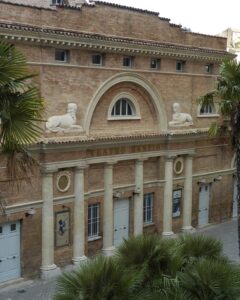
Complete your experience with a visit to the medieval village of Monte Rinaldo, with its cobblestone alleys and panoramic views over the Aso Valley. Not far away, Fermo is worth a stop to discover the Roman cisterns and the Teatro dell’Aquila, gems of a heritage that dialogues with the Picene one.