Discover a 3-day itinerary in Cremona province, perfect for those seeking history and authenticity. Start from the majestic Torrazzo, symbol of the city, and immerse yourself in the medieval atmosphere of the most characteristic villages. You'll visit well-preserved castles like those in Soncino and Pandino, where time seems to have stood still. A journey through the historic villages and fortresses of Cremona province awaits you, with delicious stops to taste the famous torrone and other local products. Ideal for a long weekend or short vacation, this Cremona villages castles itinerary will give you unique emotions among art, history, and traditions.
🗺️ Your trip at a glance
A 3-day itinerary that combines Cremona's iconic symbol with the fortresses and historic villages of its province. A journey through the medieval and Renaissance history and architecture of Lombardy.
- Ideal for those seeking a cultural weekend away from crowded tourist circuits, enthusiasts of medieval history and architecture.
- Highlights: starting from the Torrazzo, the world's tallest masonry bell tower, to explore the Sforza Fortress of Soncino and castles like those in Ostiano and Manfredi.
- Perfect for travelers who enjoy structured itineraries with specific stops and integrated maps, discovering a territory rich in authenticity.
Itinerary stops
Day 1 - Stop no. 1
Torrazzo of Cremona
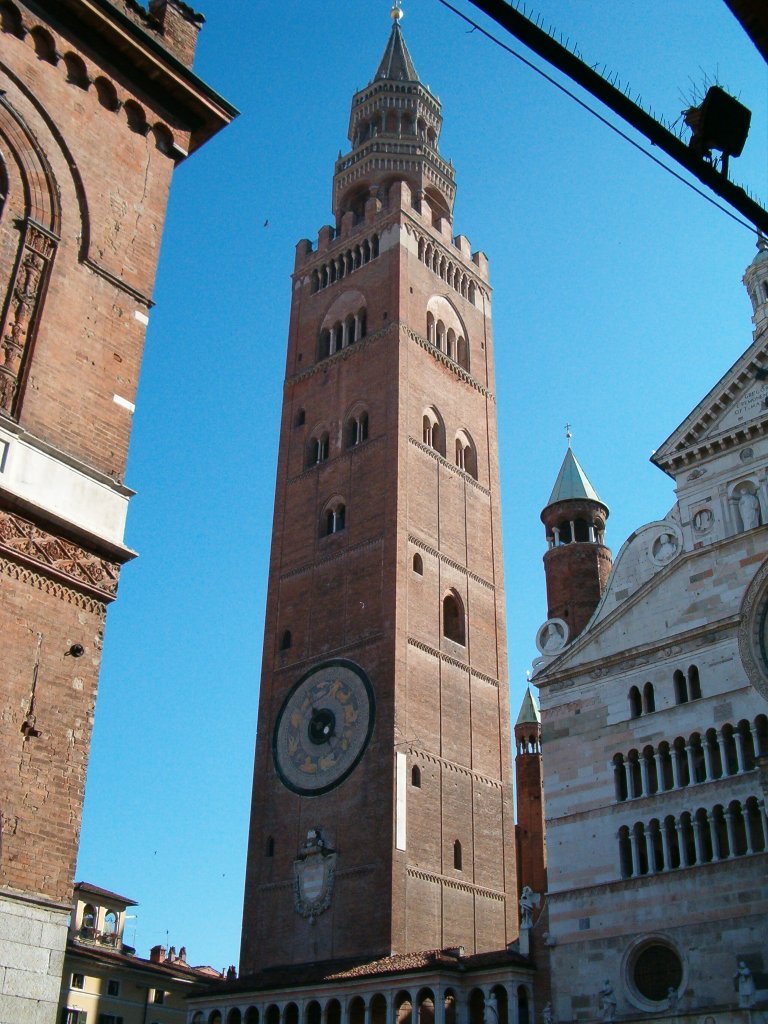 Our 'Cremona: Villages and Castles' itinerary begins right at the city's symbol: the Torrazzo, located in Largo Boccaccino. Standing at 112 meters tall, it's the world's tallest masonry bell tower and dominates Piazza del Comune. The ascent up the 502 steps of the internal spiral staircase is a unique experience that rewards you with spectacular views over the city and the Po Valley. Built between the 13th and 14th centuries, the Torrazzo also houses Europe's oldest functioning astronomical clock, created by Francesco and Giovan Battista Divizioli in 1583. From the summit, you can clearly see the profile of the Cathedral and other historic center monuments, providing a privileged perspective for orienting yourself during the following days of exploration.
- Largo Boccaccino, Cremona (CR)
- Open in Google Maps
- View on Google Images

You should go if...
Day 1 - Stop no. 2
Cremona Baptistery
 The Cremona Baptistery, situated directly opposite the Cathedral in Piazza del Comune, is an architectural gem that masterfully completes the city's monumental complex. Built between the 11th and 12th centuries, this octagonal brick structure represents one of the most significant examples of Lombard Romanesque architecture. Inside, the simplicity of forms and the intimate atmosphere immediately strike visitors, with the baptismal font dominating the central space. The bare walls and narrow windows create evocative lighting, perfect for moments of reflection. Climbing to the upper floor offers a privileged view of the square and the Torrazzo, allowing you to fully appreciate the harmony of the ensemble. Visiting the Baptistery means immersing yourself in medieval Cremona, discovering a place of worship that has maintained its essence intact through the centuries.
- Piazza del Comune, Cremona (CR)
- Open in Google Maps
- View on Google Images
You should go if...
Day 1 - Stop no. 3
Loggia dei Militi
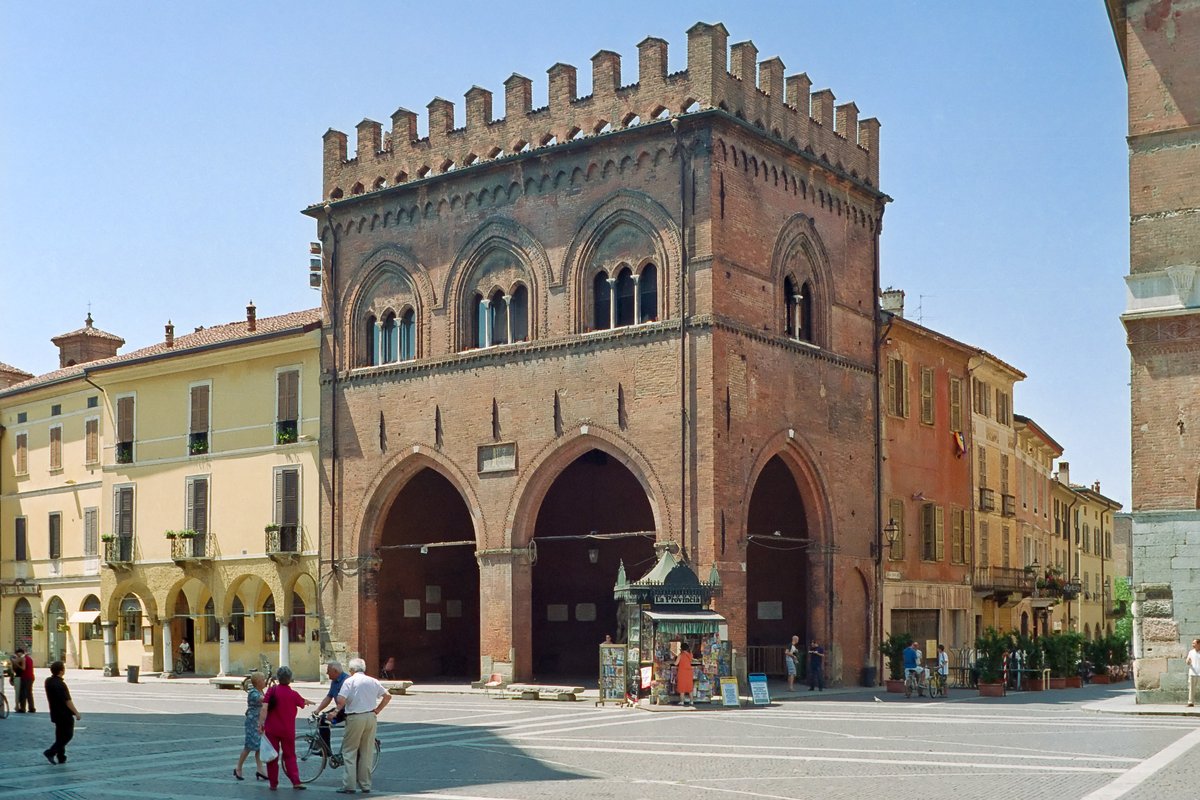 Leaving the Baptistery behind, you'll find yourself facing the Loggia dei Militi, one of Cremona's oldest and most significant buildings. Constructed in 1292, this Gothic brick structure served as the headquarters for the city's militia and represented the civil power of the city. The facade stands out for the elegance of its pointed arches and the precious 14th-century fresco decorating the interior wall. Upon closer observation, you'll notice the heraldic symbols that tell the story of Cremona's medieval guilds. Climbing to the upper floor grants access to the meeting hall, where the atmosphere of ancient assemblies can still be felt today. Its strategic location in Piazza del Comune makes it an integral part of the city's monumental complex, ideally completing the journey between religious and civil power.
- Piazza del Comune, Cremona (CR)
- Open in Google Maps
- View on Google Images
You should go if...
Day 2 - Stop no. 1
Sforza Fortress of Soncino
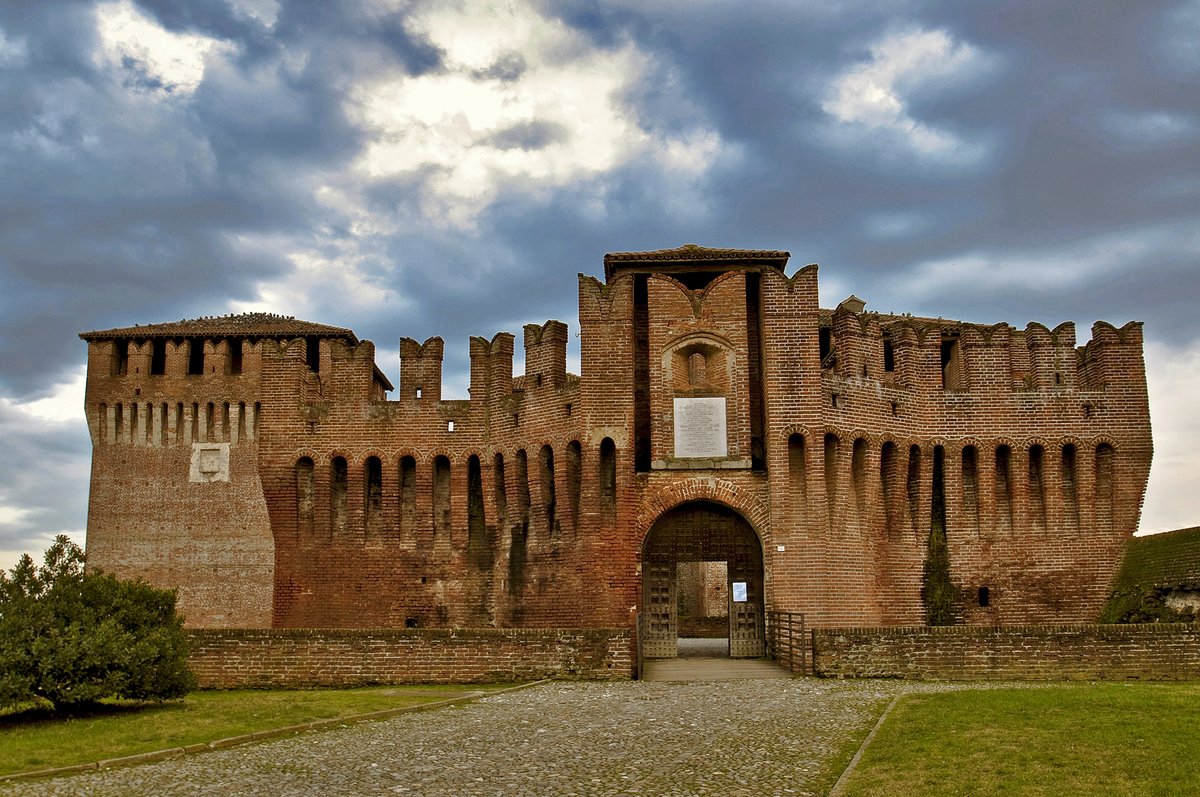 After leaving Cremona, the second day of the itinerary begins with the Sforza Fortress in Soncino, an imposing 15th-century stronghold commissioned by Galeazzo Maria Sforza. The perfectly preserved structure features four corner towers connected by patrol walkways, offering panoramic views of the Cremonese countryside. Inside, visitors can explore frescoed halls, prisons, and a deep well, while the central courtyard often hosts cultural events. The fortress is surrounded by a dry moat and stands majestically on Via Carlo Cattaneo, testifying to Soncino's strategic importance in controlling the borders between Milan and Venice. A place that enchants with its authenticity and wealth of historical details.
- Go to the page: Rocca Sforzesca Soncino: Intact Renaissance Fortress with Prisons and Panoramic Keep
- Via Carlo Cattaneo, Soncino (CR)
- Open in Google Maps
- View on Google Images
You should go if...
Day 2 - Stop no. 2
Pieve of Santa Maria Assunta
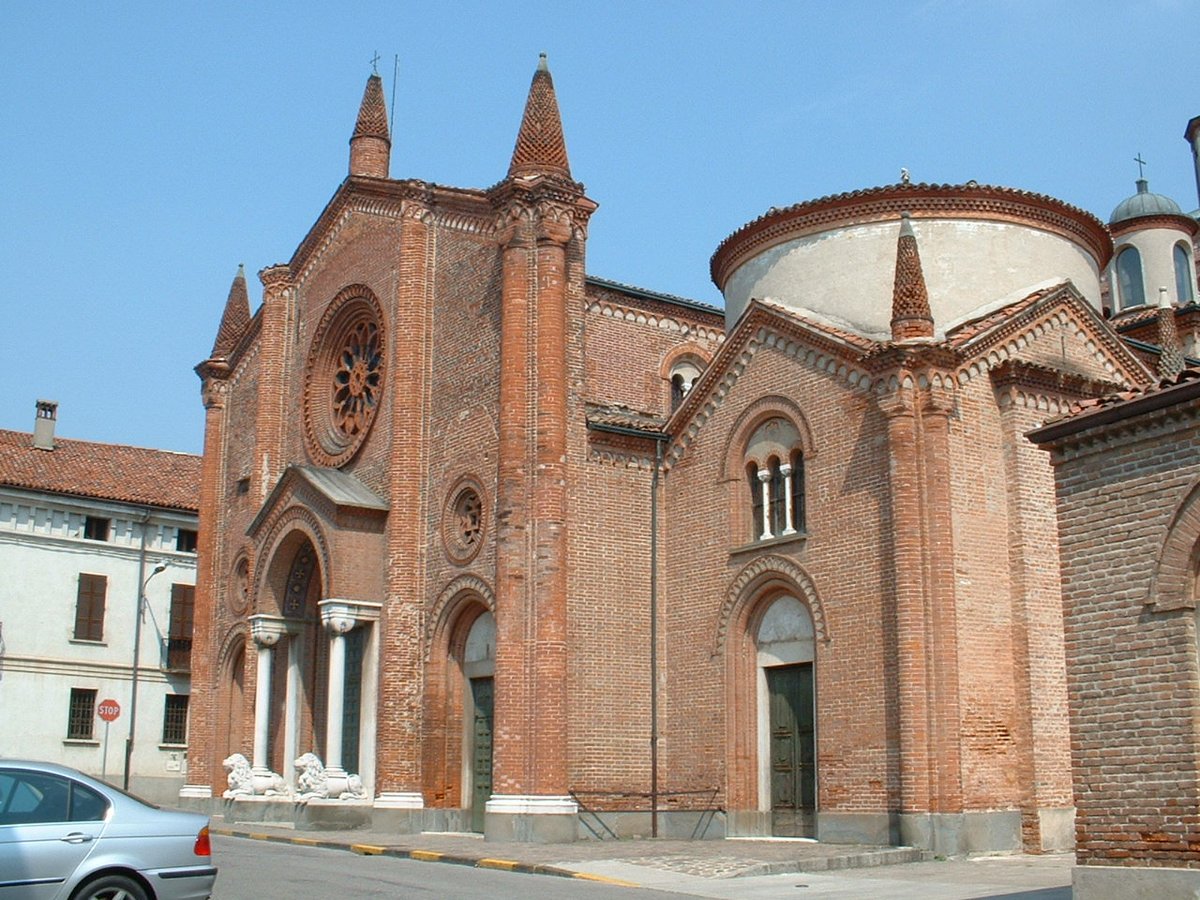 The Pieve of Santa Maria Assunta, located on Via dei Lanaroli in Soncino, is an authentic treasure of Lombard Romanesque architecture. Its brick facade, simple yet elegant, conceals an interior rich with atmosphere, featuring 14th-century frescoes that narrate sacred stories and a single nave that invites contemplation. Built between the 11th and 12th centuries, this church is one of the oldest places of worship in the area, and its location, slightly set back from the center, makes it an ideal destination for a peaceful break during your itinerary. Observe the details of the capitals and the light filtering through the side windows: here, time seems to have stood still, offering an authentic experience away from the crowds.
- Via dei Lanaroli, Soncino (CR)
- Open in Google Maps
- View on Google Images
You should go if...
Day 2 - Stop no. 3
Church of Santa Maria delle Grazie
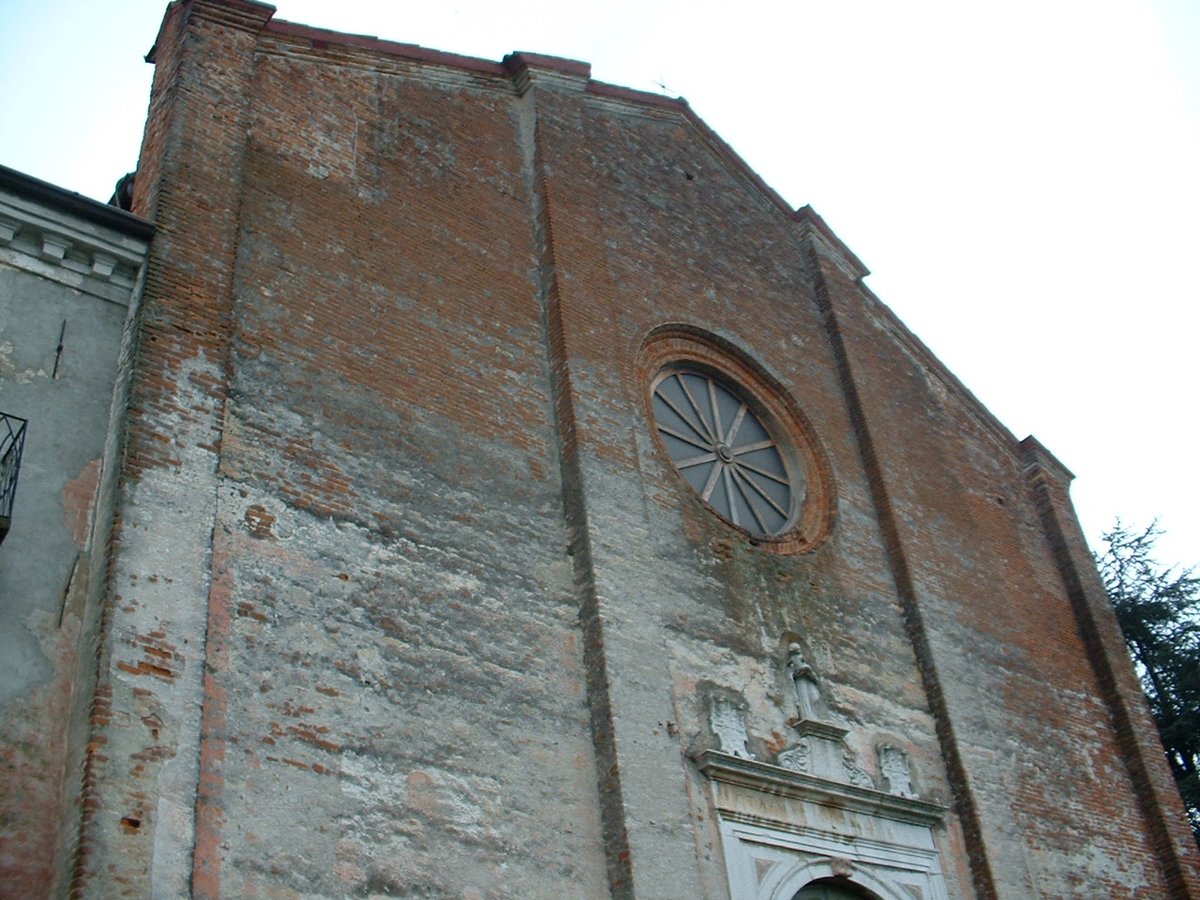 Leaving behind the sober Romanesque elegance of the Pieve, the Church of Santa Maria delle Grazie in Via Francesco Galantino offers a surprising architectural contrast. Built in the second half of the fifteenth century at the behest of Bartolomeo Gadio, the ducal architect, this church represents one of the purest examples of Lombard Renaissance in the province. The brick gabled facade conceals a single-nave interior where precious votive frescoes from the late 15th century stand out, including a Madonna and Child attributed to the school of Foppa. Its slightly isolated position, surrounded by fields, creates an atmosphere of contemplation that invites visitors to linger and admire the details: from the biforate windows to the simple terracotta decoration. The simplicity of forms and the harmony of proportions make this place an unmissable stop for those wanting to discover Cremonese Renaissance off the beaten path.
- Via Francesco Galantino, Soncino (CR)
- Open in Google Maps
- View on Google Images
You should go if...
Day 3 - Stop no. 1
Ostiano Castle
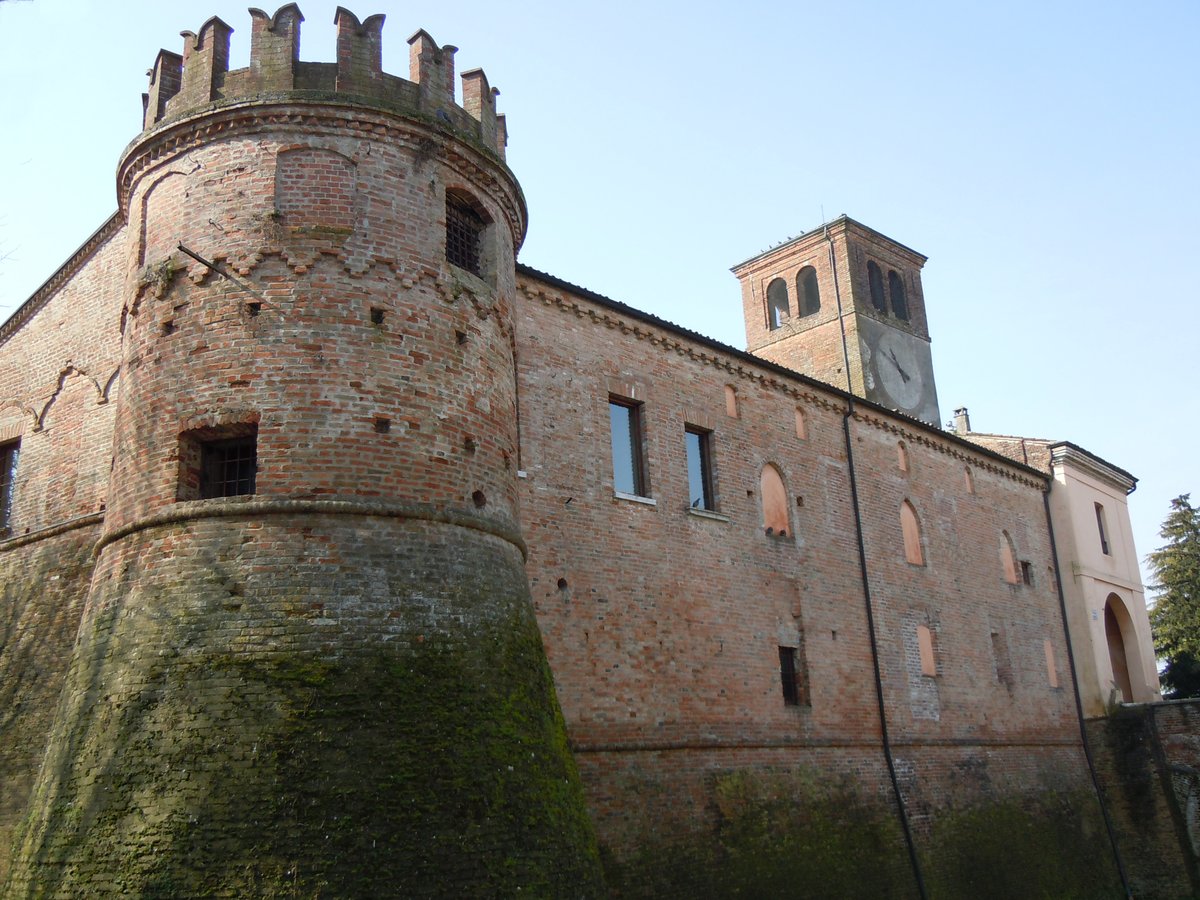 The third day of our "Cremona: Villages and Castles" itinerary begins with Ostiano Castle, located in Piazza Castello at the heart of the village. This fortified complex, dating back to the 12th century, features a massive structure with corner towers and curtain walls that testify to its defensive role along the Oglio River. Its origins are linked to the Gonzaga family, who made it an important military outpost. Today, the castle preserves significant parts such as the keep and underground prisons, offering visitors a journey through time in its restored halls. The elevated position provides panoramic views of the surrounding countryside, ideal for photographs. Throughout the year, it hosts cultural events that enliven the interior spaces, making it a vibrant landmark for the local community.
- Go to the page: Ostiano Castle: Medieval Fortress with Perfect Walls and Views Over the Plain
- Piazza Castello, Ostiano (CR)
- Open in Google Maps
- View on Google Images
You should go if...
Day 3 - Stop no. 2
Castello Gazzo
 The third day of our 'Cremona: Villages and Castles' itinerary takes us to Scandolara Ripa d'Oglio, where Castello Gazzo stands in Vicolo Castello. This medieval manor, dating back to the 12th century, represents one of the lesser-known gems of the Cremona province. Its strategic position along the Oglio river determined its historical importance as a territorial control point. Today it appears as a well-preserved complex with crenellated towers and inner courtyards that tell centuries of local history. The structure maintains the typical appearance of Po Valley fortresses, with exposed bricks and architectural elements showing the evolution from defensive to residential functions. Visiting Castello Gazzo means discovering an authentic corner of Lower Cremona, away from the more beaten tourist circuits.
- Go to the page: Castello Gazzo: Medieval Fortress on the Oglio River with Tower and Pier
- Vicolo Castello, Scandolara Ripa d'Oglio (CR)
- Open in Google Maps
- View on Google Images
You should go if...
Day 3 - Stop no. 3
Manfredi Castle
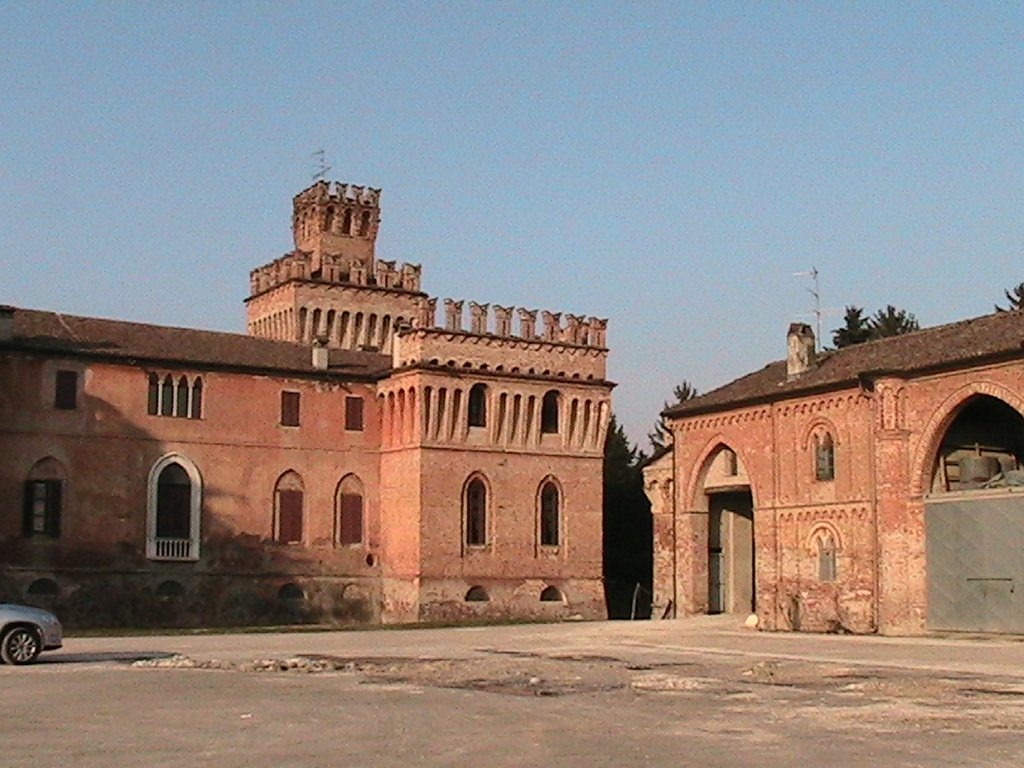 We conclude our 'Cremona: Villages and Castles' itinerary with a visit to Manfredi Castle in Cicognolo, at Via Quattro Novembre. This 15th-century jewel, built by the Manfredi family, stands out for its transitional architecture between the medieval and Renaissance periods. The structure, surrounded by a dry moat, features a quadrangular layout with corner towers and an elegant inner courtyard. The exposed brickwork and biforate windows speak of centuries of local history, while the interiors preserve traces of original frescoes. Today the castle is visitable by reservation, offering an authentic glimpse into the noble life of the Lower Cremonese area. An ideal place to beautifully conclude our journey through the province's fortresses.
- Via Quattro Novembre, Cicognolo (CR)
- Open in Google Maps
- View on Google Images
You should go if...