
If you're looking for a Frosinone province medieval villages itinerary that takes you back in time, this 2-day journey through the gems of Ciociaria is perfect for you. We start with Alatri and its imposing cyclopean walls, an archaeological mystery that will leave you breathless. Then we head to Fumone, where the fortress dominates the valley and tells stories of imprisoned popes. Along the way, we'll discover villages like Veroli and Ferentino, where the Middle Ages can be felt in every alley. I'll guide you step by step through Romanesque churches, noble palaces, and breathtaking views, with practical tips on where to eat and stay to make your journey unforgettable. Get ready to walk among ancient stones and landscapes that seem straight out of a painting!
🗺️ Your trip at a glance
A 2-day itinerary exploring the medieval villages of Ciociaria, away from the most frequented tourist routes. Each stop, from cyclopean walls to papal fortresses, preserves centuries-old stories and breathtaking landscapes.
- Ideal for travelers looking for culture, history, and authentic atmospheres away from crowded paths.
- Highlights: cyclopean walls of Alatri, Fumone fortress with panoramic views, civic museums, and perfectly preserved medieval gates.
- Perfect for enthusiasts of medieval history, ancient architecture, and those seeking a walking journey through well-preserved villages.
Itinerary stops
Day 1 - Stop no. 1
San Sebastiano Abbey
 We begin our itinerary through the medieval villages of Ciociaria precisely from San Sebastiano Abbey, located on Via dell'Abbadia in Alatri. This monastic complex, founded in the 10th century, represents a perfect example of Benedictine architecture that has managed to preserve its charm intact over the centuries. The church, with its Romanesque facade and slender bell tower, welcomes visitors in an atmosphere of contemplation. Inside, you can admire 14th-century frescoes depicting stories of saints and martyrs, while the cloister offers a corner of tranquility ideal for a reflective pause. Its location, just outside the cyclopean walls of Alatri, makes it an essential stop for those who want to immerse themselves in the spirituality of the area before exploring the historic center.
- Go to the page: Badia di San Sebastiano: 10th-century Benedictine monastery with 15th-century frescoes
- Via dell'Abbadia, Alatri (FR)
- http://www.badiasansebastiano.it/
- Open in Google Maps
- View on Google Images

You should go if...
Day 1 - Stop no. 2
Alatri Civic Museum
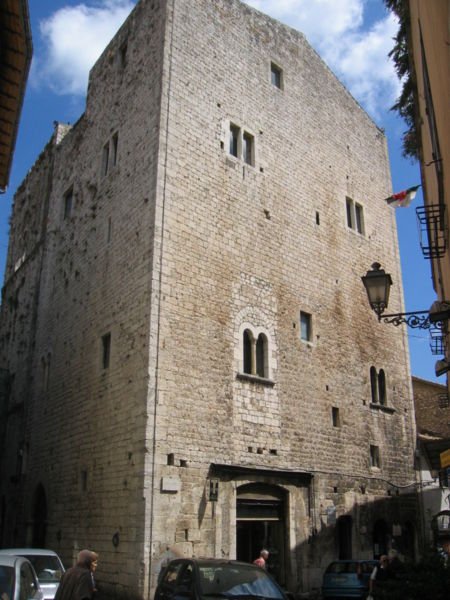 After admiring the imposing Cyclopean walls, the Alatri Civic Museum welcomes you on a journey through the centuries. Located along Corso Cavour, this museum preserves artifacts that tell the story of the pre-Roman and Hernican city. The exhibition halls house ceramics, bronzes, and coins unearthed during local excavations, offering a key to understanding Alatri's origins. Particularly significant is the section dedicated to the acropolis, with models reconstructing the ancient urban layout. The museum itinerary unfolds in evocative settings, where each display case reveals a piece of the civilization that built the majestic megalithic walls. Don't miss the artifacts from the Sanctuary of Feronia, evidence of the area's ancient cults.
- Corso Cavour, Alatri (FR)
- Open in Google Maps
- View on Google Images
You should go if...
Day 1 - Stop no. 3
Saint Francis Gate
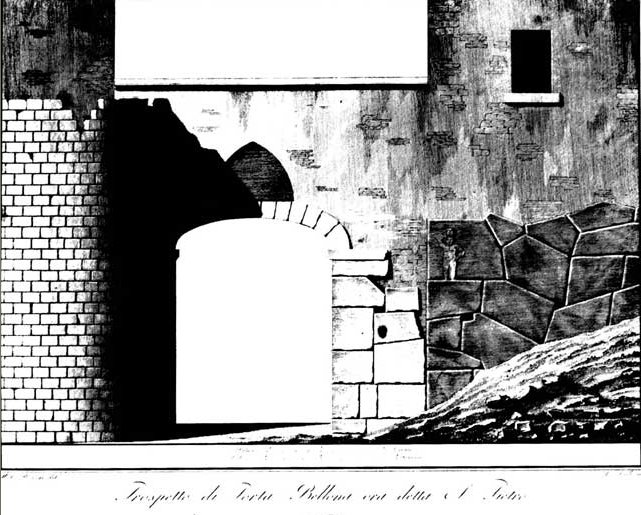 Leaving the Civic Museum behind, you'll find yourself facing Saint Francis Gate, one of the most evocative entrances to the ancient city. Located in Largo Madonna della Libera, this medieval gateway leads you directly into Alatri's historic core. The structure still preserves its original 13th-century layout, with the pointed arch typical of Franciscan architecture. Looking closely, you'll notice the marks of time on the local limestone stones, which tell centuries of passages. Particularly interesting is its strategic position along the ancient route connecting the city center with the surrounding territories. The gate opens onto a small square where locals often gather, creating an authentic atmosphere that blends history and daily life.
- Largo Madonna della Libera, Alatri (FR)
- Open in Google Maps
- View on Google Images
You should go if...
Day 1 - Stop no. 4
Felice Celani Park
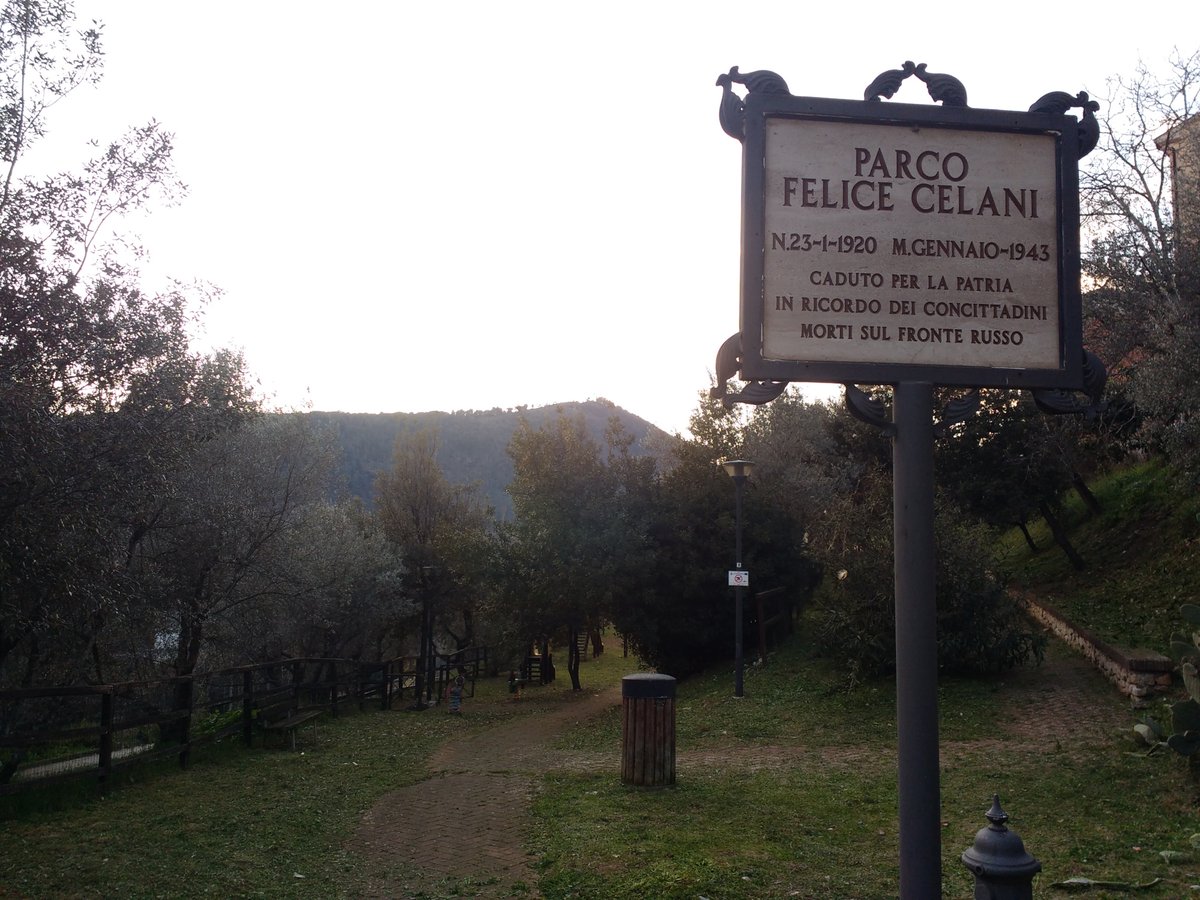 After admiring the imposing cyclopean walls and passing through Porta San Francesco, Felice Celani Park welcomes you as a haven of tranquility in Alatri's historic center. This green space, named after a distinguished citizen of Alatri, stands out for its strategic location at the foot of the acropolis. The tree-lined paths lead you through well-kept flowerbeds and shaded benches, offering unexpected glimpses of the medieval city. Particularly striking is the contrast between the lush nature and the ancient stones that border the park, creating an atmosphere suspended between past and present. Here you can observe locals gathering for afternoon chats, immersing yourself in the daily life of this Ciociaro village. The park represents the ideal spot for a contemplative pause before continuing to the next stop on your journey through the medieval villages.
- Alatri (FR)
- Open in Google Maps
- View on Google Images
You should go if...
Day 2 - Stop no. 1
Fumone Castle
 The second day of our itinerary through the medieval villages of Ciociaria begins splendidly with Fumone Castle, perched on a rocky spur dominating the valley. This fortress, located on Via Regina Margherita, is not just an example of medieval military architecture but contains fascinating stories that will immerse you in the past. The main tower, standing 30 meters high, offers a breathtaking panoramic view of the entire province, while the interior halls preserve period furnishings and historical documents. Particularly interesting is the room where Pope Celestine V was imprisoned, the pontiff of the 'great refusal' mentioned by Dante. The hanging gardens, with their centuries-old plants, create a suggestive contrast with the austerity of the walls. Here you can literally touch the historical layering that characterizes this territory, from its Lombard origins to Renaissance transformations.
- Via Regina Margherita, Fumone (FR)
- https://www.castellodifumone.it/
- Open in Google Maps
- View on Google Images
You should go if...
Day 2 - Stop no. 2
Saint Francis Gate
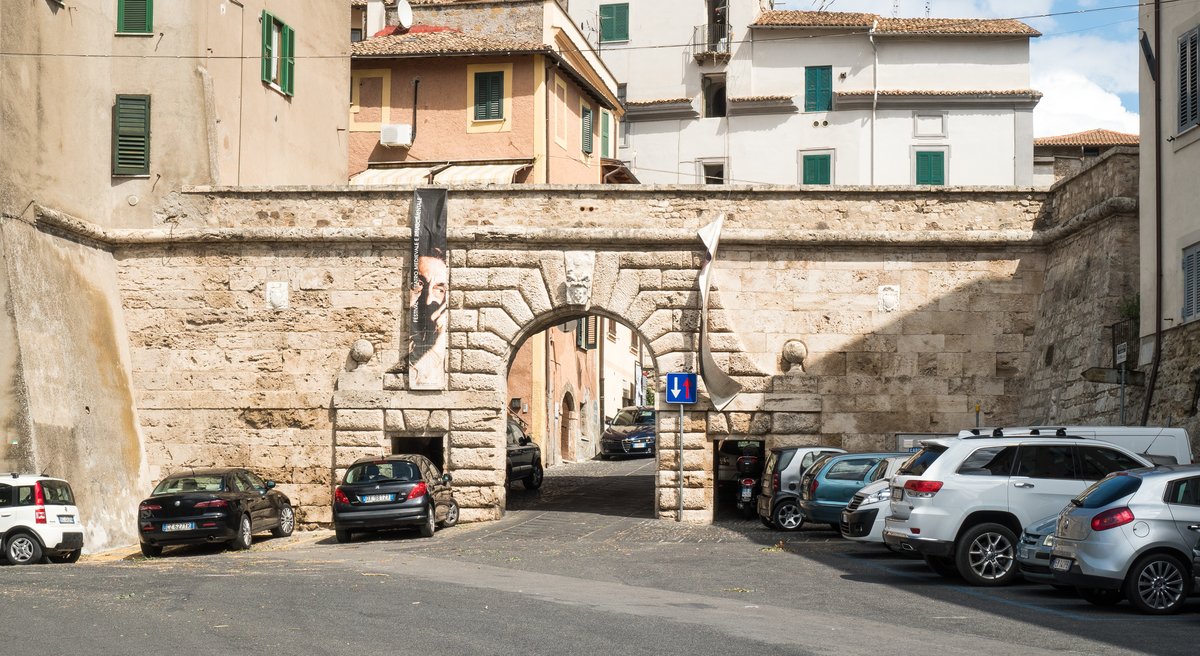 Arriving at Saint Francis Gate, you're met with one of the best-preserved gates in Anagni's historic center. Built in the 13th century, this limestone structure represents a perfect example of medieval defensive architecture, with its pointed arch and traces of the ancient hinges that once supported the heavy door. The gate takes its name from the nearby Church of Saint Francis, founded according to tradition by the saint from Assisi himself during his visit to the city. Looking closely, you can still see the marks of ancient battles and historical passages that have characterized the life of Anagni, the city of popes. Passing through it, you enter directly into the maze of cobblestone alleys leading to the Cathedral and Boniface VIII's Palace, on a journey that seems frozen in time.
- Via Giuseppe Garibaldi, Anagni (FR)
- Open in Google Maps
- View on Google Images
You should go if...
Day 2 - Stop no. 3
Porta Santa Maria
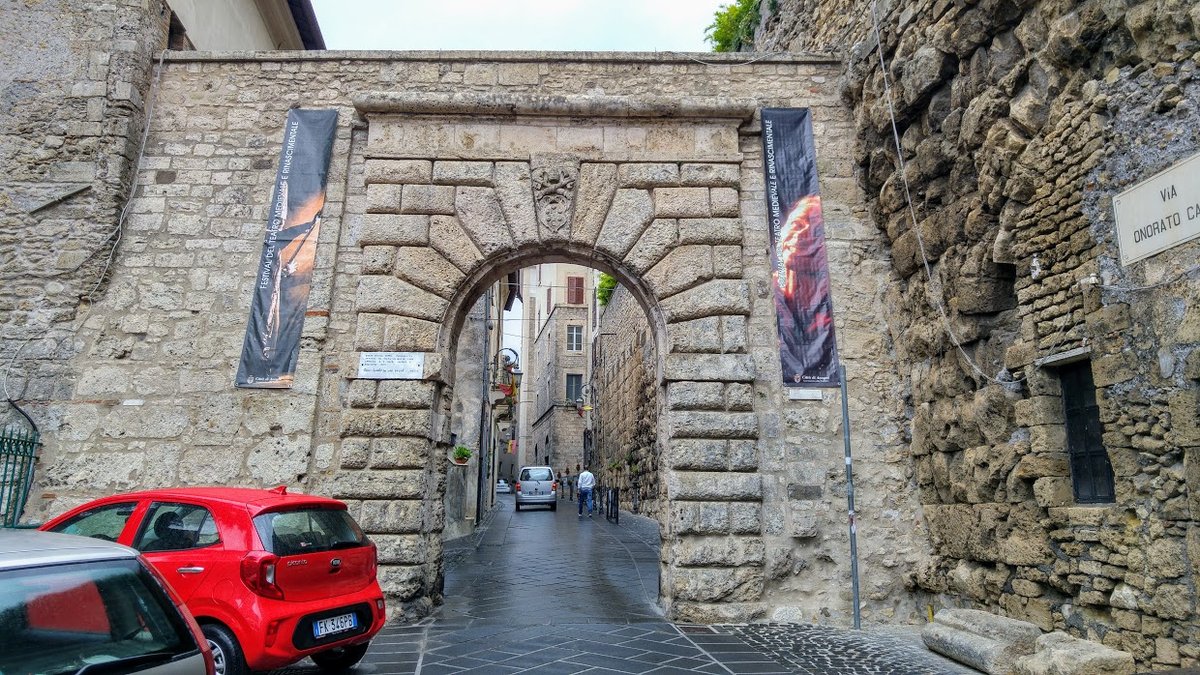 Leaving Porta San Francesco behind, you'll head towards Porta Santa Maria, located along Strada Vittorio Emanuele. This gate represents one of the most significant entrances to Anagni's historic center, characterized by its limestone structure that preserves the intact charm of the 13th century. Passing through it, you enter directly into the city's oldest core, where you can breathe in the atmosphere of the times when Anagni was known as the 'City of Popes'. Looking closely, you'll notice the marks of ancient craftsmanship and traces of the closing systems that once protected the city. The gate takes its name from the nearby Church of Santa Maria, a connection that unites civil and religious architecture in a single historical journey. From here, the path continues toward the city's main monuments, in a continuous flow of discoveries that make this stop essential for understanding Anagni's urban evolution.
- Strada Vittorio Emanuele, Anagni (FR)
- Open in Google Maps
- View on Google Images
You should go if...
Day 2 - Stop no. 4
Boniface VIII Museum
 After admiring Porta Santa Maria, immerse yourself in the historic heart of Anagni by reaching the Boniface VIII Museum in Vicolo San Michele. This exhibition space is dedicated to the figure of Pope Boniface VIII, one of the most influential pontiffs of the Middle Ages and a native of Anagni. The museum houses original artifacts, documents, and reconstructions that illustrate his papacy and the Slap of Anagni, a crucial event of 1303. Among the most significant pieces are papal bulls, sacred furnishings, and ancient maps that recount the temporal power of the Church. The visit unfolds through thematic rooms that also explore the historical context of Ciociaria, with insights into local architecture and folk traditions. It's an opportunity to understand how Anagni, defined as the 'City of Popes', shaped European history.
- Vicolo San Michele, Anagni (FR)
- https://www.archeoares.it/palazzo-bonifacio-anagni/
- Open in Google Maps
- View on Google Images
You should go if...