Brindisi Cathedral: Mosaics, Wooden Choir, and Relics

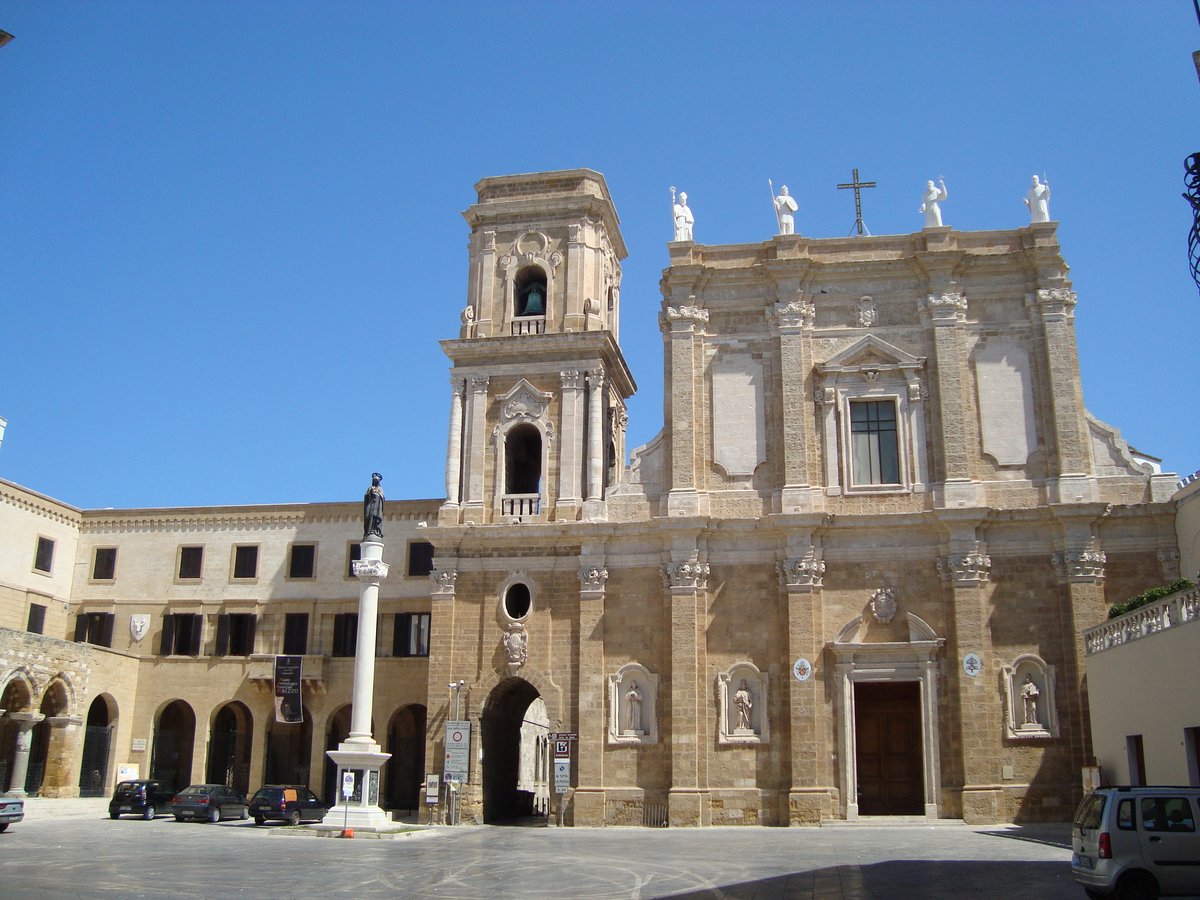
Dedicated to the Visitation and Saint John the Baptist, Brindisi Cathedral is a masterpiece of Norman architecture in Apulia. Built between 1089 and 1143, it preserves precious artworks and fragments of the 1178 mosaic floor. Visiting means immersing yourself in centuries of history, among royal coronations and pilgrimages to the Holy Land.
Highlights:
Floor mosaic from 1178, akin to that of Otranto
Wooden choir from 1594, with historical views of the city
Relics of Saint Theodore and ecumenical chapel since 2010
Free admission and continuous hours 8am-7pm


Events nearby

Copertina itinerario Brindisi Cathedral: Mosaics, Wooden Choir, and Relics
Consecrated by Pope Urban II in 1089, Brindisi Cathedral houses mosaic fragments from 1178, a wooden choir from 1594, and the relics of Saint Theodore. Admire the Norman basilica in Piazza Duomo, a site of royal coronations and weddings.

Good to know


Introduction

Entering Brindisi Cathedral is like diving into history. Consecrated by Pope Urban II in 1089, this Norman basilica in Piazza Duomo is much more than a place of worship. Its mosaic fragments from 1178, the 16th-century wooden choir, and the relics of Saint Theodore make it unique. Walking through the aisles, the atmosphere is solemn yet welcoming, with the scent of ancient wood and wax. This is no ordinary cathedral: kings were crowned here and imperial weddings celebrated. A gem that tells centuries of faith and power.

Introduction

Entering Brindisi Cathedral is like diving into history. Consecrated by Pope Urban II in 1089, this Norman basilica in Piazza Duomo is much more than a place of worship. Its mosaic fragments from 1178, the 16th-century wooden choir, and the relics of Saint Theodore make it unique. Walking through the aisles, the atmosphere is solemn yet welcoming, with the scent of ancient wood and wax. This is no ordinary cathedral: kings were crowned here and imperial weddings celebrated. A gem that tells centuries of faith and power.

Historical Notes

The cathedral was built between 1089 and 1143 in the Apulian Romanesque style. In 1191, Roger, son of Tancred, was crowned King of Sicily here, the first Norman coronation outside Palermo. The following year he married Irene, daughter of the Byzantine emperor. In 1225, Emperor Frederick II married Isabella of Brienne. The earthquake of 1743 severely damaged the structure, which was rebuilt in Baroque style. After various restorations, in 2007 the façade received its current statues in Lecce stone. In 2010, the Chapel of San Teodoro was declared ecumenical.

  • 1089: consecration by Urban II
  • 1143: completion
  • 1178: mosaic floor
  • 1191: coronation of Roger
  • 1225: wedding of Frederick II and Isabella
  • 1743: earthquake and reconstruction
  • 2007: restoration and new statues

Historical Notes

The cathedral was built between 1089 and 1143 in the Apulian Romanesque style. In 1191, Roger, son of Tancred, was crowned King of Sicily here, the first Norman coronation outside Palermo. The following year he married Irene, daughter of the Byzantine emperor. In 1225, Emperor Frederick II married Isabella of Brienne. The earthquake of 1743 severely damaged the structure, which was rebuilt in Baroque style. After various restorations, in 2007 the façade received its current statues in Lecce stone. In 2010, the Chapel of San Teodoro was declared ecumenical.

  • 1089: consecration by Urban II
  • 1143: completion
  • 1178: mosaic floor
  • 1191: coronation of Roger
  • 1225: wedding of Frederick II and Isabella
  • 1743: earthquake and reconstruction
  • 2007: restoration and new statues

Mosaics and Wooden Choir

The cathedral preserves fragments of the mosaic floor from 1178, commissioned by Archbishop William. Similar to the mosaic of Otranto, it features zoomorphic figures and scenes from the Chanson de Roland. Today visible in the left aisle and near the high altar. The walnut wood choir from 1594 is a masterpiece of local carving. Among the panels, Saint George and the dragon stand out with a 16th-century view of Brindisi, and Saint Theodore on horseback against the backdrop of the port. The carver left a self-portrait behind the archbishop’s chair. A triumph of art and history.

Mosaics and Wooden Choir

The cathedral preserves fragments of the mosaic floor from 1178, commissioned by Archbishop William. Similar to the mosaic of Otranto, it features zoomorphic figures and scenes from the Chanson de Roland. Today visible in the left aisle and near the high altar. The walnut wood choir from 1594 is a masterpiece of local carving. Among the panels, Saint George and the dragon stand out with a 16th-century view of Brindisi, and Saint Theodore on horseback against the backdrop of the port. The carver left a self-portrait behind the archbishop’s chair. A triumph of art and history.

Relics and Spirituality

In the chapel dedicated to Saint Theodore of Amasea, co-patron of the city, his remains are preserved. Since January 6, 2010, the chapel has been ecumenical, a place of prayer for Catholics and Orthodox. It also houses the arm of Saint George and the hydria of the Wedding at Cana. The cathedral was a stop for pilgrims heading to the Holy Land and for crusaders before setting sail. An atmosphere of contemplation that unites East and West. Not to be missed: the silver frontal on the main altar and the 18th-century canvases by Oronzo Tiso.

Relics and Spirituality

In the chapel dedicated to Saint Theodore of Amasea, co-patron of the city, his remains are preserved. Since January 6, 2010, the chapel has been ecumenical, a place of prayer for Catholics and Orthodox. It also houses the arm of Saint George and the hydria of the Wedding at Cana. The cathedral was a stop for pilgrims heading to the Holy Land and for crusaders before setting sail. An atmosphere of contemplation that unites East and West. Not to be missed: the silver frontal on the main altar and the 18th-century canvases by Oronzo Tiso.

Why Visit It

Three reasons not to miss the Brindisi Cathedral. First: the medieval mosaics, rare and similar to those in Otranto, offer a unique glimpse into Norman culture. Second: the wooden choir, with details that tell the story of the 16th-century city. Third: the ecumenical chapel, an example of interfaith dialogue. Furthermore, admission is free and the continuous hours (8 AM to 7 PM) make it easy to visit. A dive into history that enriches every traveler.

Why Visit It

Three reasons not to miss the Brindisi Cathedral. First: the medieval mosaics, rare and similar to those in Otranto, offer a unique glimpse into Norman culture. Second: the wooden choir, with details that tell the story of the 16th-century city. Third: the ecumenical chapel, an example of interfaith dialogue. Furthermore, admission is free and the continuous hours (8 AM to 7 PM) make it easy to visit. A dive into history that enriches every traveler.

When to Go

The best time? Early in the morning, around 8 a.m., when light filters through the windows and illuminates the mosaics. Few people, silence, you can enjoy the wooden choir without hurry. Alternatively, late afternoon, when the warm sun caresses the Lecce stone facade. Avoid the central hours in summer due to heat. If you happen to be there, go during an evening service: the atmosphere is evocative. But really, every moment has its charm.

When to Go

The best time? Early in the morning, around 8 a.m., when light filters through the windows and illuminates the mosaics. Few people, silence, you can enjoy the wooden choir without hurry. Alternatively, late afternoon, when the warm sun caresses the Lecce stone facade. Avoid the central hours in summer due to heat. If you happen to be there, go during an evening service: the atmosphere is evocative. But really, every moment has its charm.

Nearby Attractions

A few steps from the cathedral, the Baroque bell tower from 1795 dominates Piazza Duomo. Notice the Roman columns (remains of the Temple of Apollo and Diana) at its base. On the other side, the Seminary Palace (18th century) and the bishop’s residence complete the picture. Stroll towards the port: the Roman Columns, symbol of the city, mark the end of the Appian Way. An itinerary that combines faith, history, and the sea.

Nearby Attractions

A few steps from the cathedral, the Baroque bell tower from 1795 dominates Piazza Duomo. Notice the Roman columns (remains of the Temple of Apollo and Diana) at its base. On the other side, the Seminary Palace (18th century) and the bishop’s residence complete the picture. Stroll towards the port: the Roman Columns, symbol of the city, mark the end of the Appian Way. An itinerary that combines faith, history, and the sea.

Itineraries nearby


💡 Did You Know…?

Did you know that in 1191 Roger was crowned King of Sicily in this cathedral? And that in 1225 Frederick II married Isabella of Brienne here? Tradition holds that crusaders stopped here before setting sail. Among the relics, the wedding jar of Cana stands out, linked to Jesus’ first miracle. A place that unites faith and history.