An Architecture in Dialogue with History
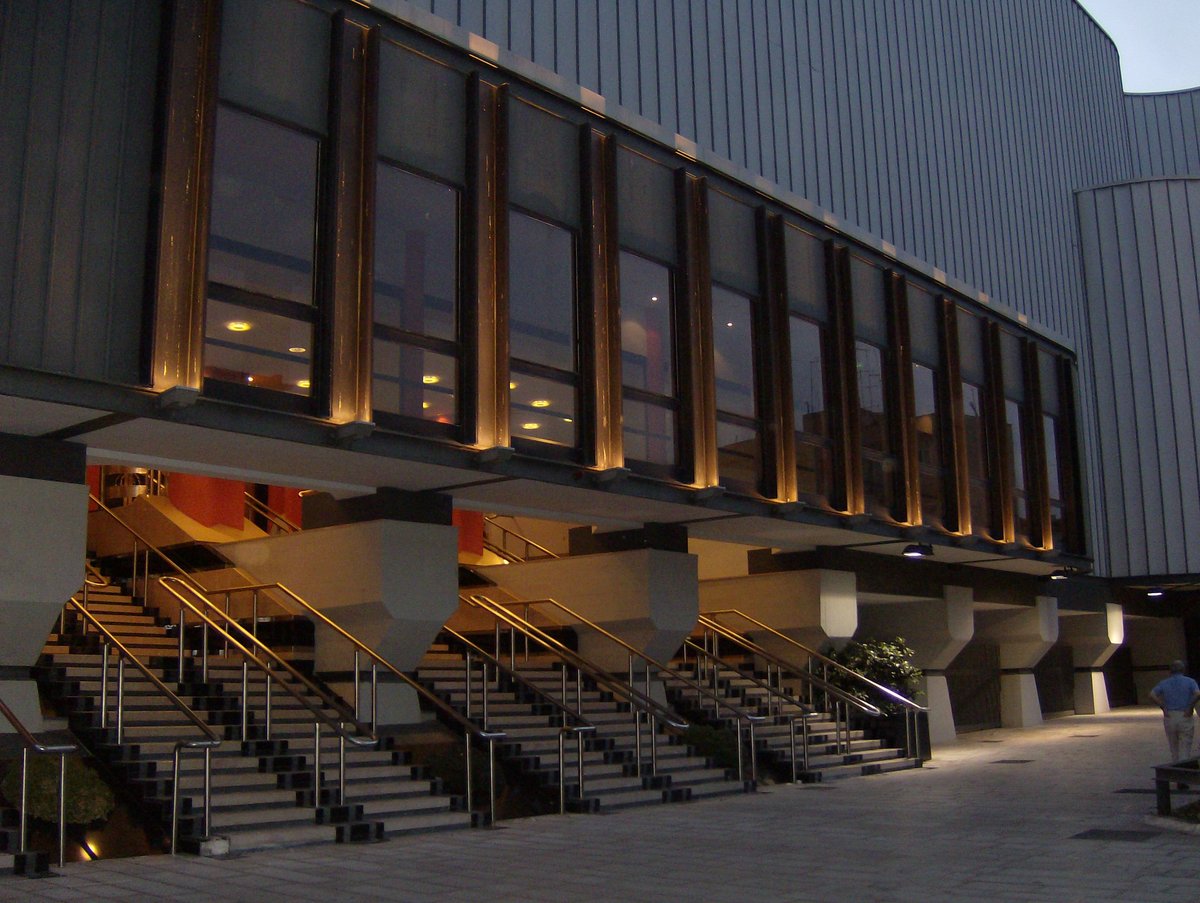
When you arrive at the Nuovo Teatro Verdi in Brindisi, the first thing that strikes you is precisely this: a contemporary building that doesn’t impose itself but gracefully integrates into the fabric of the historic center. It’s not the usual glass and steel cube that seems to have landed out of nowhere. Its clean lines and the play of light on its façades create a harmonious contrast with the ancient palaces surrounding it. It almost seems as if modern architecture wants to pay homage to the past. Inside, however, the atmosphere changes completely. The main hall, with its 800 seats, is a gem of acoustics and design. I was surprised by the sense of intimacy, despite its size. It’s not just a container for performances; it’s a place that invites you to pause and breathe in culture. For me, the true value lies precisely in this ability to be a meeting point between the ancient and the modern, without distorting the soul of the city.
Historical Background
The history of theater in Brindisi is closely tied to the old Teatro Verdi, a place dear to the people of Brindisi that for decades hosted the city’s cultural life. The idea of a new, more spacious and modern theater took shape in the early 2000s with an ambitious project.
The inauguration took place in 2006, marking a new era for performing arts in the province. This was not merely the replacement of a building but a true rebirth, giving the city a state-of-the-art multifunctional space. I recall that, speaking with some locals, there was a mix of nostalgia for the old and curiosity about the new. Today, the Nuovo Teatro Verdi has become the beating heart of Brindisi’s theater season, attracting companies and artists of national caliber.
- Early 2000s: start of the project for a new city theater.
- 2006: official inauguration of the Nuovo Teatro Verdi.
- Today: permanent home to a rich season of drama, dance, and music.
The Theater Season: Not Just Drama
Many think of a theater and imagine only classical plays. Here, however, the programming is a continuous surprise. Yes, there is a solid offering of drama, with contemporary texts and reinterpretations of classics, often featuring excellent Apulian companies that add a local touch. But the real strength, in my opinion, is the mix. In a single season, you can go from a chamber music concert in the smallest foyer, perfect for those intimate atmospheres, to a contemporary dance performance in the main hall, where the choreographies seem to come alive in a space designed specifically for it. I’ve noticed they always dedicate interesting space to young people, with festivals or workshops. It’s not a static program; it breathes, changes, and tries to reach different audiences. For those visiting Brindisi, checking the schedule can offer an unforgettable evening, different from the usual tour of monuments.
Beyond the Main Hall: The Hidden Spaces
The 800-seat hall is majestic, but the theatre conceals lesser-known corners worth discovering. The foyers and multifunctional spaces are vibrant places, not mere waiting corridors. I’ve seen them transform into small galleries for temporary art exhibitions, often featuring works by local artists that engage with the architecture. On some evenings, these spaces become post-performance gathering spots, creating an informal atmosphere for discussing the play just seen. There’s also an internal café, not always mentioned, convenient for a break. This multifunctionality makes the difference: the theatre doesn’t ‘switch off’ between shows but remains a social hub. For visitors, it means experiencing the building even outside performance hours, capturing its more everyday and social aspect.
Why Visit It
First: to experience high-quality culture in a unique architectural setting. It’s not just about going to the theater; it’s about doing so in a building that is itself a well-integrated contemporary work of art. Second: for its accessibility. It’s just steps away from the seafront and the historic center, so you can easily include it in a city tour itinerary, perhaps pairing it with dinner at nearby restaurants. Third, perhaps the most practical reason: the variety of programming. Whether you’re passionate about classical theater, modern dance, or music, you’re unlikely to leave disappointed. It offers a high-quality evening alternative that significantly enriches a vacation in Salento.
When to Go
I would avoid going just to see the building from the outside during the day. To truly capture its soul, evening is the magical time. When the sun sets, the lights come on and the architecture takes on a completely different character—more theatrical and evocative. Ideally, I would go on an evening when there’s a performance, even just to witness the comings and goings of people arriving, the atmosphere of anticipation in the foyer. As for the season, the main programming usually runs from autumn to spring. In summer, there are sometimes special events or festivals, but the cooler weather of the intermediate months pairs better with an evening at the theater after a day of exploration.
In the Surroundings
After leaving the theater, you find yourself in the heart of Brindisi. A short walk of just a few minutes takes you directly to the Lungomare Regina Margherita, perfect for an evening stroll with views of the piers and the lights of the port. For a thematically linked cultural experience, a short distance away is the Francesco Ribezzo Provincial Archaeological Museum. Here you can immerse yourself in the ancient history of the city, from the Messapians to the Romans, creating an interesting contrast between the contemporary art of the theater and the testimonies of the most remote past.