
Capo Testa is a granite promontory at the northern tip of Sardinia, shaped by the Mistral wind into spectacular forms. It offers a geological and natural experience with transparent waters and breathtaking views.
- Granite rocks sculpted by wind into almost surreal shapes
- Valle della Luna coves with crystal-clear waters ideal for snorkeling
- Panoramic trail to the lighthouse with views of Corsica and the Maddalena Archipelago
- Easy access with paid parking near the sandy isthmus
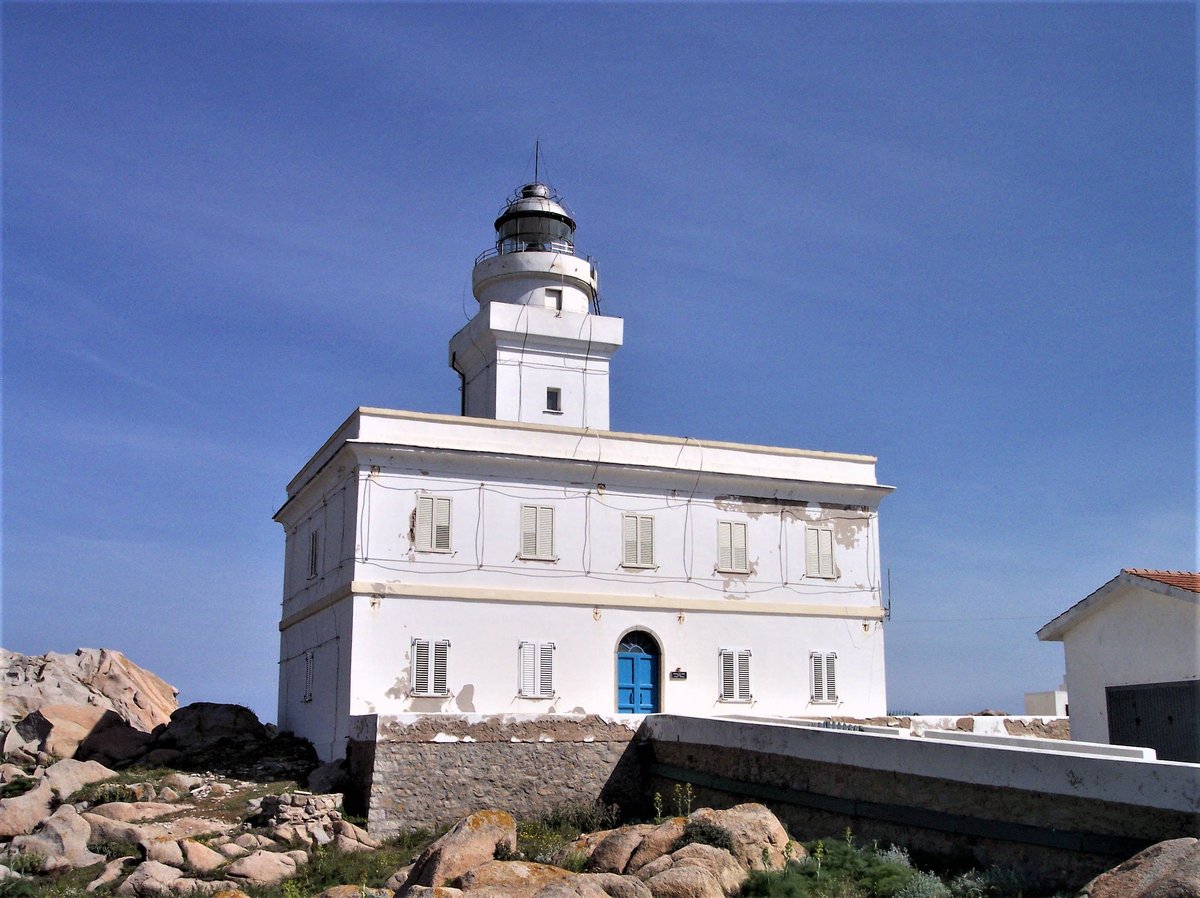
Granite promontory in Sardinia with rocks carved by the Mistral wind, Valle della Luna coves for snorkeling, and panoramic trail to the lighthouse. Paid parking near the sandy isthmus.
- Cala Francese, Sassari (SS)
- Open in Google Maps
- View on Google Images Capo Testa a Sassari
Good to know
Introduction
Capo Testa is not just a promontory; it’s an experience that strikes you immediately. You arrive and see those granite rocks, sculpted by wind and sea into almost surreal shapes, plunging into crystal-clear water. It looks like a lunar landscape, but with the intense blue of the Mediterranean all around. The feeling is of being at the edge of the world, with Corsica sometimes glimpsed on the horizon. It’s not a place to visit in a hurry; it invites you to slow down, to walk among the rounded boulders, to seek out hidden coves. The air smells of salt and Mediterranean scrub. For me, it’s one of those places that stays in memory more for the emotions than the photos.
Historical Notes
This headland has not always been a place of peace and beauty. Its strategic position made it a crucial observation point for centuries. The Romans, recognizing its value, built a quarry here to extract granite, later used for important monuments. Traces of that activity are still visible in some abandoned squared blocks. In the Middle Ages, it became a control outpost, with watchtowers against pirate raids. More recently, during World War II, it housed military positions. Today, mostly suggestions of that past remain, but walking here, one feels the weight of history in every stone.
- Roman era: exploitation of granite quarries
- Middle Ages: construction of watchtowers
- World War II: installation of military positions
- Today: natural site and tourist destination
The Secret Coves of Valle della Luna
When you think of Sardinia’s beaches, you might picture long stretches of sand. At Capo Testa, it’s different. Here, the treasure lies in the coves—small inlets between the rocks that seem designed for those seeking an intimate connection with the sea. The most famous is perhaps Valle della Luna, reachable with a short walk from the main parking area. The water is so clear you can see every stone on the bottom, and fine sand mixes with smooth pebbles. Be aware, though: don’t expect amenities or sun umbrellas. It’s a wild spot where you bring everything you need and take it all back with you. I visited on a day with a light breeze, and the sound of waves crashing against the rocks was the only soundtrack. Perfect for peaceful snorkeling, perhaps observing fish swimming among the rocks.
The Panoramic Trail to the Lighthouse
To truly understand Capo Testa, you must walk the trail that leads to the lighthouse. It’s not a challenging hike, but it offers breathtaking views. Starting from the Cala Spinosa area, follow the marked path through the Mediterranean scrub. At every turn, the view opens up to the sea in a different way: on one side, the island of La Maddalena, on the other, the coast towards Santa Teresa Gallura. The lighthouse, white and solitary, seems to watch over it all. The best time? I’d say late afternoon, when the sun begins to set and paints the rocks in warm hues, from gold to pink. It’s a place where you stop in silence, perhaps sitting on a granite outcrop, watching boats pass in the distance. I recommend comfortable shoes, as the terrain can be uneven, and a camera, even your phone’s, because every corner deserves a shot.
Why Visit
First: for its geological uniqueness. You won’t easily find another place in Sardinia where granite has been shaped into such spectacular forms by wind and sea, creating a natural labyrinth of rocks and passages. Second: for the variety of experiences in a relatively compact space. In just a few hours, you can take a dip in a crystal-clear cove, go on a panoramic trek to the lighthouse, and simply lose yourself exploring the rock formations. Third, but no less important: for the feeling of freedom and wilderness. It’s not an over-organized place; there are no entrance tickets or fixed paths. It offers an authentic connection with powerful and majestic nature, away from the crowds of the more popular beaches.
When to Go
Late spring and early autumn are magical. In May or September, for example, temperatures are mild, perfect for walking without suffering the heat, and the sea is often still (or already) warm enough for a swim. The wind, which is a key player here, tends to be less persistent compared to the peak summer months. Summer can be splendid for the sea, but it’s also the busiest and sometimes windiest period. If you decide to go in July or August, aim for the early morning or late afternoon for excursions, leaving the midday hours for beach relaxation. In winter, however, the spectacle is for lovers of stormy seas and dramatic skies, but the experience is entirely different—more introspective and wild.
In the Surroundings
A visit to Capo Testa pairs perfectly with a trip to Santa Teresa Gallura, the nearest village. It’s not just a practical base but a pleasant place for a stroll through the center, perhaps as far as the beautiful Rena Bianca beach, and to sample something at one of the harbor’s eateries. Another experience that completes the picture is a boat trip to the Monaci and Corcelli islets, just off Capo Testa. They are integral nature reserves, so landing is not permitted, but seeing them up close, with their rocks and surrounding sea, offers another perspective on the beauty of this stretch of coastline. Some local operators organize mini-cruises departing from Santa Teresa’s harbor.
💡 Did You Know…?
The rock formations of Capo Testa have inspired local legends: some rocks are said to resemble an elephant and a human head, carved not by man but by the elements. Historically, the area was exploited by the Romans for granite quarries, and traces of that activity can still be seen today. In spring, the promontory is covered with blooming Mediterranean scrub, with intense scents of helichrysum and myrtle. At sunset, the grazing light turns the rocks to gold, a spectacle few know about but which makes the visit unforgettable.