Castel Welsperg: Authentic 12th-Century Medieval Castle with Dolomites View

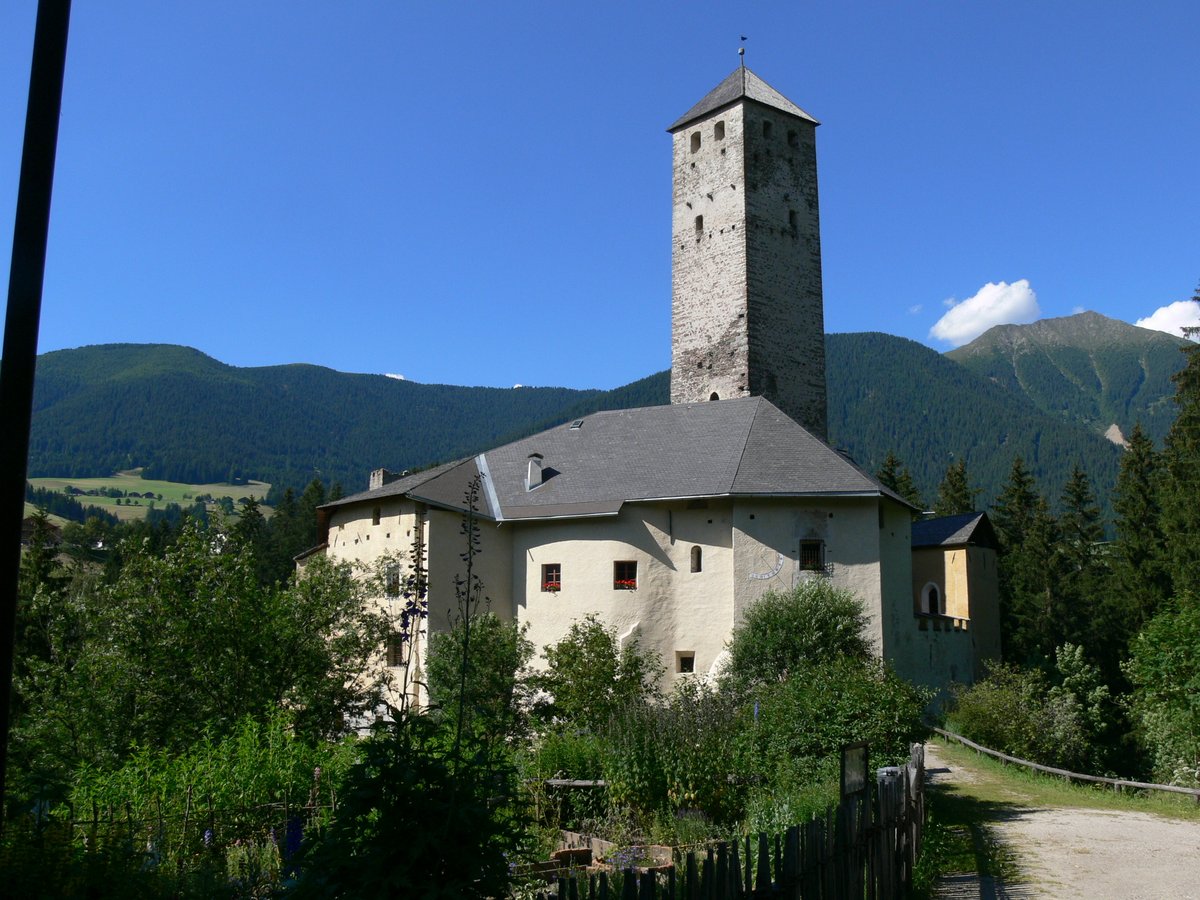
Castel Welsperg is an authentic 12th-century medieval castle in Welsberg-Taisten, perfect for families and history enthusiasts. With its square stone tower, well-preserved walls, and original furnishings, it offers a no-frills journey back in time. The strategic location just minutes from Monguelfo-Tesido makes it easily reachable with convenient parking and a short access trail suitable for everyone.

  • Authentic medieval castle from the 12th century with square stone tower and well-preserved walls
  • Panoramic view of the Sesto Dolomites and Puster Valley from every window
  • Original furnishings and explanatory panels recounting the life of the Welsperg lords
  • Guaranteed accessibility with convenient parking and short trail suitable for all
Copertina itinerario Castel Welsperg: Authentic 12th-Century Medieval Castle with Dolomites View
Castel Welsperg in Welsberg-Taisten: 12th-century medieval castle with square stone tower, original furnishings, and panoramic view of the Sesto Dolomites. Accessible with convenient parking and short trail.

Good to know


Introduction

Perched on a rocky spur in Welsberg-Taisten, Welsperg Castle dominates the Puster Valley with a presence that seems carved from the very rock of the surrounding Dolomites. It is not just a castle, but a panoramic balcony overlooking the UNESCO World Heritage site, where medieval history blends with breathtaking landscapes. Its easily accessible location makes it a perfect stop even for a brief visit, offering an immediate glimpse of the majesty of South Tyrol. Seeing it illuminated by the afternoon sun, with its towers silhouetted against the peaks of the Fanes-Sennes-Braies Nature Park, is an image that stays with you.

Historical Overview

The origins of Castel Welsperg date back to 1126-1140, founded by the Lords of Welsperg, a powerful ministerial family of the bishops of Bressanone. For centuries it served as the administrative center of the area, passing through various ownerships, including the Counts of Gorizia. In the 16th century, it was expanded and transformed into a Renaissance residence, partially losing its original defensive function. Today, after careful restoration, it is privately owned but open to visitors, preserving the atmosphere of a manor that has witnessed centuries of local history.

  • 1126-1140: Foundation by the Lords of Welsperg.
  • Middle Ages: Administrative center of the Puster Valley.
  • 16th century: Transformation into a Renaissance residence.
  • Today: Privately owned, restored and open for visits.

The Visit: Between Courtyards and Panoramas

The visit to Castel Welsperg is a concentrated and evocative experience. You enter through an arched portal that leads into a well-preserved inner courtyard, the heart of the castle. Here, you can breathe in the atmosphere of times gone by. The interior rooms, though not always fully accessible at all times, often host temporary exhibitions of local art or history, adding a contemporary touch to the ancient structure. But it’s by climbing to the higher parts, or simply leaning out from strategic points in the courtyard, that you understand the true value of the place: the 360-degree view over the Pusteria Valley and the Sesto Dolomites is unparalleled and alone worth the trip.

A Family-Friendly Castle

Castel Welsperg is an ideal destination for families, not just for its accessibility. The atmosphere is intimate and safe, away from the crowds of larger sites. Children can run around the cobblestone courtyard and imagine knightly tales, while the short walk from the village is manageable even with sturdy strollers. Often, in summer, the village of Monguelfo organizes events or small medieval fairs involving the castle, creating a lively and engaging atmosphere for the little ones. It’s a simple way to introduce them to history without boring them, in a spectacular natural setting.

Why Visit It

Visiting Castel Welsperg is worthwhile for three practical reasons. First, it offers an immediate historical and scenic impression: in a short time, you get a perfect taste of South Tyrolean history and Dolomite beauty. Second, it’s an excellent low-cost and less crowded alternative compared to other more famous castles in the province, ideal for those seeking authenticity without queues. Third, its location makes it a perfect starting point for exploring the Puster Valley: after the visit, you’re already in the heart of the area, ready for other excursions.

When to Go

The best time for a visit is late afternoon in summer or early autumn. During these hours, the warm sunlight enhances the castle stones and surrounding mountains, creating spectacular photographs and a particularly evocative atmosphere. In summer, the weather is ideal for enjoying the view without the cold; in autumn, the foliage of the woods surrounding Welsberg-Taisten adds a touch of colorful magic to the scenery. Avoid the midday hours on very hot summer days if you prefer milder temperatures for the climb.

In the Surroundings

A visit to Welsperg Castle can be perfectly combined with a nature experience. Just a few minutes’ drive away, you’ll find access to Lake Braies, the jewel of the Dolomites, for a relaxing walk along its shores. Alternatively, for a deeper historical-geological insight, it’s worth visiting the Dolomythos Museum in San Candido, which engagingly tells the story of the formation of the Dolomites and the human history of the region, completing the picture begun with the castle.

💡 Did You Know…?

A local legend tells that the ghost of a Welsperg knight still watches over the castle, especially on full moon nights. Historically, the manor housed a writing school in the 15th century, where illuminated manuscripts were copied: some fragments are preserved in the diocesan archive of Brixen. During restorations, a secret passage was discovered connecting the cellars to an external spring, used for supplies during sieges. Today, the remains of the terraces where vines were cultivated can still be found in the surroundings, an unusual practice for these altitudes.