Crypt of Sant’Anastasio Asti: Romanesque Columns and Medieval Lombard Artifacts

The Crypt and Museum of Sant’Anastasio in Asti offers an authentic historical experience with artifacts ranging from the Lombard era to the Middle Ages. Located beneath the church in the historic center, it features Romanesque columns and a suggestive atmosphere. The attached museum displays Lombard funerary steles, fragments of medieval frescoes, and evidence of ancient daily life.

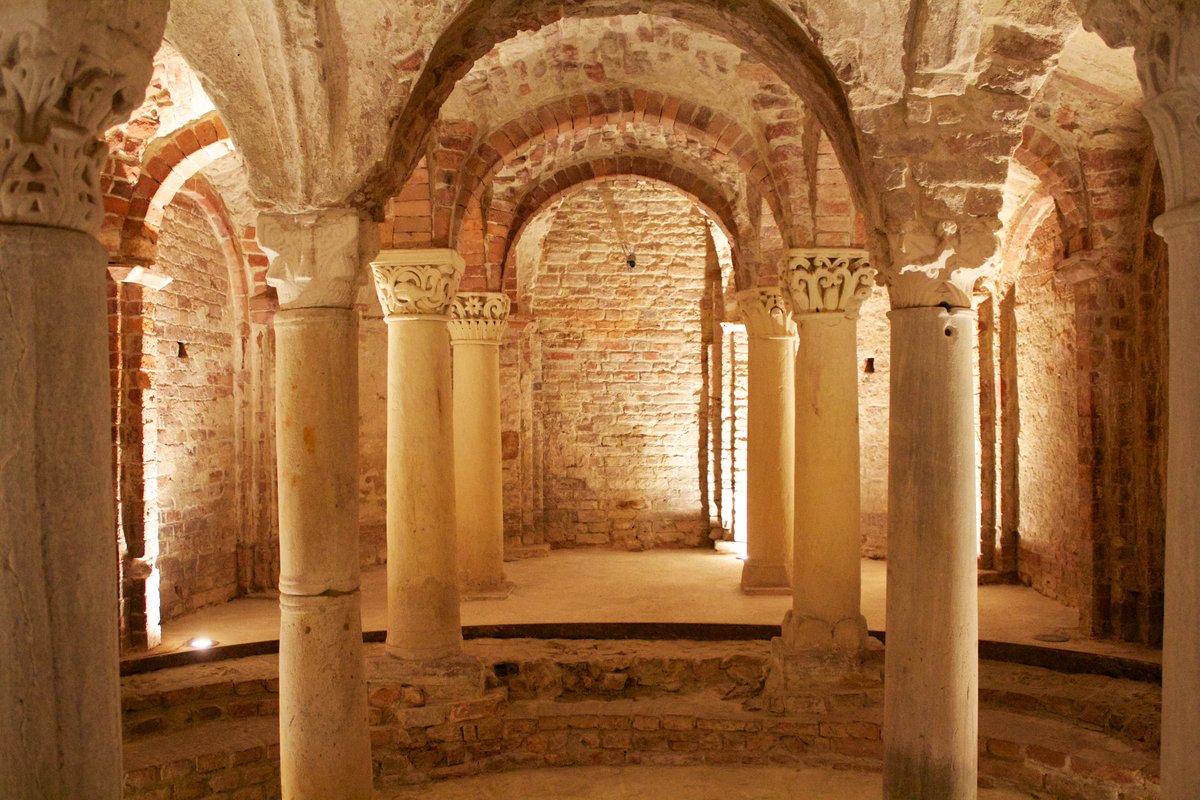
  • Romanesque columns and carved medieval capitals in the underground crypt
  • Lombard funerary steles with Latin inscriptions in the museum
  • Archaeological finds from the 8th-9th centuries to the Middle Ages
  • Intimate and authentic atmosphere away from more frequented tourist routes


Events nearby


Copertina itinerario Crypt of Sant'Anastasio Asti: Romanesque Columns and Medieval Lombard Artifacts
The Crypt and Museum of Sant’Anastasio in Asti houses Romanesque columns, carved capitals, and Lombard funerary steles in an underground archaeological complex in the historic center.

Good to know


Introduction

Descending into the Crypt of Sant’Anastasio in Asti is like stepping through a portal in time. You’re greeted by an intimate atmosphere where stone columns and medieval capitals tell stories of centuries past. The complex, located in the heart of Asti’s historic center, uniquely blends archaeology and spirituality. It’s not just a museum, but a place that preserves the city’s essence, from Lombard artifacts to remnants of the ancient cathedral. Visiting means discovering an authentic piece of Asti, away from the beaten path.

Historical Overview

The history of the Crypt and Museum of Sant’Anastasio dates back to the Early Middle Ages. The site stands on the remains of a Paleo-Christian church dedicated to Sant’Anastasio, Bishop of Asti in the 5th century. Among the most significant finds are the Lombard burials and sculptural fragments from the 8th-9th centuries, which testify to the site’s importance as a center of power and worship. In the 12th century, with the construction of the new cathedral, the crypt assumed a secondary role but continued to preserve precious memories. Today, archaeological excavations have also uncovered traces of Roman buildings, confirming the historical stratification of the site.

  • 5th century: first evidence of the church dedicated to Sant’Anastasio
  • 8th-9th centuries: Lombard period, with burials and sculptures
  • 12th century: construction of the new cathedral and reduction of the crypt’s importance
  • Subsequent centuries: used as an auxiliary space until museum restoration

The Crypt: Architecture and Atmosphere

The crypt impresses with its Romanesque simplicity, featuring cross vaults supported by massive columns. The soft lighting enhances the stone textures, creating an intimate and evocative atmosphere. Here, capitals decorated with vegetal and geometric motifs typical of Piedmontese medieval art are preserved. Particularly interesting are the remains of the original apse and the column bases, which allow one to imagine the building’s appearance in the early medieval period. It’s not a grandiose place, but its authenticity makes you feel the weight of history.

The Museum: Artifacts and Discoveries

The museum attached to the crypt houses a collection of artifacts recovered during excavations. Notable highlights include the Lombard funerary steles, with Latin inscriptions revealing names and social statuses, and fragments of medieval frescoes. Also remarkable are the remains of ceramics and coins, which help reconstruct daily life in ancient Asti. One section is dedicated to the stone materials from the first cathedral, including decorative elements reused in later periods. Each object is accompanied by clear explanations, without excessive technical jargon.

Why Visit

Three concrete reasons not to miss the Crypt and Museum of Sant’Anastasio: first, it’s one of the few sites in Piedmont where you can touch the tangible presence of the Lombards through authentic, well-contextualized artifacts. Second, the intimate atmosphere of the crypt offers an immersive experience, far from the tourist crowds. Third, the visit pairs perfectly with a stroll through Asti’s historic center, enriching your understanding of the city without requiring much time.

When to Go

The best time to visit the crypt is during the midday hours, when natural light filters through the openings and enhances the architectural details. Avoid crowded weekends if you prefer a more tranquil atmosphere. In autumn, the contrast between the intimate interior space and the vibrant foliage colors outside adds a touch of enchantment.

In the Surroundings

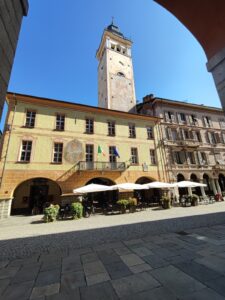
Just steps away from the crypt, it’s worth visiting the Troyana Tower, one of Asti’s symbols, which offers a panoramic view over the city and surrounding hills. For a themed experience, the Asti Diocesan Museum, with its sacred treasures, completes the journey through local religious history.

Itineraries nearby


💡 Did You Know…?

The crypt preserves traces of an ancient Paleo-Christian baptistery, a rare testimony in Piedmont. During restoration work, early medieval burials with funeral goods emerged, telling the story of the Asti community between the 8th and 10th centuries. Particularly evocative is the system of pillars supporting the upper church, a work of medieval engineering still perfectly preserved.