Introduction
As soon as you arrive, you’re greeted by a silence that seems impossible just steps from the sea and the center of Pescara. The Pineta Dannunziana Nature Reserve is exactly this: a 53-hectare green lung that makes you forget you’re in the city. You walk among towering maritime pines, smell the scent of resin and damp earth, and occasionally glimpse the sea through the branches. It’s not just a park—it’s a sensory experience. I come here often when I need to disconnect, and every time I’m amazed at how this oasis manages to blend wild nature with urban convenience. If you’re looking for a place to breathe, literally, this is the right spot.
Historical Notes
This pine forest has not always been a nature reserve. Its history is closely tied to Gabriele D’Annunzio, who loved to walk here and draw inspiration. Originally part of a larger coastal dune system, in the 1950s it was decided to protect it from urban expansion.
In 2000, it officially became a Regional Nature Reserve, a recognition that has safeguarded its biodiversity. Fun fact: some trees are over a hundred years old, silent witnesses to bygone eras. The timeline summary:
- Before 1900: natural dune area along the coast
- 1950s: first protective measures against urbanization
- 2000: establishment of the Regional Nature Reserve
- Today: protected area of 53 hectares with cycling and walking paths and equipped areas
Trails and Birdlife
You’ll never get bored here. The cycling and walking paths are well-marked and suitable for everyone, including families. I prefer the central trail, which winds through the densest pine groves and occasionally offers glimpses of the sea. But the real magic is the birdlife: with a bit of patience (and quiet), you can spot hoopoes, green woodpeckers, and if you’re lucky, a peregrine falcon. I brought a bird guide last time and we counted about ten different species in an hour. It’s not uncommon to hear their calls among the trees, especially at dawn. For the more active, there are also equipped fitness areas, but I prefer a simple walk, perhaps stopping on one of the wooden benches to observe the slow-paced life around.
Hidden Corners and Relaxation
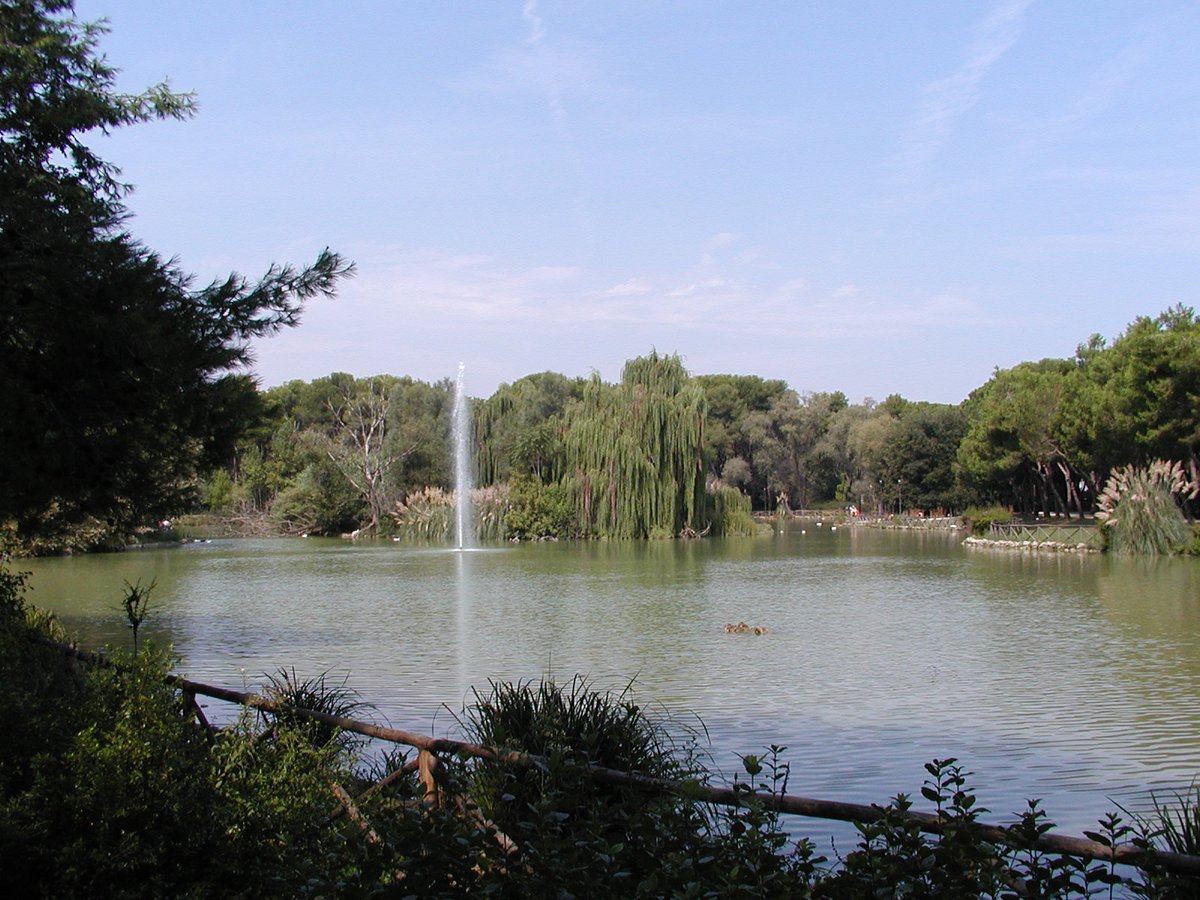
Beyond the main trails, the pine forest hides perfect spots for relaxation. My favorite is a small clearing near the artificial pond, where dragonflies gather in summer and the air is cooler. It’s the ideal place for a picnic or reading a book away from the noise. There are also areas with tables and benches, but I find the more secluded ones have a special charm. If you visit the reserve with children, look for the wooden sculptures scattered along the paths: they represent local animals and add a playful touch. Be aware, though: mosquitoes can be bothersome in summer, so bring repellent. Otherwise, it’s pure peace.
Why Visit It
Three concrete reasons not to miss it. First: it’s free and accessible to everyone, with multiple entrances making it convenient to reach even without a car. Second: it offers a variety of experiences in a compact space – you can go jogging, birdwatching, have a picnic, or simply walk without a specific destination. Third: it’s a rare example of how nature and city can coexist, without that sense of artificiality that sometimes characterizes urban parks. I always find something new here, whether it’s a wildflower or a ray of sunlight filtering through the pines. And let’s be honest, after a day at the beach, some shade and coolness are a blessing.
When to Go
The reserve is beautiful in every season, but in my opinion the best time is early morning, especially in spring and autumn. The air is fresh, the light is soft, and the birds are more active. In summer, avoid the midday hours because it can get very hot, even in the shade of the pine trees. In winter, on the other hand, clear days offer quiet, almost melancholic atmospheres, perfect for a refreshing walk. I’ve also been there after a thunderstorm, and the smell of damp earth was incredible. In short, there’s no wrong time, but if you want to experience it to the fullest, wake up a little earlier and enjoy it when it’s still semi-deserted.
In the Surroundings
If the pine forest has tired you out (though I doubt it), there are two nearby spots worth a stop. The first is the Gabriele D’Annunzio Birthplace Museum, just a few minutes’ walk away: a dive into the poet’s life, with memorabilia and period atmosphere. The second is Pescara’s seafront promenade, perfect for a sunset stroll or a seaside aperitif. If you’d rather stick with nature, you can explore the mouth of the Pescara River, a wetland area rich in biodiversity south of the city. I usually combine the pine forest and museum in half a day, ending with an ice cream on the promenade. It always works.