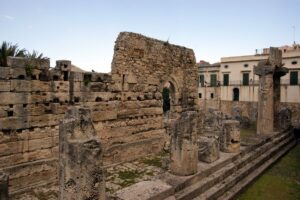
The Kolymbetra Garden is a gem managed by the FAI in the heart of the Valley of the Temples. An ancient Greek water basin transformed into a lush citrus grove, where you can stroll among centuries-old trees and discover the ingenuity of the hypogea. A unique sensory experience blending history, nature, and Mediterranean scents. Here’s what not to miss: Explore the underground hypogeum, a 2,500-year-old water system. Taste the citrus fruits straight from the trees: oranges, lemons, and mandarins. Walk among the temples in the background, with the Temple of Vulcan just steps away. Enjoy the silence away from the crowds, immersed in the Mediterranean scrub.
Introduction
In the heart of the Valley of the Temples, among Greek temples and ancient olive trees, there is a corner that seems suspended in time: the Giardino della Kolymbetra. A five-hectare oasis where history and nature intertwine, offering an experience far from the crowds. Walking among citrus, almond, and carob trees, you feel transported to another era. The scent of orange blossoms and the sound of water flowing through ancient channels create a magical atmosphere. Managed by the FAI, which rescued it from abandonment in 1999, this garden is a perfect example of how humans can live in harmony with the landscape. A plunge into the past that rejuvenates body and mind.
Introduction
In the heart of the Valley of the Temples, among Greek temples and ancient olive trees, there is a corner that seems suspended in time: the Giardino della Kolymbetra. A five-hectare oasis where history and nature intertwine, offering an experience far from the crowds. Walking among citrus, almond, and carob trees, you feel transported to another era. The scent of orange blossoms and the sound of water flowing through ancient channels create a magical atmosphere. Managed by the FAI, which rescued it from abandonment in 1999, this garden is a perfect example of how humans can live in harmony with the landscape. A plunge into the past that rejuvenates body and mind.
Historical Overview
The Kolymbetra was originally built as a large water basin in 480 BC, commissioned by the tyrant Theron after the Battle of Himera. Diodorus Siculus described it as a basin seven stadia long by twenty cubits wide, fed by the Feaci aqueducts. Over time it dried up and became an orchard and citrus grove. In the 12th century, sugar cane was cultivated there, and by the 16th century it was the vegetable garden of the Badia Bassa convent. After centuries of neglect, in 1999 the FAI restored the garden to its former splendor, restoring hypogea and ancient plant varieties. Today it is an open-air museum, where the history of Sicilian water and agriculture comes to life among the temples.
Historical Overview
The Kolymbetra was originally built as a large water basin in 480 BC, commissioned by the tyrant Theron after the Battle of Himera. Diodorus Siculus described it as a basin seven stadia long by twenty cubits wide, fed by the Feaci aqueducts. Over time it dried up and became an orchard and citrus grove. In the 12th century, sugar cane was cultivated there, and by the 16th century it was the vegetable garden of the Badia Bassa convent. After centuries of neglect, in 1999 the FAI restored the garden to its former splendor, restoring hypogea and ancient plant varieties. Today it is an open-air museum, where the history of Sicilian water and agriculture comes to life among the temples.
A Botanical Paradise Among the Rocks
The garden is divided into five zones: the citrus grove (29%), almond and olive orchard (18%), Mediterranean scrub (37%), and riparian and rocky vegetation. Among the citrus fruits, ancient varieties stand out, such as the Vanilla orange and the Femminello lemon. On the rocky walls grow capers, spurges, and dwarf palms. The irrigation system is extraordinary: the hypogea carved into the calcarenite still collect water, just as they did two thousand years ago. Strolling here means getting lost among over 300 varieties of almond trees and centuries-old trees, in an ecosystem that smells of history. A true paradise for botany and photography enthusiasts.
A Botanical Paradise Among the Rocks
The garden is divided into five zones: the citrus grove (29%), almond and olive orchard (18%), Mediterranean scrub (37%), and riparian and rocky vegetation. Among the citrus fruits, ancient varieties stand out, such as the Vanilla orange and the Femminello lemon. On the rocky walls grow capers, spurges, and dwarf palms. The irrigation system is extraordinary: the hypogea carved into the calcarenite still collect water, just as they did two thousand years ago. Strolling here means getting lost among over 300 varieties of almond trees and centuries-old trees, in an ecosystem that smells of history. A true paradise for botany and photography enthusiasts.
Among Hypogea and Ancient Citrus Groves
Entering the Garden of the Kolymbetra is like stepping back in time. The paths wind among centuries-old fig, mulberry, and pomegranate trees, while birdsong accompanies every step. The scent of citrus is everywhere, and in spring the bloom is a spectacle. Don’t miss the visit to the hypogeum, where a constant 22°C temperature envelops you as you walk among still-functioning channels and fossil shells. The atmosphere is one of absolute peace, far from the tourist hustle. A unique sensory experience that blends nature and ancient engineering. I recommend pausing in silence for a while to savor the magic of the place.
Among Hypogea and Ancient Citrus Groves
Entering the Garden of the Kolymbetra is like stepping back in time. The paths wind among centuries-old fig, mulberry, and pomegranate trees, while birdsong accompanies every step. The scent of citrus is everywhere, and in spring the bloom is a spectacle. Don’t miss the visit to the hypogeum, where a constant 22°C temperature envelops you as you walk among still-functioning channels and fossil shells. The atmosphere is one of absolute peace, far from the tourist hustle. A unique sensory experience that blends nature and ancient engineering. I recommend pausing in silence for a while to savor the magic of the place.
Why Visit It
First reason: it’s a rare example of a restored historic garden, where archaeology and agriculture coexist. Second: it offers a refreshing break after visiting the temples, thanks to the shade and lush vegetation. Third: the opportunity to explore the hypogea lets you appreciate the ingenuity of the ancient Greeks in water management. Plus, the ticket is cheap (€4) and well worth it. If you are a FAI or National Trust member, entry is free. A place that combines beauty, history and tranquility, perfect for those seeking an authentic experience off the beaten path.
Why Visit It
First reason: it’s a rare example of a restored historic garden, where archaeology and agriculture coexist. Second: it offers a refreshing break after visiting the temples, thanks to the shade and lush vegetation. Third: the opportunity to explore the hypogea lets you appreciate the ingenuity of the ancient Greeks in water management. Plus, the ticket is cheap (€4) and well worth it. If you are a FAI or National Trust member, entry is free. A place that combines beauty, history and tranquility, perfect for those seeking an authentic experience off the beaten path.
When to Go
The best time is spring, when the citrus trees bloom and the climate is mild. In autumn, the warm colors of the Mediterranean scrub create a suggestive atmosphere. Personally, I recommend visiting early in the morning or late in the afternoon, when the light illuminates the temples in the background and the crowds are smaller. Avoid summer if you don’t like the heat, but if you happen to be there, look for the cooler hours. In winter, the garden is closed in January, but in other months it opens with reduced hours. The silence and the birdsong make every visit magical.
When to Go
The best time is spring, when the citrus trees bloom and the climate is mild. In autumn, the warm colors of the Mediterranean scrub create a suggestive atmosphere. Personally, I recommend visiting early in the morning or late in the afternoon, when the light illuminates the temples in the background and the crowds are smaller. Avoid summer if you don’t like the heat, but if you happen to be there, look for the cooler hours. In winter, the garden is closed in January, but in other months it opens with reduced hours. The silence and the birdsong make every visit magical.
Nearby
The Garden of the Kolymbetra is located within the Valley of the Temples, so it is natural to combine it with a visit to the Greek temples (Temple of Concordia, Temple of Juno, etc.). Another recommended stop is the Regional Archaeological Museum of Agrigento, which houses artifacts from the Greek city and tells the history of the area. If you have time, take a walk to the Temple of Hephaestus, visible from the garden. Additionally, the historic center of Agrigento offers picturesque views and excellent Sicilian cuisine. A perfect itinerary for a weekend of history and nature.
Nearby
The Garden of the Kolymbetra is located within the Valley of the Temples, so it is natural to combine it with a visit to the Greek temples (Temple of Concordia, Temple of Juno, etc.). Another recommended stop is the Regional Archaeological Museum of Agrigento, which houses artifacts from the Greek city and tells the history of the area. If you have time, take a walk to the Temple of Hephaestus, visible from the garden. Additionally, the historic center of Agrigento offers picturesque views and excellent Sicilian cuisine. A perfect itinerary for a weekend of history and nature.