Cagliari Municipal Art Gallery: Sardinian Art of the Twentieth Century in the Heart of Castello

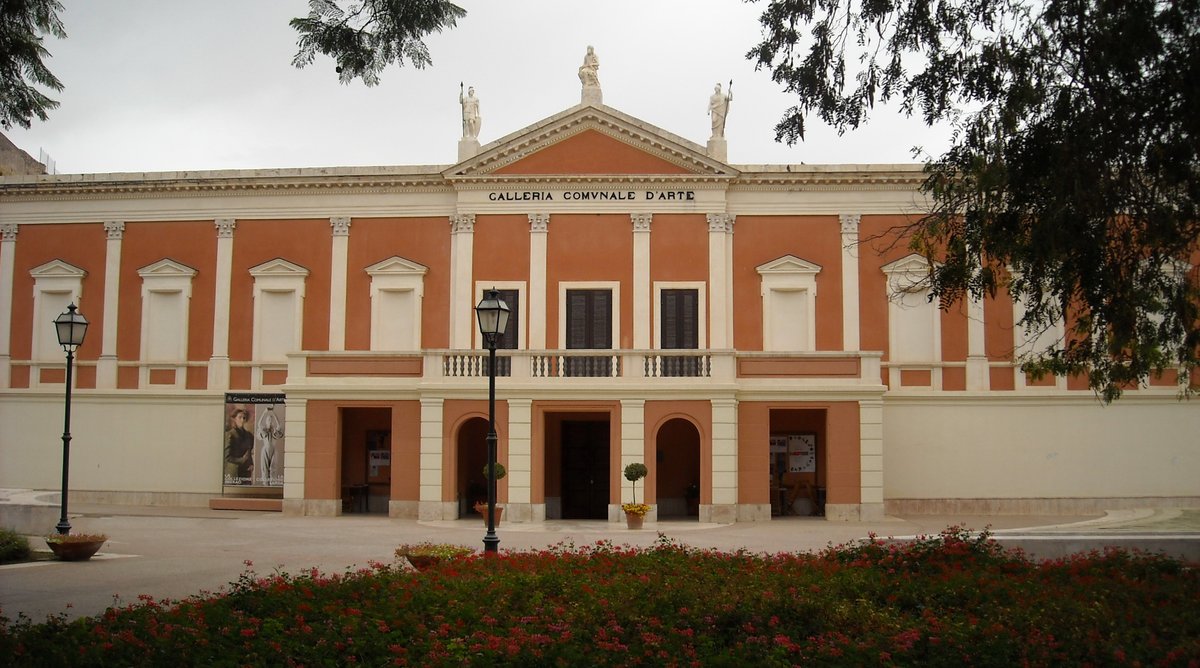
The Cagliari Municipal Art Gallery, located in the Palazzo di Città within the Cittadella dei Musei, offers an authentic cultural experience focused on Sardinian art of the twentieth century and contemporary works. With a cozy and accessible atmosphere, it allows visitors to discover the artistic identity of Sardinia through works by local artists in bright spaces that blend modern architecture with ancient walls.

  • Permanent collections featuring works by Sardinian artists such as Giuseppe Biasi, Filippo Figari, and Maria Lai
  • Temporary exhibitions connecting Sardinian art to the international context
  • Central location in the historic Castello district, near the Cathedral of Santa Maria
  • Intimate and relaxed atmosphere without the crowds of larger museums
Copertina itinerario Cagliari Municipal Art Gallery: Sardinian Art of the Twentieth Century in the Heart of Castello
The Cagliari Municipal Art Gallery displays works by Sardinian artists such as Giuseppe Biasi and Maria Lai in a historic palace overlooking the rooftops of the Stampace district. Permanent collections and temporary exhibitions in the intimate atmosphere of the Cittadella dei Musei.

Good to know


Introduction

The Galleria Comunale d’Arte di Cagliari is a hidden gem in the heart of Casteddu, right behind the Cathedral of Santa Maria. It’s not a huge museum, but it has a special soul: here, Sardinian art from the 20th century and contemporary works breathe within the walls of a historic palace, offering an authentic and intimate cultural immersion. Upon entering, you leave the chaos of the city center behind and find yourself in bright spaces where the artworks converse with the building’s history. I was immediately struck by the atmosphere: there’s no institutional coldness, but an almost domestic warmth, as if the canvases and sculptures had always been there, waiting to tell their stories. It’s the perfect place for those who want to understand Sardinia’s artistic identity without getting lost in overwhelming collections. And then, the view of the Stampace district rooftops from the windows is an unexpected bonus.

Historical Overview

The gallery’s history is intertwined with the urban transformations of Cagliari. It was officially founded in 1933, but its current location, the Palazzo di Città in the Cittadella dei Musei, is the result of a restoration completed in the 1970s. Before finding its home here, the artworks moved between various spaces, accumulating through donations and public acquisitions. The collection was built piece by piece, with a particular focus on Sardinian artists or those connected to the island, becoming a living archive of regional creativity. It’s not just about paintings: the palace itself, with its ancient structures repurposed, tells a piece of the city’s story. I like to think that each room preserves traces of the lives that have passed through it, from the administrative offices of the past to today’s exhibitions.

  • 1933: Foundation of the Galleria Comunale d’Arte
  • 1970s: Relocation to its current site in the Cittadella dei Musei complex
  • Subsequent decades: Growth of the collection through donations and targeted acquisitions

The Collection: A Journey into Sardinian Art

What makes this gallery unique is its focus on Sardinia. You won’t find international names everywhere, but works by artists like Giuseppe Biasi, Filippo Figari, and Maria Lai, who defined the island’s 20th century. The rooms are organized in a flexible manner—sometimes thematic, sometimes chronological—but always with a clear thread: to show how Sardinian artists have interpreted landscapes, traditions, and identity. I loved the sections dedicated to early 1900s painting, with those earthy colors and figures almost sculpted onto the canvas, and the contemporary installations that play with local materials like wood or ceramics. It’s a collection that speaks Sardinian, in the most beautiful sense: not folkloric, but deeply rooted. And then, the temporary exhibitions often bring fresh perspectives, connecting the island to the rest of the world without losing its essence.

The Visiting Experience: Intimate and Accessible

Visiting the Municipal Gallery is a relaxed and unhurried experience. There are no crowds typical of renowned museums, allowing you to linger on details, perhaps reading the captions that explain the Sardinian context of the artworks—something not to be taken for granted. The spaces are well-lit, often with natural light that enhances textures, and the layout is fluid, without mazes. I noticed it attracts both art enthusiasts and casual passersby, perhaps because it’s not intimidating: you enter, walk, and absorb. Sometimes they organize guided tours or workshops, especially on weekends, but even on your own, it’s easy to navigate. A tip? Take time to look out the windows: the contrast between the art inside and historic Cagliari outside is poetic. And if you have questions, the staff is helpful without being intrusive—I found this a rare plus.

Why Visit It

Three concrete reasons not to skip it. First: it’s a concentration of Sardinian identity through art, perfect for those who want to go beyond the beaches and discover the island’s cultural soul. Second: its location in the historic heart makes it a convenient stop during a stroll through Casteddu, perhaps after the Cathedral or before an aperitif in the area. Third: the intimate atmosphere allows you to enjoy the artworks without stress, ideal for a refreshing break even if you’re not an expert. I’ve returned twice, and each time I noticed something new—a sign that it’s not a place you can exhaust in half an hour.

When to Go

The best time? A winter afternoon or on a not-too-crowded spring day. In winter, the low light filtering through the windows creates a warm and intimate atmosphere, perfect for getting lost among the artworks without the distraction of summer heat. In spring, you can combine the visit with a stroll through the Stampace neighborhood, when the air is fresh and the alleys are lively but not overcrowded. I’d avoid the midday hours in summer, not because of the gallery itself—which is air-conditioned—but because the walk to get there can be tiring under the sun. I went on an early Saturday morning and it was deserted: total silence, just me and the canvases. Magical.

In the Surroundings

Upon exiting, you have two nearby thematic options to continue your cultural immersion. Just steps away is the National Archaeological Museum, also located in the Citadel of Museums, where you can delve into the ancient history of Sardinia with Nuragic and Phoenician artifacts—a striking contrast to the modern art. Alternatively, for a more lively experience, spend an hour exploring the artisan workshops on Via Santa Croce, where you’ll find Sardinian ceramics and handmade objects that reflect the same traditions inspiring many artists in the gallery. Both places enrich the context without taking you far from the heart of Casteddu.

💡 Did You Know…?

A detail that makes the visit special is the room dedicated to the works of Giovanni Nonnis, a 20th-century Sardinian artist who captured the island’s light and landscapes with a unique style. The gallery is partly built on medieval walls, and in some rooms you can still see the original stones, creating a fascinating contrast between ancient and modern. During temporary exhibitions, meetings with local artists are often organized, offering the opportunity to engage directly with those creating Sardinian art today.