
ExMà is a former municipal slaughterhouse from 1907, repurposed as a cultural center in the heart of Cagliari. It hosts exhibitions of Sardinian and international contemporary art, concerts, theatrical performances, and film festivals within an industrial architecture featuring exposed brickwork and large halls. The internal courtyards are used for aperitifs and events, creating an informal and lively atmosphere.
- Repurposed industrial architecture: 1907 red brick structure with large arches and halls
- Sardinian contemporary art: temporary exhibitions with young local artists and modern installations
- Varied cultural events: concerts (jazz, electronic), theatrical performances, shows, and festivals
- Vibrant internal courtyards: open spaces for aperitifs, events, and site-specific installations
Events nearby
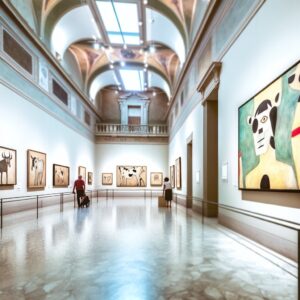
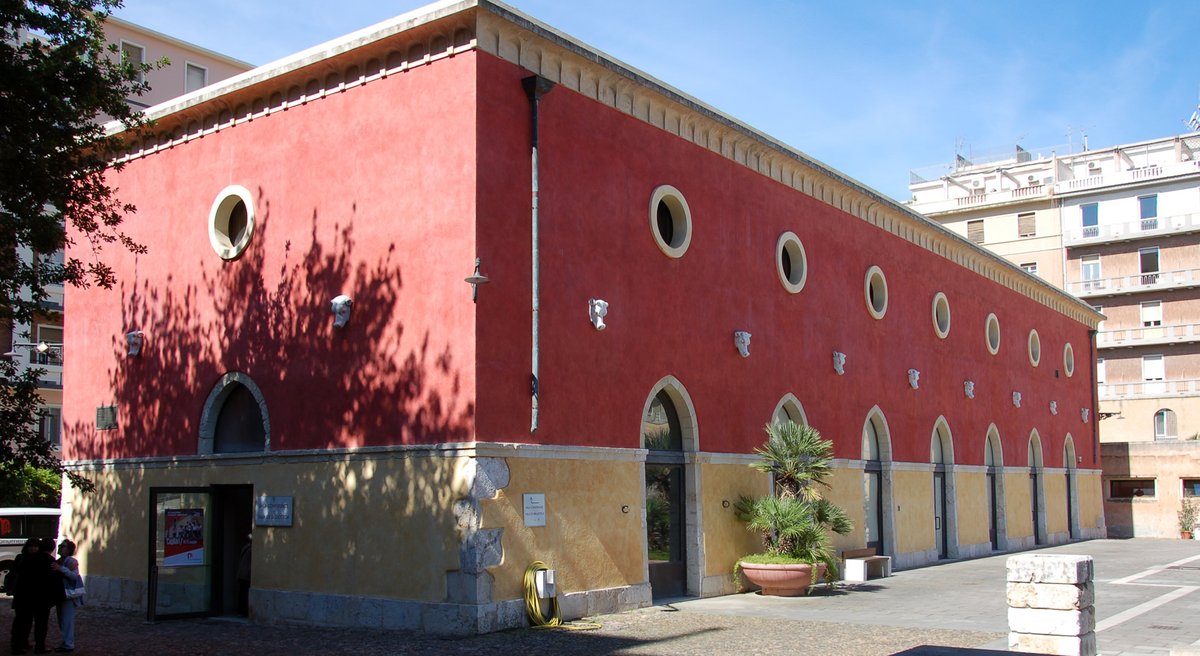
ExMà in Cagliari is a former 1907 slaughterhouse transformed into a cultural hub featuring exhibitions of Sardinian artists, jazz and electronic concerts, theatrical performances, and courtyards for events. Industrial brick architecture in the Marina district.
- Via San Lucifero 71, Cagliari (CA)
- Open in Google Maps
- View on Google Images ExMà a Cagliari
Good to know
A Former Slaughterhouse Breathing Art
From Slaughterhouse to Culture Factory
- 1907: Construction as Municipal Slaughterhouse.
- 1990s: Closure and start of the reconversion project.
- 1997: Official inauguration as ExMà – Ex Mattatoio.
- Today: Cultural hub for exhibitions, music and contemporary theater.
Not Just Exhibitions: The Courtyards and Atmosphere
Sardinian Art Scene in the Spotlight
Why It’s Worth a Visit
The Perfect Time to Capture the Soul of the Place
What to Pair with Your Visit
Itineraries nearby


💡 Did You Know…?
ExMà’s history is closely intertwined with that of the city. The building was designed by municipal engineer Crescentino Caselli and inaugurated as a slaughterhouse in 1913, meeting the hygienic needs of the time. It functioned as such until the 1970s, later becoming a symbol of decay. Its rebirth, which occurred in the early 2000s, is a concrete example of urban regeneration. Today, in what were once the cattle lanes, jazz notes resonate during the “Time in Jazz” festival or echoes of cultural debates. A detail few notice: some of the original carcass hooks are still visible, integrated into the contemporary design, reminding us of the layered memory of the place.