
🧭 What to Expect
- Ideal for a cultural weekend on foot, away from the crowds.
- Combines medieval and Renaissance art with centuries-old textile traditions.
- Includes unique museums like the Textile Museum, the Deportation Museum, and Casa Datini.
- Also offers nature at the Galceti Science Center and Etruscan archaeology in Gonfienti.
Events nearby

Prato is a Tuscan city that surprises with its blend of medieval history and still-thriving textile tradition. The historic center contains gems like the Cathedral of Santo Stefano with Donatello's pulpit and the Basilica of Santa Maria delle Carceri, a Renaissance masterpiece. The Textile Museum recounts centuries of wool production, while the Emperor's Castle dominates the square with its Swabian architecture. Strolling through the streets, you'll discover artisan workshops, the Metastasio Theatre, and historic palaces like Palazzo Pretorio. Just minutes from the center, the Galceti Natural Science Center offers an immersion in nature. Prato is easy to explore on foot and well-connected to Florence, ideal for a weekend off the beaten path.
Overview
- Cathedral of Saint Stephen
- Textile Museum: The Heart of Prato's Tradition
- Emperor's Castle
- Basilica of Santa Maria delle Carceri
- Palazzo Pretorio Museum
- Donatello's Pulpit
- Palazzo Pretorio
- Luigi Pecci Contemporary Art Museum
- Museum of the Cathedral Works
- Church of San Francesco
- Deportation Museum
- Galceti Natural Science Center
- Metastasio Theatre
- Francesco Datini House Museum
- Gonfienti Archaeological Excavation
Itineraries nearby

Cathedral of Saint Stephen
- Go to the page: Prato Cathedral of Santo Stefano: Donatello's Pulpit and the Holy Girdle in Tuscan Romanesque
- Via Santo Stefano, Prato (PO)
- Open in Google Maps
- View on Google Images
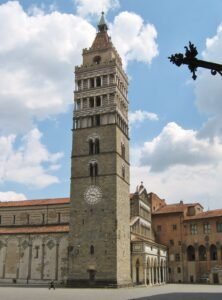
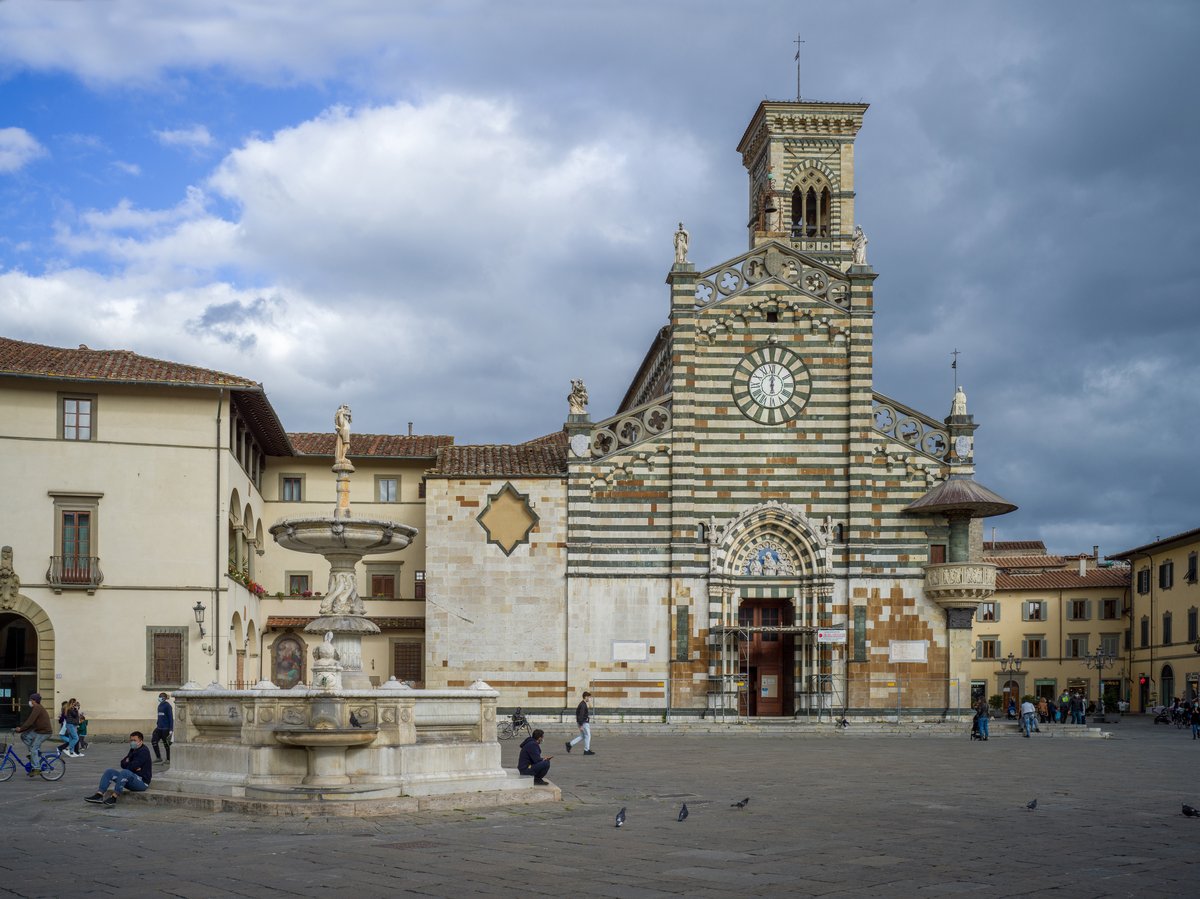 The Cathedral of Saint Stephen, the religious heart of Prato, welcomes you with its Romanesque façade in white and green marble that elegantly contrasts with the fourteenth-century bell tower. Upon entering, your gaze is captured by the external pulpit by Donatello and Michelozzo, a Renaissance masterpiece created for the display of the Sacred Girdle. This relic, a green wool ribbon kept in the altar of the Chapel of the Sacred Girdle, is shown to the faithful five times a year by a priest who leans out from that very pulpit. Inside, the Gothic naves host frescoes by Paolo Uccello and Agnolo Gaddi, while the main chapel showcases pictorial cycles narrating stories of Saint Stephen and the Virgin. Don't miss the Museum of the Cathedral Works, annexed to the cathedral, where you can admire sacred artworks and liturgical vestments linked to the history of the place. The cathedral, besides being a symbol of faith, is an essential stop to understand Prato's art: its hybrid architecture, between Romanesque and Gothic, reflects the city's historical layers. Conclude your visit with a moment of reflection in the square in front, observing the façade illuminated at sunset.
Textile Museum: The Heart of Prato's Tradition
- Via Puccetti 3, Prato (PO)
- Open in Google Maps
- View on Google Images
 Entering the Prato Textile Museum means immersing yourself in a journey through the history of textile production, which has made this city famous worldwide. Located in the former Campolmi Wool Mill, a perfectly restored 19th-century industrial complex, the museum offers an exhibition path ranging from ancient fabrics to contemporary innovations. The permanent collections include fabric samples dating back to the Middle Ages, Renaissance textiles, and a section dedicated to 20th-century materials, with a focus on designers like Emilio Pucci. Don't miss the room dedicated to regenerated wool, a technique for which Prato is a global leader, with historical machinery still in working order. Temporary exhibitions explore themes such as sustainability in fashion or collaborations with local companies. The bookshop offers specialized publications and artisanal products, while educational workshops allow you to get hands-on with weaving techniques. An experience that combines culture, art, and industry, ideal for understanding Prato's identity.
Emperor's Castle
- Via San Giovanni, Prato (PO)
- Open in Google Maps
- View on Google Images
 The Emperor's Castle dominates Prato's historic center with its imposing white stone structure, an architectural gem commissioned by Frederick II of Swabia in the 13th century. Built between 1237 and 1248, it represents the only Swabian-style castle in Tuscany, characterized by severe geometric forms and eight square towers that emphasize its military appearance. Climbing the walls offers a spectacular view of the city, from medieval towers to the surrounding hills, with the Cathedral of Santo Stefano rising just steps away. Inside, the courtyard preserves traces of ancient reception rooms, while the halls host temporary exhibitions and cultural events. Particularly evocative is the palatine chapel, where the atmosphere of the Frederician era still lingers. The castle is easily accessible on foot from the center, with affordable tickets and year-round opening hours. A tip: don't miss the climb to the towers to capture unforgettable photos of Prato's urban fabric, a unique blend of medieval history and industrial districts.
Basilica of Santa Maria delle Carceri
- Piazza Santa Maria delle Carceri, Prato (PO)
- Open in Google Maps
- View on Google Images
 The Basilica of Santa Maria delle Carceri is a masterpiece of Tuscan Renaissance architecture that will leave you breathless. Designed by Giuliano da Sangallo in the late 15th century, this church stands on the site of the ancient city prisons, from which it takes its name. Its Greek cross plan and hemispherical dome create perfect architectural balance, typical of Renaissance ideals. Upon entering, you'll be struck by the diffused light filtering through the circular windows, illuminating frescoes from the school of Filippino Lippi. The polychrome marble floor and glazed terracotta decorations by Andrea della Robbia complete the sacred and refined atmosphere. Don't miss the crypt, where the miraculous fresco of the Madonna and Child is preserved, an object of centuries-old devotion. The basilica is a place of silence and contemplation, away from the crowds, ideal for a reflective pause during your visit to Prato. Remember to check opening hours, as they may vary depending on religious celebrations. A practical tip: the central location allows you to easily combine your visit with the nearby Emperor's Castle.
Palazzo Pretorio Museum
- Piazza del Comune, Prato (PO)
- https://www.palazzopretorio.prato.it/en/
- Open in Google Maps
- View on Google Images
 The Palazzo Pretorio Museum is the beating heart of Prato's artistic history, housed in a medieval building that alone is worth the visit. Upon entering, you're greeted by the imposing facade with the coats of arms of the people's captains, telling centuries of civic power. The permanent collection unfolds across three floors, guiding you through six centuries of art, from Bernardo Daddi's thirteenth-century gold-ground paintings to the experiments of the twentieth century. Don't miss Giovanni Pisano's Madonna and Child, a masterpiece of Gothic sculpture that dominates the room dedicated to the thirteenth century. On the first floor, Renaissance works include canvases by Filippo Lippi, deeply connected to Prato for the frescoes in the Cathedral. As you ascend, the sections devoted to the seventeenth and eighteenth centuries reveal paintings by local artists like Alessandro Gherardini, while the nineteenth century is represented by Tuscan Macchiaioli. The modern layout, with clear educational panels and carefully designed lighting, makes the visit smooth and engaging. Practical tip: check the opening hours on the official website, as the museum sometimes closes for temporary exhibitions. End with a stop in the inner courtyard, where Romanesque and Gothic architecture blend in an atmosphere suspended in time.
Donatello's Pulpit
- Piazza del Duomo, Prato (PO)
- Open in Google Maps
- View on Google Images
 The Donatello's Pulpit is one of Prato's most precious treasures, created between 1428 and 1438 by the great Renaissance master in collaboration with Michelozzo. Located at the southwest corner of the facade of the Cathedral of Santo Stefano, this external pulpit is famous for its circular shape supported by a Corinthian capital and for the dance of the putti that animates the white marble parapet. The putti, sculpted with extraordinary liveliness, appear to move in a joyful round dance, creating a dynamic contrast with the solemn architecture of the cathedral. The pulpit was commissioned to publicly display the Sacred Girdle, the Marian relic preserved in the Cathedral, during festivities. Today, it can be admired from Piazza del Duomo, where it stands out for the elegance of its forms and compositional rigor. Its outdoor location makes it accessible at all times, offering an immediate immersion in Renaissance art. To fully appreciate the details, approach the base to observe Donatello's mastery in rendering the lightness of the children's bodies. A tip: visit at sunset, when the warm light enhances the volumes of the sculptures.
Palazzo Pretorio
- Piazza del Comune, Prato (PO)
- https://www.palazzopretorio.prato.it/
- Open in Google Maps
- View on Google Images
 Entering Palazzo Pretorio means immersing yourself in the political and artistic history of Prato. This imposing building in Piazza del Comune, with its facade featuring the glazed terracotta coats of arms of various podestà, is a veritable stone book recounting centuries of city governance. Today it houses the Museo di Palazzo Pretorio, where you can admire works by Filippo Lippi, such as the famous Madonna del Ceppo, and masterpieces by local artists like Giovanni da Milano. The rooms, with coffered ceilings and Renaissance frescoes, also preserve historical documents and artifacts illustrating the city's urban evolution. Don't miss the monumental staircase and the view of the square from the main entrance, perfect for taking memorable photos. The museum often organizes temporary exhibitions that enrich the experience, making each visit unique. A tip: check the opening hours on the official website, as they may vary depending on current exhibitions.
Luigi Pecci Contemporary Art Museum
- Viale della Repubblica, Prato (PO)
- https://www.centropecci.it/
- Open in Google Maps
- View on Google Images
 The Luigi Pecci Contemporary Art Museum is a true cultural gem that will surprise you with its futuristic architecture and avant-garde collections. Opened in 1988 and completely renovated in 2016, this museum stands out for its circular shape that resembles a spaceship landed in the urban fabric of Prato. Inside you'll find over 1,000 works by international artists such as Marina Abramović, Anish Kapoor, and Jan Fabre, along with a strong focus on the contemporary Italian scene. The permanent collection spans three floors and ranges from painting to sculpture, from installations to videos, with particular attention to artistic trends from the 1960s to today. Don't miss the Specialized Library with over 50,000 volumes and the Documentation Center that makes this place a unique research hub in Tuscany. The temporary exhibitions are always meticulously curated and often anticipate trends that will later become mainstream. The museum regularly organizes workshops, guided tours, and performance events that directly involve the public. The Café and Bookshop complete the experience with contemporary design and specialized publications. A practical tip: always check the events calendar because here art is never static but constantly evolving.
Museum of the Cathedral Works
- Piazza del Duomo, Prato (PO)
- Open in Google Maps
- View on Google Images
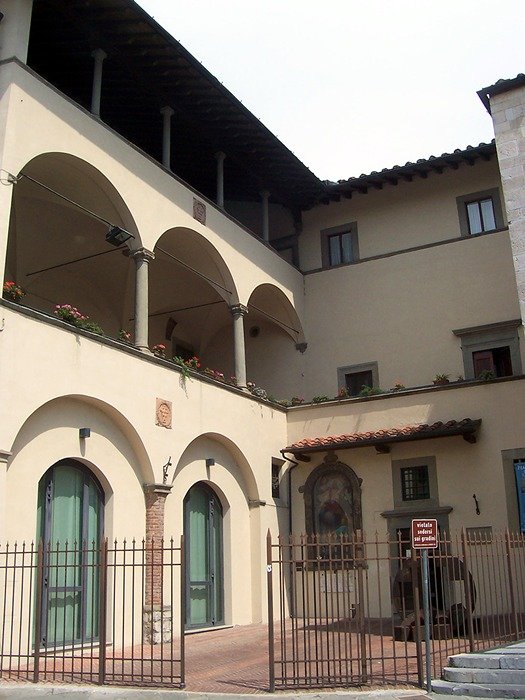 The Museum of the Cathedral Works in Prato is an unmissable stop for those wanting to fully understand the city's artistic history. Located right next to the Cathedral, this museum preserves masterpieces that once adorned the cathedral, offering a journey through centuries of sacred art. The collection spans from the Middle Ages to the Renaissance, with works by artists such as Donatello, Filippo Lippi, and Andrea della Robbia. Particularly significant is Donatello's Pulpit, of which some original elements are preserved here, along with the reliefs that decorated the Cathedral's facade. The polychrome wooden sculptures and sacred vestments tell the story of the devotion and art that have characterized Prato over the centuries. The museum is organized into thematic rooms that guide visitors through the history of the cathedral, with clear and detailed explanatory panels. Don't miss the section dedicated to liturgical treasures, where chalices, reliquaries, and processional crosses of great artistic value stand out. The visit concludes with a panoramic view of the Romanesque cloister, a peaceful corner in the heart of the historic center. For a complete experience, combine it with a visit to the Cathedral: the combined ticket offers excellent value for money.
Church of San Francesco
- Via San Bonaventura, Prato (PO)
- https://www.sanfrancescoprato.it/
- Open in Google Maps
- View on Google Images
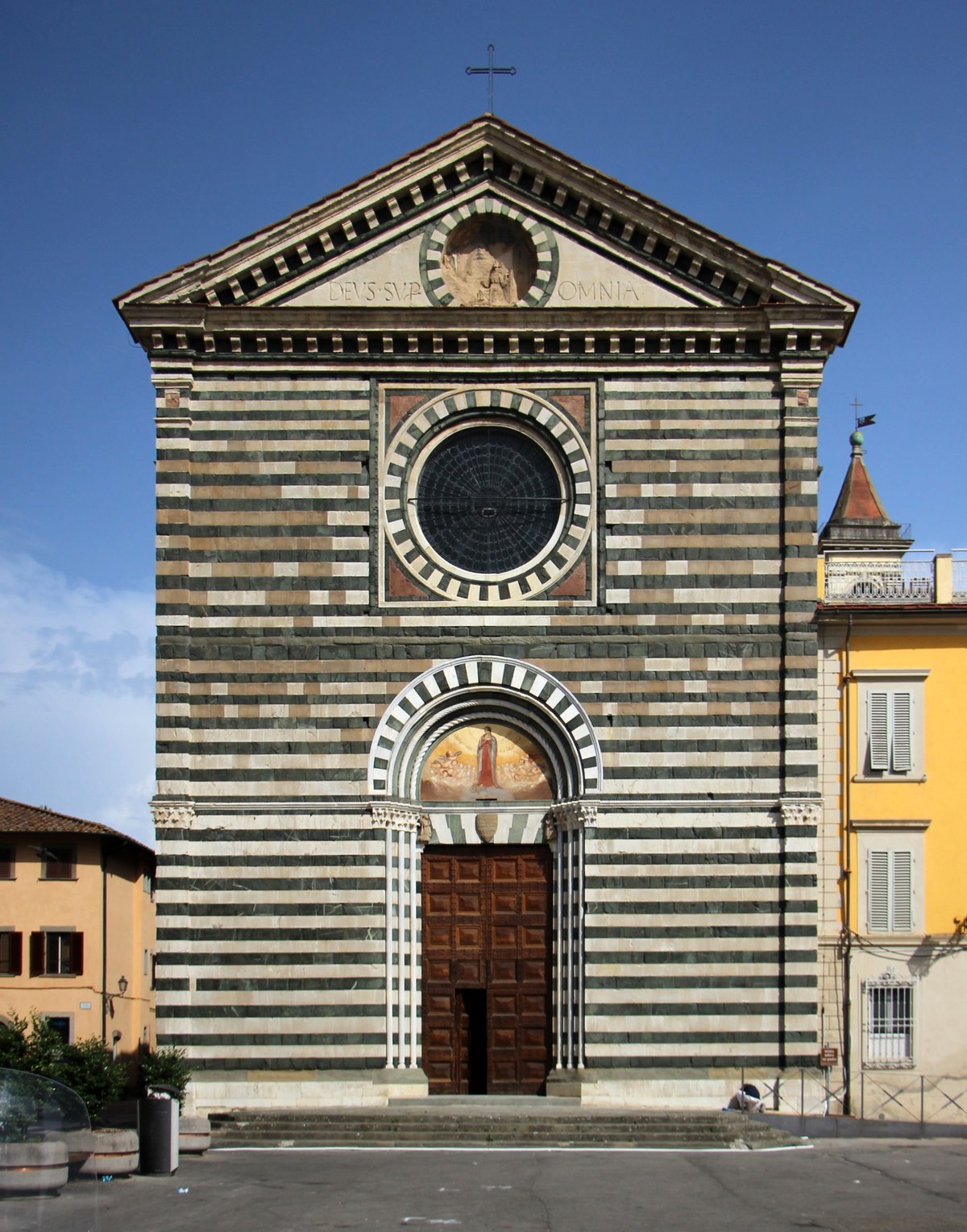 The Church of San Francesco stands majestically in Piazza San Francesco, the vibrant heart of Prato's historic center. Founded in the 13th century, this Franciscan basilica represents one of the most significant examples of Gothic architecture in Tuscany. The facade, crafted from local alberese stone, immediately catches the eye with its central rose window and splayed portal. Upon entering, you are enveloped in an atmosphere of contemplation, enhanced by the soaring naves and cross vaults that create mesmerizing plays of light. The interior houses absolute masterpieces: the Cenacolo by Agnolo Gaddi in the refectory stands out, a 14th-century fresco of rare beauty that narrates the Last Supper with meticulous detail. Also remarkable are the noble chapels, such as the Migliorati Chapel, with pictorial cycles that testify to the devotion of Prato's families. Don't miss the Renaissance cloister, where time seems to have stood still, and the crypt with remains of medieval frescoes. The church is linked to the figure of Francesco Datini, the famous Prato merchant who chose to be buried here, uniting spirituality and commerce—a key theme of the city. Visit in the morning to enjoy the light filtering through the stained-glass windows, creating unique atmospheres. A tip: seek out the tomb of Filippo Lippi in the nearby cathedral for an ideal connection with Prato's Renaissance art.
Deportation Museum
- Go to the page: Prato Deportation Museum: Original Audio Testimonies and Reconstructed Cattle Car
- Via di Cantagallo, Prato (PO)
- http://www.museodelladeportazione.it
- Open in Google Maps
- View on Google Images
 The Deportation Museum in Prato is not a traditional museum, but a place of remembrance that takes you by the hand and guides you on a journey through one of the darkest chapters of Italian history. Located on Via di Cantagallo, this space was established in 2002 to commemorate the citizens of Prato deported to Nazi concentration camps during World War II. Upon entering, you are greeted by a quiet and reflective atmosphere: the rooms are organized with original documents, period photographs, and firsthand testimonies that reconstruct the experiences of those who lived through the horror of deportation. Among the most moving artifacts are the prisoners' letters, written on makeshift paper, and the personal belongings returned to families after liberation. The exhibition unfolds across two floors, with a particular focus on local resistance and the stories of political and racial deportees. One section is dedicated to the original railway tracks from the Mauthausen camp, a powerful symbol of the one-way journey. The museum also organizes guided tours for schools and groups, with an educational approach aimed at conveying the values of peace and human dignity. Conclude your visit with a moment of silence in the garden of remembrance, where each plant honors a life cut short. An unforgettable experience, essential for understanding the past and building a better future.
Galceti Natural Science Center
- Via di Galceti, Prato (PO)
- http://www.csn.prato.it/
- Open in Google Maps
- View on Google Images
 The Galceti Natural Science Center is a surprising discovery few expect to find just minutes from Prato's city center. This scientific and naturalistic hub spans 16 hectares along the slopes of Monteferrato, offering an immersive experience in Tuscan biodiversity. The heart of the center is the Natural Science Museum, housing valuable zoological, paleontological, and mineralogical collections with exhibits ranging from fossils of the Prato territory to minerals from the Colline Metallifere. The section dedicated to local fauna features realistic dioramas recreating typical habitats of the Tuscan Apennines, while the aquarium-terrarium allows close observation of native amphibians and reptiles. Outside, the Galceti Park extends with well-marked trails winding through centuries-old holm oaks and oaks, perfect for nature walks. The center is particularly appreciated for its Wildlife Rescue Center, where birds of prey, mammals, and other distressed species are treated before being released back into the wild. Educational activities organized by the center include hands-on workshops for children and families, focuses on Monteferrato's geology, and nighttime astronomical observations. The strategic location allows combining the visit with exploring the serpentine quarries characteristic of this area. A perfect spot for those seeking a break from the city without going too far, where science becomes accessible to everyone through concrete and engaging experiences.
Metastasio Theatre
- Via Benedetto Cairoli, Prato (PO)
- Open in Google Maps
- View on Google Images
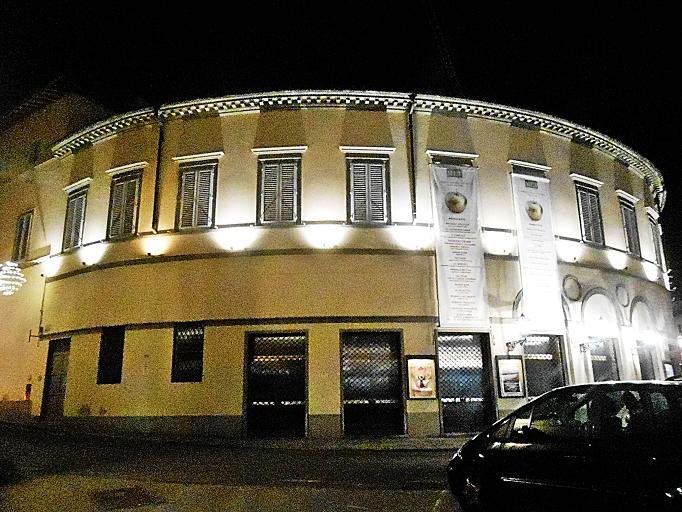 The Metastasio Theatre represents the focal point of Prato's cultural life, a place where theatrical tradition merges with contemporary innovation. Located in the historic centre, this national tradition theatre offers a programme ranging from classical drama to experimental productions, from symphonic music concerts to contemporary dance performances. The main hall, with its four tiers of boxes and the stalls, preserves the nineteenth-century atmosphere while state-of-the-art technologies guarantee top-quality acoustic and visual experiences. The recently renovated foyer hosts temporary exhibitions and meetings with artists, creating a continuous dialogue between stage and audience. The theatre season is organised into thematic cycles that often include national premieres and co-productions with Italy's most important theatres. During school matinées, the theatre comes alive with young spectators, while gala evenings attract a sophisticated audience. The box office is open from Tuesday to Saturday, with discounts for under 26s and over 65s. For enthusiasts, backstage tours allow you to discover the secrets behind the scenes, from set design workshops to historic dressing rooms.
Francesco Datini House Museum
- Via Rinaldesca, Prato (PO)
- http://www.museocasadatini.it/
- Open in Google Maps
- View on Google Images
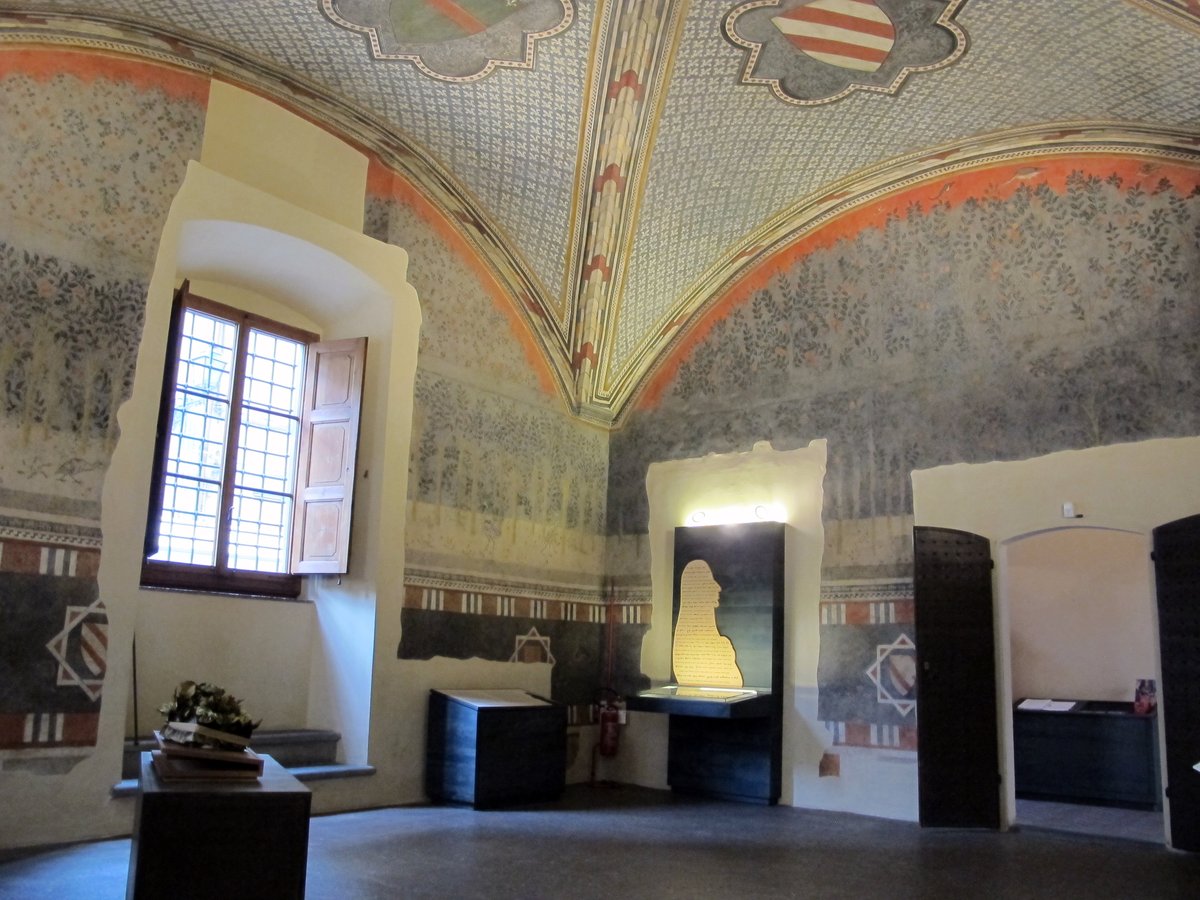 Stepping into the Francesco Datini House Museum means traveling back in time to the 14th century, when Prato was one of Europe's most vibrant commercial centers. This historic residence, located on Via Ser Lapo Mazzei, preserves intact the spaces where Francesco Datini lived and worked—the Prato merchant known as 'the man of accounts' for his meticulous bookkeeping. The house-museum offers an immersive experience: you walk through rooms furnished with period furniture, admire original frescoes, and handle documents that testify to the economic life of the era. The highlight is the Datini archive, with over 150,000 letters and ledgers revealing how the merchant revolutionized international trade by introducing instruments like the bill of exchange. Don't miss the private chapel with paintings by Pietro di Miniato and the study where Datini managed his textile business. The visit concludes with a reflection on his will, which allocated his fortune to charitable works still active today. A unique place to understand the roots of Tuscan entrepreneurship.
Gonfienti Archaeological Excavation
- Via del Ciliegio, Prato (PO)
- Open in Google Maps
- View on Google Images
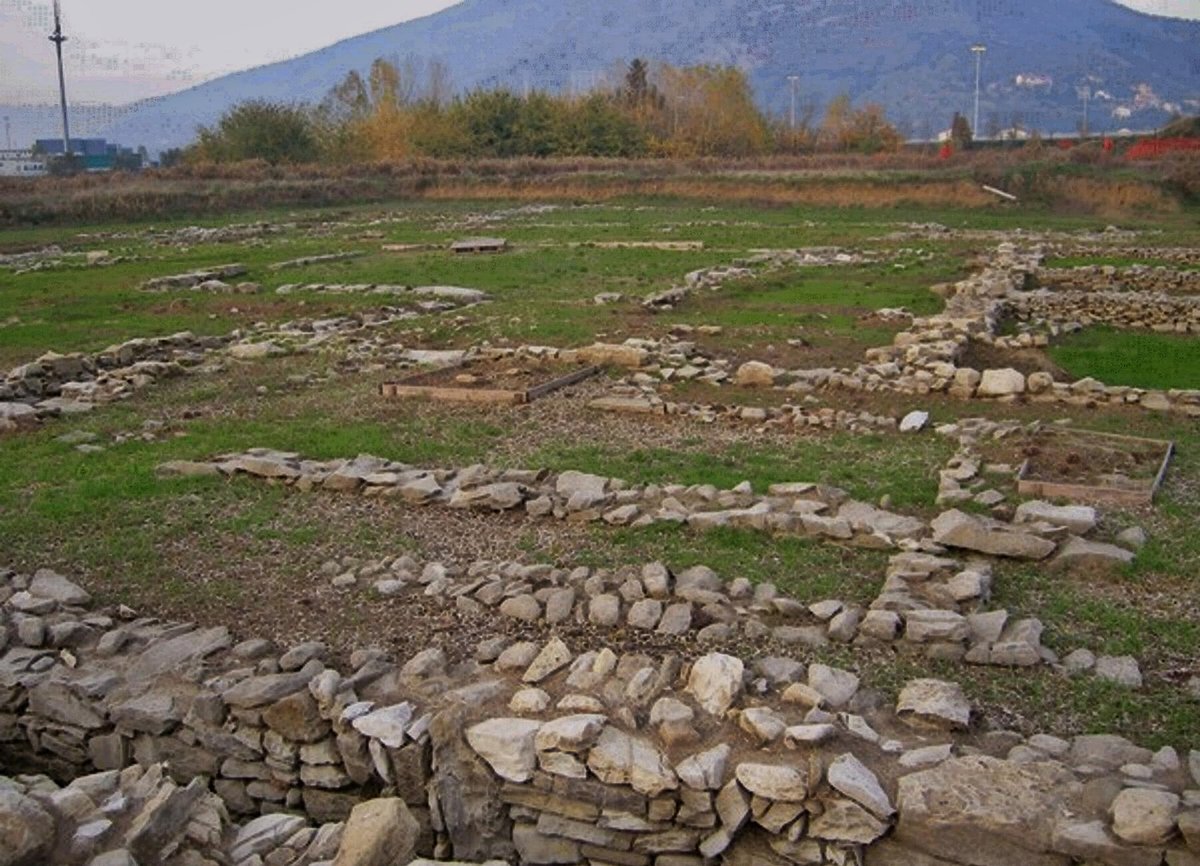 Few people know that on the outskirts of Prato lies a hidden archaeological treasure of extraordinary importance: the Gonfienti Archaeological Excavation. This site, uncovered in the 1990s during construction work for the Interporto, revealed the remains of an Etruscan settlement dating back to the 6th century BC. Walking among the foundations of ancient dwellings and public structures, one immediately senses the atmosphere of an organized community that actively traded with the nearby cities of Fiesole and Volterra. The ceramics found, including bucchero ware and amphorae, testify to vibrant craft activities and commercial exchanges along the Apennine routes. Although the area is still under study, visitors can observe the exhibited artifacts up close at the Palazzo Pretorio Museum, where some of the most significant findings are preserved. Access to the site is free and open to the public, but it's advisable to check opening hours for guided tours organized by the Municipality. For those who love ancient history, Gonfienti offers a unique journey through time, away from the more beaten tourist paths, enriching the understanding of the Prato territory well before the medieval era.