Palazzo Pomilio in Pescara: Art Nouveau Architecture in the Heart of the City

In the heart of Pescara, Palazzo Pomilio stands out for its elegant Art Nouveau architecture that captures the attention of those passing through Corso Umberto I. Built in the early 20th century, this historic building is a perfect example of the Abruzzese floral style, with stucco and wrought iron decorations that tell a story of urban rebirth. It is an unmissable stop for those wanting to discover the most authentic face of the city, away from the crowded beaches.

Art Nouveau facade with floral stucco motifs and wrought iron balconies
Central location on Corso Umberto I, just steps from the seafront and shops
Historic architecture representing Pescara’s development in the early 20th century
Free access from the outside, perfect for a brief stop during a walk in the city center
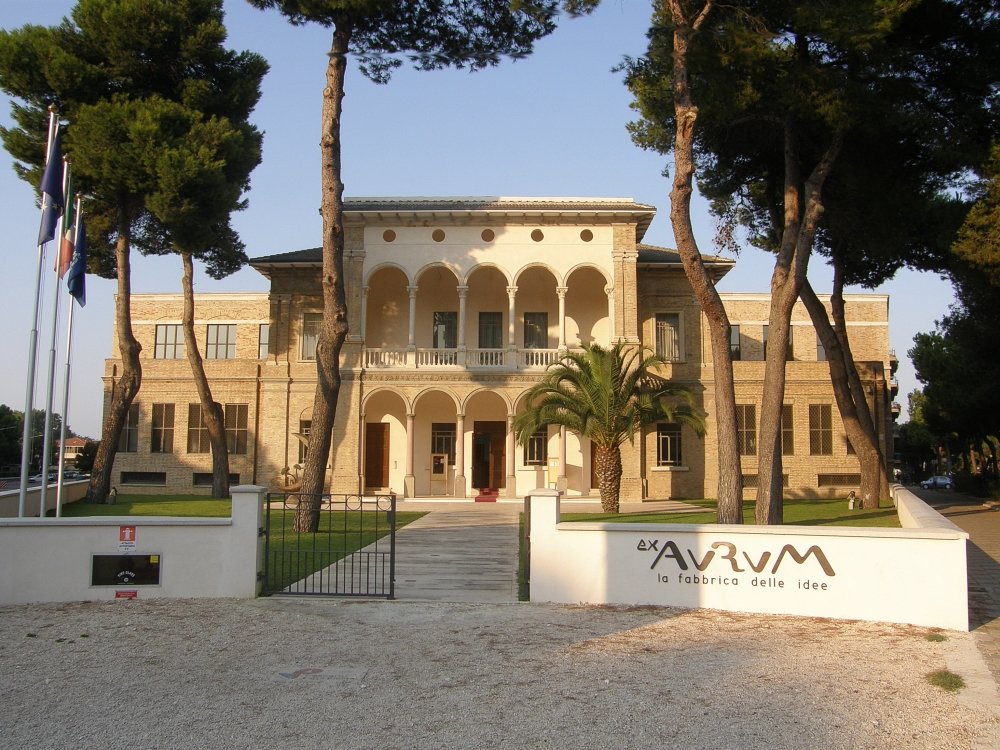
Copertina itinerario Palazzo Pomilio in Pescara: Art Nouveau Architecture in the Heart of the City
Palazzo Pomilio is an Art Nouveau gem in the center of Pescara, with its decorated facade and strategic location near the seafront and shops. Discover the history and architectural details of this historic building.

Good to know


Introduction

Walking through the center of Pescara, among shops and modern buildings, Palazzo Pomilio stops you in your tracks. It’s not just a historic building: it’s an explosion of Art Nouveau elegance that seems to come from another era. Its white facade, decorated with floral motifs, wrought-iron balconies, and arched windows, catches your eye even if you’re in a hurry. I happened to pass by it by chance, and I had to stop and look at those so carefully crafted details. It almost seems like the building wants to tell a story, and indeed it does: that of a Pescara that, at the beginning of the twentieth century, dreamed of becoming a modern and refined city. The location is strategic: just steps from the seafront, where you can take a walk after your visit, and near Corso Umberto I, the heart of the city’s shopping district. It’s not a closed museum, but a piece of urban life that still breathes today, inhabited and lived-in, which makes it even more fascinating. If you love architecture or are looking for something different from the usual tourist route, here you’ll find a corner of beauty that few expect in a seaside city.

Historical Notes

Palazzo Pomilio was built in 1926, designed by engineer Antonio Pomilio, a prominent figure in Pescara at the time. He was not just a designer: he was a man with a vision, who wanted to give the city a new face, worthy of its development after the unification with Castellamare Adriatico. The building was conceived as an elegant residence, and it shows: the high-quality materials, the sinuous lines typical of Art Nouveau, that air of refinement meant to impress contemporaries. Interestingly, Pomilio was not a trained architect, but he managed to create something unique, perhaps inspired by the artistic currents of the era. Over the years, the palace has witnessed urban transformations around it, but has remained largely intact, a silent witness to the city’s history. Today, it is still inhabited and maintains its residential function, which adds a touch of authenticity: it is not an embalmed relic, but a living place.

  • 1926: Construction of the palace designed by Antonio Pomilio
  • 1920s-1930s: Symbol of the new, united, and growing Pescara
  • Second half of the 20th century: Preservation despite urban changes
  • Today: Residential building and architectural landmark

The Details That Make the Difference

What strikes you about Palazzo Pomilio are the details, the ones you only notice if you get close. The floral decorations on the facade are not mere embellishments: they tell a story of an era when art merged with architecture to create everyday beauty. Look at the balconies: the wrought iron is crafted with scroll and leaf motifs, delicate yet sturdy, a true example of craftsmanship. The windows, especially those on the first floor, feature arched shapes that lighten the structure and create plays of light. Inside, if you manage to peek (sometimes the doors are open), you can glimpse staircases with iron railings and original floors, though access is private. One detail that has always intrigued me is the inscription “Palazzo Pomilio” above the entrance, discreet yet proud. There are no large explanations or information panels, and perhaps that’s for the best: it invites you to discover with your own eyes, as a traveler from a century ago would. It’s a building that speaks through its materials and forms, without the need for words.

Liberty in the City: A Surprising Contrast

Pescara is known for its sea and summer life, but Palazzo Pomilio reminds you that there is another, more hidden soul. The contrast with the modern buildings around it is striking, and that’s precisely what makes it fascinating: it seems like a fragment of the past surviving in the urban chaos. While the city around it rushes by, this palace stands there, frozen in time, offering a pause of elegance. It’s not isolated: it’s part of a small cluster of Liberty-style architecture in the center, though perhaps it’s the most representative. Walking through the nearby streets, you can notice similar details on some other buildings, a sign that the style had taken root. For me, visiting it is a way to understand how Pescara has changed without completely losing traces of its history. It’s not a destination for large crowds, but for those seeking something authentic, away from the more beaten paths. If you love photography, you’ll find perfect corners here, especially when the afternoon light illuminates the white facade.

Why Visit It

First: it’s a rare example of well-preserved Art Nouveau in Abruzzo, and in a seaside city like Pescara, it’s an unexpected surprise. Second: the location is extremely convenient, in the pedestrian center, so you can combine the visit with shopping or a stroll along the seafront without wasting time. Third: it doesn’t require hours; just a brief stop of a few minutes to appreciate its beauty, ideal if you have a packed itinerary. Plus, it’s free and always accessible from the outside—no tickets or opening hours to worry about. I recommend it to those who want to add a cultural touch to a day at the sea, or to anyone simply curious to discover a different corner of the city.

When to Go

The best time? In the late afternoon, when the warm sun illuminates the white facade and creates soft shadows on the decorations. In summer, avoid the hottest hours of the day: besides being muggy, the light can be too harsh and flatten the details. In spring or autumn, however, the light is softer and makes the visit more pleasant. If you go in the evening, with artificial lighting, the atmosphere becomes more intimate, almost romantic. Personally, I prefer weekdays, when there’s less crowd and you can enjoy it at your own pace. There’s no need for a specific season: it’s beautiful at any time, as long as you’re willing to look up and notice those details that often go unnoticed.

In the Surrounding Area

Just a short walk away is the Museum of the People of Abruzzo, perfect for delving into local history and traditions: a beautiful contrast between Liberty architecture and popular culture. If you’d rather continue with the artistic theme, take a quick trip to the Basilio Cascella Civic Art Gallery, which houses works by Abruzzese artists and others. Both are just a few minutes away on foot, with no need for complicated transportation. For a lighter experience, after your visit you can take a stroll along the seafront and perhaps stop at one of the kiosks for an ice cream or an aperitif, enjoying the view of the Adriatic Sea.

💡 Did You Know…?

Palazzo Pomilio was built in 1912 during Pescara’s expansion period, when the city was transforming from a small fishing village into a modern urban center. Its Art Nouveau style, rare in Abruzzo, reflects the influence of European artistic currents of the time. The stucco details on the facade, including garlands and vegetal motifs, were created by local artisans using traditional techniques, creating a unique contrast with the more sober architecture of the surrounding buildings.