
The Rieti Civic Museum, located in the historic center within the former convent of Santa Lucia, offers an artistic journey from the Middle Ages to the nineteenth century with a particular focus on local production. The collection includes works by artists such as Antoniazzo Romano and Vincenzo Manenti, as well as archaeological finds from the Velino area.
- One of the most comprehensive collections of medieval sacred art in northern Lazio
- Paintings by Antoniazzo Romano and medieval wooden sculptures
- Section dedicated to seventeenth-century Reatine painting with canvases depicting sacred and everyday stories
- Archaeological artifacts discovered in the Velino area, highlighting the strategic importance of the region during Roman times
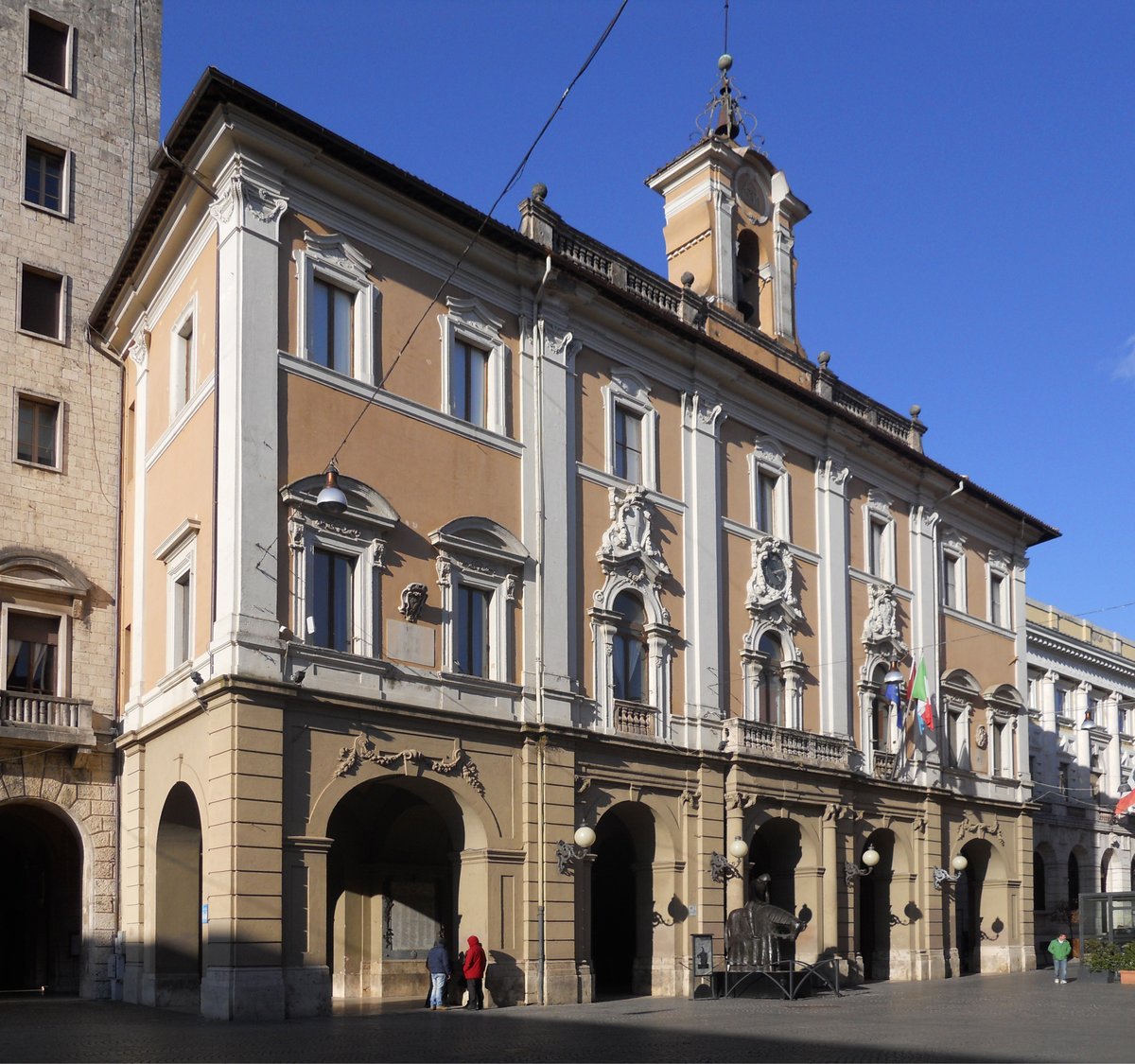
The historical-artistic section of the Rieti Civic Museum features works by Antoniazzo Romano, medieval wooden sculptures, and seventeenth-century Reatine painting in the former convent of Santa Lucia.
- Via Pescheria, Rieti (RI)
- Open in Google Maps
- View on Google Images Museo Civico – sezione storico-artistica a Rieti
Good to know
Introduction
Entering the Civic Museum of Rieti is like opening a living history book in the heart of Sabina. The historical-artistic section, housed in the former convent of Santa Lucia, welcomes you with an atmosphere that blends sacred and profane, where artworks converse with ancient walls. It’s not just a collection of paintings and sculptures, but a journey through the centuries that lets you touch the artistic evolution of the Rieti territory firsthand. The rooms, arranged over two floors, preserve masterpieces ranging from the Middle Ages to the 19th century, with particular attention to local production. Here you breathe the essence of Rieti, a border city between Lazio and Abruzzo, through paintings that tell stories of saints, battles, and daily life. The light filtering through ancient windows illuminates canvases by artists like Antoniazzo Romano and Vincenzo Manenti, creating plays of shadow that accentuate the drama of sacred scenes. It’s a place that strikes you with its authenticity, far from the crowds of major museums, where you can truly connect with art without haste.
Historical Overview
The history of the Civic Museum of Rieti dates back to the 19th century, when systematic collection of the area’s artworks began. The current location in the former Santa Lucia convent was chosen for its central position and ability to properly house the collections. The museum was established with the goal of preserving Rieti’s artistic heritage, which was threatened by dispersal and damage. Among the most significant works are those originating from churches suppressed during the Napoleonic and post-unification suppressions. Figures like the Rieti-born painter Vincenzo Manenti, active in the 17th century, are well represented with canvases showing the influence of the Counter-Reformation on local art. The museum has undergone several reorganizations, the most recent of which enhanced the chronological and thematic layout.
- 13th century: construction of Santa Lucia convent
- 19th century: establishment of museum collections
- 17th-18th centuries: period of greatest artistic flourishing represented
- Modern restorations: adaptation to safety and accessibility regulations
Medieval Treasures
The medieval section of the museum is a true gem, with painted crosses and 13th-century panels that testify to the artistic vitality of Sabina before the Renaissance. The Madonna and Child attributed to the Umbrian-Latial school stands out, where the gold backgrounds shimmer under artificial lighting designed not to damage the pigments. The works show the influence of Byzantine models blended with local elements, as seen in the drapery of the sacred figures that recall fabrics produced in the area. Particularly significant is the group of detached frescoes from demolished churches and buildings, which preserve traces of original colors rarely found elsewhere. These artifacts allow you to understand how art developed in a border area between the Papal States and the Kingdom of Naples, with both ecclesiastical and lay commissions.
The Nineteenth Century in Rieti
The itinerary concludes with works from the nineteenth century, a period of significant transformation for Rieti. Here you’ll find landscape paintings depicting the city and surrounding countryside before modern urban changes. Artists like Antonio De Dominicis capture the atmosphere of daily life with a style that blends realism and romanticism. Particularly interesting are the views of the Velino River and the Sabine mountains, showing a territory still largely untouched. The section also includes portraits of local figures and genre scenes, valuable for understanding Rieti’s society at the time. These works, often overlooked in major museums, find proper space and appreciation here, completing the narrative of a community through its artistic production.
Why Visit It
Three concrete reasons not to miss this museum: first, the collection of medieval sacred art is among the most comprehensive in northern Lazio, with works rarely seen elsewhere. Second, the route allows you to follow the artistic evolution of the area in a linear and understandable way, even without being an expert. Third, its location in the historic center of Rieti makes it easy to combine with other visits, without having to make long trips. Additionally, admission is inexpensive and rarely crowded, so you can enjoy the works at your leisure.
When to go
The best time to visit the museum is in the morning hours, when the natural light streaming through the ancient windows perfectly illuminates the medieval artworks. Avoid summer weekends, when tourist traffic is most concentrated in the city center. In autumn and spring, the clear days make viewing the halls particularly evocative, with the colors of the paintings standing out against the light walls. If you want to avoid school groups, plan your visit for weekday afternoons.
In the Surroundings
Just steps from the museum, don’t miss the Cathedral of Santa Maria Assunta with its Romanesque crypt and thirteenth-century bell tower. For a complete thematic experience, also visit the Church of San Pietro Apostolo, which houses frescoes from the same period as some museum artworks. If you’re interested in local craftsmanship, seek out the ceramic workshops in the historic center, where traditional techniques are still used to create handmade pieces.
💡 Did You Know…?
Did you know: the museum houses a rare 13th-century wooden crucifix from the Church of San Francesco, which according to local tradition was carved by a friar during the plague of 1348. It’s said that the people of Rieti carried it in procession to pray for the end of the epidemic, and since then it has been considered a symbol of protection for the city.