Diocesan Museum of Mazara del Vallo: Wooden Sculptures and Paintings from the Middle Ages to the Eighteenth Century

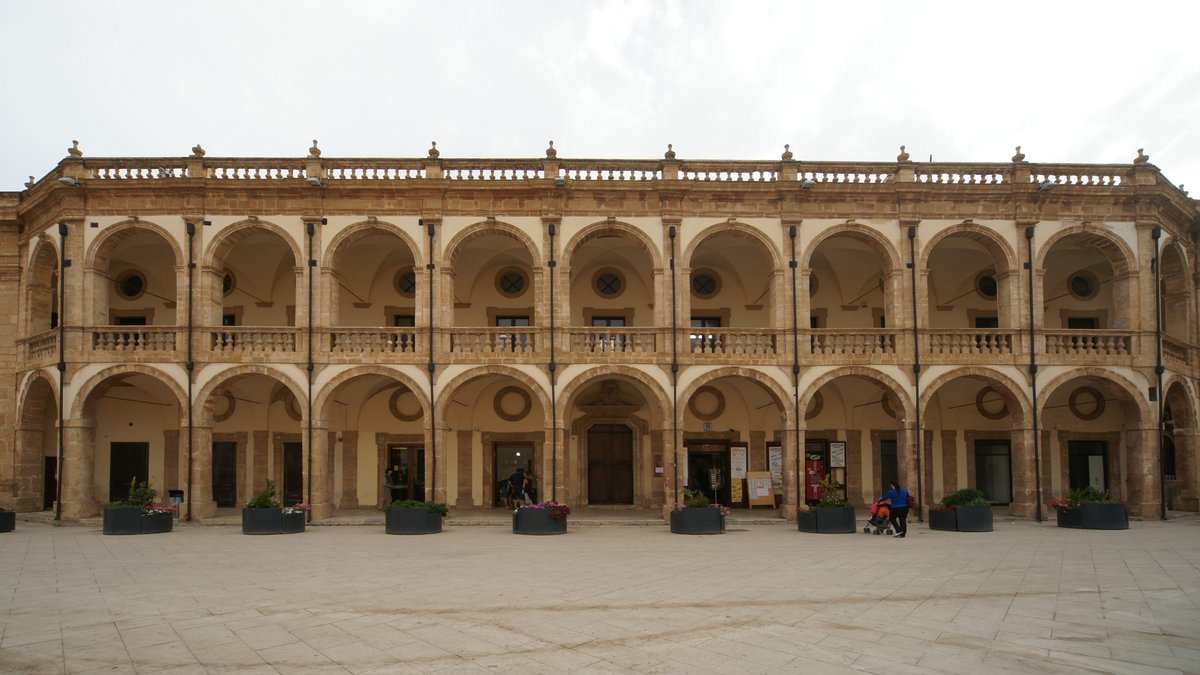
The Diocesan Museum of Mazara del Vallo, located in the former eighteenth-century Episcopal Seminary at the heart of the historic center, offers a journey through centuries of sacred art from western Sicily. The collection, organized into thematic sections, includes works from the Middle Ages to the Eighteenth Century from churches across the diocese, with a curated display and clear explanations. It is a tranquil and intimate space, ideal for a cultural break away from the crowds.

  • Polychrome wooden sculptures with human expressions and meticulous details, such as Madonnas with Child of touching realism.
  • Paintings showing Sicilian Baroque influences and eighteenth-century chiaroscuro, with works by local artists.
  • Liturgical vestments embroidered in silk and gold from the Sixteenth Century and silverware like the Reliquary of Saint Vitus from the Seventeenth Century.
  • Intimate and collected atmosphere in a historic building, with suggestive lighting that enhances the artworks and sacred silence.


Events nearby


Copertina itinerario Diocesan Museum of Mazara del Vallo: Wooden Sculptures and Paintings from the Middle Ages to the Eighteenth Century
The Diocesan Museum of Mazara del Vallo houses liturgical vestments, silverware, sculptures, and paintings from the Middle Ages to the Eighteenth Century in a former eighteenth-century Episcopal Seminary in the historic center, near the Cathedral.

Good to know


A Hidden Treasure in the Ancient Heart

The Diocesan Museum of Mazara del Vallo is not just a collection of sacred art, but a true journey through time that welcomes you within the walls of the former Episcopal Seminary. What strikes you immediately is the intimate and serene atmosphere, far from the tourist crowds. Upon entering, you breathe in an almost sacred silence, broken only by the rustle of your own footsteps on the ancient floors. The artworks are not merely displayed; they seem to still live in this space, telling stories of devotion and craftsmanship that have spanned centuries. Personally, I was surprised to discover how such a rich museum remains a little-known gem, a corner of authenticity where you feel more like a discoverer than a visitor. The light filtering through the windows onto the wooden sculptures is a spectacle in itself.

Historical Background

The museum’s history is closely tied to that of the Mazara diocese. It officially opened in 1995, but its roots go back much further, when artworks were kept in the city’s religious buildings. The current location, the former Bishop’s Seminary, is an 18th-century building that’s worth a visit in itself. The collection is a rescue of memory: many pieces come from local churches that, over time, suffered damage or needed safer preservation. It’s not uncommon to find works that testify to the passage of various dominations in Sicily, from the Arabs to the Normans, and up to the Spanish, each leaving a trace in the artistic style. The timeline below gives you a clear idea of the journey:

  • 18th century: Construction of the building that now houses the museum (former Bishop’s Seminary).
  • 1995: Official opening of the Diocesan Museum, with the aim of preserving the local sacred heritage.
  • Today: It safeguards works from the Middle Ages to the 18th century, becoming a reference for the artistic history of the Trapani province.

The Allure of Wooden Sculptures

If there’s one section that left a lasting impression on me, it’s the one dedicated to polychrome wooden sculpture. The statues of saints and Madonnas are not static: they almost seem to breathe, with such human expressions and meticulous details in their clothing and faces. Some works, like certain Madonnas with Child, display a moving realism, the result of local craftsmen who worked with tangible devotion. Observing them up close, you notice traces of ancient gilding, colors faded by time that have nonetheless not lost their emotional intensity. It’s an experience that goes beyond simple artistic observation; it helps you understand how deeply faith was rooted in the daily life of this part of Sicily. I recommend taking your time with each piece: each one has a story to tell, sometimes dramatic, sometimes hopeful.

Paintings That Speak of Light and Devotion

The museum’s picture gallery is another small gem. Here, the paintings are not just artworks to admire, but windows into an era. I was particularly struck by the rendering of light in some eighteenth-century canvases, where chiaroscuro plays with sacred subjects, creating an almost theatrical atmosphere. There are works by artists not always nationally famous, but who were reference points for Mazara and its diocese. This makes the visit more authentic, like flipping through a family album of the community. You’ll notice different influences: sometimes the Sicilian Baroque style is glimpsed, other times more sober touches. It’s interesting to search for these details, almost like a stylistic treasure hunt. Personally, I find these rooms perfect for a slow, unhurried visit, letting yourself be captivated by the details.

Why Visit It

Three concrete reasons not to skip this museum? First, it’s a concentrated collection of Sicilian sacred art history in one place, perfect if you have limited time but want to understand the artistic evolution of the area. Second, the atmosphere is truly special: there are no crowds, allowing you to enjoy the artworks calmly, almost in solitude. Third, the exhibited works have a visceral connection to the territory; they aren’t pieces gathered from who knows where, but rather testify to the religious and cultural life of Mazara del Vallo and its surroundings. Additionally, there are often temporary exhibitions that delve into specific aspects, enriching the experience. In short, it’s a stop that adds depth to any visit to the city, going beyond the surface.

When to Visit

The best time? A winter afternoon or a spring day that’s not too hot. In winter, the low light streaming through the windows creates shadow plays on the wooden sculptures, offering a particularly evocative and intimate atmosphere. In spring, you can combine the visit with a stroll through Mazara’s historic center, when the city begins to come alive outdoors but isn’t yet overwhelmed by the summer heat. I’d avoid the midday hours on the most humid summer days, not so much for the museum itself (which is air-conditioned), but because the walk to get there might be less pleasant. My impression is that this place gains a lot in terms of atmosphere when there’s no chaos from the high season outside.

In the Surroundings

After leaving the museum, I recommend two nearby experiences that complete the picture. The first is the Cathedral of San Salvatore, right next to the museum: entering after seeing the sacred works at the Diocesan will make you appreciate even more the context for which they were created. The second, if you want a fascinating contrast, is the Casbah district, the ancient Arab nucleus of Mazara. Walking through its narrow alleys, among the scents of spices and architecture reminiscent of North Africa, creates an ideal bridge between the different cultural souls of the city. It’s like moving from the sacred to the profane in just a few minutes, a leap into the living history of this corner of Sicily.

Itineraries nearby


💡 Did You Know…?

Among the most fascinating works stands the Reliquary of Saint Vitus, the city’s patron saint, made of silver and precious stones in the 17th century. According to local tradition, it contains a relic of the saint brought to Mazara by the Normans. Another detail that makes the visit unique is the collection of liturgical vestments embroidered with silk and gold, some dating back to the 16th century, which testify to the skill of local nuns. Don’t miss the painting of the Madonna of the Rosary, attributed to the school of Antonello da Messina, which shows Arab-Norman influences typical of the area. These elements, together with its location in the historic center near the Arab quarter of the Casbah, create an experience that links art, history, and cultural identity in an unforgettable way.