Roman Amphitheater Frosinone: 1st Century AD Arena with Free Access in the Historic Center

The Roman amphitheater of Frosinone, dating back to the 1st century AD, is an archaeological site integrated into the modern urban fabric, with free access and no opening hours. Walk among the ancient seating tiers, observe the elliptical architecture in opus reticulatum, and imagine the gladiator fights that took place here for thousands of spectators.

  • Free and open access: visit without tickets, integrated among modern buildings in the historic center.
  • Authentic architecture: elliptical structure from the 1st century AD in opus reticulatum, with partially preserved seating tiers.
  • Strategic location: situated in the heart of Frosinone, easily reachable on foot, with panoramic views over Ciociaria.
  • Living history: testimony of ancient Frusino, a Roman municipium along the Via Latina, with informative panels for self-guided visits.


Events nearby

Copertina itinerario Roman Amphitheater Frosinone: 1st Century AD Arena with Free Access in the Historic Center
The Roman amphitheater of Frosinone, built in the 1st century AD, features ancient seating tiers and views over Ciociaria. Free visit without tickets, easily reachable on foot from the center. Discover the elliptical architecture and history of Frusino.

Good to know


Introduction

The Roman Amphitheatre of Frosinone stands in the heart of the city, just steps from the historic centre. It is not an isolated monument, but an integral part of the urban fabric, where the ancient converses with the modern. The remains of the seating and the arena, although partial, immediately give you a sense of its original grandeur. Walking among these stones means touching the history of Frusino, the ancient name of the city. The impact is immediate: you feel transported back two thousand years, when spectacles were held here for thousands of spectators. The elevated position offers breathtaking glimpses of the Ciociaria region, making the visit both a historical and scenic experience.

Historical Overview

The amphitheatre was built in the 1st century AD, during the Imperial Age, when Frusino was a strategic Roman municipium along the Via Latina. It could accommodate up to 10,000 people, a testament to the city’s importance. Used for gladiatorial games and venationes (animal hunts), it was abandoned after the barbarian invasions and later repurposed as a quarry for building materials. Systematic excavations began in the 1990s, unearthing structures buried for centuries.

  • 1st century AD: Construction of the amphitheatre
  • 5th-6th century AD: Abandonment and spoliation
  • 1990s: Start of archaeological excavations
  • Today: Preservation and open visits

Architecture and Materials

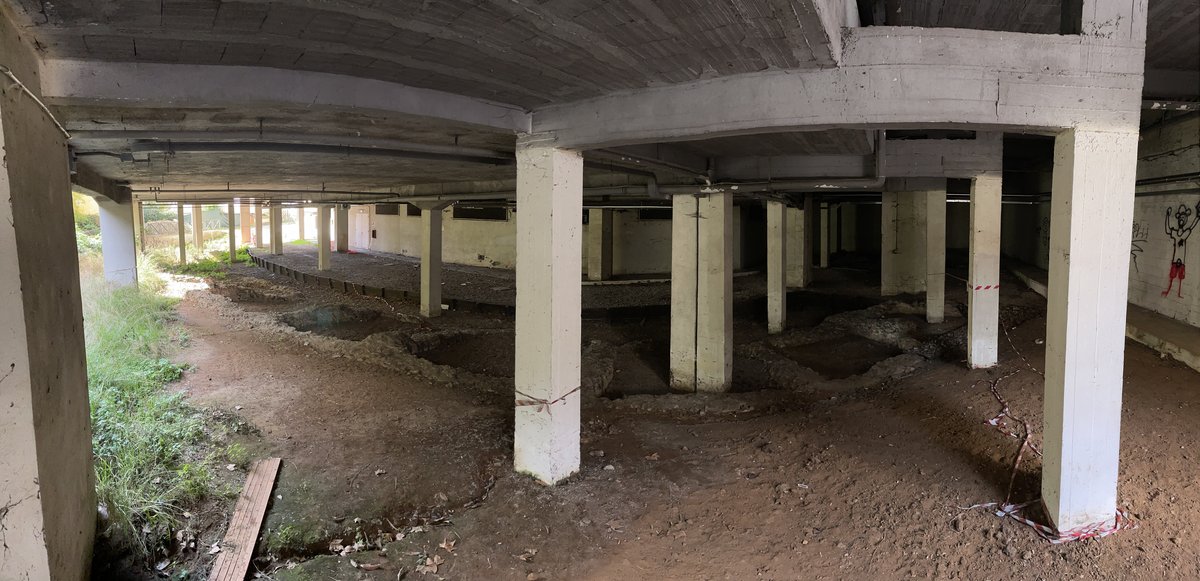
The amphitheatre features a typical elliptical layout characteristic of Roman entertainment buildings. It is constructed using opus reticulatum and brickwork, techniques that confirm its dating to the 1st century. Upon closer inspection, you’ll notice the holes for the metal clamps that held the blocks together. A notable feature: the major axis measures approximately 80 metres, significant dimensions for a non-capital city. The vomitoria (entrances) are still recognizable, as is part of the cavea divided into three sections. The stone material comes from local quarries, the same used for other monuments in the area.

Urban Context and Integration

What strikes you is how the amphitheater is nestled among modern buildings, creating a unique contrast. It’s not fenced off: you walk past it along Via XX Settembre, with no need for tickets. This complete accessibility makes it a lived-in place, not just a museum piece. The remains have been integrated with walkways and explanatory panels that make them easy to understand. In the evening, subtle lighting enhances its forms, creating evocative atmospheres. It’s an example of how archaeology can coexist with the contemporary city, becoming a meeting point and identity marker for the people of Frosinone.

Why Visit It

Three concrete reasons: first, free and open access allows you to visit whenever you want, no set hours. Second, its central location makes it easy to combine with other city attractions. Third, it’s an authentic testament to Roman Frusino, less known but historically significant. Plus, the information panels guide you without needing a guide. Ideal for a quick stop during a tour of Ciociaria.

When to Go

The best time is late afternoon, when the warm sun illuminates the ancient stones creating spectacular light displays. Avoid midday hours in summer due to the heat. In spring and autumn, the low-angled light enhances architectural details. In the evening, with artificial lighting, the atmosphere becomes more intimate and evocative.

In the Surroundings

Just a few minutes’ walk away, visit the Archaeological Museum of Frosinone to delve deeper into the history of Frusino with artifacts from local excavations. For a themed experience, explore the historic center with its medieval churches and noble palaces, where you’ll find traces of continuity from the Roman era.

Itineraries nearby


💡 Did You Know…?

It is said that beneath the amphitheatre there are still tunnels and underground chambers used to prepare the spectacles. During excavations, artefacts emerged that testify to daily life at the time, including fragments of pottery and coins. The amphitheatre’s location, on a hill, allowed visual control over the entire valley, a strategic detail that the Romans also exploited for military purposes.