Teatro Filarmonico Verona: Perfect Acoustics and Active Artisan Workshops

In the heart of Verona, the Teatro Filarmonico is a musical gem with a history of rebirth after fires and bombings. Its acoustics, among the best in Italy, stem from the bell-shaped design and premium materials like cherry wood. Tours also include visits to the in-house artisan workshops where costumes and stage sets are crafted.

  • Exceptional acoustics considered among Italy’s best for classical music
  • Active artisan workshops with tailors and carpenters using traditional techniques
  • Opera season featuring high-level productions and internationally renowned performers
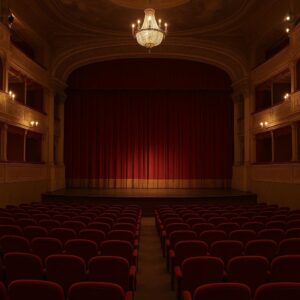
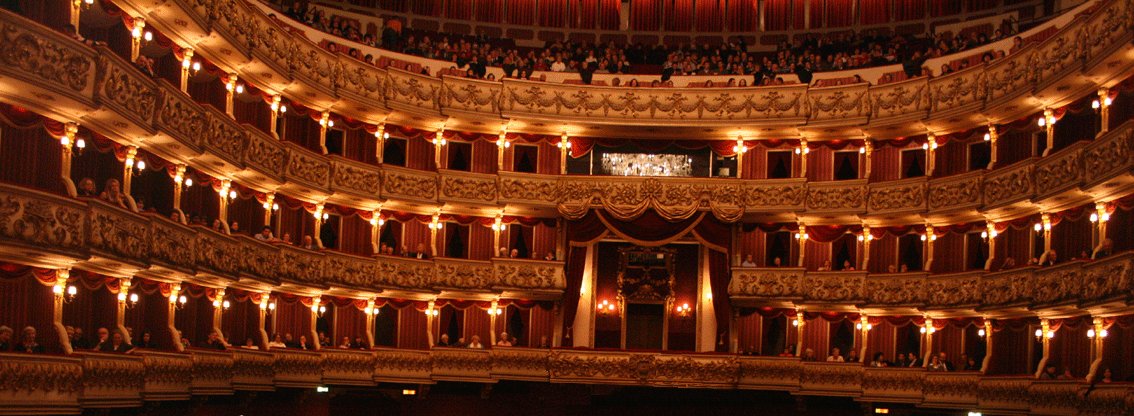
  • 18th-century interiors with stucco, red velvet, and gilding in a timeless atmosphere


Events nearby


Copertina itinerario Teatro Filarmonico Verona: Perfect Acoustics and Active Artisan Workshops
Verona’s Teatro Filarmonico presents an opera season with international artists in an 18th-century hall with exceptional acoustics. Discover guided tours, in-house artisan workshops, and a program ranging from opera to ballet.

Good to know


Introduction

In the heart of Verona, just steps from the Arena, the Teatro Filarmonico stands as an architectural gem that breathes music. It’s not just a building, but a sensory experience: crossing its threshold means immersing yourself in an atmosphere from another era, where the red velvet armchairs, gilded stuccoes, and majestic frescoed vault envelop you. Here, classical music and opera find a perfect home, with acoustics so refined that every note resonates purely. It’s the temple of Veronese musical culture, a place that blends 18th-century elegance with an international-level opera season. Perfect for those seeking an authentic experience away from the more conventional tourist crowds, it delivers intense emotions even to those who aren’t experts in melodies.

Historical Overview

The history of the Teatro Filarmonico is a tale of rebirth. Designed by architect Francesco Galli Bibiena, it opened in 1732 with Antonio Vivaldi’s opera ‘La fida ninfa’, immediately marking the pinnacle of the city’s cultural life. However, a devastating fire in 1749 almost completely destroyed it. The reconstruction, led by Giuseppe Barbieri, restored it to its splendor in 1754, with a neoclassical facade that still characterizes the building today. Over the centuries, it has hosted world premieres of operas by Giuseppe Verdi and other great composers, solidifying its role as a landmark for opera. Today, after a careful restoration completed in 2022, the theater shines brighter than ever, offering a program ranging from opera to ballet and symphony concerts.

  • 1732: Opening with Antonio Vivaldi
  • 1749: Fire that destroys the theater
  • 1754: Reconstruction completed by Giuseppe Barbieri
  • 2022: Modern restoration preserving historical acoustics

Perfect Acoustics

One of the most celebrated aspects of the Teatro Filarmonico is its exceptional acoustics, considered among the best in Italy for classical music. This achievement is no accident: it stems from the hall’s bell-shaped design, the use of premium materials like cherry wood for the boxes, and the absence of modern amplification systems. During restoration work, experts carefully preserved these characteristics using non-invasive technologies. Attending a concert here means hearing each instrument with unique clarity, as if the orchestra were playing just for you. Opera singers particularly appreciate this stage because the voice travels naturally all the way to the back row. For visitors, it’s a rare opportunity to experience music as it was conceived centuries ago.

Behind the Scenes: The Artisan Workshops

Many are unaware that the Teatro Filarmonico houses active artisan workshops where costumes, sets, and equipment for performances are created. These spaces, accessible during special guided tours, are a hidden treasure: tailors, carpenters, and painters still work using traditional techniques, crafting hand-embroidered stage costumes and painted backdrops that seem to come straight from the 18th century. It’s fascinating to see how a production comes to life thanks to these local craftspeople, who pass down ancient skills. This artisanal dimension makes the theater not just a place of performance, but also of creation, adding unique value to the visit. Discovering it is like stepping into the beating heart of Verona’s theatrical machinery.

Why Visit It

Visiting the Teatro Filarmonico offers concrete reasons beyond simple sightseeing. First, the acoustic experience is unparalleled: even a half-hour concert provides deep emotions, thanks to a sound quality rarely found elsewhere. Second, the opera season includes high-level productions, often with internationally renowned performers, at accessible prices compared to other Italian theaters. Third, guided tours allow you to explore areas normally closed to the public, such as the royal stage or historic dressing rooms, enriching the visit with anecdotes and curiosities. It’s an opportunity to experience Verona beyond its most famous monuments, immersing yourself in a living and vibrant musical tradition.

When to Go

The most enchanting time to visit the Teatro Filarmonico is in the evening, during a performance, when warm lighting enhances the gilded interiors and the atmosphere fills with anticipation. For those who prefer a daytime visit, autumn or spring months are ideal, as natural light filters through the windows, revealing architectural details often hidden. Avoid peak summer tourist seasons if you seek tranquility, as the theater can be more crowded. Generally, a winter afternoon, with the city wrapped in a cozy atmosphere, offers an intimate and memorable experience, perfect for appreciating the solemn silence of the empty spaces.

In the Surroundings

Complete your cultural experience with a visit to the Castelvecchio Museum, just a few minutes’ walk away, which houses a rich collection of medieval and Renaissance art in an extraordinary architectural setting. For a music-themed experience, head to Juliet’s House, not only for the famous balcony but to discover how Shakespearean love has inspired operas performed right at the Filarmonico. Both places enrich your journey with stories intertwined with the theater’s history, creating a coherent itinerary in Verona’s historic center.

Itineraries nearby


💡 Did You Know…?

Teatro Filarmonico has a history of rebirth. The original theater, designed by architect Francesco Galli Bibiena and inaugurated in 1732, was completely destroyed by a fire in 1749. Rebuilt, it was then severely damaged by Allied bombings in 1945. The post-war reconstruction, completed in 1975, sought to respect the original 18th-century splendor. A fascinating detail concerns its acoustics: the bell-shaped hall and the materials used in the reconstruction were studied to achieve perfect resonance, so much so that many musicians consider it one of the ‘ideal concert halls.’ During restoration work, some of the original stuccos that survived the rubble were found and reused, a tangible link to its glorious history.