Tharros: Ancient Phoenician-Punic City with Roman Baths and Unique Sardinian Tophet

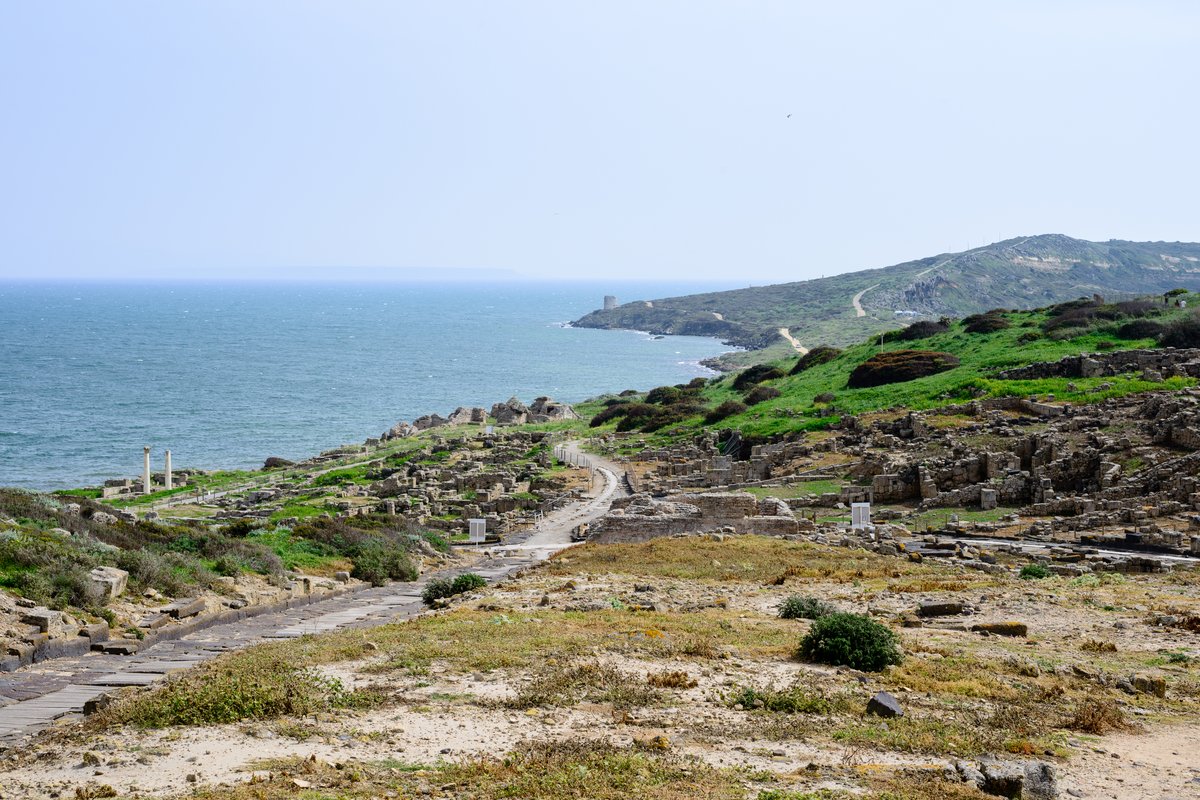
Tharros is an archaeological site overlooking the sea in Cabras, featuring Phoenician-Punic and Roman remains that tell a thousand-year-old story. The location on the promontory offers breathtaking views of the Gulf of Oristano, while proximity to the Cabras lagoon and San Giovanni di Sinis beach allows visitors to combine culture and nature.

  • Roman baths with well-preserved pools, hypocausts, and geometric mosaics
  • Punic tophet, a unique sacred area in Sardinia with votive cinerary urns
  • Panoramic view over the Gulf of Oristano, ideal for photos and sunsets
  • Cobbled streets and temple remains showcasing ancient life from the 8th century BC
Copertina itinerario Tharros: Ancient Phoenician-Punic City with Roman Baths and Unique Sardinian Tophet
Tharros Archaeological Area in Cabras: Phoenician-Punic ruins from the 8th century BC, well-preserved Roman baths, sacred Punic tophet, and panoramic views over the Gulf of Oristano.

Good to know


Introduction

Tharros greets you with a breathtaking view: the ancient Phoenician-Punic ruins stand out against the deep blue of the Gulf of Oristano, creating a contrast between history and nature that leaves a lasting impression. Walking among the remains of this city, founded in the 8th century BC, means breathing in millennia of civilization while the Sardinian wind whips through the remnants of temples and baths. It’s a place where the past isn’t just to be read, but to be lived: every stone tells of trade exchanges, Roman dominations, and the daily life of a Mediterranean crossroads. The location is strategic, overlooking the water, and today offers unforgettable sunsets that paint the surviving columns red. It’s not just an archaeological site, but an emotional experience that uniquely blends culture and landscape in Sardinia.

Historical Overview

Tharros was founded as a Phoenician outpost in the 8th century BC, developing under the Carthaginians into a crucial commercial center. Conquered by the Romans in 238 BC, it became a flourishing municipium, with partially visible remains of baths, an aqueduct, and a forum. The city declined after Saracen raids and was abandoned in the 11th century, when inhabitants relocated to Oristano. Discovered artifacts, such as Punic pottery and Roman coins, bear witness to centuries of trade and domination. Excavation campaigns have also uncovered Phoenician shaft tombs and Roman thermal structures, offering a vivid glimpse into ancient life.

  • 8th century BC: Phoenician foundation
  • 6th-4th century BC: Carthaginian period
  • 238 BC: Roman conquest
  • 11th century: Abandonment after Saracen raids

The Roman Baths and Water System

One of Tharros’ highlights are the well-preserved Roman baths, featuring pools and hypocausts that showcase the engineering of the era. The water system includes cisterns and conduits that supplied the city, utilizing local resources. As you stroll through, you’ll notice geometric mosaics and rooms for hot and cold baths, signs of an advanced society. These structures, along with the aqueduct, highlight how the Romans transformed Tharros into a comfortable settlement where water was central to social and hygienic life.

The Tophet and Phoenician Rituals

The tophet of Tharros is a unique sacred area where the Phoenicians practiced rituals with votive offerings, often associated with cinerary urns. This space, located in an elevated area, highlights the spiritual connection with Carthaginian deities such as Tanit. The findings include steles engraved with symbols, now partly housed in the Cabras Museum, which tell of distant beliefs and traditions. Visiting it adds a layer of depth to the understanding of Phoenician culture, showing how religion influenced daily life in this Mediterranean outpost.

Why Visit It

Tharros is worth visiting for three concrete reasons: first, the panoramic view of the Gulf of Oristano is among the most spectacular in Sardinia, perfect for photos and moments of contemplation. Second, artifacts like the thermal baths and the tophet are rare in Italy and offer a tangible journey through time. Third, its proximity to the sea allows you to combine culture and relaxation, with San Giovanni di Sinis beach just steps away. It’s a site that adds value to your trip, enriching it with history and natural beauty all at once.

When to Go

The best time to visit Tharros is at sunset, when the warm light enhances the ruins and the sea, creating magical atmospheres. In terms of season, avoid the midday summer hours due to the heat; prefer late spring or early autumn, when the climate is mild and the colors of nature blend with the ancient surroundings. During these periods, the site is less crowded, allowing for a more intimate and reflective exploration.

In the Surroundings

Complete your day with a visit to the Cabras Civic Museum, which houses artifacts from Tharros, including the Giants of Mont’e Prama, unique Nuragic statues. A short distance away, the Sinis Peninsula offers Is Arutas Beach, with quartz sand that sparkles like grains of rice, perfect for a refreshing swim after exploring the archaeology.

💡 Did You Know…?

Legend has it that Tharros was founded by the mythical Greek hero Aristaeus, son of Apollo. During excavations, coins with unique symbols emerged, including the dolphin, which testify to the city’s maritime importance. The remains of the Roman aqueduct that brought water from the springs of Cabras show the advanced engineering of the time. Particularly evocative is the fact that many materials from Tharros were reused to build nearby Oristano when the city was abandoned due to Saracen raids.