
Nora is much more than an archaeological site: it’s a journey into ancient Sardinia, among Phoenicians, Punics, and Romans, with a still-active theater and breathtaking mosaics. All just steps from a light sandy beach, perfect for families. Here’s what not to miss:
– Roman Theater: the only one in Sardinia still used for performances.
– Baths with mosaics: well-preserved remains from the 2nd-3rd century AD.
– Nora Beach: clear waters and shallow seabed, ideal for children.
– Festival of Sant’Efisio: on May 3rd, the procession reaches the small church on the beach.
Events nearby
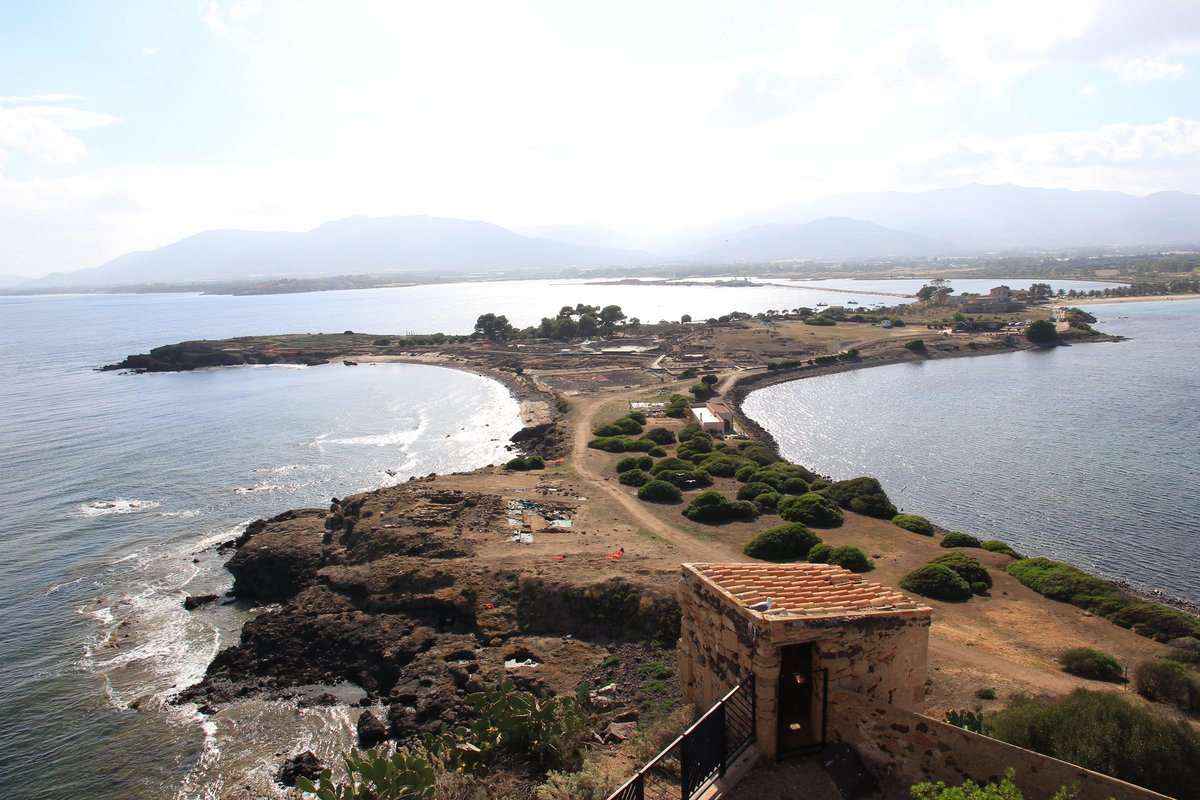
In Pula, 35 km from Cagliari, ancient Nora offers a fascinating Phoenician-Punic-Roman archaeological site with a theater, baths, and mosaics, overlooking a beautiful bay with an accessible beach and the Church of Sant’Efisio.
- https://www.nora.sardegna.it/
- Viale Nora, Cagliari (CA)
- Open in Google Maps
- View on Google Images Nora a Cagliari
Good to know
Nora: A Dive into History Between Phoenicians and Romans
Historical Overview
- 8th-6th century BC: Phoenician foundation
- 238 BC: Roman conquest
- 2nd-3rd century AD: peak development
- 7th-8th century: abandonment
- 1952: systematic excavations
What to See: The Theater and the Mosaics
The Tophet and the Phoenician Legacy
Why Visit It
When to go
Exploring the Area
Itineraries nearby


💡 Did You Know…?
In 1889, a violent storm revealed the Punic tophet of Nora, uncovering hundreds of stelae with the sign of Tanit. Today, walking among the ruins, you can still feel the magic of those days. Every May 3rd, the procession of Sant’Efisio follows the road to the small church, where tradition holds that the saint was martyred.