Cosa Orbetello is a natural promontory on Tombolo della Giannella offering a complete view over the Orbetello Lagoon, one of Italy’s most important wetland areas. This free and accessible viewpoint allows you to observe pink flamingos from just a few meters away, especially at sunset, in a quiet atmosphere away from tourist crowds.
- 360° view over the lagoon divided into the Ponente and Levante basins
- Pink flamingos observable up close, particularly at sunset
- Free access with no closing hours or tickets required
- Walks and cycling along the scenic road of the tombolo
Introduction
Cosa Orbetello is not just a promontory. It’s a natural balcony suspended between sky and water, where the Orbetello lagoon stretches out in all its expanse. When you arrive here, you immediately notice that the atmosphere is different compared to other locations in the Maremma. There’s no crowd like in the more famous villages, but a silence broken only by the wind and the calls of birds. The view is breathtaking: on one side, the Tombolo della Giannella, that strip of sand separating the lagoon from the sea; on the other, the town of Orbetello that seems to float on the water. And then them, the true protagonists: the pink flamingos. You see them in the distance, splashes of color against the green-gray of the marsh. Sometimes they stand still, sometimes they take flight in a group, creating a spectacle that seems straight out of a documentary. Personally, I like to think of Cosa as a place you don’t expect. There are no flashy tourist signs or refreshment points, just pure nature. It’s the perfect spot for those seeking a moment of peace, away from the chaos, with a camera always ready. I discovered it almost by chance, during one of those aimless explorations, and since then, I return every time I need to disconnect. The feeling is always the same: a mix of wonder and tranquility that you rarely find elsewhere.
Historical Background
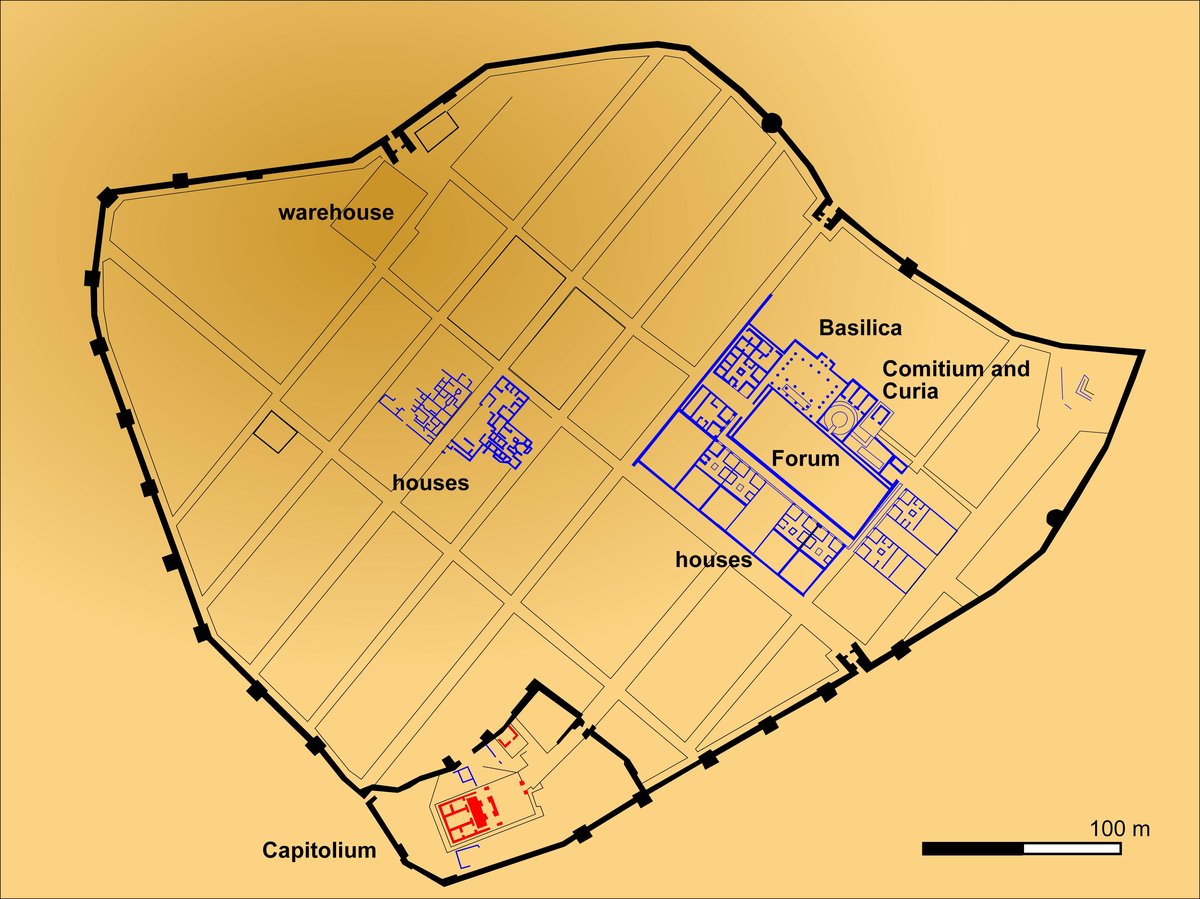
The name ‘Cosa’ is not coincidental. This is where the ancient Roman city of Cosa once stood, founded in 273 BC as a Latin colony. It wasn’t just any settlement: it occupied an incredibly strategic position, controlling the Tyrrhenian coast and trade routes. Walking among the archaeological remains (located just above the viewpoint), you immediately grasp the importance of this place. The polygonal walls, temple foundations, and urban layout tell the story of a vibrant city at the crossroads of cultures. Then, during the Middle Ages, the site was abandoned and nature reclaimed its space. Today, what you see is a perfect example of
historical layering: Roman antiquity merges with the lagoon landscape, creating a unique context. I’m always struck by the thought that while admiring the flamingos, I’m gazing at the same panorama the Romans saw two thousand years ago. The lagoon was already there, though probably without the pink flamingos, which arrived only recently. It’s one of those things that makes you feel small in the face of history, yet also part of a continuum.
- 273 BC: Foundation of the Roman colony of Cosa
- Imperial Age: Period of greatest splendor, with a port and commercial activities
- Middle Ages: Gradual abandonment of the site
- Today: Archaeological area and natural observation point
The Dance of the Flamingos
Pink flamingos are not just decorative elements of the landscape. They are an integral part of the lagoon ecosystem, and observing them from Cosa is an experience that goes beyond simple photography. The best time to see them is at sunset, when the warm sunlight tinges them orange and their silhouettes stand out against the water. They are not shy, but they keep their distance: you see them in large groups, often with their young (which are grey, not pink!). The fascinating thing is their behavior: they spend hours filtering water with their beaks in search of small crustaceans, which are precisely what gives them that characteristic pink color. Sometimes one takes flight, then another, and within seconds dozens of birds take to the sky in perfect choreography. It’s a spectacle that never tires. I always sit on the grass, with my knees drawn up, and watch them until the light fades completely. There’s something hypnotic about their slow, graceful movements. If you’re lucky, you can also hear their calls, similar to muffled horns. A piece of advice? Don’t get too close to the shore so as not to disturb them: the beauty of this place lies precisely in respecting nature.
The Silence That Speaks
Cosa Orbetello has another peculiarity, less obvious but equally powerful: the silence. It’s not absolute silence, of course. Rather, it’s a symphony of natural sounds that you can hear clearly here, away from traffic. The rustle of wind through the lagoon reeds. The gurgle of water lapping the shore. The calls of other waterbirds, like grey herons and black-winged stilts. And then, if you pay attention, the sound of your own footsteps on the dry grass. This place invites slowness. There are no mandatory paths or signs to follow: you can simply sit down and let the panorama envelop you. I’ve been there on different days, with different light conditions, and each time I discovered a new detail. A fishing boat crossing the lagoon at dawn. Clouds mirrored in the flat water. The moon rising behind the Argentario mountains. It’s the ideal place to recharge your batteries, to read a book outdoors, or even just to be in company without needing to talk. Sometimes I think it’s precisely this lack of conventional ‘attractions’ that makes it special. Here you don’t have to do anything, except be present.
Why Visit It
Three concrete reasons to add Cosa Orbetello to your list. First: it’s free and accessible to everyone. There are no entrance tickets or closing times; you can arrive whenever you want and stay as long as you like. Second: it offers a 360-degree view of the lagoon that is unmatched in the area. From here, you can simultaneously observe the eastern and western lagoons, the Tombolo sandbar, and even Monte Argentario in the distance. Third: it’s a paradise for nature photographers, but also for those who simply want to capture a unique memory. The light, especially at dawn and sunset, is magical and delivers postcard-worthy shots without the need for professional equipment. And there’s a fourth reason, more personal: here you understand what ‘authentic Maremma’ truly means. Not the tourist version, but the one made of open spaces, slow rhythms, and a direct connection with nature. It’s a place that stays with you, not just in photos.
When to Go
The beauty of Cosa Orbetello changes with the seasons, and perhaps that’s precisely its charm. In spring, the lagoon comes alive, teeming with migratory birds and bathed in a clear light that enhances the colors. In summer, long days allow you to savor the sunset at leisure, though the air can sometimes feel humid. Autumn, in my opinion, is the most evocative time. The colors turn warm, the atmosphere becomes melancholic and poetic, and the flamingos appear even pinker against the gray sky. In winter, however, the place takes on a wild character: the wind blows strong, the water is choppy, and you feel as if you’re in a remote outpost. As for timing, avoid the midday hours when the sun is high and the light is flat. Opt for early morning, when the lagoon awakens, or late afternoon, when everything is tinged with gold. I have a personal preference for sunset: there’s something magical about watching the flamingos fly away as the sun disappears behind Monte Argentario.
In the Surroundings
If after Cosa you still feel like exploring, you have two perfect thematic options to continue the experience. The first is the Dighetta di Orbetello, a pedestrian walkway that cuts through the western lagoon in two. Walking on it is a surreal experience: you have water on both sides, and often flamingos are so close you can hear them breathing. It’s another privileged observation point, more ‘immersive’ compared to Cosa. The second option is a visit to the National Archaeological Museum of Cosa, located right behind the promontory. Here you can delve into the history of the ancient Roman city, see artifacts found during excavations, and better understand the context you’re in. It’s not a huge museum, but it’s well-curated and gives you that piece of history that completes the natural picture. Both places are just a few minutes’ drive away and keep alive that sense of discovery that characterizes the entire area.