Venaria Palace: 80,000 m² of Baroque Palace and 60 Hectares of Gardens

The Venaria Palace, commissioned by Duke Carlo Emanuele II of Savoy in 1658, is a Baroque complex designated as a UNESCO World Heritage Site. After an extensive restoration, it offers a journey into 17th-century Piedmont, just a few kilometers from Turin’s city center.

  • Great Gallery: An 80-meter hall with 44 windows, the former ballroom that leaves visitors breathless
  • Chapel of Saint Hubert: A masterpiece of light and space designed by Filippo Juvarra
  • Baroque Gardens: 60 hectares with fountains, geometric flowerbeds, and breathtaking views of the Alps
  • Juvarra Stables: Host temporary exhibitions in 18th-century spaces
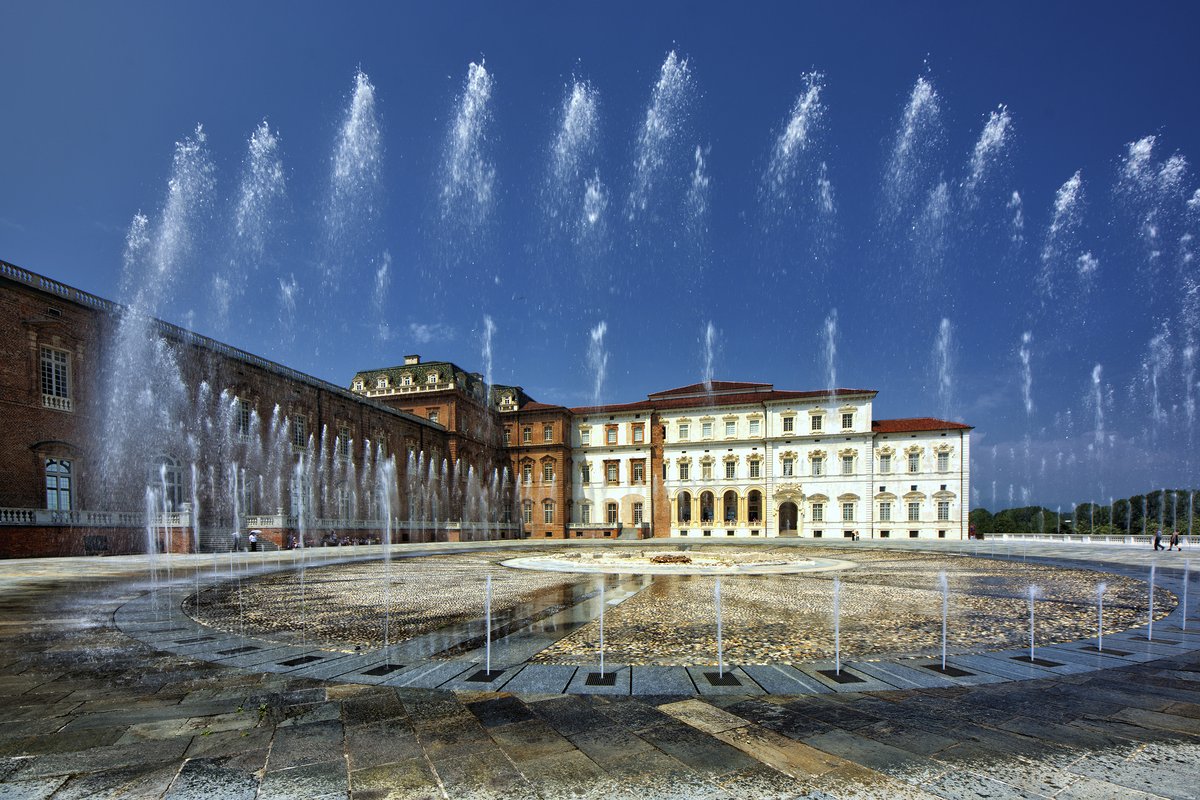
Copertina itinerario Venaria Palace: 80,000 m² of Baroque Palace and 60 Hectares of Gardens
UNESCO World Heritage Site in Turin featuring the 80-meter Great Gallery, Juvarra’s Chapel of Saint Hubert, and gardens with Alpine views. Temporary exhibitions in the Stables.

Good to know


Introduction

As soon as you pass through the gate, you immediately understand why they call it the Italian Versailles. The Venaria Palace strikes you with its baroque grandeur, a breathtaking sight that almost takes your breath away. It’s not just a palace; it’s an experience that transports you back in time, among gilded halls and gardens that seem to come straight out of a fairy tale. The Great Gallery, 80 meters long and illuminated by 44 windows, is perhaps the most spectacular space I’ve ever seen in an Italian historical building. Walking through it, with light filtering in and the soaring ceilings, makes you feel small yet part of something magnificent. And then there’s that respectful silence you can feel, broken only by footsteps on the polished floors. Truly, if you’re passing through Turin, you can’t miss it.

Historical Overview

The Royal Palace was founded in 1658 at the behest of Duke Carlo Emanuele II of Savoy, who desired a hunting residence worthy of his dynasty. Architect Amedeo di Castellamonte designed it as an immense complex, comprising a palace, gardens, and an adjoining village. Over the centuries, it experienced fluctuating fortunes: splendour under the Savoys, decline after Italian unification, and even use as a barracks. The restoration, which began in the 1990s, was colossal and restored it to its former glory. Today, it is one of the most visited cultural sites in Piedmont. Concise timeline:

  • 1658: Construction begins by order of Carlo Emanuele II
  • 1675: Completion of the Great Gallery
  • 1997: UNESCO designation
  • 2007: Reopening to the public after decades of restoration

The Italian Gardens

Don’t limit yourself to the palace, because the gardens are an essential part of the visit. Compared to other historical parks, there’s an interesting mix here: the restored section with geometric flowerbeds and fountains, and the area left more wild, the Garden of Fluid Sculptures. Personally, I prefer the latter: strolling among Giuseppe Penone’s contemporary installations, with those bronze trees that seem to grow from nothing, creates a powerful contrast with the Baroque architecture. It’s a dialogue between ancient and modern that works. And then, if you’re lucky, you might encounter the peacocks that live freely in the park – a natural spectacle that adds magic.

The Chapel of Saint Hubert

Among all the rooms, this chapel left me speechless. Designed by Filippo Juvarra, it is a masterpiece of light and space. You enter and the first thing you notice is the main altar, with that shining marble, but then you look up and see the dome: it seems to vanish towards the sky, thanks to a brilliant play of perspectives. It is dedicated to Saint Hubert, patron saint of hunters, which explains why it is so rich in symbols related to hunting. I like to sit for a moment on the side benches, even though I’m not religious, just to absorb the tranquility of the place. It is less crowded than the Great Gallery, so you can enjoy it more calmly.

Why Visit

First: for the Great Gallery, which alone is worth the ticket. It’s one of those spaces that photos don’t do justice to—you have to experience it. Second: because the gardens offer an unexpected green break, perfect after hours spent in the halls. Third: for the temporary exhibitions, often meticulously curated and underpublicized—the last one I saw was on stage costumes from the Teatro Regio, surprising. And then there’s a practical reason: it’s well connected to Turin by public transport, so you don’t need a car. In short, it’s accessible and rich in content, rare for such a majestic place.

When to Go

I visited in late October, with leaves falling in the gardens, and it was poetic. But if I’m honest, the best time is early summer afternoon, when the light enters the Great Gallery at an angle and creates those shadow plays that look like paintings. In winter, the palace is evocative with the first sunset lights, but the gardens lose a bit. Avoid full August weekends—it can get crowded. A tip? Go on Wednesday; it’s usually quieter. And always bring a jacket; it’s cool inside even in summer.

In the Surroundings

If you have time, take a quick trip to the Stupinigi Hunting Lodge, also part of the Savoy Residences. It’s smaller but has an intimate charm, with rococo halls that look like sugar. Or, for a total contrast, explore the nearby Parco della Mandria, a protected natural area where you can take a stroll among deer and wild horses. If you prefer to stay on the royal theme, the center of Turin with the Royal Palace and the Cathedral is about twenty minutes away. But be careful: don’t try to do everything in one day; it’s better to savor it slowly.

💡 Did You Know…?

During your visit, look for the Diana at the Bath statue in the Fountain of the Stag: it’s said that the statue, depicting the goddess of the hunt, brings good luck to lovers who touch it. In the Stables, observe the original 18th-century marble mangers, designed for the royal horses. If you visit in spring, don’t miss the blooming of the Dutch tulips in the gardens, planted each year following a different design. And remember: the palace was a filming location for movies like Sorrentino’s ‘The Great Beauty,’ which shot some memorable scenes here.