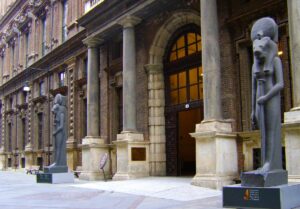
If you think Piedmont is just Turin and fog, think again. The province of Cuneo offers a perfect mix of medieval villages, fairy-tale castles, and postcard-perfect hills. This 3-day itinerary takes you from Saluzzo to the Langhe, stopping at Lagnasco, Verzuolo, Busca, Bra, Barolo, Roddi, and Barbaresco. It’s a route designed for lovers of art, history, and good food. Each stop has its charm: the castle of Lagnasco, the towers of Verzuolo, the lively atmosphere of Bra. But the real highlight is the Langhe: the vineyards of Barolo and Barbaresco, the castle of Roddi. In just three days, you’ll savor the essence of the most authentic Piedmont, with tastings and walks through the villages. Ready to go?
🗺️ Your trip at a glance
An itinerary that combines history, food and wine, and unique landscapes in just three days. Perfect for those who want to discover the best of the Langhe and the villages of the Cuneo province without rushing.
- Ideal for: enthusiasts of food and wine and medieval villages who want to combine culture and culinary pleasure.
- Highlights: visits to castles such as Saluzzo and Roddi, tastings of Barolo and Barbaresco, unique scenery of the Langhe.
- For whom: couples and slow travelers seeking an authentic experience off the beaten path.
Itinerary stops
Day 1 – Stop no. 1
Tapparelli D’Azeglio Castles: A Dive into Piedmontese Renaissance
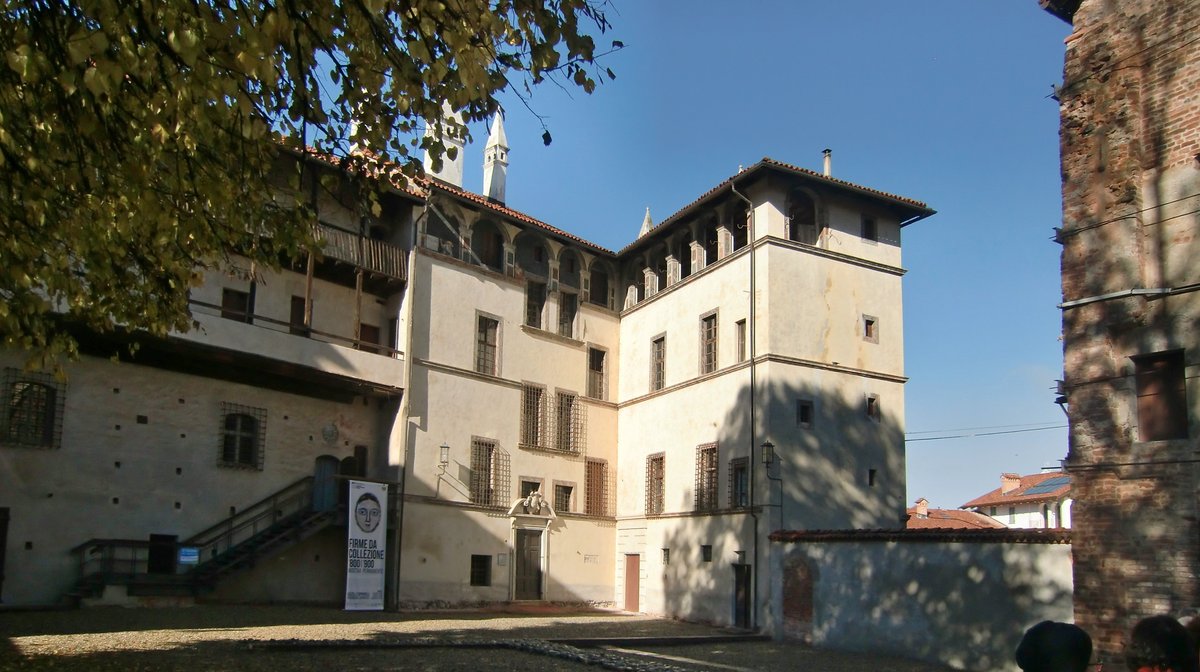 I begin my exploration of the Cuneo area from a place that truly left me speechless: the Tapparelli D’Azeglio Castles in Lagnasco. Not one, but three buildings built in different eras – from the 1100s to the 1700s – forming a unique complex. The original core dates back to the Marquises of Busca, later expanded by Manfredo IV of Saluzzo in the 14th century. The real leap in quality, however, was made by Benedetto I Tapparelli in the 16th century, transforming the fortress into a Renaissance residence full of frescoes. The loggia of grotesques, by Pietro Dolce, is mind-blowing: strange, almost Bosch-like creatures. And the Hall of Shields, with coats of arms of every kind, tells centuries of power. After the death of the last descendant, Emanuele d’Azeglio, in 1890, the castles became municipal property and opened to the public. The guided tour lasts about 45 minutes and includes the art gallery with modern works by Carrà, de Pisis, and de Chirico (yes, a strong contrast with the ancient frescoes). The complex is under restoration, but the atmosphere is already palpable. I recommend booking because the opening hours are limited: Friday and Saturday afternoons, Sunday all day. Check the website before going, as there are often events.
- Go to the page: Tapparelli D’Azeglio Castles: Renaissance Frescoes and Centuries-Old Gardens in Lagnasco
- Via Giardini, Lagnasco (CN)
- https://www.castellidilagnasco.it/index.html
- Open in Google Maps
- View on Google Images

You should go if…
Day 1 – Stop no. 2
Verzuolo Castle: History and Rebirth
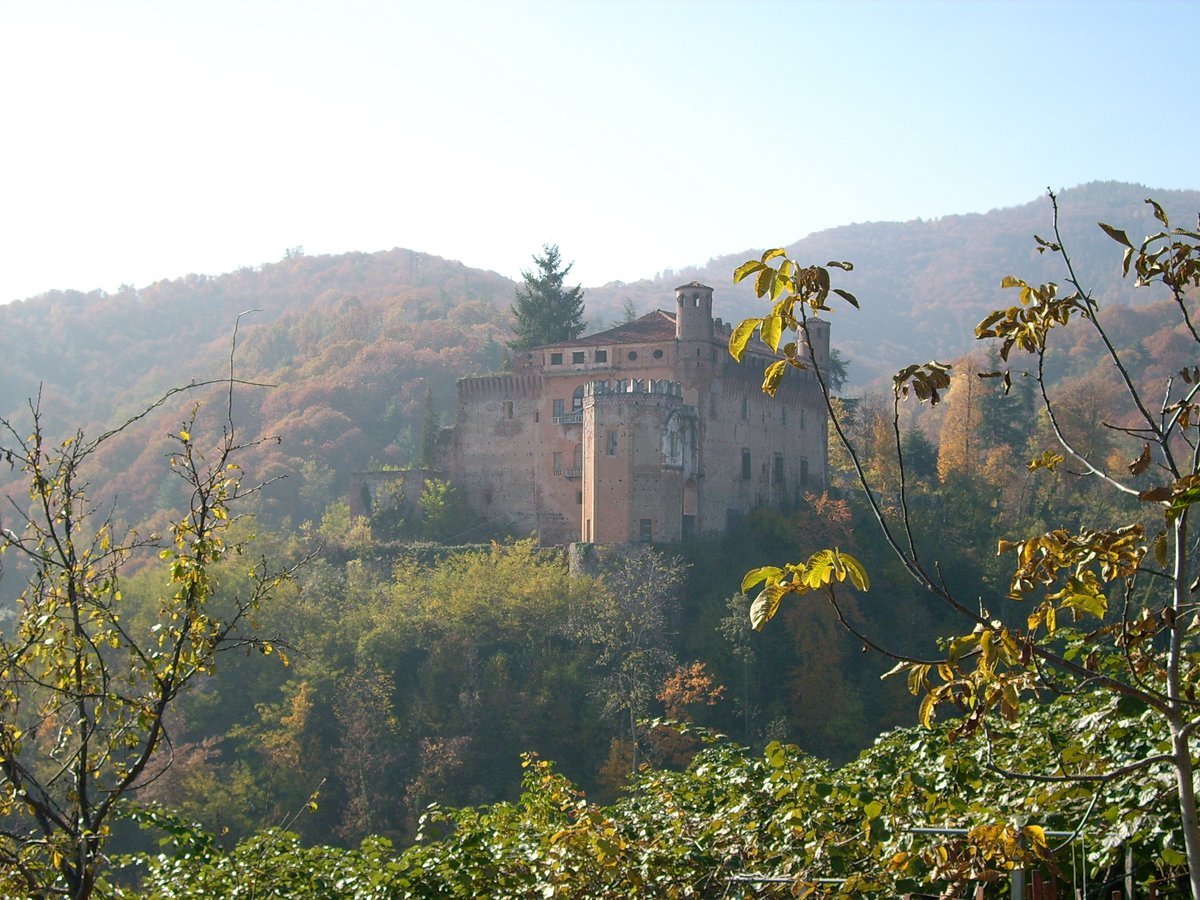 Continuing toward the entrance of the Varaita Valley, Verzuolo Castle rises on a hill overlooking the lands of the Marquisate of Saluzzo. Built in 1377 at the behest of Frederick II, it was one of the most imposing fortresses in the region, with a double wall, towers, and a drawbridge. In the 16th century, Count Michele Antonio transformed it into a noble residence: today one can admire precious traces such as flamboyant Gothic frescoes, 16th-century fireplaces, and the Chapel of Valfrigida, with an octagonal plan and Baroque decorations. The 19th century enriched the interiors in the Neo-Gothic style, but the 20th century brought abandonment and collapses: in 1916 part of the medieval tower gave way, and in 1938 the entire south wing was demolished. After decades of closure, the castle was reopened thanks to local studies and a new owner. Today it can be visited with a guide (every first Saturday and second Sunday of the month, with special openings), exploring rooms, cellars, and the park. An experience that combines history, architecture, and the suggestion of a rebirth still ongoing.
- Via al Castello 120, Verzuolo (CN)
- Open in Google Maps
- View on Google Images
You should go if…
Day 1 – Stop no. 3
Castello del Roccolo: A Neo-Gothic Dream Among Busca and the Hills
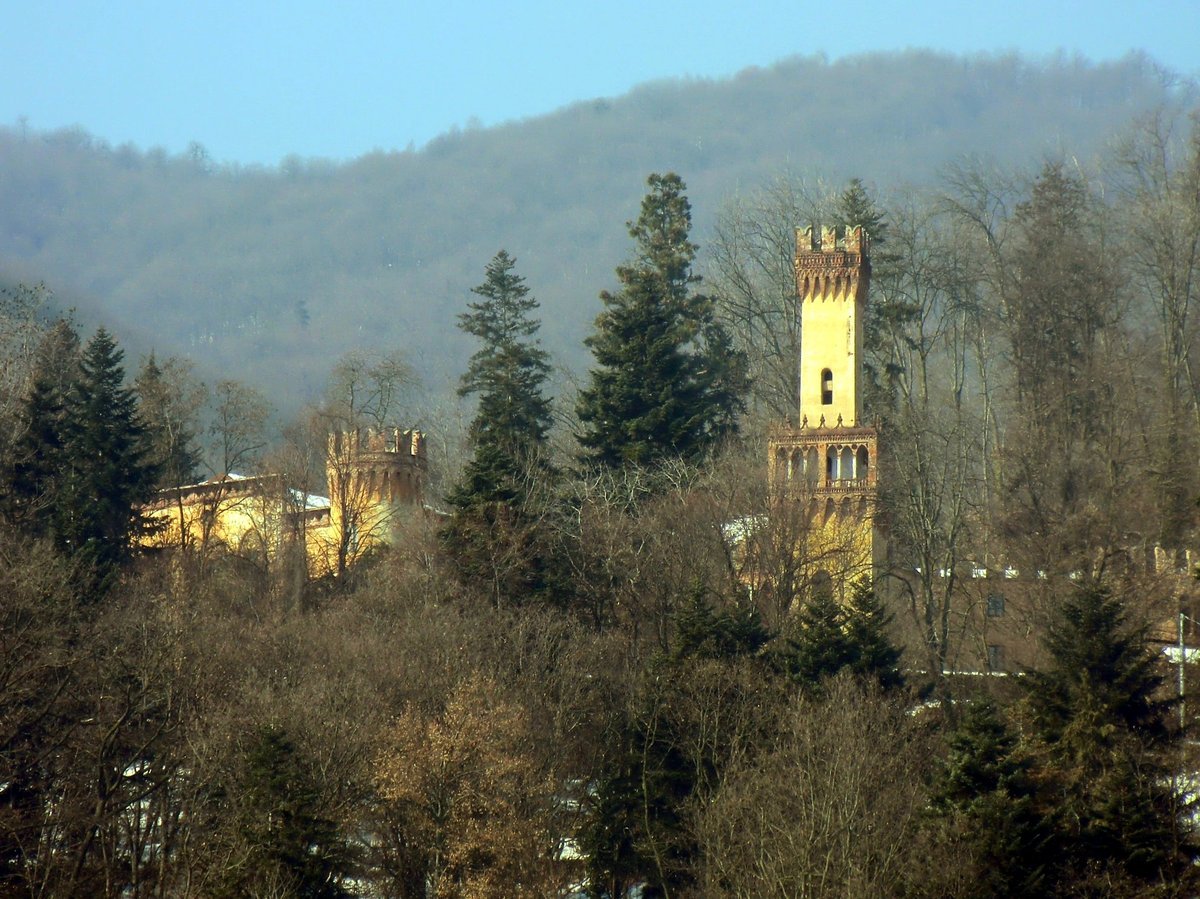 Gently rising on the hill of Busca, Castello del Roccolo unveils itself among the trees like a neo-Gothic fairy tale. Built from 1831 for the Marquis Roberto Tapparelli d’Azeglio, it takes its name from the “roccoli,” nets used for bird hunting. Its revival style blends Moorish arches, Ghibelline battlements, and circular towers reminiscent of English manor houses. Inside, trompe-l’œil frescoes, stuccoes, and stained glass windows evoke the romantic taste of the era. But the true jewel is the 50-hectare park, designed by landscape architect Xavier Kurten: lakes, grottoes, waterfalls, and the monumental Greenhouse from 1850 create a dreamlike journey. Here, Silvio Pellico, Cavour, King Umberto I, and Queen Margherita once stayed. Today, it is open every first and third Sunday from May to October, with guides bringing the charm of a bygone era back to life. A corner of Piedmont that enchants between history and nature.
- Strada Romantica 17, Busca (CN)
- http://www.castellodelroccolo.it/it/
- Open in Google Maps
- View on Google Images
You should go if…
Day 2 – Stop no. 4
Castello di Pollenzo
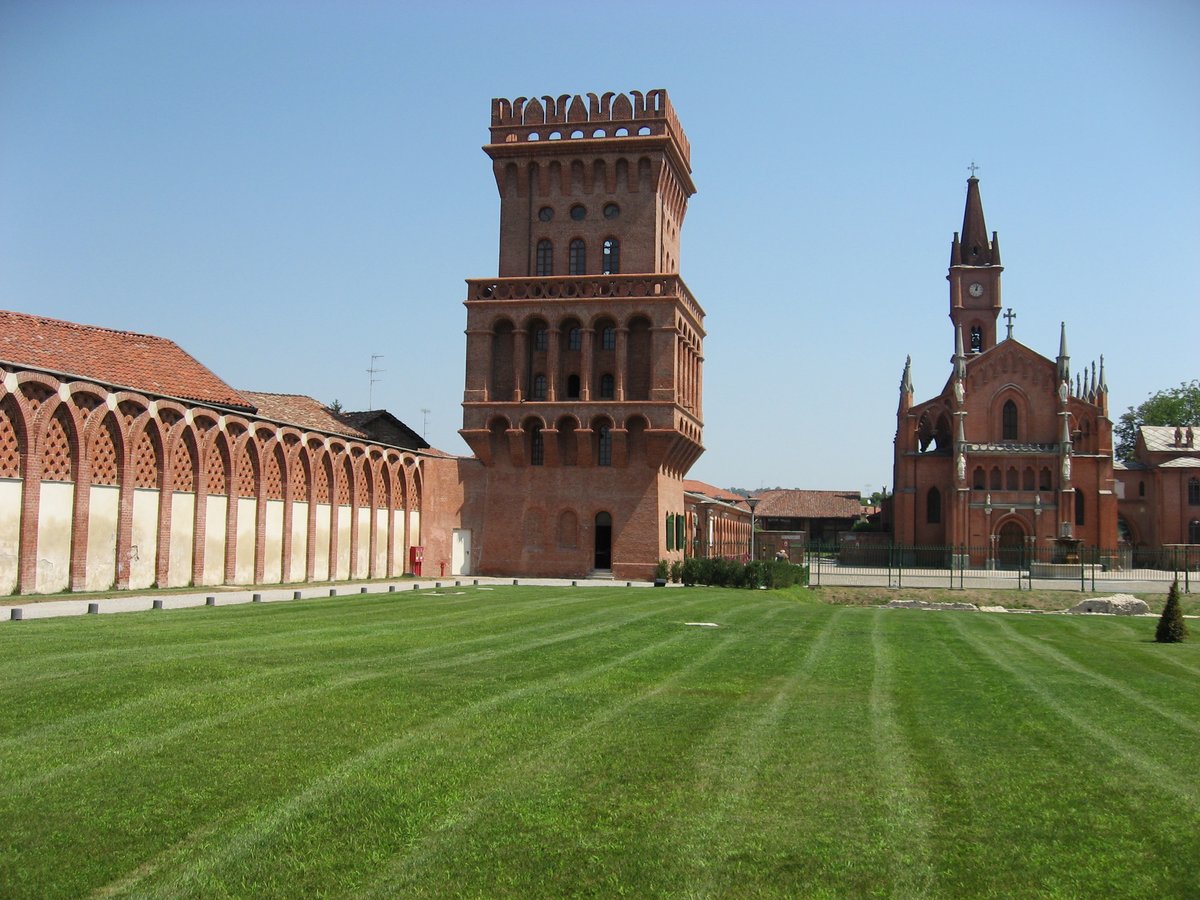 Leaving behind the romantic atmosphere of the Castello del Roccolo, we continue to Pollenzo, a hamlet of Bra. Here, time seems suspended between the Savoy past and a gastronomic future. The heart is Piazza Vittorio Emanuele II, a UNESCO World Heritage site, overlooked by the neo-Gothic church of San Vittore and the Agenzia di Pollenzo, commissioned by Carlo Alberto as a model estate. While the royal castle (with its 14th-century donjon) is private and closed to the public, the Agenzia is a vibrant hub housing the University of Gastronomic Sciences and the Wine Bank, with over 40,000 Italian labels. You can stroll freely, visit the cellar, and perhaps stop at the Albergo dell’Agenzia or the Garden restaurant. The atmosphere is a mix of history and innovation: a unique place where wine and food tradition meets higher education. Perfect for a break before venturing into the Langhe.
- Piazza Vittorio Emanuele II, Bra (CN)
- Open in Google Maps
- View on Google Images
You should go if…
Day 2 – Stop no. 5
The Corkscrew Museum
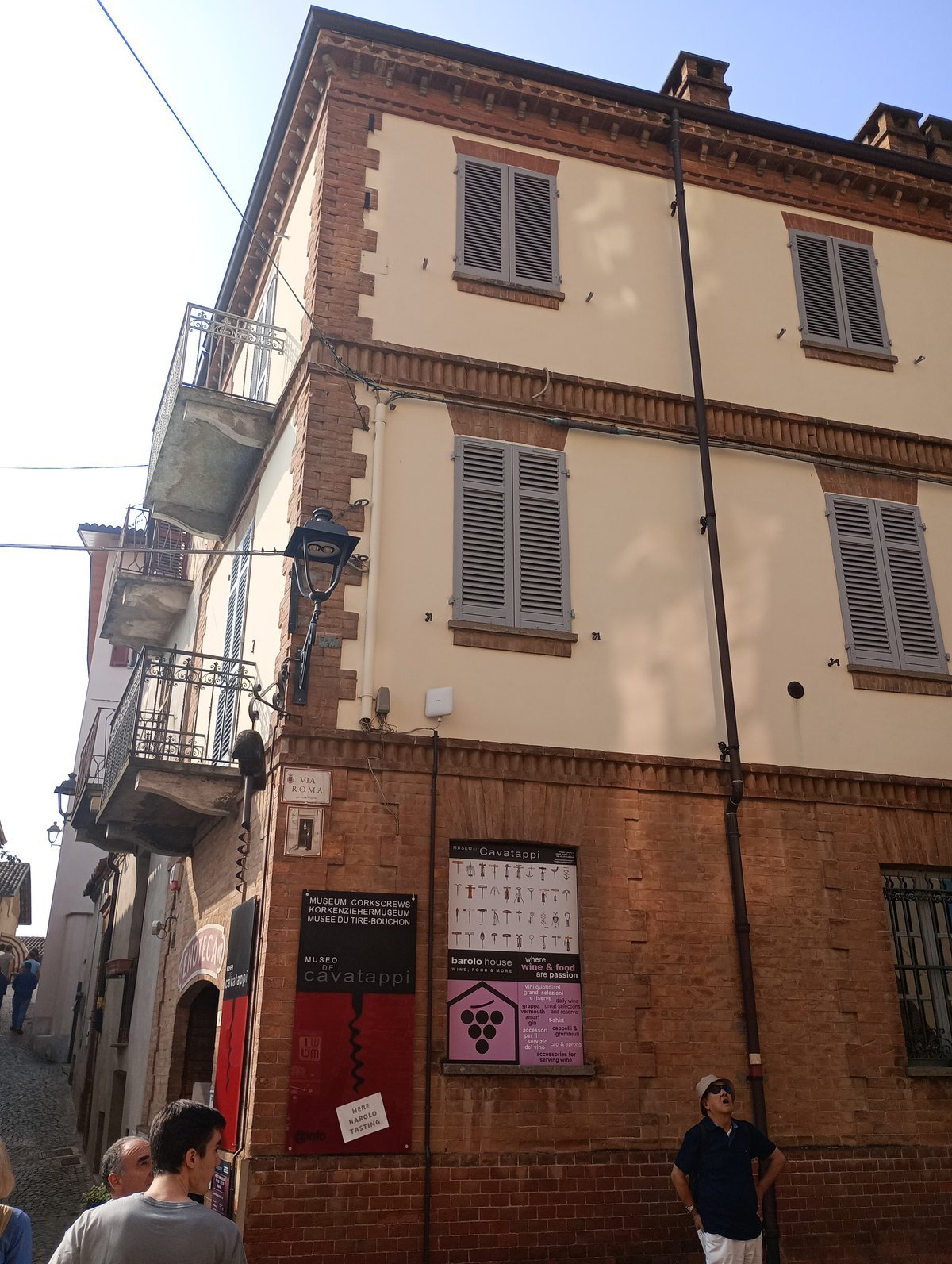 Changing the atmosphere completely, we move to Barolo for an unexpected stop. The Corkscrew Museum is housed in an ancient cellar next to the Municipal Castle, with brick barrel-vaulted ceilings. Founded in 2006 from the passion of collector Paolo Annoni, it holds over 500 specimens from around the world, from the 1600s to today. The tour unfolds across 19 sections that tell the evolution of this tool: from the early English models in wood and ivory to silver ones by Cartier, passing through animal-shaped, pocket, and advertising corkscrews. A section dedicated to precious pieces stands out, made by goldsmiths for nobles and cardinals. Informational panels in Italian, English, and German are available. At the entrance, a Barolo vineyard painted by Bruno Murialdo welcomes visitors. The wine shop offers over 1,000 labels of Langhe wines, with possibilities for tastings, even with antique corkscrews. An unmissable stop for those who love discovering the curiosities behind the ritual of uncorking.
- Piazza Castello 4, Barolo (CN)
- https://www.museodeicavatappi.it/
- Open in Google Maps
- View on Google Images
You should go if…
Day 2 – Stop no. 6
Castello di Roddi: Between History and Truffle
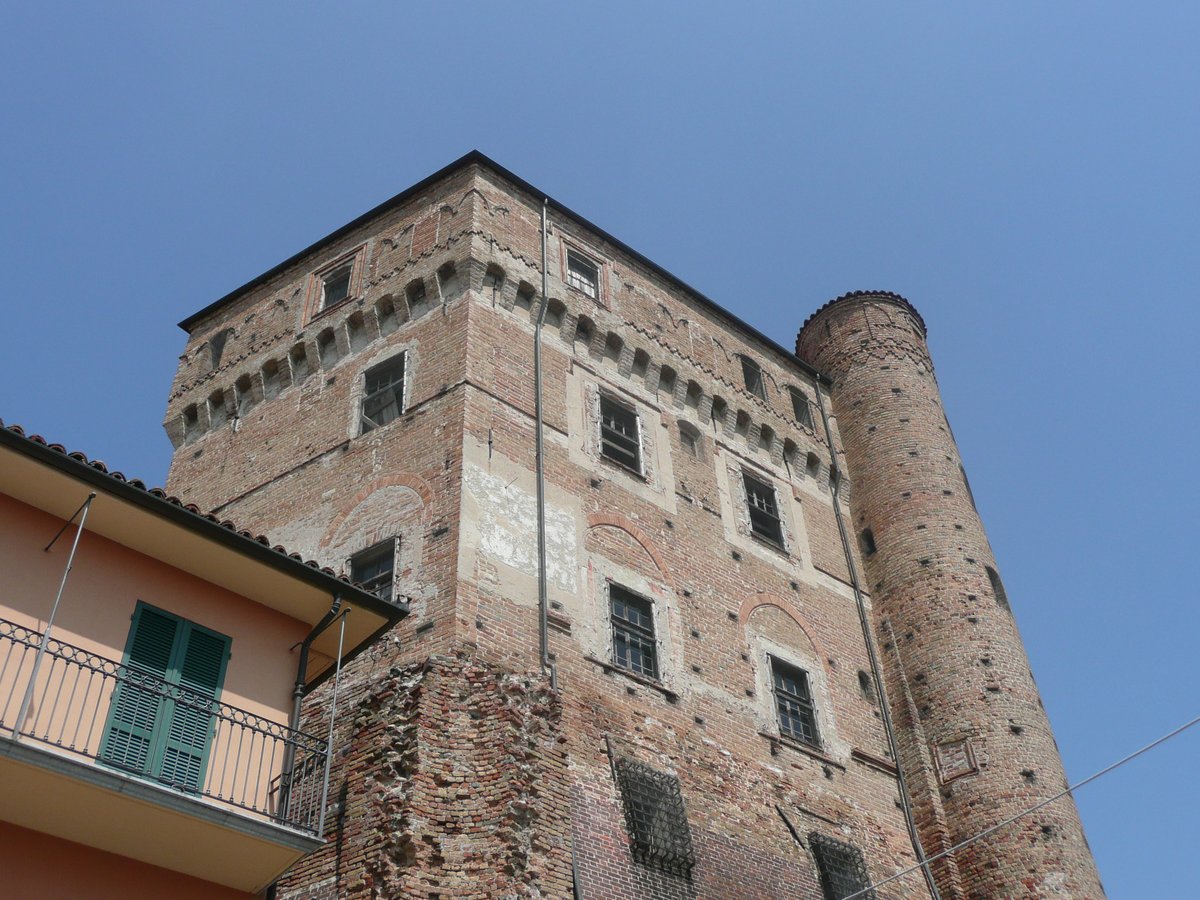 Leave the cellars of Barolo behind, head up to Roddi, and let yourself be amazed by the Castello di Roddi, a medieval jewel that overlooks the hills. Built in the 14th century by the Falletti family, it later passed to the Pico della Mirandola – yes, relatives of the famous philosopher – then to the Della Chiesa and Savoia families, before becoming municipal property in 2001. The structure is a classic donjon with two cylindrical towers (one slender, the other shorter) and machicolations on the top floor. Inside, wooden coffered ceilings and the ancient 16th-century kitchens take you back in time. Today, the castle is the heart of the Truffle Hub: it houses the International School of Alba White Truffle Cuisine, with a teaching kitchen featuring 12 stations and courses taught by starred chefs. At the foot of the hill, since 1880, there has been the University of Truffle Dogs, where dogs are trained to search for the precious tuber. The castle can only be visited with a guide (45 minutes, €6), on Sundays from May to November. An experience that combines history, architecture, and a passion for food and wine.
- Via Carlo Alberto, Roddi (CN)
- Open in Google Maps
- View on Google Images
You should go if…
Day 3 – Stop no. 7
Roero Castle: A Seven-Century Dive
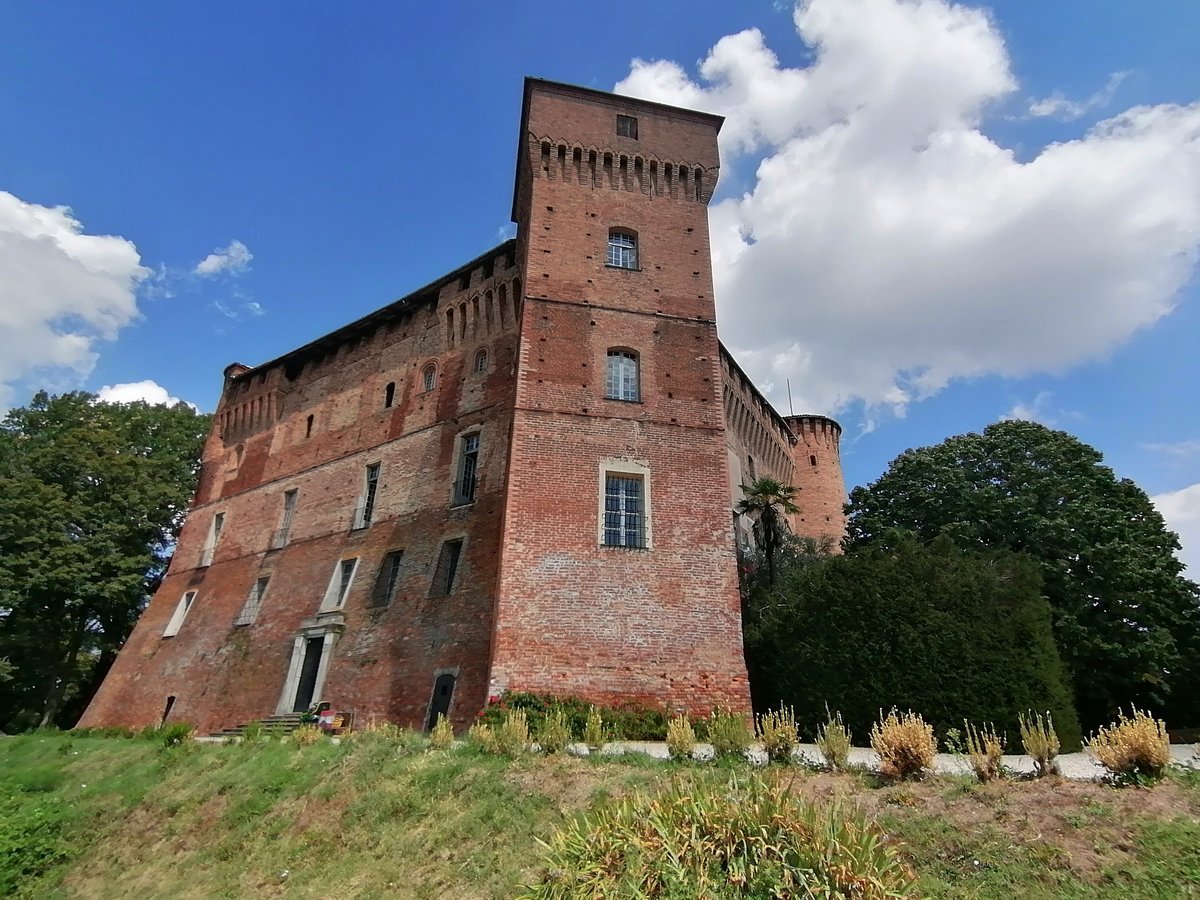 Continuing towards Monticello d’Alba, Roero Castle welcomes you with its medieval silhouette. Owned by the same family since 1376, it is one of the best-preserved in Piedmont. The unique feature? Three different towers: square, round, and octagonal. Climb the stone staircase to visit the Hall of Arms, the Chapel of Saint Barbara, and the Gallery of Diana the Huntress, with 18th-century frescoes. The English-style park, designed by the Savoy architect Xavier Kurten, offers romantic views among Lebanon cedars and reflecting pools. Open only on Saturdays and Sundays (10-12:30 and 14:30-18); the castle tour is guided (mandatory) and costs €7.50 (castle+park). If you’re short on time, the park alone is €2.50. Bring your dog: it’s dog-friendly. And don’t forget to admire the view over the Roero hills.
- Piazza San Ponzio 2, Monticello d’Alba (CN)
- https://www.roerodimonticello.it/
- Open in Google Maps
- View on Google Images
You should go if…
Day 3 – Stop no. 8
Castello Alfieri, the Baroque Jewel of Roero
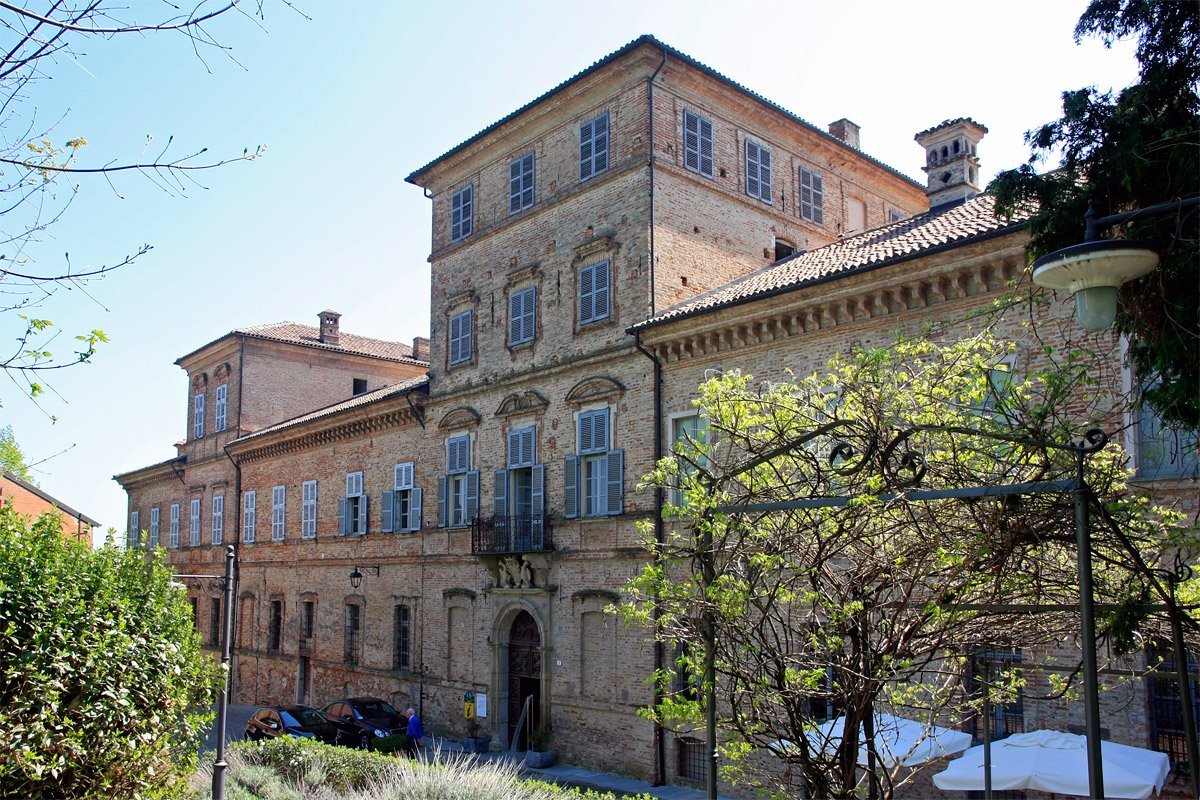 The last stop of the day takes you to Sant’Antonio, where Castello Alfieri dominates the landscape. Built between 1647 and 1650 at the behest of Count Catalano Alfieri, it is a perfect example of Baroque architecture, with two round towers framing the central body and creating a theatrical effect. Inside, lose yourself in the Hall of Coats of Arms with its Lugano stuccowork and the Hall of Eagles. The castle houses two museums: the Museum of Plaster Ceilings, with 109 decorative motifs dating back to 1580, and the Landscape Theatre, a multimedia experience dedicated to the UNESCO hills. Don’t miss the Chapel of the Holy Crucifix, commissioned by Vittorio Alfieri’s mother, with trompe-l’œil frescoes by Pier Paolo Operti. Open from April to October, it is part of the Castelli Aperti circuit. A visit that blends art, history, and folk tradition.
- Via Alfieri 4, Sant’Antonio (CN)
- http://www.amicicastelloalfieri.org/
- Open in Google Maps
- View on Google Images
You should go if…
Day 3 – Stop no. 9
Galleani Palace Castle in Barbaresco
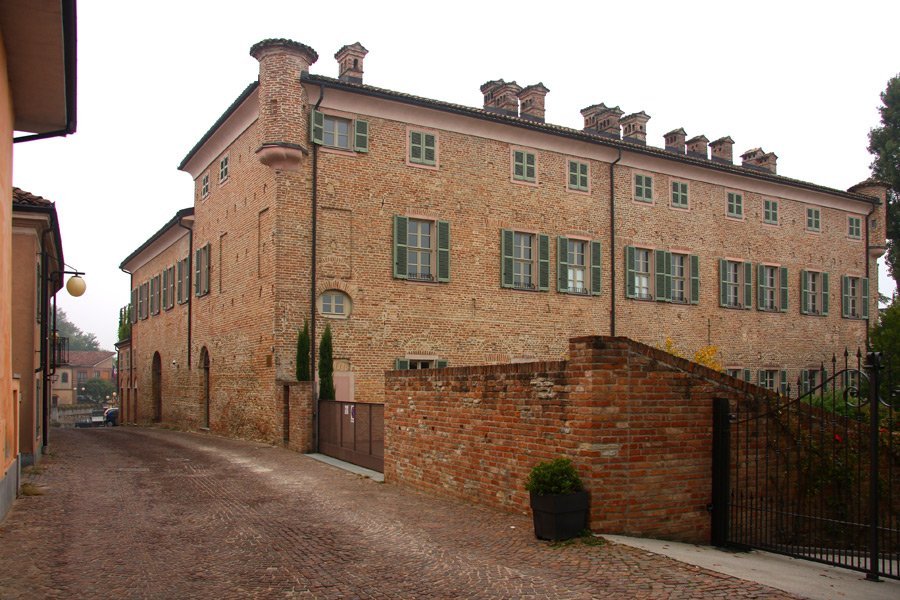 The last stop of the day takes you to Barbaresco, where the Galleani Palace Castle dominates the village with its 18th-century elegance. Commissioned by the Galleani counts at the beginning of the 18th century, the building is a Baroque gem with a two-story loggia and a park attributed to Filippo Juvarra. Now owned by the renowned Gaja Winery, which connected it to its cellars via an underground tunnel, the castle is not open to the public but can be admired from the outside. Here, in 1894, Professor Domizio Cavazza founded the first cooperative winery, giving birth to Barbaresco DOCG. The historic cellars, still intact, tell centuries of winemaking tradition. An unmissable stop for those who love pairing wine and architecture.
- Via Torino, Barbaresco (CN)
- Open in Google Maps
- View on Google Images
You should go if…
Day 3 – Stop no. 10
Barbaresco Tower
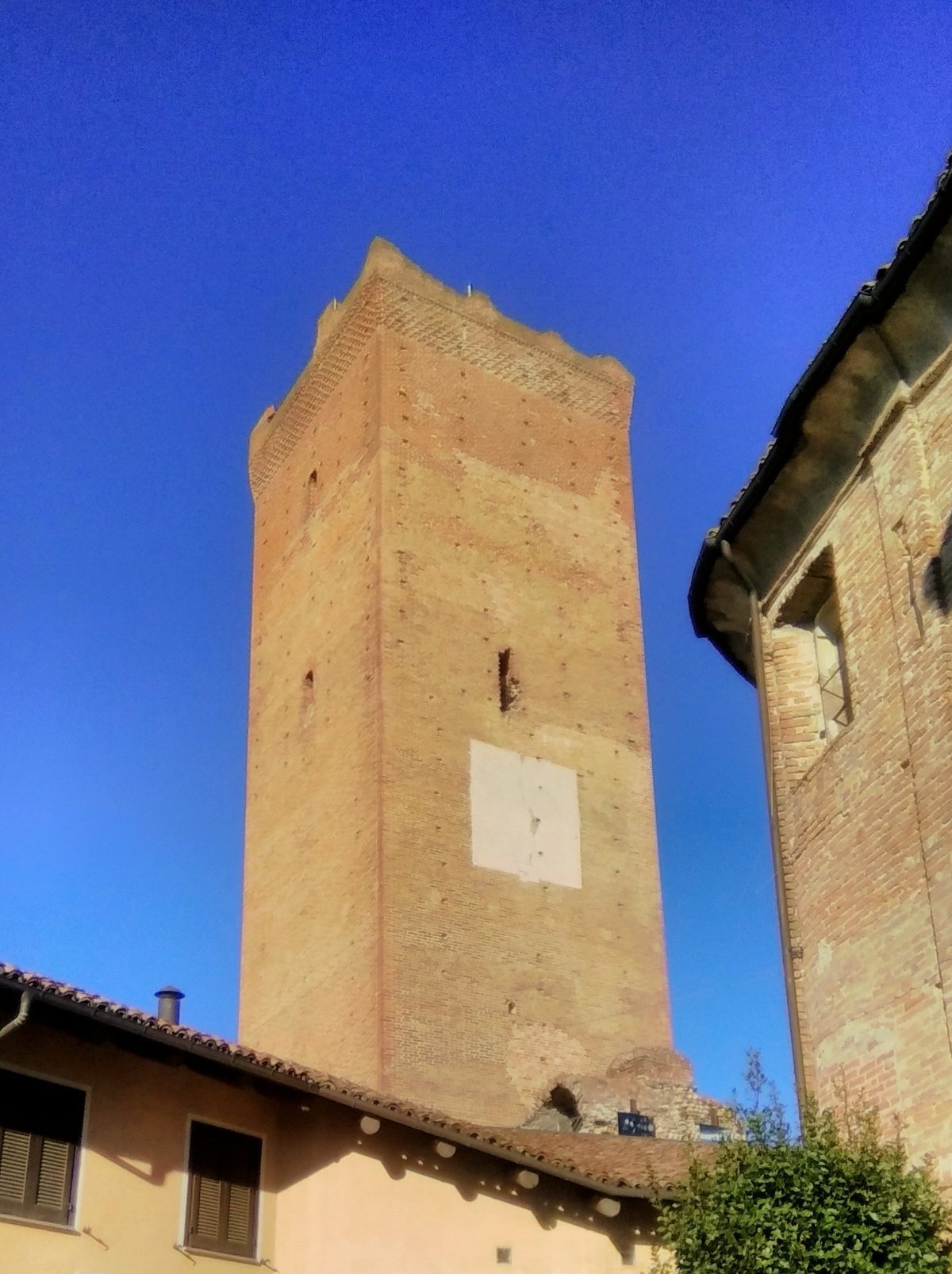 After admiring the castle, an experience that soars toward the sky awaits you: the Barbaresco Tower, 36 meters tall, is the largest and most massive in Piedmont. Built around the year 1000 as a watchtower against the Saracens, it is made of brick on a sandstone base. The entrance, 13 meters high, is reached via an external panoramic elevator: a glass and steel walkway reveals a crystal floor that lets you glimpse the interior. Over three levels, the history of Barbaresco DOCG unfolds: on the first floor, multimedia tools tell the story of the wine and its protagonists; on the second, there is the Sensory Analysis Room for tastings; and on the top, a panoramic terrace with a 360° view over the Langhe, Roero, Astigiano, Monferrato, and the Alps. After restoration, open since 2015, the tower is open every day 10 am–1 pm and 2 pm–7 pm (€5, free for children under 12). A high note to end your journey through villages and castles.
- Via Torino 67, Barbaresco (CN)
- https://www.torredibarbaresco.it
- Open in Google Maps
- View on Google Images
You should go if…