
🧭 What to Expect
- Ideal for ancient history enthusiasts and families seeking culture and seaside relaxation.
- Highlights: Magna Graecia with the Temple of Hera Lacinia, Renaissance fortresses like the Castle of Charles V, and interactive museums.
- Complete experience among panoramic archaeological sites, contemporary art at MACK, and seafront strolls.
- Includes an interactive map with all stops to plan your itinerary.
The City of Crotone welcomes you with its millennial charm, where the history of Magna Graecia blends with the deep blue of the Ionian Sea. Here you can admire the only surviving column of the Temple of Hera Lacinia at Capo Colonna, symbol of the city, and lose yourself among the artifacts of the National Archaeological Museum that tell the story of ancient Kroton. The Charles V Castle dominates the historic center with its imposing walls, while the seafront, considered one of the longest in Europe, invites you for sunset strolls. Don't miss the view from the Capo Colonna Lighthouse and the authentic atmosphere of Piazza Duomo, the heart of city life.
Overview
- Capo Colonna Archaeological Area
- National Archaeological Museum of Crotone
- Charles V Castle
- Cape Colonna Lighthouse
- Piazza Duomo
- MACK - Museum of Contemporary Art Crotone
- Villa Comunale
- Pythagoras Museum
- Capo Nao Tower: A Balcony Overlooking the Sea of Magna Graecia
- Crotone's Lazzaretto
- Monumental Cemetery of Crotone
- Carlo Turano: An Oasis of Relaxation in the Heart of Crotone
- Raffaele Lucente
- House of Culture
- Cape Pellegrino Tower
Capo Colonna Archaeological Area
- Go to the page: Capo Colonna: The Solitary Column of the Temple of Hera Lacinia Overlooking the Sea
- Via Michele Di Donato, Crotone (KR)
- Open in Google Maps
- View on Google Images
 If you're visiting Crotone, the Capo Colonna Archaeological Area is an unmissable stop. This site offers a plunge into Magna Graecia, with the remains of the Temple of Hera Lacinia dominating the promontory. Imagine that it was once one of the most important sanctuaries in the Mediterranean, a destination for pilgrims from all over Greece. Today, only one Doric column remains of the majestic structure, but it's enough to envision the grandeur of the past. The archaeological trail takes you through the temple foundations, the sacrificial altar, and the Roman baths, all overlooking a breathtaking blue sea. The Capo Colonna Archaeological Museum, right next door, completes the experience with unique artifacts like votive offerings and ceramics unearthed during excavations. The location is spectacular: suspended between sky and water, perfect for memorable shots at sunrise or sunset. Bring comfortable shoes to explore the area and a water bottle, especially in summer. The entrance ticket includes access to the museum, a real bargain for history enthusiasts. If you want to avoid the crowds, go early in the morning: you'll have the site almost to yourself.
Capo Colonna Archaeological Area
National Archaeological Museum of Crotone
- Go to the page: Crotone Archaeological Museum: Bronzes, Hera's Treasure, and Underwater Finds from Kroton
- Via Risorgimento 14, Crotone (KR)
- https://linktr.ee/MuseoArcheologicoCrotone
- Open in Google Maps
- View on Google Images
- drm-cal.crotone@cultura.gov.it
- 096223082
 If you truly want to understand Crotone's history, the National Archaeological Museum is an essential stop. Located in the historic center, right opposite the Castle of Charles V, this museum tells the story of ancient Kroton, one of the most important cities of Magna Graecia. This isn't your typical dusty museum: here you'll find artifacts that let you experience the greatness of this civilization firsthand. The highlight is undoubtedly the Treasure of Hera Lacinia, with its gold and silver jewelry that will leave you breathless. But that's not all: the rooms dedicated to the athlete Milo of Croton let you relive the feats of antiquity's most famous wrestler, while the ceramics and statues showcase the mastery of local artisans. A special section is dedicated to artifacts from the Sanctuary of Hera Lacinia at Capo Colonna, with remains that help you imagine how majestic that temple must have been. The museum is well-organized, with clear explanatory panels that guide you through the centuries without getting you lost. If you're a history enthusiast, be prepared to spend at least a couple of hours here. For families with children, there's also a simplified route that makes the visit interesting for everyone. A practical tip: always check the opening hours on the official website, as they can vary depending on the time of year. And don't forget that with the same ticket you can also visit the archaeological area of Capo Colonna - a great opportunity to combine culture and sea in the same day.
National Archaeological Museum of Crotone
Charles V Castle
- Go to the page: Charles V Castle in Crotone: Aragonese Fortress with Ionian Sea Views
- Discesa Castello, Crotone (KR)
- Open in Google Maps
- View on Google Images
 The Charles V Castle is the undisputed symbol of Crotone, an imposing fortress that rises above the ancient port. Built on pre-existing Norman and Aragonese structures, it owes its current appearance to Emperor Charles V, who in the 16th century ordered its reinforcement to defend the city from Turkish raids. Today, climbing its walls offers a breathtaking panoramic view of the Ionian Sea and the entire gulf. Inside, besides the perfectly preserved patrol walkways, you can visit the underground prisons and the Chapel of Saint Dionysius. The castle frequently hosts temporary exhibitions and cultural events, especially in summer when the courtyard becomes a stage for concerts and performances. A detail few notice: carefully observing the walls, you can still see the bullet holes from the 1528 siege. For a complete visit, don't miss the weapons room where original medieval artifacts are displayed. Access is convenient from the city center, just a few steps from the Cathedral and the seafront promenade.
Charles V Castle
Cape Colonna Lighthouse
- Go to the page: Cape Colonna Lighthouse: Historic 1869 Lighthouse with View of the Hera Lacinia Sanctuary
- Via Michele Di Donato, Crotone (KR)
- Open in Google Maps
- View on Google Images
 The Cape Colonna Lighthouse is not just a navigational landmark, but a true guardian of history. Built in 1870 on one of Calabria's most breathtaking headlands, this lighthouse stands 102 meters above sea level, offering a stunning view over the Ionian Sea. Its location is strategic: it stands right next to the Cape Colonna Archaeological Area, where the famous Temple of Hera Lacinia once stood, one of the most important sanctuaries of Magna Graecia. Today, only one Doric column remains of the temple, but the atmosphere is still charged with mystery. The lighthouse, active and managed by the Italian Navy, is not always open to visitors inside, but the path leading to it is worth the trip alone. You walk among archaeological remains and Mediterranean scrub, with the scent of thyme and myrtle mingling with the sea breeze. The area is perfect for an excursion that combines nature and culture: besides the lighthouse and the archaeological site, there's the Cape Colonna Archaeological Museum, which houses precious artifacts found in the area. The best time to visit is at sunset, when the golden light illuminates the surviving column and the lighthouse begins to flash over the dark sea. Bring a camera: the views are among the most beautiful on the Crotone coast. To reach the lighthouse, follow the signs for Capo Colonna from the center of Crotone: the road is well-marked and parking is convenient. Access to the archaeological area requires a ticket, but it also includes the museum. A practical tip: wear comfortable shoes because the terrain can be rocky and bring water, especially in summer. If you have time, stop by the nearby fine-sand beach for a refreshing swim after your visit.
Cape Colonna Lighthouse
Piazza Duomo
- Crotone (KR)
- Open in Google Maps
- View on Google Images
 Arriving at Piazza Duomo means stepping into the beating heart of Crotone, where history and spirituality meet in a space that tells centuries of stories. At the center of the square stands the majestic Cathedral of Santa Maria Assunta, rebuilt after the 1783 earthquake but with origins dating back to the 9th century. Inside, don't miss the Chapel of the Madonna di Capo Colonna, which houses the Byzantine icon of the Black Madonna, venerated during the famous Marian procession in May. The neoclassical facade contrasts with the baroque interiors, creating an architectural dialogue that fascinates visitors. Next to the cathedral, the Bishop's Palace completes the religious complex, while from the square you can enjoy a privileged view of the Castle of Charles V, which dominates the panorama from above. The square is paved with local stone and during summer evenings comes alive with locals enjoying an aperitivo at the bar tables, creating a lively yet intimate atmosphere. It's the ideal starting point for exploring the historic center, with its narrow alleys winding toward the sea. Here you'll feel the true pulse of Crotone, between popular devotion and daily life.
Piazza Duomo
MACK - Museum of Contemporary Art Crotone
- Go to the page: MACK Crotone: Contemporary Calabrian Art in a Historic Palace
- Piazza Castello 20, Crotone (KR)
- https://www.beniculturali.it/luogo/mack-museo-arte-contemporanea-crotone
- Open in Google Maps
- View on Google Images
- info@mackcrotone.it
- +39 0962 905714
 If you think Crotone is just ancient history and sea, get ready for a surprise: the MACK - Museum of Contemporary Art Crotone will prove you wrong. This museum, located in the historic center right opposite the Castle of Charles V, is a true gem that surprisingly blends past and present. They've managed to transform a historic palace into a modern and welcoming exhibition space, where contemporary art converses with ancient architecture. The permanent collection includes works by contemporary Calabrian and national artists, with particular focus on Mediterranean themes and local identities reinterpreted in a modern key. Temporary exhibitions change regularly, so each visit can offer different discoveries. Admission costs only 5 euros (reduced 3 euros) and the museum is open from Tuesday to Sunday, from 10am to 1pm and from 5pm to 8pm. The environment is family-friendly and accessible, with routes designed even for the little ones. The location is strategic: after your visit you can easily reach the seafront or the historic center for an aperitif. I recommend dedicating at least an hour to appreciate the works and read the captions, which are clear and well-curated. The staff is available and competent, ready to explain the works if you have questions. A cultural experience that enriches any itinerary in Crotone, demonstrating that contemporary art has found a home even in the most authentic Calabria.
MACK - Museum of Contemporary Art Crotone
Villa Comunale
- Crotone (KR)
- Open in Google Maps
- View on Google Images
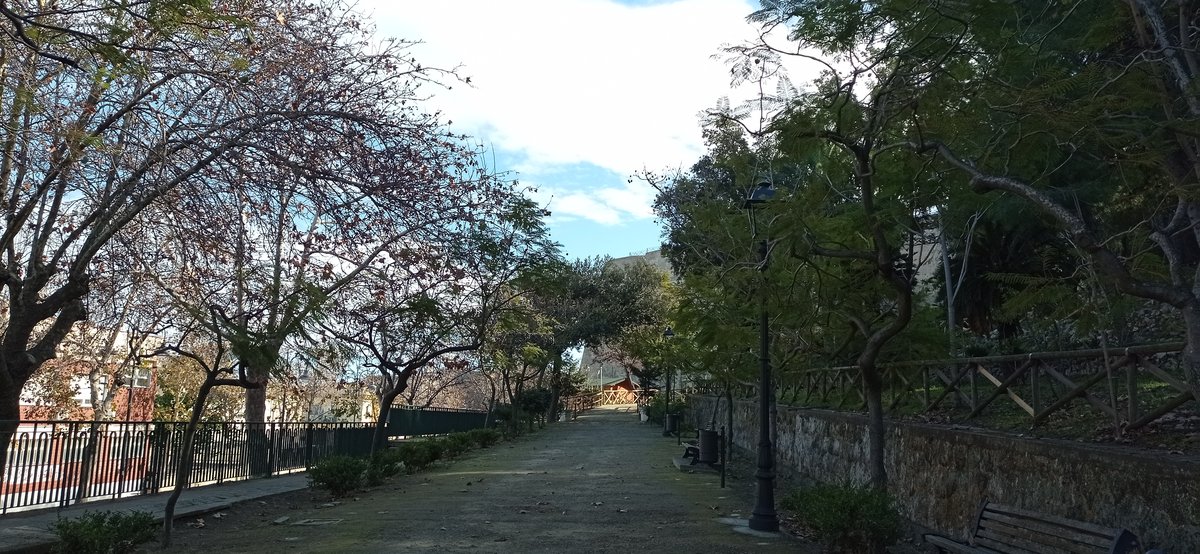 The Villa Comunale of Crotone is the city's green lung, a place where history and nature meet in perfect harmony. Located in the historic center, just steps from the Castle of Charles V and the National Archaeological Museum, this green area offers a refreshing break from the summer heat. The park unfolds across several levels, with well-maintained paths winding through flowerbeds and centuries-old trees. At its center stands the Monument to the Fallen, an imposing sculpture commemorating the sacrifices of the world wars. But what makes this villa special are the breathtaking sea views: from the upper terrace, you can enjoy an extraordinary vista of the port and the ancient archaeological area of Capo Colonna. It's the perfect spot for a romantic sunset stroll or a family picnic. The locals frequent it year-round: in summer to seek cool shade under the maritime pines, in winter to bask in the mild sun on the benches. There's no shortage of activities for children, with a well-equipped playground that always delights the little ones. Its central location makes it easily accessible on foot from anywhere in the center, ideal for including in a visiting itinerary that also covers the nearby Cathedral and city museums.
Villa Comunale
Pythagoras Museum
- Via Giovanni Gentile, Crotone (KR)
- Open in Google Maps
- View on Google Images
 If you think a museum dedicated to mathematics might be boring, the Pythagoras Museum in Crotone will change your mind. Located in the heart of the city, this space is not just a collection of artifacts but an interactive experience that immerses you in the world of the famous philosopher and mathematician. The exhibition path unfolds across multiple levels, with multimedia installations that explain the Pythagorean theorem in an engaging way, even for those unfamiliar with the subject. One of the most appreciated sections is dedicated to music and its mathematical relationships, where you can experiment with ancient and modern instruments. There are also references to local history: Pythagoras chose Crotone as the seat of his school, and the museum reconstructs the context of the era through educational panels and minor archaeological finds. For families, there are hands-on workshops where children can engage in geometric games, making the visit accessible to everyone. The entrance ticket is affordable and often includes access to temporary exhibitions. I recommend booking in advance if you visit on weekends when it gets busier. In summary, it's a unique opportunity to discover how mathematics is part of our daily lives, in a place that combines culture, history, and fun.
Pythagoras Museum
Capo Nao Tower: A Balcony Overlooking the Sea of Magna Graecia
- Via Michele Di Donato, Crotone (KR)
- Open in Google Maps
- View on Google Images
 The Capo Nao Tower is one of the best-preserved coastal towers in Calabria, built in the 16th century as part of the defensive system against Saracen raids. Located on a rocky promontory about 8 km from the center of Crotone, it offers an exceptional panoramic view over the Gulf of Squillace and Capo Rizzuto Island. The structure, made of local stone, stands imposingly at 15 meters high and still retains its original truncated-pyramid shape. Access to the tower is free and available year-round, although the best time to visit is from May to September, when the sea is calm and the colors are more intense. The path to reach it is well-marked and suitable for everyone, with a paved trail leading directly to the base of the tower. From here, the view spans from the Capo Rizzuto Marine Reserve to the mountains of Sila, creating a unique contrast between blue and green. For photography enthusiasts, sunset offers unforgettable shots, with the sun's rays tinting the ancient stone orange. There are no services in the immediate vicinity, so bring water and a sun hat. The tower is also an ideal starting point for exploring nearby coves, such as Torre Nao Bay, reachable on foot in a few minutes via a scenic trail.
Capo Nao Tower
Crotone's Lazzaretto
- Piazza Beata Vergine Maria, Crotone (KR)
- Open in Google Maps
- View on Google Images
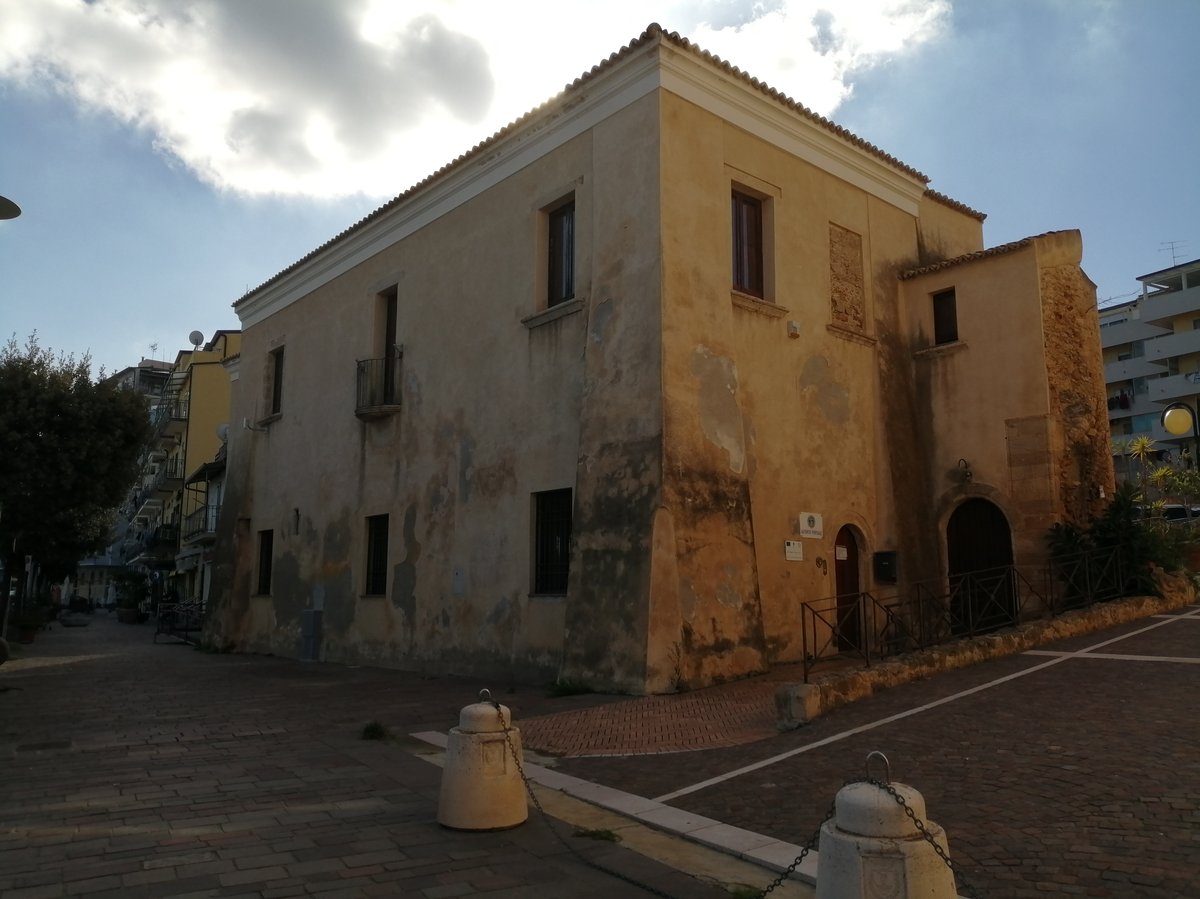 The Crotone Lazzaretto is one of those places that tells stories without needing words. Located right on the seafront, just a few steps from the historic center, this historic building welcomes you with its melancholic charm and strategic position overlooking the Ionian Sea. Built in the 19th century as a health station for ship quarantine, it now stands as a stone structure that preserves its timeless atmosphere intact. Its simple yet imposing architecture immediately strikes you: essential lines, large arches, and that patina of time that only truly lived-in places possess. Walking around the Lazzaretto, you'll notice how perfectly it integrates with the coastal landscape, almost like a natural bridge between the city and the sea. The view of the Gulf of Squillace from here is particularly evocative, especially at sunset when the colors of the sky reflect in the waters. Many locals consider it a symbol of their city's resilience, a silent witness to past epidemics and rebirths. Today, although it's not always accessible internally, it's worth reaching to admire this unique testament to maritime health architecture up close and to enjoy a special glimpse of the coastline. The recommendation is to combine the visit with the nearby Castle of Charles V and a stroll along the seafront, creating an itinerary that unites history, architecture, and nature in just a few kilometers.
Lazzaretto
Monumental Cemetery of Crotone
- Viale Antonio Gramsci 2, Crotone (KR)
- Open in Google Maps
- View on Google Images
- +39 0962 191015
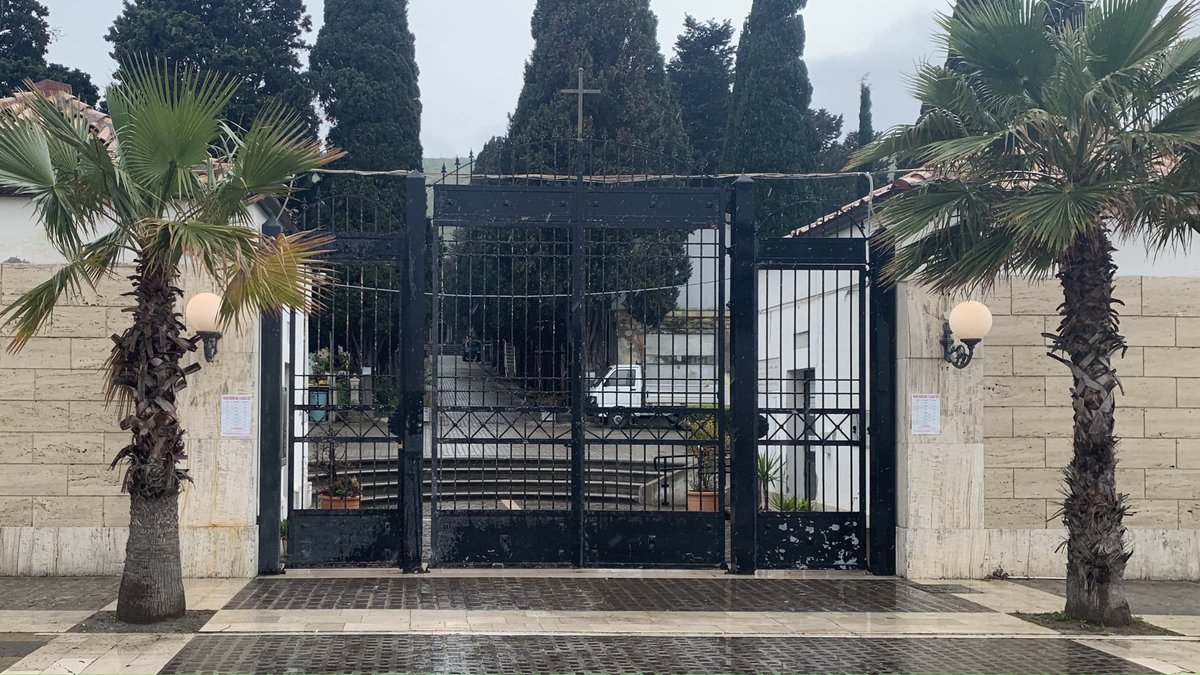 The Monumental Cemetery of Crotone is a surprise for those seeking something different from the usual tourist itineraries. Located in a panoramic position, this place is not just a burial ground but a true open-air museum that tells the city's history through funerary art. The family chapels in neoclassical and Art Nouveau style testify to Crotone's noble past, with elaborate marble sculptures and artistic stained glass that deserve attention. Particularly evocative are the tombs of illustrious figures such as the poet Vincenzo Padula and the patriot Domenico Mauro, making the visit a journey into collective memory. The structure, organized along wide tree-lined avenues, also offers breathtaking views of the Ionian Sea and the archaeological area of Capo Colonna, creating a unique contrast between the sacred and the landscape. The atmosphere is one of contemplation but not sadness, ideal for a reflective walk away from the crowds. I recommend visiting at sunset, when the warm light enhances the architectural details and the silence offers moments of genuine peace. Perfect for those who love photography or seek unusual corners, this cemetery demonstrates how places of memory can become culturally rich and meaningful stops.
Monumental Cemetery of Crotone
Carlo Turano: An Oasis of Relaxation in the Heart of Crotone
- Piazza Carlo Turano, Crotone (KR)
- Open in Google Maps
- View on Google Images
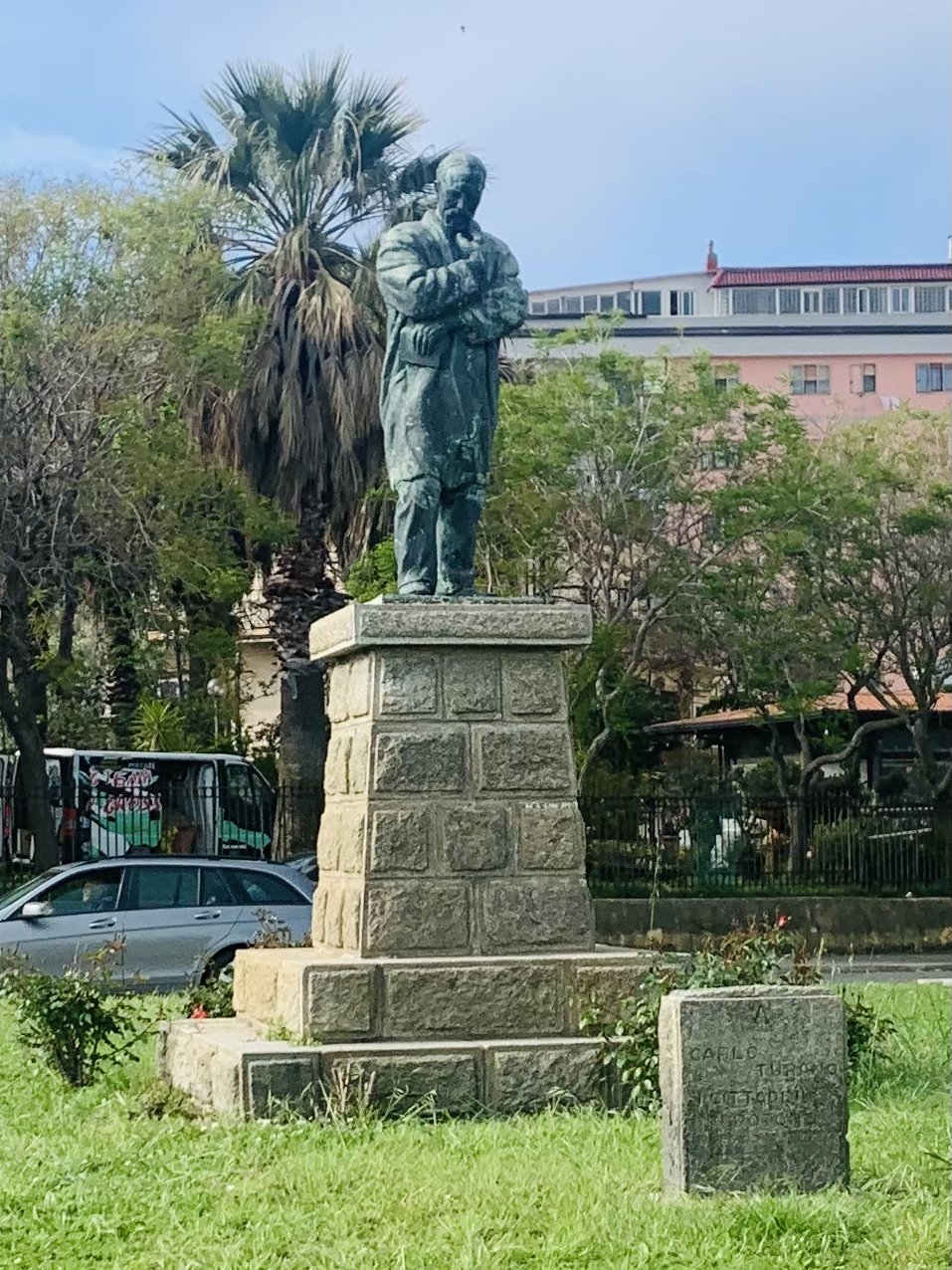 If you're looking for a corner of pure relaxation just steps from Crotone's historic center, Carlo Turano is the perfect answer. This beach establishment stands out for its strategic location along the city's seafront, offering breathtaking views of the Ionian Sea. This isn't your average beach club: here you'll find high-quality umbrellas and sunbeds, impeccable services, and that feeling of being pampered that makes all the difference. The fine sandy beach is perfect for families with children, while the crystal-clear sea invites you to take long, refreshing swims. But Carlo Turano isn't just about the sea: its bar-restaurant serves authentic Calabrian specialties, from tuna to the day's fresh catch, always flavorful and fresh. In summer, it becomes a lively meeting point with music and a convivial atmosphere, yet never losing that elegant tone that characterizes it. The staff is friendly and knowledgeable, ready to recommend the perfect dish or suggest the best times to enjoy the sunset. Perfect for those who want to alternate cultural visits to the Archaeological Museum with moments of absolute well-being.
Carlo Turano
Raffaele Lucente
- Largo Lavatoio, Crotone (KR)
- Open in Google Maps
- View on Google Images
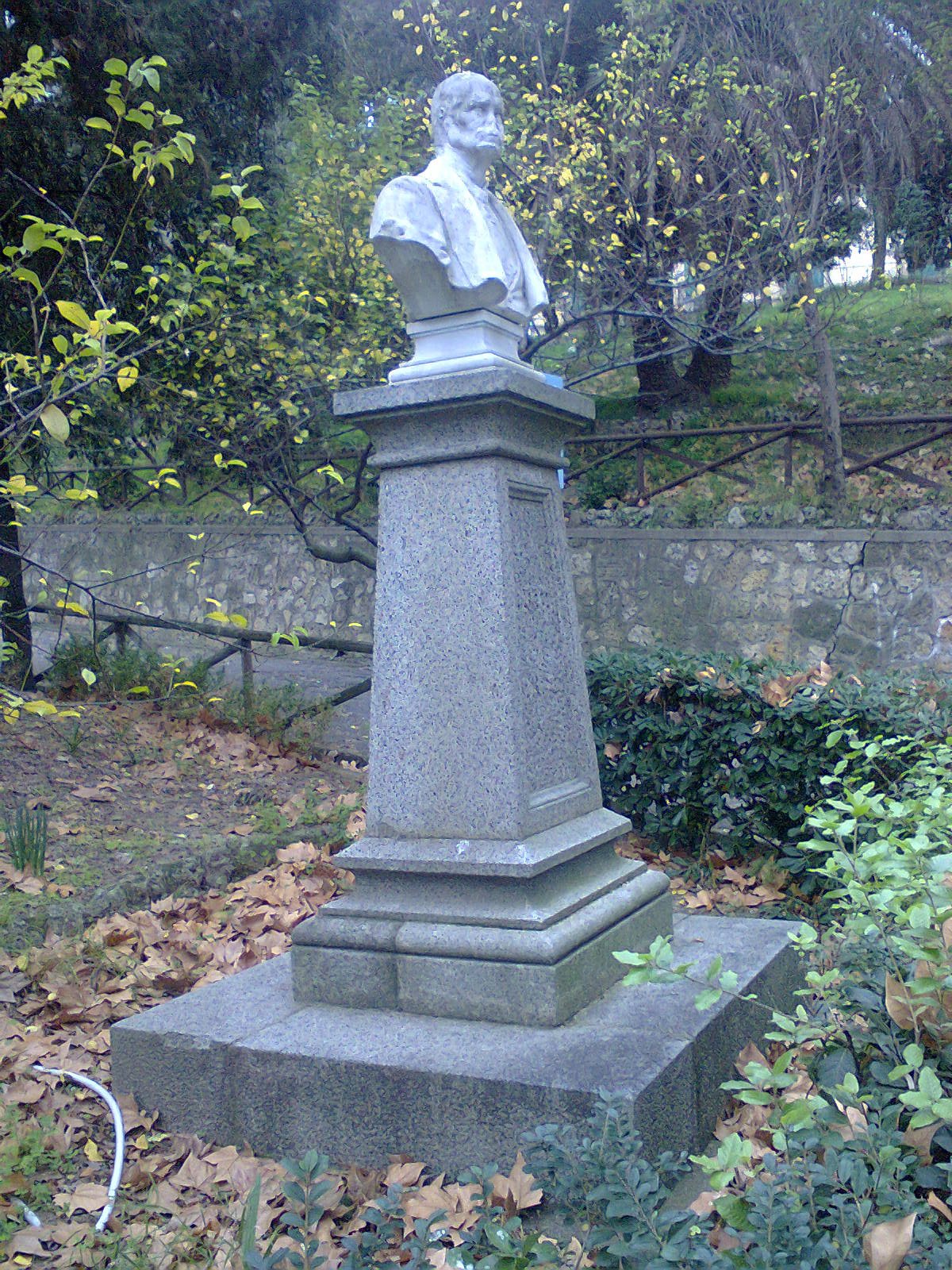 If you're looking for a place that tells the soul of Crotone, Raffaele Lucente is an unmissable stop. This cultural space, located in the historic center, is dedicated to the memory of a figure who marked the city's life, offering a journey into local history through documents, photographs, and period objects. It's not just a museum, but a meeting point where the community gathers for events, temporary exhibitions, and initiatives that enhance Calabrian traditions. The setup is meticulously detailed, with explanatory panels that guide visitors through Lucente's story and his connection to the territory. It often hosts educational workshops for schools and families, making it ideal for those traveling with children and seeking an educational experience. Admission is free, a bonus for those looking for culture without spending, and accessibility is excellent thanks to its central location near Piazza Duomo. I recommend checking the opening hours on the official website of the Municipality of Crotone, as they vary depending on scheduled events. If you love discovering lesser-known stories, here you'll find unique insights, such as testimonies about daily life in Crotone in the twentieth century or Lucente's collaborations with local artists. A place that unites past and present, perfect for those who want to delve deeper into Calabrian culture beyond the usual tourist attractions.
Raffaele Lucente
House of Culture
- Corso Vittorio Emanuele, Crotone (KR)
- Open in Google Maps
- View on Google Images
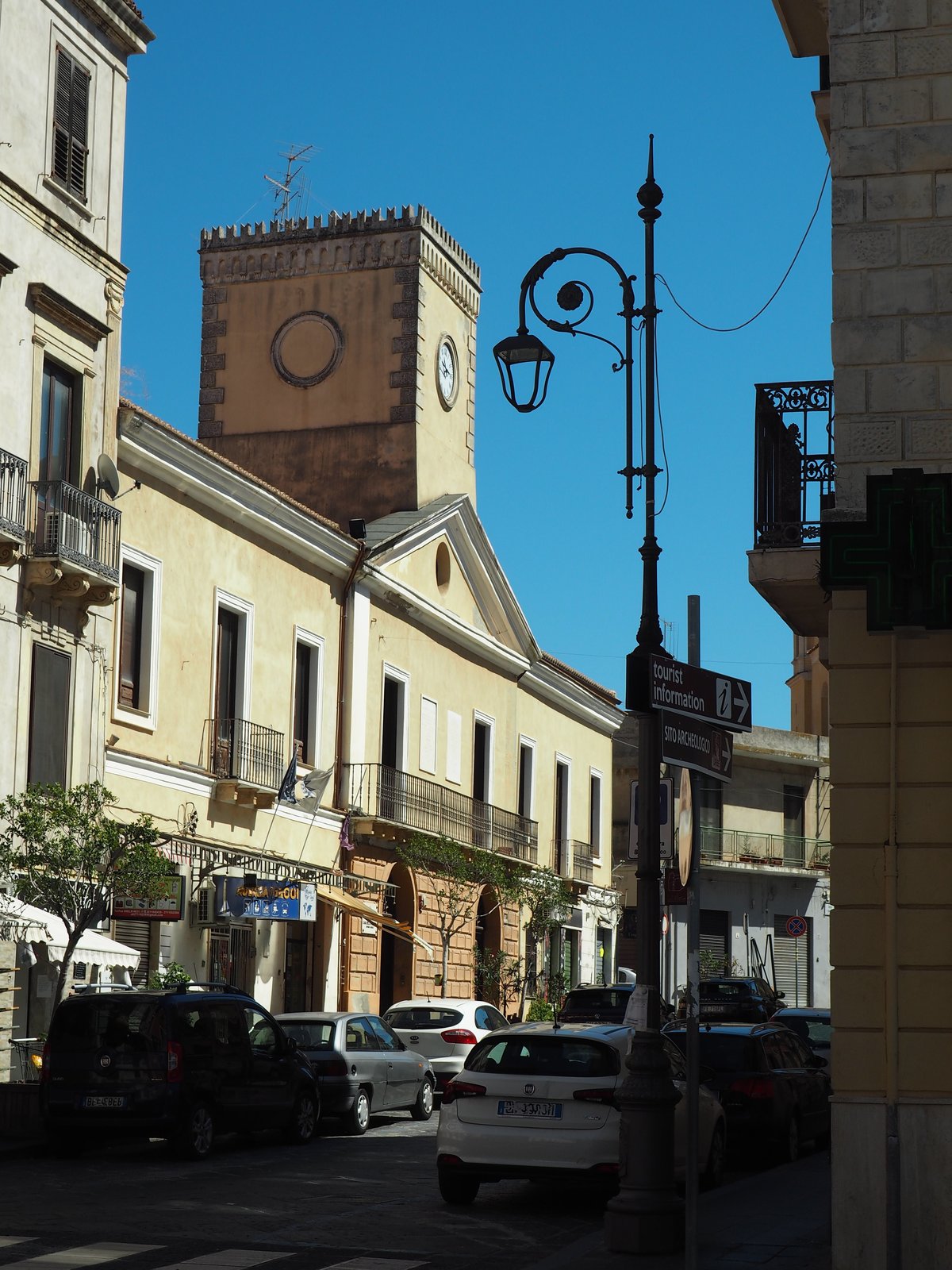 The House of Culture in Crotone is an essential reference point for anyone wanting to discover the city's most authentic soul. Located in a historic building in the city center, this cultural hub hosts temporary exhibitions ranging from contemporary art to photography, with particular attention to Calabrian artists. Here you won't find just exhibitions: the House of Culture is a vibrant activity center that organizes book presentations, author meetings, and creative workshops for all ages. Its strategic location makes it easily accessible after visiting the nearby Castle of Charles V or a stroll along the seafront. The building itself deserves a stop: its restored halls preserve the charm of local architecture, with details that tell the story of Crotone. Many visitors appreciate the opportunity to discover lesser-known aspects of Crotone's culture, away from the more beaten paths of mass tourism. The staff is always available to suggest scheduled activities and share anecdotes about the city's cultural life. If you happen to be there during one of the evening events, you'll get to see how locals experience this space, creating a genuine and welcoming atmosphere. Including the House of Culture in your itinerary means adding a contemporary dimension to discovering a city rich in history.
House of Culture
Cape Pellegrino Tower
- Via Eracle, Crotone (KR)
- Open in Google Maps
- View on Google Images
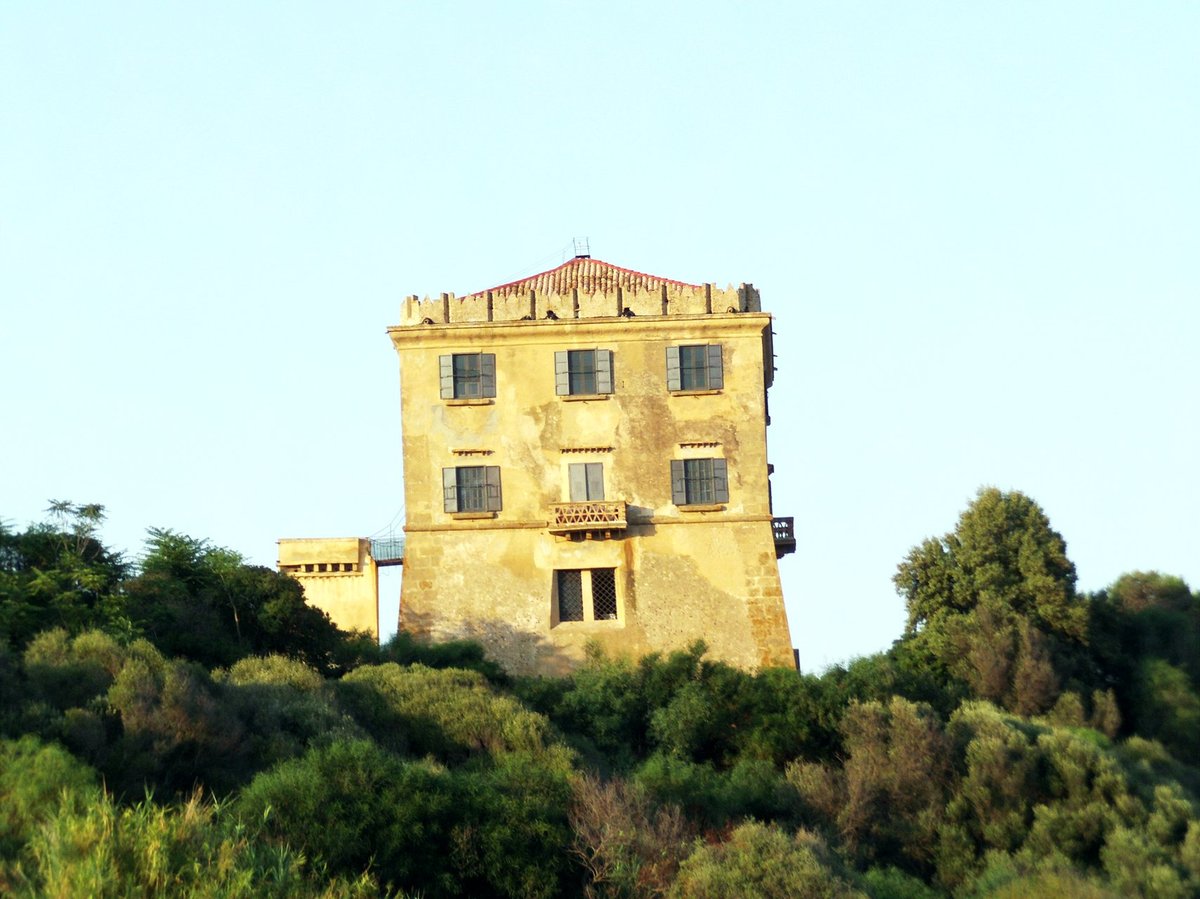 The Cape Pellegrino Tower is one of the most evocative coastal towers in Calabria, built in the 16th century as part of the defensive system against pirate raids. Situated on a rocky promontory south of Crotone, it overlooks the coastal stretch between Capo Colonna and Le Castella. Its strategic position offers you spectacular views of the Ionian Sea, with the island of Capo Rizzuto seemingly within reach. The structure, made of local stone, features the truncated conical shape typical of Spanish watchtowers and still retains some of the original loopholes. Today, it's a perfect spot for those seeking a peaceful corner away from the crowds: the path leading to the tower is short but scenic, ideal for a sunset stroll. Bring your camera because from here you'll capture unforgettable photos of the crystal-clear sea and rugged coastline. Note: internal access isn't always possible, but the external panorama alone makes the visit worthwhile. Practical tip: wear comfortable shoes for the unpaved section and check the weather conditions before heading out, as the area is exposed to winds.
Cape Pellegrino Tower