
The Verona Arena is one of the best-preserved Roman amphitheaters in the world, capable of hosting up to 15,000 spectators during opera performances. Built around 30 AD, today it is the beating heart of the city, with an opera season from June to September attracting over 600,000 visitors.
Why visit:
- Unique performances: watching an opera like Aida in a Roman amphitheater is an unparalleled experience.
- Exceptional acoustics: the structure ensures perfect sound in every section.
- Budget flexibility: tickets from €20 (steps) to €330 (platinum seat).
- Accessibility: wheelchair access via a metal ramp from Piazza Bra.
Events nearby


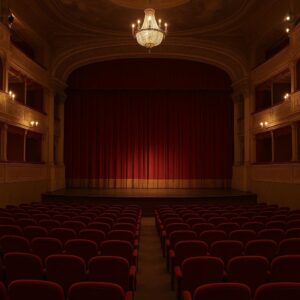

The Verona Arena, a 1st-century AD Roman amphitheater, hosts the famous summer opera festival. Visit the monument or attend an opera: here’s how to plan your experience.
Good to know
Introduction
The Arena di Verona is one of those places that takes your breath away the moment you see it. You step into Piazza Bra, and there it stands, majestic, in red stone from Valpolicella. It’s not just a Roman monument: it’s the beating heart of the city, where ancient history blends with the magic of opera. Whether you come to visit or for a show, the impact is overwhelming. You can almost hear the echo of the gladiators.
Historical Overview
Built around 30 AD, the Arena is the third largest Roman amphitheater still standing. For centuries it hosted fights and hunts. Then, in the Middle Ages, it was almost forgotten, used as a quarry and fortress. An earthquake in 1183 destroyed part of the outer ring. Since 1913, with Verdi’s Aida, it has become the temple of summer opera. Here are the key moments:
- 30 AD – Built under Augustus or Claudius
- 1183 – Earthquake damages the outer ring
- 1913 – First performance of Aida, birth of the opera festival
- 2026 – Will host the closing ceremony of the Winter Olympics
Experience an Opera at the Arena
The Arena Opera Festival is a unique experience. Every summer, from June to September, thousands of people gather to hear operas like La Traviata or Nabucco. The seats? They range from €20 for the sixth section (where you sit on stone steps – bring a cushion!) to €330 for plush armchairs. The acoustics are legendary, but if you’re up high, be prepared for the night chill. Tip: arrive early to pick the best spot among the steps.
Architecture and Curiosities
The Arena is a huge ellipse: 152 meters by 123. Of the outer ring, only the Wing remains, four surviving arches. Legend says it was built by the devil in one night, hence incomplete. A curious fact: Zucchero holds the record for 14 consecutive concerts. And did you know that in 1820 the dwellings inside the Arena were evicted to restore it? Today it is open all year round, but it is best seen in the evening, illuminated.
Why visit it
First: the acoustics. The Arena is famous for its perfect sound, making every performance unforgettable. Second: it’s a dive into history. You walk where gladiators and emperors once walked. Third: the opera festival is the largest open-air in the world, with over 600,000 spectators each year. Even if you’re not an opera fan, the atmosphere is truly unique. And if you go in winter, the visit is more peaceful and evocative.
When to go
The most magical time is summer, during the festival. Warm nights, crowds, lights… it’s an experience that stays with you. But if you want to avoid the chaos, visit the Arena in spring or autumn: fewer people, mild climate, and you can enjoy the monument calmly. My advice? At sunset, when the stone turns red. For the show, arrive an hour early to soak up the atmosphere.
In the Vicinity
After the Arena, don’t miss Piazza delle Erbe with its market and the Madonna Verona fountain. Just a few steps away, Castelvecchio (museum and Scaliger castle) is another unmissable stop. If you have time, the Roman Theatre on the hill offers a stunning view. All these places are within walking distance, perfect for a day of history and charm.
Itineraries nearby


💡 Did You Know…?
According to a medieval legend, the Arena was built in one night by the devil at the request of a condemned man, and for this reason it is supposedly incomplete (hence the name ‘Ala’). Other stories attribute its construction to King Theodoric. Even today, walking among the stone steps, you can breathe an atmosphere steeped in history and mystery.