Church of the Holy Apostles Verona: 14th-Century Frescoes and Early Christian Crypt

The Church of the Holy Apostles in Verona is a 12th-century Romanesque gem located in the heart of the historic center, just steps from the Arena. It offers an authentic experience away from the crowds, with free admission and a quiet atmosphere ideal for contemplative moments.

  • 14th-century frescoes depicting scenes from the Life of Christ and Stories of the Saints with colors still vivid
  • 5th-century early Christian crypt visible beneath the main altar, evidence of ancient origins
  • Romanesque architecture with a three-nave floor plan, massive pillars, and wooden truss ceiling
  • Intimate atmosphere with evocative acoustics and opportunities to attend short sacred music concerts

Copertina itinerario Church of the Holy Apostles Verona: 14th-Century Frescoes and Early Christian Crypt
12th-century Romanesque church in Verona’s historic center, featuring 14th-century frescoes, three-nave architecture, and a 5th-century early Christian crypt. Free admission and intimate atmosphere.

Good to know


Introduction

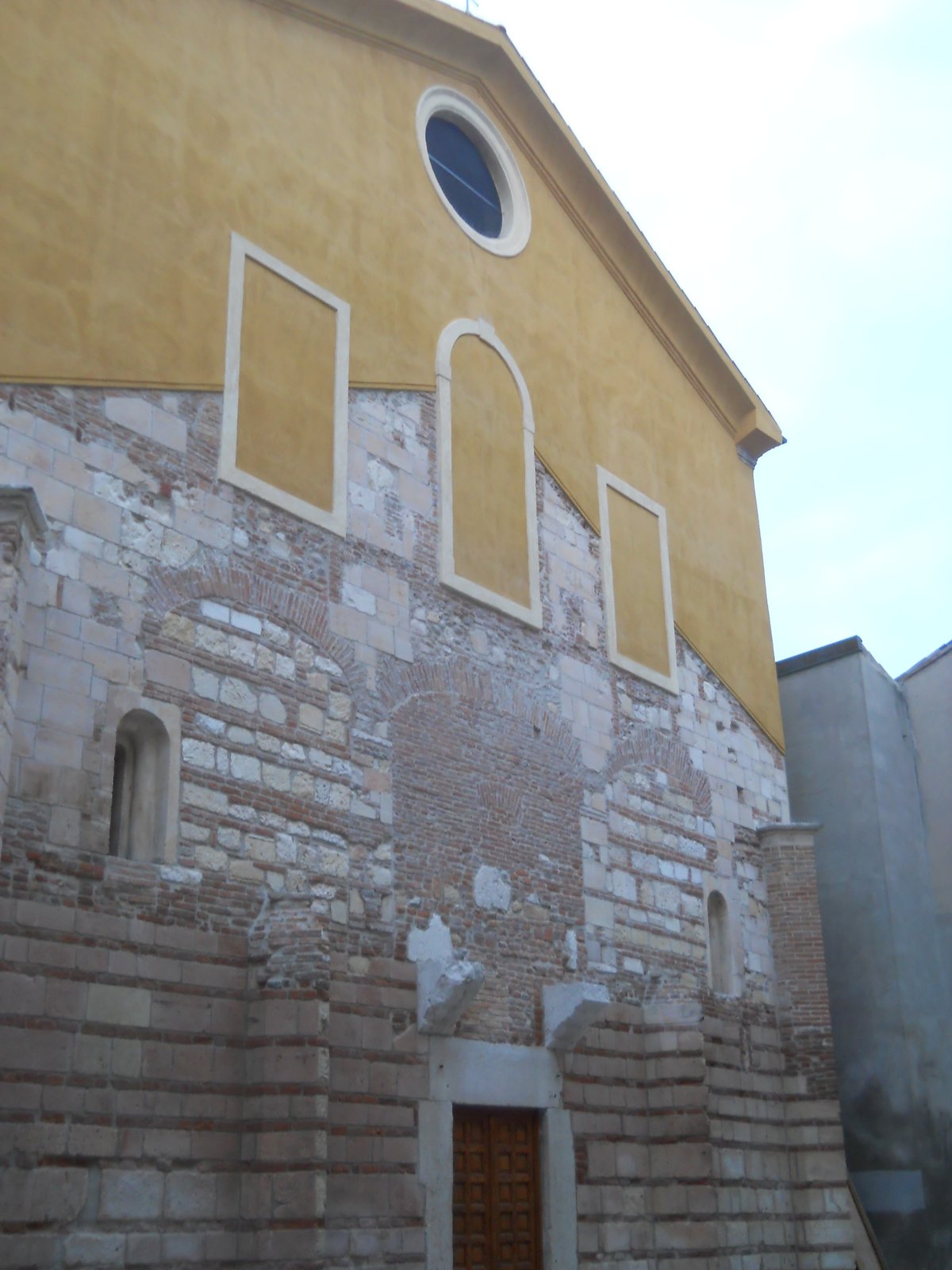
In the heart of Verona, away from the beaten paths, the Church of the Holy Apostles reveals itself as a genuine surprise. This Romanesque jewel, nestled among the houses of the historic center, welcomes you with an atmosphere of contemplation that contrasts with the city’s buzz. Don’t expect the grandeur of San Zeno or the fame of the Arena: here you’ll find an intimate place where time seems to have stood still. Its simple, solid tuff facade hides an interior rich in charm, with frescoes telling centuries-old stories. It’s the perfect destination for those seeking a moment of peace and beauty without having to face queues or crowds, a corner of Verona that still breathes authenticity.

Historical Overview

The origins of the church date back to the 5th century, although the current structure is mainly the result of a Romanesque-style reconstruction around the 12th century. Over the centuries, it has undergone modifications and restorations, such as the one in 1758 that involved the facade. Despite these transformations, it retains its ancient character intact. It is linked to the memory of Saint Toscana, a figure locally venerated for her dedication to the poor, whose cult is still alive. The church has withstood floods and the bombings of World War II, remaining a landmark for the neighborhood.

  • 5th century: First evidence of a place of worship.
  • 12th century: Reconstruction in Romanesque style.
  • 1758: Restoration of the facade.
  • 20th century: Damage from bombings and subsequent recovery.

The Hidden Frescoes

As soon as you cross the threshold, your gaze is captured by the 14th-century frescoes adorning the walls. These are not works signed by renowned masters, but this enhances their value: they are expressions of the devotion and local art of the time. They depict scenes from the Life of Christ and Stories of the Saints, with colors that, despite the passage of time, retain a surprising vibrancy. Observe them calmly: in the details, you’ll discover expressive faces and symbols that tell of medieval faith. The light filtering through the side windows creates chiaroscuro effects that highlight these paintings, offering moments of great suggestion. It’s like leafing through a book of minor art history, but one of extraordinary sincerity.

Architecture and Atmosphere

The layout features three naves, defined by massive pillars supporting round arches typical of Veronese Romanesque architecture. The wooden truss ceiling adds warmth and simplicity. What stands out is the acoustics: in moments of silence, distant echoes can be perceived, amplifying the sense of spirituality. It’s often possible to attend brief sacred music or organ concerts, unadvertised events that offer unforgettable experiences. The main altar, understated, is framed by decorative elements that deserve a closer look. There are no audio guides or intrusive panels: the visit is a direct dialogue with the space, guided by your curiosity.

Why Visit It

Visiting the Church of the Holy Apostles offers three concrete advantages. First, it’s a haven of tranquility in the heart of Verona, ideal for a refreshing break during a day of exploration. Second, it provides an authentic example of lesser-known Romanesque art, perfect for enthusiasts looking to delve deeper beyond the more famous sites. Third, access is free and requires no reservations, allowing for a spontaneous and stress-free visit. Additionally, you might find the church open even outside mass hours, thanks to the care of the local community.

When to Go

The best time to visit is the early afternoon, when natural light streams through the side windows, illuminating the frescoes spectacularly without the morning crowds. As for the season, autumn is particularly evocative: the colorful leaves of nearby trees reflect on the ancient stones, creating a melancholic and poetic atmosphere. In winter, the interior feels cozy and quiet, while in summer it offers a cool refuge from the heat.

In the Surroundings

Complete your stroll with two nearby experiences. Just a few minutes’ walk away, you can reach the Roman Theatre and the adjacent Archaeological Museum, which offer a dive into Roman Verona with a panoramic view of the city from above. Alternatively, immerse yourself in Veronese daily life with a stop at one of the area’s historic bacari, where you can sample cicchetti and local wines in an authentic atmosphere, away from the more crowded tourist routes.

💡 Did You Know…?

A detail that makes the visit unique is the presence, under the main altar, of a 5th-century Paleochristian crypt, discovered during restoration work. These remains, visible through glass, testify that a place of worship existed here as early as late antiquity, well before the Romanesque church. Additionally, observe the bell tower carefully: its base incorporates reused Roman materials, including a Latin inscription, a tangible sign of the historical continuity of this site. According to local tradition, the church was founded by Saint Zeno, patron saint of Verona, adding another layer of sacredness to the place.