Basilica of San Clemente in Siena: Madonna del Bordone from 1261 and Panoramic View

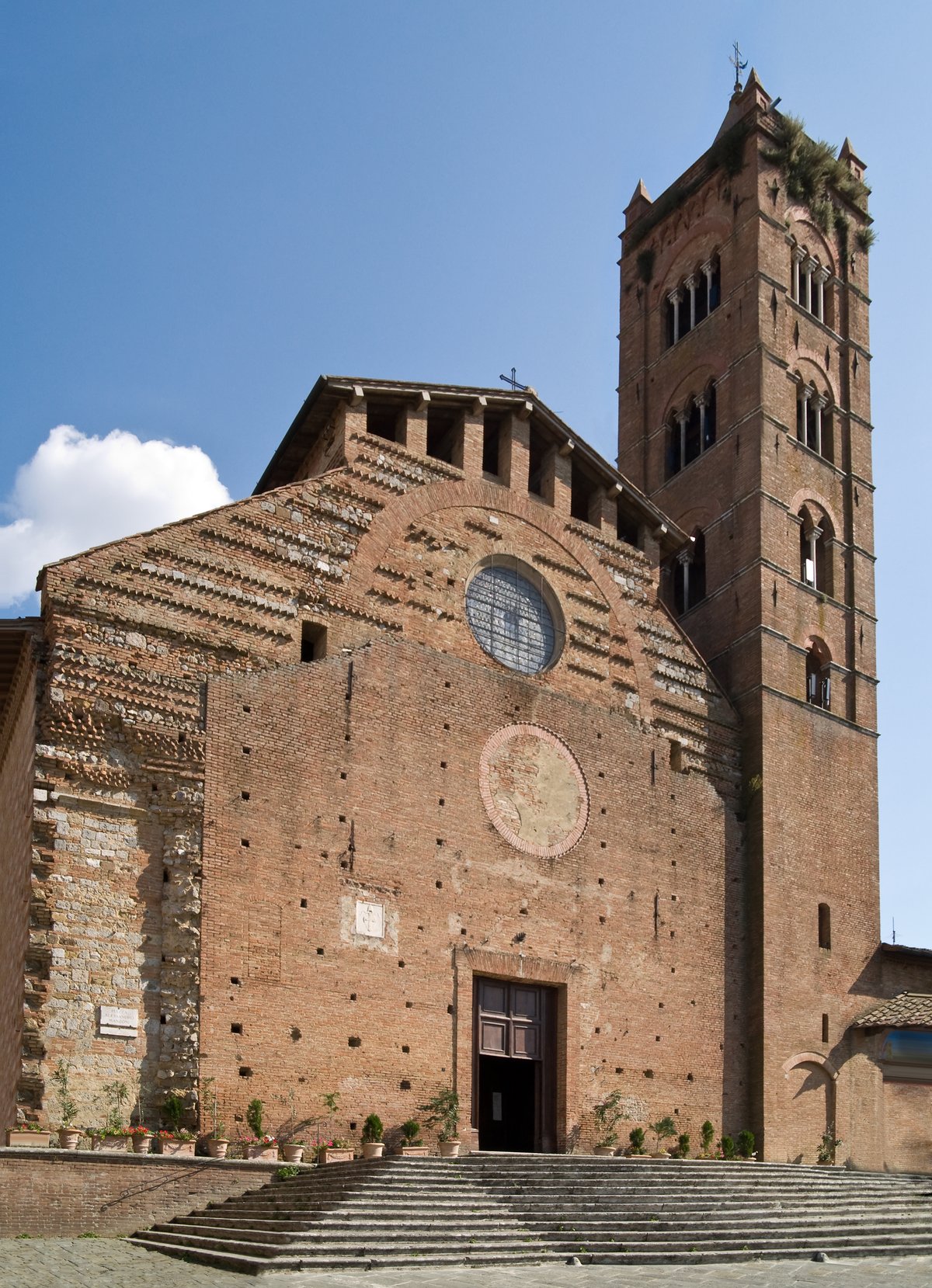
The Basilica of San Clemente in Santa Maria dei Servi offers an authentic experience away from the crowds, with Sienese art masterpieces and an atmosphere of peace. It stands on a hill with a panoramic view over the city’s rooftops, ideal for a reflective break.

  • Madonna del Bordone by Coppo di Marcovaldo, panel painting from 1261
  • Fresco of the Massacre of the Innocents by Matteo di Giovanni
  • Gothic architecture with soaring naves and evocative lighting
  • Unique panoramic view over Siena’s rooftops from the gentle hill


Events nearby


Copertina itinerario Basilica of San Clemente in Siena: Madonna del Bordone from 1261 and Panoramic View
Gothic basilica with works by Coppo di Marcovaldo and Matteo di Giovanni, intimate atmosphere and view over Siena’s rooftops. Free admission, open all day.

Good to know


An Oasis of Silence in the Heart of Siena

The Basilica of San Clemente in Santa Maria dei Servi is a place that will surprise you. It’s not on the usual tourist route, so when you enter, you’ll find a secluded, almost intimate atmosphere. The facade is simple, made of bricks, and could easily go unnoticed if you didn’t know what treasures it holds inside. I discovered it almost by chance, looking for a peaceful corner after the hustle and bustle of Piazza del Campo. The interior is a sight to behold: the sober Gothic architecture immediately envelops you, with those cross vaults that seem to stretch upward. The light filtering through the stained-glass windows creates suggestive plays on the walls. It’s not a majestic basilica like the Duomo, but it has a different charm, more reflective. I think it’s perfect for those who want to escape the crowds and immerse themselves in an authentic piece of Sienese art, unfiltered.

History and Devotion Served

The history of this place is tied to the Servants of Mary, a religious order that settled here in the 13th century. The original church was smaller, then it was rebuilt between 1250 and 1533, taking on the form we see today. It wasn’t a single-century endeavor but a work carried out in multiple stages, which perhaps gives it such a unique character. In the 15th century, it became an important center of Marian devotion for the Sienese. As you walk through, you can’t help but think of how many pilgrims and faithful have crossed these naves over the centuries. Key moments timeline:

  • Around 1250: arrival of the Servants of Mary and initial construction
  • 14th-15th centuries: reconstruction in Gothic style
  • 1533: consecration of the church in its current form
  • Subsequent centuries: enrichment with artworks and altars

Hidden Treasures Among the Naves

What struck me most is not a single artwork, but how art here is an integral part of the space. The high altar with the Madonna and Child attributed to Lippo Memmi is a focal point, but not the only one. There are slightly faded fourteenth-century frescoes on the walls, telling sacred stories in a typically Sienese style. Then, almost hidden in a side chapel, there’s a panel by Pietro Lorenzetti worth seeking out: the colors and expressions of the figures have incredible delicacy. I enjoy observing the details of the column capitals, carved with vegetal motifs. It’s not a museum; it’s a living church, and the works converse with the light and silence. Sometimes I wonder if the Sienese who come here to pray take such beauty for granted.

The Atmosphere That Stays with You

Beyond the artworks, it’s the atmosphere that makes the difference. The acoustics are unique: sounds seem to be muffled, creating a rare quietness in the heart of Siena. Perhaps it’s due to the modest dimensions or the materials, but when there are few people, you can only hear your own breath. I noticed many visitors sit on the side benches, not just to admire, but to pause for a moment. The afternoon light, when the sun is low, enters through the windows and illuminates the stones with a golden warmth. I don’t know if it’s intentional, but it almost seems as if the architecture itself invites you to slow down. It’s a sensory experience more than a simple visit. Perhaps this is its true masterpiece: knowing how to create a space of peace without the need for words.

Why It’s Worth a Visit

I’ll give you three concrete reasons to include it in your tour. First: it’s a little-known concentration of Sienese art, with works by Lorenzetti and Memmi in an authentic setting, not in a crowded museum. Second: the atmosphere is truly intimate; you can enjoy the details without crowds, which is rare in Siena. Third: it’s free and open all day (with worship hours to respect), so you can easily fit it into your itinerary. I’d return for that sense of tranquility you rarely find in more famous monuments. It’s like discovering a secret the Sienese keep to themselves.

The Right Time to Experience It

I would avoid the middle of the day when the sun beats down and the center is more crowded. In my opinion, late afternoon is magical, especially in autumn or spring. The light is warmer, slants through the windows, and illuminates the colors of the frescoes. In winter, on clear days, the interior feels more intimate and cozy. Summer can work if you go early in the morning, right when it opens, to find coolness and silence. But my favorite remains the hour before sunset: there’s a light that makes everything more evocative, and when you leave, you can enjoy the twilight over Siena.

To Complete the Experience

On your way out, I recommend two nearby spots that complement the spirit of the place. First, a stroll in the Orto dei Pecci, a small public garden not far away: it’s a peaceful green corner with a lovely view of the countryside, perfect for absorbing what you’ve seen. Then, if you’re interested in sacred art, there’s the Diocesan Museum of Sacred Art, which houses other works from local churches. It’s not huge, but it’s well-curated and completes the picture. Both are just a short walk away, with no need for long trips. This way, your visit becomes a small itinerary of art and tranquility.

Itineraries nearby


💡 Did You Know…?

A little-known curiosity: the church stands on the site of an ancient oratory dedicated to San Clemente, but the full name ‘Santa Maria dei Servi’ comes from the Order of the Servants of Mary, who have managed it since the 13th century. Inside, look for the small adjacent cloister: it’s an almost secret corner of peace, with a central well and silence broken only by birdsong. According to local tradition, the Madonna del Bordone was carried in procession during the Siege of Siena in 1554 to invoke protection.