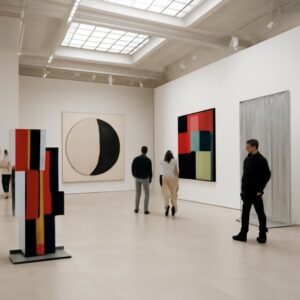
Castello di Rivoli combines Savoy history and contemporary art in a unique experience just 15 minutes from Turin’s city center. Frescoed halls host modern installations, with a permanent collection of international artists and regularly updated temporary exhibitions.
- 17th-century Savoy residence converted into a contemporary art museum since 1984
- Permanent collection featuring works by Anish Kapoor, Rebecca Horn, and Maurizio Cattelan
- Filippo Juvarra’s Manica Lunga, a 140-meter gallery for site-specific installations
- Panoramic views of Turin and the Alps from the castle terraces and restaurant
Introduction
As soon as you arrive in Rivoli, the Castle immediately strikes you. It’s not just a historic palace, but an incredible visual contrast between Savoy Baroque architecture and the contemporary art installations you find inside. I visited on an autumn afternoon, and that light filtering through the large windows onto modern works left me speechless. It’s one of those places where history isn’t just told, but felt in the air as you walk through frescoed halls that now host temporary exhibitions by international artists. For me, it’s an experience that surprisingly unites two worlds: you expect a classic royal residence and instead find yourself immersed in a vibrant museum, with works that dialogue with the ancient walls. The effect is powerful, almost disarming, and makes the visit much more than just a tourist stop.
Historical Overview
The history of the Castello di Rivoli is something of an
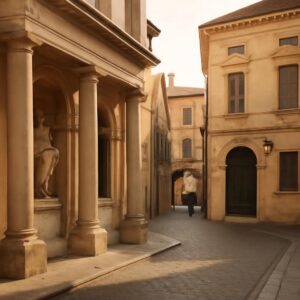
architectural rollercoaster. It began as a medieval fortress, but it was in the 17th century that the House of Savoy transformed it into a hunting lodge, with ambitious plans that were never completed. It then endured centuries of neglect until 1984, when it was reborn as Italy’s first museum of contemporary art. Today, its halls tell this dual story: from an unfinished palace to a cutting-edge cultural center. One detail that struck me: during restoration, they chose not to ‘finish’ the incomplete parts, leaving the marks of time visible. It’s a detail that makes everything feel more authentic.
- Middle Ages: built as a fortress
- 17th century: transformed into a residence by the House of Savoy
- 1984: inaugurated as the Museum of Contemporary Art
- Today: home to exhibitions and permanent collections
Art in Dialogue with History
What makes the Castello di Rivoli unique is precisely how contemporary art integrates with historical spaces, without overwhelming them but enriching them. I particularly remember the Hall of Festivities, where a light installation by a contemporary artist played with eighteenth-century frescoes, creating an almost magical effect. This is not a traditional museum: the works are often site-specific, conceived specifically for these environments. As you walk through, you might see a modern sculpture next to an ancient fireplace, or a video projected onto a Baroque wall. It’s an experience that stimulates the senses and encourages reflection on the past and present. For art enthusiasts, it’s a must-see, but even those without expertise can appreciate the visual contrast. Personally, I found that the guides, when available, explain these connections well, making the visit more engaging.
The Gardens and the City View
Don’t limit yourself to just visiting the interior: the Castle gardens offer a different perspective and a moment of relaxation. They are well-maintained, with paths winding through flower beds and benches, and from the terrace you have a panoramic view of Turin and the Alps that, on clear days, is simply spectacular. I visited around lunchtime and noticed several families having picnics here, taking advantage of the shade from the trees. It’s a quiet corner, away from the city noise, where you can pause to observe the architectural details of the Castle from the outside. In summer, they sometimes organize small outdoor events. If you visit the museum, take half an hour to explore the gardens: you won’t regret it, especially if you want to take some souvenir photos with the mountains in the background.
Why Visit
Visiting the Castello di Rivoli is worthwhile for at least three practical reasons. First, it’s a unique example of cultural repurposing: seeing how a historic palace has become a hub for modern art without losing its soul is inspiring. Second, the temporary exhibitions are often high-quality and change regularly, so there’s always something new to discover, even if you’ve been before. Third, it’s family-friendly: I’ve seen curious children in front of interactive installations, and the spaces are spacious and accessible. Plus, the location is convenient, easily reachable from Turin by public transport. For me, it’s a stop that enriches any trip to Piedmont, offering culture without being too heavy.
When to Go
The best time to visit the Castello di Rivoli? I suggest going in the early afternoon, especially during spring or autumn months. The natural light streaming through the windows illuminates the artworks in a suggestive way, and the gardens are pleasant without the summer heat. I’d avoid peak weekend hours when it can be more crowded. In winter, the interior is still cozy, but the view from the terraces is less spectacular with the fog. Once I went in the evening for a special event, and the atmosphere was magical, with lights accentuating the contrasts between ancient and modern. In short, plan according to the time you have, but if you can, choose a weekday to enjoy it at a leisurely pace.
In the Surroundings
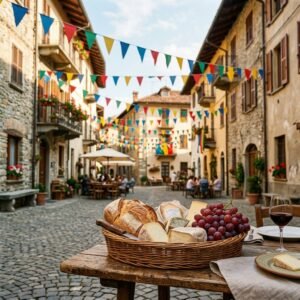
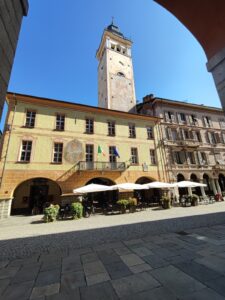
If you have time after your visit, I recommend exploring the historic center of Rivoli, just a few minutes’ walk from the Castle. It’s a lively village with small shops and cafes where you can taste Piedmontese specialties, like the delicious gianduiotti chocolates. Another idea is the Certosa di Collegno, a former monastery now serving as a cultural space, reachable in a short trip. Both places offer an interesting contrast to the contemporary art at the Castle, showcasing other aspects of the area. I did this and appreciated the variety of the experience.