Villa Piccolo: Museum with 12,000-Volume Library and 6-Hectare Botanical Park

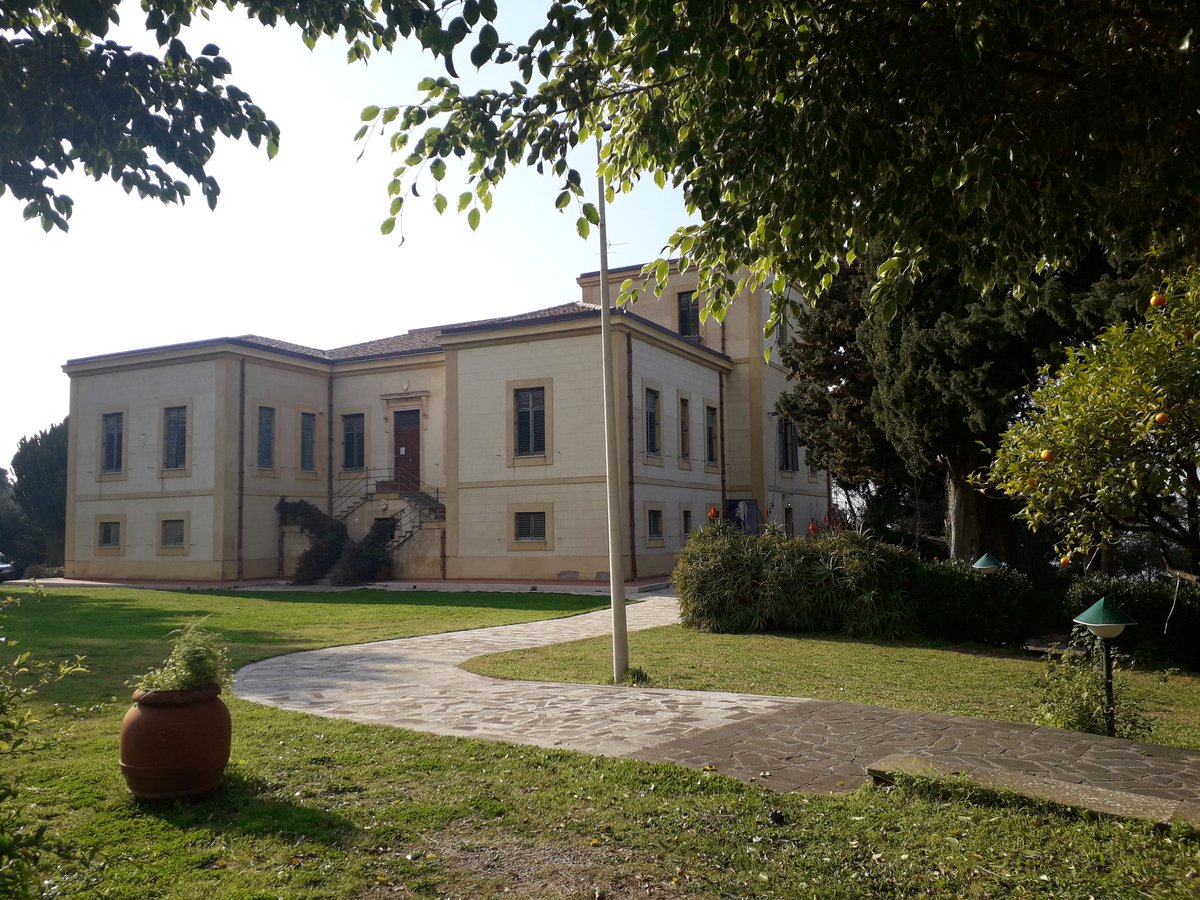
Villa Piccolo seamlessly blends art and nature into a complete experience. The villa-museum preserves original furnishings and a library housing over 12,000 volumes, while the 6-hectare botanical park invites strolls among Mediterranean plants and exotic species. Perched on a hill, the location offers breathtaking views of the Tyrrhenian Sea and the Aeolian Islands on the horizon.

  • Museum with period furnishings and a library of 12,000 rare volumes and original manuscripts
  • 6-hectare botanical park with Mediterranean plants, exotic species, and centuries-old trees
  • Panoramic views of the Tyrrhenian Sea and Aeolian Islands from the hill, just minutes from the town center
  • Historic residence of the Piccolo di Calanovella family, Sicilian noble patrons


Events nearby


Copertina itinerario Villa Piccolo: Museum with 12,000-Volume Library and 6-Hectare Botanical Park
Villa Piccolo in Capo d’Orlando: A villa-museum with period furnishings, a rare book library, and a Mediterranean botanical park. Enjoy panoramic views of the Tyrrhenian Sea and Aeolian Islands from the hilltop.

Good to know


Introduction

Villa Piccolo in Capo d’Orlando is not just a historic residence, but a true enchanted garden that captivates you as soon as you pass through the gate. I arrived there almost by chance, driven by curiosity to see something different from the usual beaches, and found myself immersed in an oasis where art and nature blend in a surprising way. The view of the Tyrrhenian Sea from here is spectacular, a panorama that makes you forget the chaos and invites you to breathe deeply. It’s not the typical dusty museum, but a living place where every corner tells a story. Personally, I loved that sense of peace you feel among the tree-lined avenues, almost as if time had stood still. If you’re looking for a cultural experience that is also pure relaxation, Villa Piccolo is the perfect answer. I assure you it’s worth dedicating a few hours to it, even if you’re not a museum enthusiast. The atmosphere here is unique, and those garden colors against the blue of the sea stay with you for a long time.

Historical Notes

The villa was originally built as a summer residence for the Piccolo di Calanovella family, Sicilian nobles with a great passion for art and botany. Constructed in the early 20th century, its true heart lies with the siblings Lucio, Casimiro, and Agata Giovanna, poets and painters who spent much of their lives here. Lucio Piccolo, cousin of Giuseppe Tomasi di Lampedusa, transformed the villa into a cultural salon, frequented by intellectuals such as Eugenio Montale. After his death in 1969, the villa became a museum and foundation, preserving the collection of manuscripts, paintings, and rare books that make this place so special. It is not just architecture; it is the tangible legacy of a refined world that endures through time. I sometimes wonder what it would have been like to attend one of those salons, amidst literary discussions and the scent of flowers from the garden.

  • Early 1900s: Construction of the villa as a summer residence for the Piccolo family.
  • Mid-1900s: Lucio Piccolo turns it into a vibrant cultural hub.
  • 1969: Death of Lucio Piccolo and the beginning of the museum conversion process.
  • Today: A villa-museum and foundation open to the public, featuring a botanical park.

The Museum: Rooms Filled with Poetry

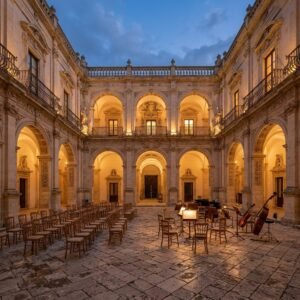
Visiting the rooms of Villa Piccolo is like stepping into the minds of its inhabitants. Don’t expect a cold, distant exhibition: everything here has remained as it was, with period furniture, paintings on the walls, and above all that incredible library housing over 12,000 volumes. There are original manuscripts, letters, rare editions that let you feel the Piccolo family’s passion for literature firsthand. What struck me were the small details: a work table still cluttered with papers, a collection of seashells, family portraits that seem to watch you. It’s an intimate, almost domestic museum, where you can still sense the creative energy that animated it. If you love poetry or simply want to understand a piece of cultured Sicily, these rooms are a treasure. I spent an hour virtually browsing some displayed texts, imagining the discussions that took place here. A piece of advice? Don’t rush, let the atmosphere envelop you.

The Botanical Park: A Triumph of Colors

If the museum tells the story, the botanical park is its green soul. It’s not just a well-kept garden, but a living collection of rare plants and Mediterranean essences, many of which were personally planted by the Piccolo brothers. Strolling along the avenues, you’ll encounter majestic palm trees, fragrant citrus groves, and flower beds that change appearance with the seasons. The beautiful thing is that every corner offers a different view of the sea, as if the landscape had been painted on purpose. I visited in spring, when bougainvilleas explode in purple and jasmine fills the air with fragrance – a spectacle for the eyes and the nose. It’s the perfect place for a refreshing break, perhaps sitting on a bench enjoying the silence, broken only by birdsong. Sometimes I think this garden is the most beautiful work of art in the villa: always in motion, always surprising.

Why Visit

First, because it offers a complete and unusual experience for the area: culture, nature, and scenery in one place, perfect for those wanting a break from the beach routine without going too far. Second, for that living museum you won’t find elsewhere: it’s not a cold exhibition, but the home of artists that still feels inhabited, with that mix of books, paintings, and memories that transports you to another era. Third, for the absolute tranquility: even during the busiest periods, the park is so spacious and well-designed that you can always find your own corner to read, think, or simply admire the Tyrrhenian Sea. It’s one of those places that rejuvenates you, without needing any special activities. I found it a perfect antidote to stress, and I believe it can be for you too.

When to Visit

The villa is open for most of the year, but in my opinion, the best time to visit is late spring or early autumn. During these seasons, the weather is mild, the garden is at its peak (with bougainvillea blooming in spring and citrus trees perfuming the air in autumn), and you can enjoy your stroll without the summer heat. If you do go in summer, aim for the late afternoon hours when the sun becomes gentler and the light over the sea is magical. In winter, the atmosphere is more intimate and cozy, perfect for immersing yourself in the museum rooms. I have a soft spot for September afternoons: it’s still warm but not humid, and those golden hues over the garden are unforgettable. So, avoid the peak of August if you’re seeking tranquility, but in every season, you’ll find a good reason to appreciate it.

In the Surroundings

After your visit, if you still feel like exploring, I recommend two nearby experiences that perfectly round out the day. The first is the Sanctuary of Maria Santissima di Capo d’Orlando, which stands on a promontory not far away: it’s not only an important place of worship, but from its terrace you can enjoy a panoramic view of the coast that rivals that of the villa. The second is a stop at one of the local pastry shops in Capo d’Orlando’s historic center, to sample typical Sicilian sweets like cassata or cannoli – a delicious way to end on a high note. Both places are just a few minutes’ drive away, perfect for an art-relaxation-taste themed itinerary without too much moving around. I did it this way and did I regret it? Absolutely not.

Itineraries nearby


💡 Did You Know…?

A visit to Villa Piccolo becomes even more special when you know that here, among these halls and gardens, the Piccolo brothers lived and created: Lucio, a poet and painter, and Casimiro, a scholar and collector. The villa preserves not only their belongings but the atmosphere of a Sicilian cultural salon from the 1900s. Look closely at the details: the furniture, paintings, and musical instruments tell stories of passions and research. In the park, seek out the ancient gypsy caravan, gifted to the family, which seems straight out of a fairy tale. And don’t miss the view from the terrace: on clear days, the Aeolian Islands appear so close you could almost touch them. It’s a place that inspires quiet and reflection, away from the hustle and bustle, where every corner whispers a story.