National Archaeological Museum of the Marches: Mother Goddess Statuette and Piceni Tombs

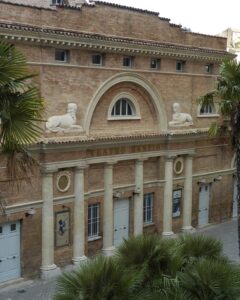
The National Archaeological Museum of the Marches in Ancona, located in the Renaissance Palazzo Ferretti, offers a journey through regional history with unique collections and engaging routes. The well-organized rooms feature exceptional artifacts, making the visit accessible even to non-experts.

  • Mother Goddess statuette and Piceni funerary items
  • Rooms with reconstructed tombs, bronze weapons, and ancient jewelry
  • Immersive routes with multimedia projections on prehistoric villages
  • Collection focused from prehistory to the Roman age, with everyday objects and artifacts from local excavations

Copertina itinerario National Archaeological Museum of the Marches: Mother Goddess Statuette and Piceni Tombs
The museum in Ancona, housed in Palazzo Ferretti, displays artifacts from prehistory to the Piceni era, including the Mother Goddess statuette, funerary items, weapons, and jewelry, with thematic routes and immersive multimedia rooms.

Good to know


Introduction

Entering the National Archaeological Museum of the Marches in Ancona is like opening an unexpected history book. It’s not just a museum, but a journey through time that starts from prehistory and reaches the Piceni civilization, with artifacts that leave you in awe. The feeling is that of walking among treasures that tell ancient stories, with immersive paths that make you feel part of that distant world. The collection is unique in its kind, with objects that seem to speak to you directly, like the votive statuettes or the gold jewelry that shines under the lights. Personally, I was struck by the atmosphere: silent, yet full of past life. It’s a place that helps you understand how rich the history of these lands is, without needing many words.

Historical Overview

The museum was founded in 1863, but its history is deeply intertwined with archaeological discoveries in the Marche region. Initially, it gathered scattered artifacts, then grew to become the regional hub for archaeology. The current location, Palazzo Ferretti, was acquired in 1958, and from there, it began organizing its collections in a more structured way. I’ve read that many artifacts come from local excavations, such as those in Numana or Ancona itself, which adds to their authenticity. This isn’t just a ‘generic’ museum—it specifically tells the story of this area, with pieces you’d be hard-pressed to find elsewhere. The timeline below gives you an idea of key moments:

  • 1863: Museum founded
  • 1958: Move to Palazzo Ferretti
  • 1970s-1980s: Expansion of collections with regional excavations
  • Today: Thematic exhibits from prehistory to the Piceni

The Piceni Halls

This section is perhaps the most fascinating in the museum. The Piceni were an ancient people who inhabited the Marche region, and here you can see up close how they lived. The reconstructed tombs are impressive, with funerary goods including weapons, pottery, and personal items. I was particularly struck by a bronze sword, perfectly preserved, that seems to tell stories of battles and rituals. The display cases are clearly organized, with brief explanations that don’t overwhelm you with information. There’s also a section dedicated to craftsmanship, where you can admire buckles and jewelry that show incredible skill. It’s a dive into a little-known culture that has left deep traces. If you’re passionate about history, you’ll lose track of time here.

The Immersive Journey

This is not your typical static museum. Here, some rooms offer multimedia experiences that transport you directly into the past. I tried a projection that reconstructs a prehistoric village, with sounds and images that make you feel part of the scene. It’s engaging, especially if you’re visiting with children or want to make history feel more ‘alive’. The installations are well integrated, without being intrusive, and help you better understand daily life back then. Another thing I appreciated is the lighting: soft yet precise, it highlights the artifacts without causing glare. It might not be perfect for those who only want to look at objects, but if you’re seeking a total experience, this journey makes all the difference. Personally, it made me rethink how we tell history.

Why Visit It

Three practical reasons not to miss it. First, the collection is focused and well-curated: you won’t get lost in countless rooms, but every object has meaning. Second, the routes are accessible and clear, even if you’re not an expert—I saw families with children enjoying discovering the artifacts. Third, the museum often offers temporary exhibitions related to the local area, which enrich the visit with new discoveries. Additionally, the staff is available for questions without being intrusive. It’s a place where you can spend a couple of hours without getting tired, learning something concrete about the history of the Marche region. If you’re passing through Ancona, it’s worth making a detour, even just to see the Piceni jewelry.

When to Go

The best time? A winter afternoon or a rainy day. The museum is indoors, so it’s perfect when the weather isn’t great, and the quiet atmosphere pairs well with the gray light outside. In summer, it can get crowded, but if you go early in the morning, you’ll find more tranquility. I’ve noticed that on weekends there are more guided tours, which can be interesting if you want to delve deeper. Personally, I prefer the shoulder seasons, when there aren’t too many tourists and you can enjoy the rooms at your own pace. Avoid closing days, of course, but otherwise it’s accessible year-round. A tip: check if there are any special events—sometimes they organize evening openings with a captivating atmosphere.

In the Surroundings

After the museum, you can explore other places that complete the historical picture. The Cathedral of San Ciriaco, on the hill of Ancona, offers a panoramic view and an example of Romanesque-Byzantine architecture—it’s just a few minutes’ walk away, perfect for a stroll. Another idea is to visit the Archaeological Area of the Picene Necropolis in Numana, a short drive away, where you can see open-air tombs that echo the museum’s exhibits. If you prefer something lighter, the Ancient Port of Ancona is nearby and ideal for a coffee break, immersing yourself in the city’s maritime atmosphere. These spots give you a broader context without straying too far from the visit’s theme.

💡 Did You Know…?

Don’t miss the room dedicated to the Numana necropolis, where intact funeral goods of Piceni warriors are displayed, with helmets and swords that seem straight out of an epic tale. A fascinating detail: some artifacts show Greek and Etruscan influences, testifying to ancient trade exchanges in the Mediterranean. If you’re lucky, you might attend thematic guided tours that reveal anecdotes about daily life in antiquity, such as the use of amulets or metalworking techniques. The museum’s location in a historic palace adds a unique atmosphere, almost as if the past breathes within its walls.