
In the heart of Brindisi’s historic center, just steps from the Cathedral, lies the Crypt of San Biagio, a hypogeal space that houses precious 12th-century Byzantine frescoes. This rock-hewn place of worship offers a suggestive atmosphere and a dive into the city’s religious history. The crypt is accessible via a staircase descending below street level, creating an immediate sense of seclusion. The frescoes depict scenes from the life of Christ and the saints, with colors still vivid despite the centuries. The space is small but emotionally impactful, perfect for a brief yet intense visit. Its central location makes it easy to include in a city itinerary, perhaps combined with the nearby Brindisi Cathedral.
• 12th-century Byzantine frescoes in excellent condition
• Hypogeal environment carved into rock with a suggestive atmosphere
• Central location in the heart of Brindisi’s historic center
• Brief visit (about 20-30 minutes) perfect for a city itinerary
Events nearby

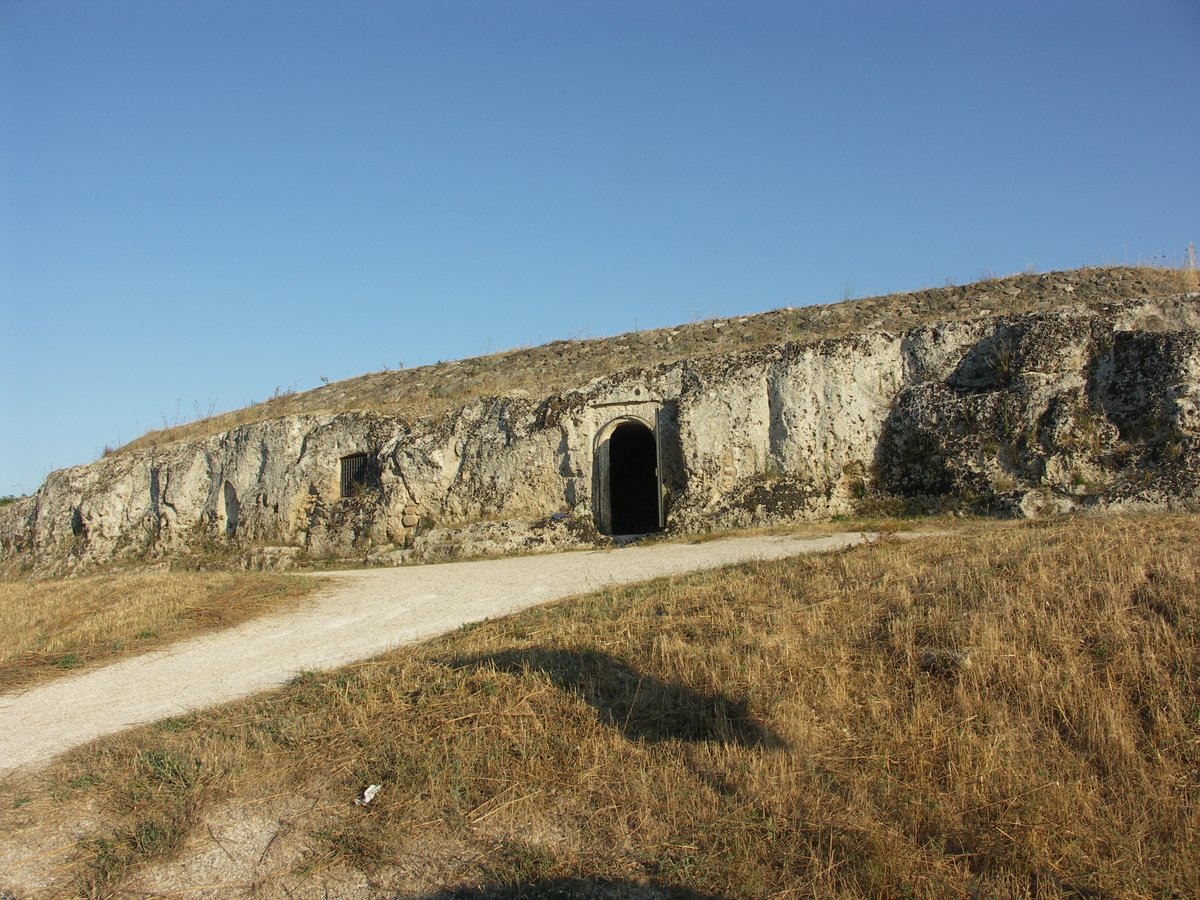
The Crypt of San Biagio in Brindisi preserves 12th-century Byzantine frescoes in a unique hypogeal setting. Discover how to visit this hidden gem in the historic center, with opening hours and practical information.
- SP38, Brindisi (BR)
- Open in Google Maps
- View on Google Images Cripta di San Biagio a Brindisi
Good to know
A Hidden Treasure Beneath Brindisi
Historical Overview
- 12th century: construction of the crypt and creation of the Byzantine frescoes
- Subsequent centuries: periods of abandonment and rediscovery
- Modern restorations: conservation efforts that saved the paintings
The Frescoes That Speak
Hypogeal Architecture
Why Visit It
When to go
In the Surroundings
Itineraries nearby


💡 Did You Know…?
The Crypt of San Biagio has a particular history: according to some local sources, traces of a previous pagan place of worship emerged during restoration work, suggesting a sacred continuity dating back to ancient times. Its dedication to Saint Blaise, protector of the throat, makes it a destination for popular devotion, especially during the saint’s feast day on February 3rd. Some neighborhood residents recount that until the 1960s, the crypt was occasionally used for private celebrations, keeping the tradition of this sacred space alive.