Introduction
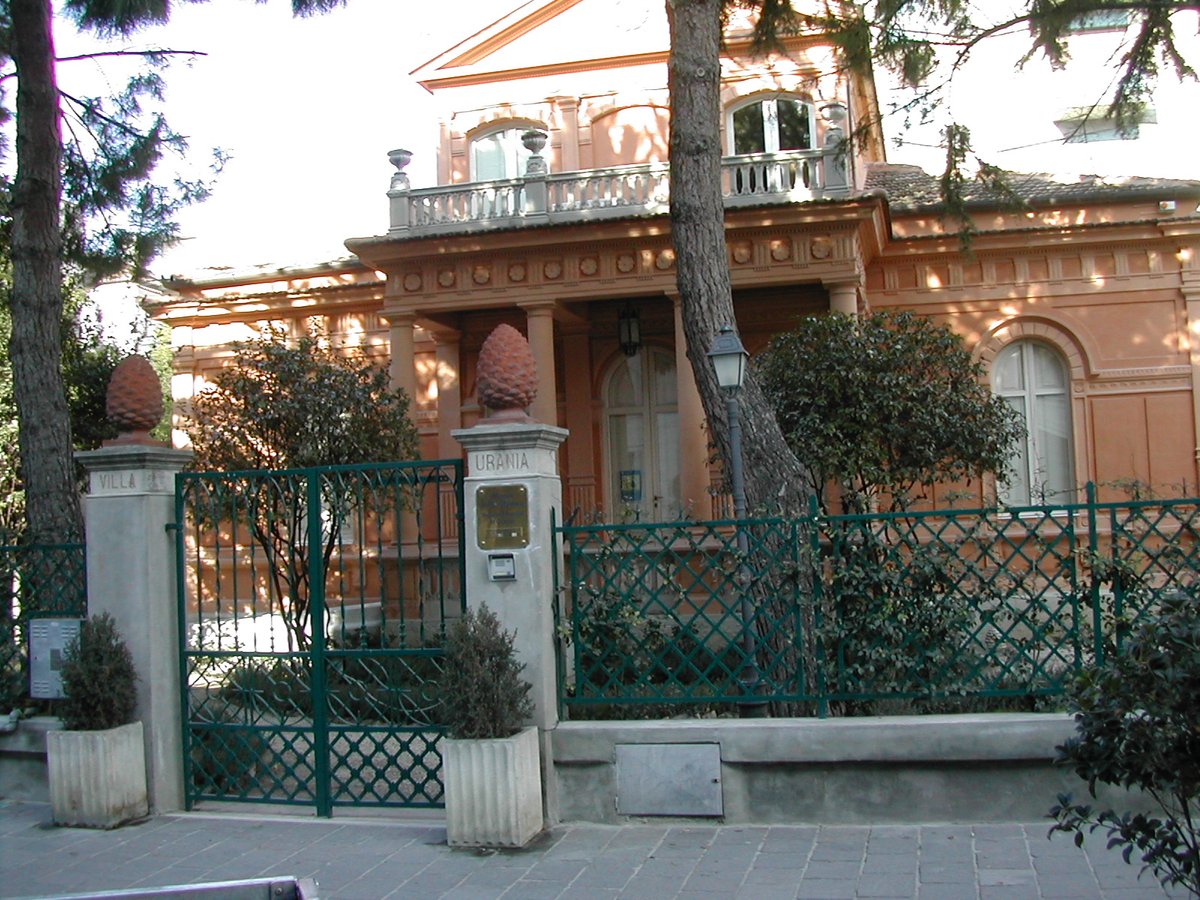
Imagine a Liberty-style villa overlooking Pescara’s seafront, with a historic garden that smells of the sea and a collection that leaves you in awe. The Paparella Villa Urania Museum is exactly that: an architectural gem housing 150 Renaissance ceramics from Castelli d’Abruzzo. This is not your typical dusty museum, but a vibrant place where art, history, and nature blend together. Stepping inside means discovering a piece of elegant and refined Abruzzo, far from tourist clichés. The sea view from the garden is reason enough to stop by, even just for a moment of peace.
Historical Background
The villa was built in the early 1900s for the Paparella family, local merchants with a passion for beauty. In the 1950s, physician Francesco Paparella Treccia began collecting Castelli ceramics, renowned for their vibrant colors and intricate decorations. This passion evolved into a mission: to preserve this Abruzzese heritage. In 1999, the villa was donated to the Paparella Treccia Devletoglù Foundation and opened to the public as a museum.
- Early 1900s: Construction of the villa in Liberty style
- 1950s: Beginning of the Castelli ceramics collection
- 1999: Official opening as a museum
The Ceramics of Castelli: A Journey into Abruzzo’s Renaissance
The 150 ceramics on display are not just showcase objects. They are unique pieces that tell the story of the mastery of Castelli’s artisans, a village in the province of Teramo famous since the 16th century. Walking among the display cases, you’ll notice plates, vases, and albarelli decorated with mythological scenes, landscapes, and sacred figures. The colors are incredibly vivid, especially the cobalt blue and golden yellow. Personally, I’m always struck by the precision of the details: it feels like looking at miniature paintings. Some works even bear the artists’ signatures, like those of the Pompei family, among the most renowned ceramists of the era.
The Historic Garden: A Seaside Oasis
If the ceramics captivate you inside, the garden enchants you outside. This is not just a green space, but a historic garden designed with palm trees, Mediterranean plants, and pathways that invite leisurely strolls. Its location is strategic: it directly overlooks Pescara’s seafront, offering glimpses of the Adriatic Sea that change with the daylight. In summer, beneath the shade of the trees, you breathe a different air, far from the city’s hustle and bustle. Outdoor events are sometimes held here, but even without special occasions, it’s worth sitting on a bench and enjoying the view. It’s one of those places you’ll want to return to.
Why Visit It
First: it’s the only museum in Abruzzo entirely dedicated to Castelli ceramics, with a collection that is both vast and exceptionally well-preserved. Second: the Liberty-style villa itself is a work of art, featuring stuccos, stained glass, and architectural details that deserve a close look. Third: the garden along the seafront offers a refreshing break, perfect for unwinding after a day of exploration. In short, here you’ll find culture, beauty, and relaxation all in one go. And let’s be honest, it’s a way to discover a lesser-known side of Abruzzo—one of Renaissance courts and exquisite craftsmanship.
When to Go
I would recommend visiting in the late afternoon, when the warm sunlight streams through the villa’s windows and illuminates the ceramics, making them shine even brighter. Then, you can end your visit with a stroll in the garden at sunset: the sea turns golden, and the atmosphere is magical. Avoid the midday hours in summer, as it might be more crowded. In spring or autumn, however, it’s perfect at any time, with that mild climate inviting you to take your time.
In the Surroundings
Just a short walk from the museum, along the seafront, you’ll find the Ponte del Mare, a pedestrian and cycle bridge suspended over the water that connects Pescara’s north and south riviera. It’s worth crossing for a panoramic view of the coast. If you’d like to delve deeper into the ceramic tradition, about an hour’s drive away is Castelli itself, the village where these artworks were produced. There, you can visit the still-active artisan workshops and the Museum of Ceramics for a direct encounter with their origins.