Introduction
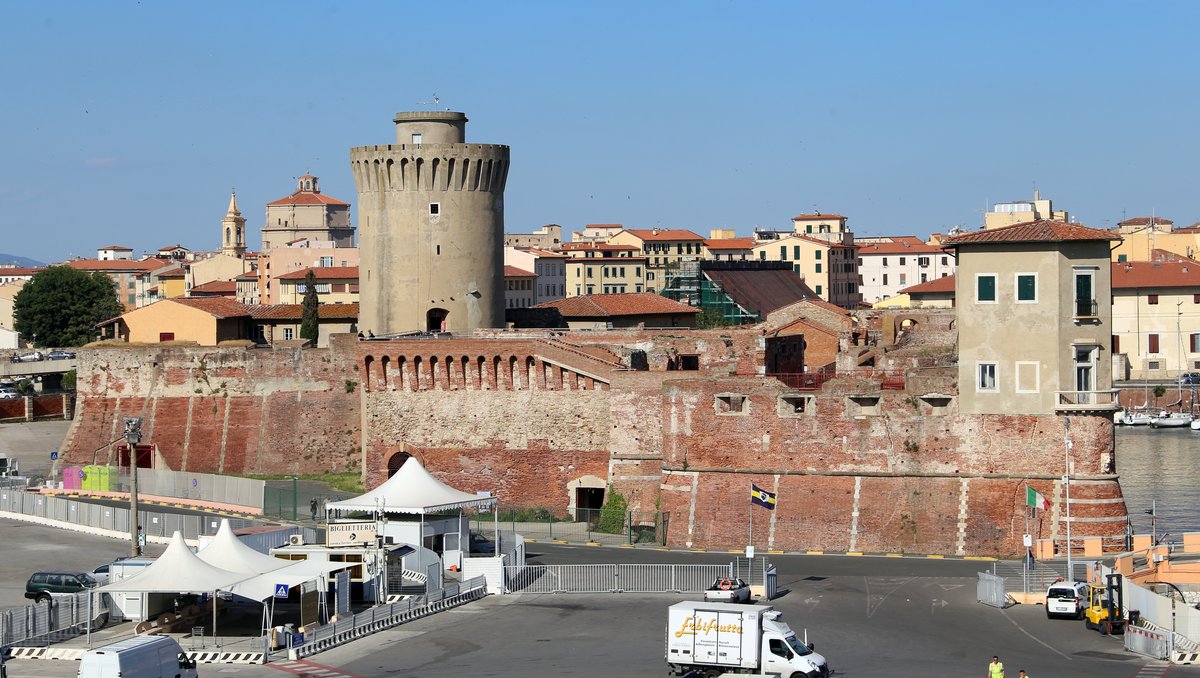
The Fortezza Vecchia in Livorno is an instant eye-catcher. Overlooking the Porto Mediceo, with its mighty walls that look like they stepped out of a Renaissance painting, it makes you feel small. But as soon as you enter, there’s a special energy: the nearby sea, the smell of salt, and the cries of seagulls. It’s not just a fortress; it’s a piece of living history, hosting concerts, shows, and the bustling port life surrounding it. Perfect for a unique outing, suitable for everyone: families, couples, even your dog if well-behaved. And the view? From up there, the Tuscan Archipelago seems within reach.
Introduction
The Fortezza Vecchia in Livorno is an instant eye-catcher. Overlooking the Porto Mediceo, with its mighty walls that look like they stepped out of a Renaissance painting, it makes you feel small. But as soon as you enter, there’s a special energy: the nearby sea, the smell of salt, and the cries of seagulls. It’s not just a fortress; it’s a piece of living history, hosting concerts, shows, and the bustling port life surrounding it. Perfect for a unique outing, suitable for everyone: families, couples, even your dog if well-behaved. And the view? From up there, the Tuscan Archipelago seems within reach.
Historical Background
The Fortezza Vecchia is an open-air history book. Its foundations date back to the 11th century with a square tower, followed by the Matilde Keep (13th century) and the Quadratura dei Pisani from 1377. But its current appearance is thanks to the Medici: Antonio da Sangallo the Elder designed it from 1519, incorporating pre-existing structures. It was the residence of Cosimo I, who built the Palazzotto on the Canaviglia bastion. Here, in 1662, the Accademia del Cimento conducted experiments on projectile motion, confirming Galileo. After the Medici, it passed to the Lorraine, served as barracks and prison, was damaged in World War II, and then restored. Today it is a jewel returned to the city.
Historical Background
The Fortezza Vecchia is an open-air history book. Its foundations date back to the 11th century with a square tower, followed by the Matilde Keep (13th century) and the Quadratura dei Pisani from 1377. But its current appearance is thanks to the Medici: Antonio da Sangallo the Elder designed it from 1519, incorporating pre-existing structures. It was the residence of Cosimo I, who built the Palazzotto on the Canaviglia bastion. Here, in 1662, the Accademia del Cimento conducted experiments on projectile motion, confirming Galileo. After the Medici, it passed to the Lorraine, served as barracks and prison, was damaged in World War II, and then restored. Today it is a jewel returned to the city.
Summer Events and Shows
In summer, the Fortress transforms into an open-air stage. From June 1 to September 30, there are about 150 shows: concerts, theater, cinema, and meetings. Artists such as Sergio Rubini, Fabrizio Bentivoglio, Alessandro Benvenuti, and Francesco Centorame have graced this stage. The program is incredibly rich: on June 20-21, there’s Play Game Comics (cosplay and pop culture), from July 20 to August 2, the Fortress is the heart of Effetto Venezia, the most beloved event by Livorno locals. Most events are free; for paid events, tickets are on TicketOne. The atmosphere is informal, perfect for a summer evening with friends or family.
Summer Events and Shows
In summer, the Fortress transforms into an open-air stage. From June 1 to September 30, there are about 150 shows: concerts, theater, cinema, and meetings. Artists such as Sergio Rubini, Fabrizio Bentivoglio, Alessandro Benvenuti, and Francesco Centorame have graced this stage. The program is incredibly rich: on June 20-21, there’s Play Game Comics (cosplay and pop culture), from July 20 to August 2, the Fortress is the heart of Effetto Venezia, the most beloved event by Livorno locals. Most events are free; for paid events, tickets are on TicketOne. The atmosphere is informal, perfect for a summer evening with friends or family.
Architecture and Panoramic Views
The Fortezza Vecchia is a masterpiece of Renaissance military engineering. Its three bastions—the Ampolletta, Canaviglia, and Capitana—jut out over the sea like claws. Inside, the underground chambers preserve traces from the Bronze Age. Climbing the Mastio di Matilde, the view stretches from Livorno to Elba and beyond: a breathtaking panorama. The walls can be walked, and history breathes through the tunnels and gunports. There is also a café for a break. Tip: bring your camera, because the contrast between the red bricks and the blue sea is pure poetry.
Architecture and Panoramic Views
The Fortezza Vecchia is a masterpiece of Renaissance military engineering. Its three bastions—the Ampolletta, Canaviglia, and Capitana—jut out over the sea like claws. Inside, the underground chambers preserve traces from the Bronze Age. Climbing the Mastio di Matilde, the view stretches from Livorno to Elba and beyond: a breathtaking panorama. The walls can be walked, and history breathes through the tunnels and gunports. There is also a café for a break. Tip: bring your camera, because the contrast between the red bricks and the blue sea is pure poetry.
Why Visit
Three good reasons? First: history is palpable. Walking where the Medici and pirates once walked is a unique experience, and kids absolutely love it. Second: summer events are a blast. Concerts, shows, comics: there’s something for everyone, often free. Third: the location is super convenient. We’re in the city center, a stone’s throw from the waterfront and the market. After your visit, you can wander through Livorno’s alleys or enjoy a cacciucco at a nearby restaurant. No need to book, entry is free (except during paid events). Bring your dog, it’s pet-friendly.
Why Visit
Three good reasons? First: history is palpable. Walking where the Medici and pirates once walked is a unique experience, and kids absolutely love it. Second: summer events are a blast. Concerts, shows, comics: there’s something for everyone, often free. Third: the location is super convenient. We’re in the city center, a stone’s throw from the waterfront and the market. After your visit, you can wander through Livorno’s alleys or enjoy a cacciucco at a nearby restaurant. No need to book, entry is free (except during paid events). Bring your dog, it’s pet-friendly.
When to Go
If you ask me, the best time is late afternoon in spring or early summer. The sun sets behind the harbor and the fortress turns orange. The air is fresh and seagulls provide background noise. In winter it’s quieter, but the sea breeze can be biting. For events, from June to September the schedule is packed; if you want to enjoy the structure without crowds, aim for a weekday in May or October. Early morning is perfect for photos without tourists. In short, every season has its charm, but sunset is magical.
When to Go
If you ask me, the best time is late afternoon in spring or early summer. The sun sets behind the harbor and the fortress turns orange. The air is fresh and seagulls provide background noise. In winter it’s quieter, but the sea breeze can be biting. For events, from June to September the schedule is packed; if you want to enjoy the structure without crowds, aim for a weekday in May or October. Early morning is perfect for photos without tourists. In short, every season has its charm, but sunset is magical.
Nearby
Just a stone’s throw away is the Mercato Centrale di Livorno, a riot of colors and flavors: fruit, fish, local specialties. Perfect for a delicious break. If you’re in the mood for the sea, head to Terrazza Mascagni, the famous seafront with its black and white checkerboard pavement: it’s a 10-minute walk along the port. From there, the view of the Fortezza is stunning. And for the curious, the Museo di Storia Naturale del Mediterraneo (a few minutes away) is a gem with marine exhibits. Everything within easy reach, no car needed.
Nearby
Just a stone’s throw away is the Mercato Centrale di Livorno, a riot of colors and flavors: fruit, fish, local specialties. Perfect for a delicious break. If you’re in the mood for the sea, head to Terrazza Mascagni, the famous seafront with its black and white checkerboard pavement: it’s a 10-minute walk along the port. From there, the view of the Fortezza is stunning. And for the curious, the Museo di Storia Naturale del Mediterraneo (a few minutes away) is a gem with marine exhibits. Everything within easy reach, no car needed.