Rocca di Solferino, the Spy of Italy Overlooking Lake Garda

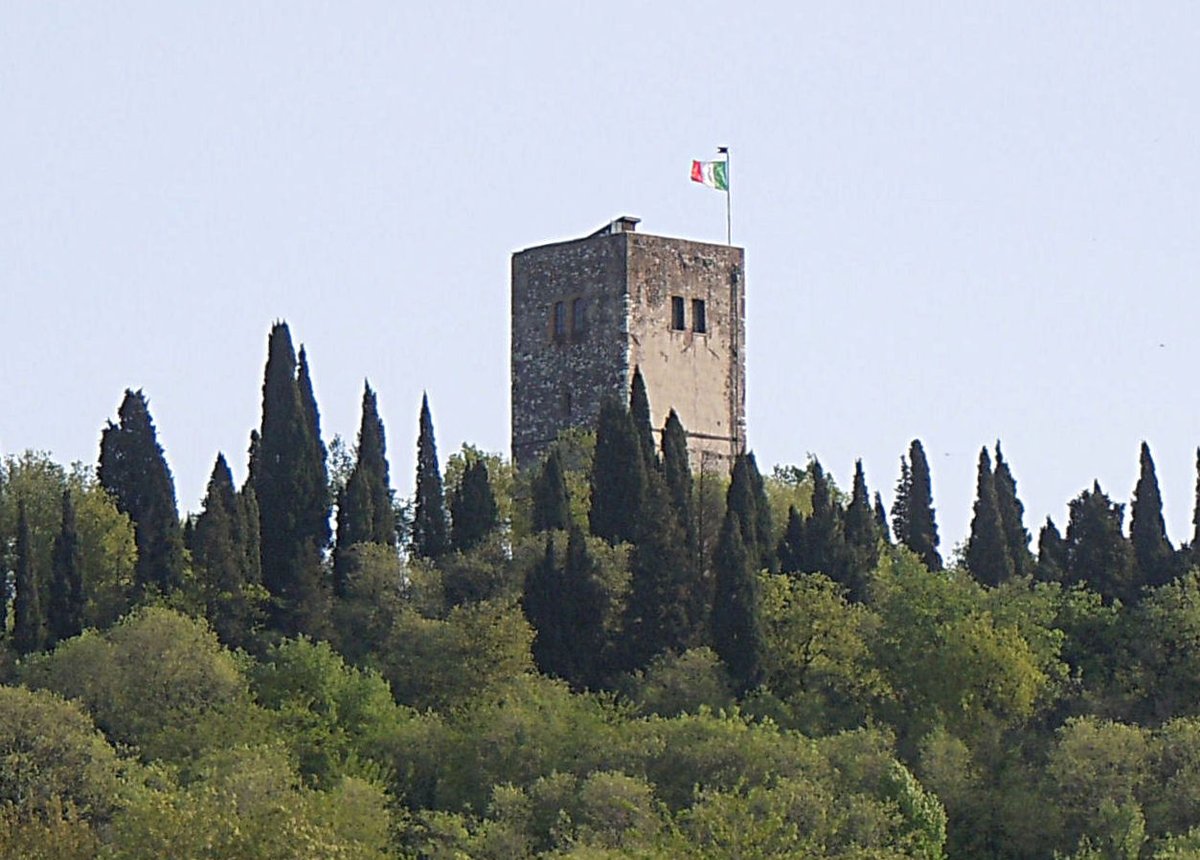
The Rocca di Solferino is a 23-meter-high square tower, built in 1022 on the highest hill in the province of Mantua. Nicknamed the Spy of Italy for its strategic role during the Risorgimento, today it houses a museum with relics, weapons, and mementos of the battle of June 24, 1859. From its terrace, the view spans from Lake Garda to the Prealps, with orientation charts to identify distant towers and bell towers.

Why it’s worth the climb:
Battle Museum: busts of Generals Auger and Dieu, weapons, and historical documents from the Second Italian War of Independence.
Hall of Sovereigns: portraits of Napoleon III and Victor Emmanuel II along the wooden ramp.
Panoramic Terrace: on clear days, your gaze reaches Monte Baldo and the Apennines.
Park and Path: the climb through greenery builds anticipation for the view, and a single ticket gives access to both the Rocca and the Museum.


Events nearby


Copertina itinerario Rocca di Solferino, the Spy of Italy Overlooking Lake Garda
From the 1022 tower, nicknamed the Spy of Italy, the panorama stretches from Lake Garda to the Prealps. Among the relics of the 1859 battle, the Hall of Sovereigns and the panoramic terrace.

Good to know


Introduction

The Rocca di Solferino, the ‘Spia d’Italia’ (Italy’s Spy), is a 23-meter tower standing on the highest hill in the province of Mantua, at 206 meters above sea level. Getting up there means tiptoeing onto a natural balcony: on clear days, the gaze runs from Lake Garda to the Prealps, all the way to the Po Valley. It is not just a monument: it is a privileged vantage point over history and the morainic landscape. Walking up through the park, the silence broken only by the wind prepares you to discover a place that has seen armies pass and changed the fate of Italy. A stop here alone is worth the trip, but it is only the beginning of a story dense with battles, sovereigns, and memory.

Historical Notes

The Rocca was founded in 1022 as a watchtower. In 1315, Rinaldo Bonacolsi, known as Passerino, lord of Mantua, purchased it. Under the Gonzaga family, with Cristierno Gonzaga, it was restored and also became the site of a mint. In the 19th century, with the Austrian border now nearby, the patriots renamed it the Spy of Italy. June 24, 1859 was the day of the Battle of Solferino and San Martino: here the Franco-Piedmontese and Austrian armies fought. After being abandoned, in 1870 the Rocca became a museum. A new restoration took place in 2011, for the 150th anniversary of Italian unity. The story in brief:

  • 1022 – construction of the tower
  • 1315 – purchase by Bonacolsi
  • 1611 – Gonzaga restoration
  • 1859 – Battle of Solferino
  • 1870 – museum
  • 2011 – restoration for Italy’s unity

The Panoramic Terrace

After climbing the wooden ramp, you reach the panoramic terrace: the true heart of the experience. Here, orientation tables help you recognize distant bell towers and towers, while your gaze stretches as far as Lake Garda and, on clear days, to the Prealps. It’s easy to see why this position was so strategic: from up here you could monitor the border and follow troop movements. The view is dazzling, especially when the low sun lights up the morainic hills. A tip: bring a camera with a good zoom—there are countless details to capture.

The Museum and the Hall of Sovereigns

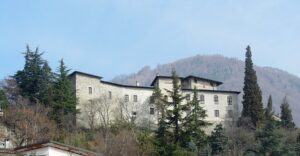
On the ground floor, the Rocca houses a museum with relics from the Second War of Independence: weapons, documents, paintings, and busts of French generals Auger and Dieu. You can feel the air of real history, not from a schoolbook. Climbing the ramp, you enter the Hall of Sovereigns, with portraits of Napoleon III and Victor Emmanuel II, the two commanders of the victorious army. There are also references to the Gonzaga mint, which was active right in Solferino. The route is well curated, and among the works, the painting by Carlo Bossoli depicting the Rocca and the castle stands out. A visit that combines emotion and information, suitable even for those who are not passionate about the Risorgimento.

Why visit it

If you still have doubts, here are three good reasons. First: the view from the terrace is one of the most beautiful on Lake Garda, capable of stirring emotions even in those accustomed to landscapes; second: the Rocca is a dive into the Risorgimento, with authentic relics and the suggestion of a battle that gave birth to the idea of the Red Cross; third: you can combine the visit with that of the Ossuary and the Memorial, for a complete itinerary of places of memory. In short, a place that is not just a monument, but a piece of history to experience first-hand.

When to go

The best moment? At sunset, when the raking light sets the morainic hills aglow and the lake becomes a silver sheet. Clear days in the shoulder seasons offer the widest visibility, with the Pre-Alps seemingly within arm’s reach. In summer, the heat can be felt on the walk up, but the view is worth it. If you love peace and quiet, choose a weekday: you’ll have the Rocca almost all to yourself. In short, every season has its own appeal, but the advice is to aim for those hours when the low sun highlights every detail of the landscape.

In the Surroundings

Ossuary of Solferino: a poignant stop among the cypress trees, where thousands of soldiers who fell in 1859 lie at rest. On the other hill, the Monumental Tower of San Martino della Battaglia stands as another symbol of the Risorgimento. Together with the Rocca, these sites form a compact itinerary of memorials, panoramic views, and historical memory. Perfect for those who wish to truly understand the Battle of Solferino without a guide.

Itineraries nearby


💡 Did You Know…?

As you climb the wooden ramp, stop in the Hall of Sovereigns: the portraits of Napoleon III and Victor Emmanuel II gaze at you as if the battle had just ended. From the terrace, with the orientation charts, try counting the bell towers on the horizon: on the clearest days you can even see the profile of Monte Baldo. And to think that this tower, born as a lookout in 1022, gave its name to the Spy of Italy because from here the border with the Austrian Empire was controlled: a place that truly made history.